Xelivor Xelivor

How to Choose the Best Fiber Optic Transceiver for Your Needs?

Time:2026-06-23 Author:Aria
0%

Choosing the right fiber optic transceiver can be complex. The fiber optic market is expected to grow significantly, driven by increasing demand for high-speed internet. According to a recent report by ResearchAndMarkets, the global fiber optic transceiver market is projected to reach $8.56 billion by 2026, reflecting an annual growth rate of 12.5%.

Industry expert Dr. Sarah Thompson states, "Selecting the suitable fiber optic transceiver is crucial for optimizing network performance." This highlights the importance of matching transceivers to your specific needs. Different applications demand various specifications, such as distance, bandwidth, and compatibility.

Many buyers struggle to understand these requirements. It's essential to consider not just the price but the overall reliability and performance. Often, users may find themselves drawn to cheaper options, only to realize later that they compromise network integrity. Understanding fiber optic transceivers is vital for making informed choices that enhance both efficiency and cost-effectiveness in networking solutions.
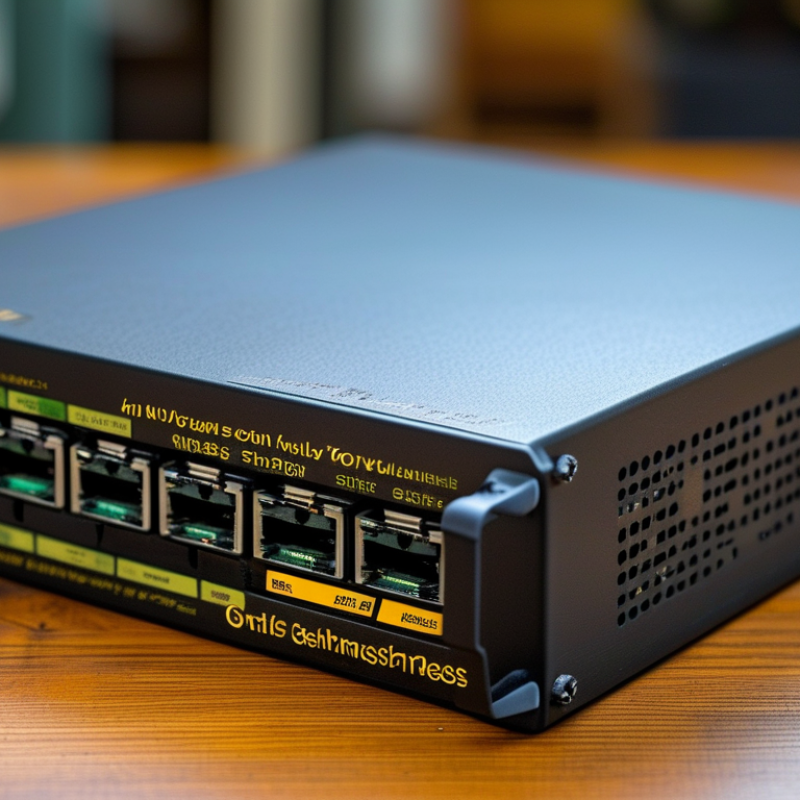
How to Choose the Best Fiber Optic Transceiver for Your Needs?

Understanding Fiber Optic Transceivers: A Brief Overview

Fiber optic transceivers are crucial components for high-speed data transmission. They convert electrical signals into optical signals and vice versa. Understanding their types and functionalities is vital for anyone looking to enhance their network performance. The most common types include SFP, SFP+, and QSFP, each serving different bandwidth and distance requirements.

When choosing a transceiver, consider the data rate you need. For short distances, SFP modules work well, while SFP+ is better for higher speeds. QSFP modules are ideal for large data centers requiring extensive bandwidth. Compatibility with your existing hardware is essential. Not all transceivers fit every device, so verify specifications beforehand.

Tips for selecting the right transceiver: Check the transmission distance and match it with your setup. Pay attention to the connector type, ensuring it aligns with your systems. Consider future scalability; opt for a higher capacity to accommodate potential upgrades. Keep in mind, some transceivers may not perform optimally with certain cables, potentially leading to inefficiencies. Always assess your current and future network demands before finalizing your choice.

Key Specifications to Consider When Choosing a Fiber Optic Transceiver

When selecting a fiber optic transceiver, understanding key specifications is crucial. One important aspect is the data rate. Transceivers can handle varying speeds, typically ranging from 1 Gbps to 400 Gbps. As the demand for higher speeds increases, reports indicate that the fiber optics market is projected to grow significantly, reaching a valuation of over $8 billion by 2025. The choice of data rate directly impacts network performance, so a thorough assessment of your requirements is essential.

Another critical specification is the transmission distance. Transceivers can operate over short, medium, or long distances. Short-range transceivers usually cover up to 300 meters, while long-range models can extend beyond 100 kilometers. According to industry insights, the right distance helps minimize latency and enhances overall network efficiency. However, selecting a long-range transceiver for a short application might lead to wasted resources.

Wavelength is also vital. Transceivers often operate at standard wavelengths of 850nm, 1310nm, or 1550nm. Each wavelength serves specific applications and distances, with varying degrees of signal loss. Misjudging this can result in suboptimal performance. With technology evolving rapidly, ensuring alignment with current and future needs is essential. Understanding these specifications can guide better decision-making in the complex landscape of fiber optic technology.

Different Types of Fiber Optic Transceivers and Their Uses

When selecting fiber optic transceivers, understanding the different types and their applications is crucial. There are several categories of transceivers such as SFP, SFP+, QSFP, and QSFP28, each designed for specific needs. For instance, SFP transceivers typically support data rates up to 1 Gbps, making them suitable for standard applications. In contrast, QSFP+ transceivers can reach speeds of 40 Gbps, ideal for high-bandwidth tasks. According to a report by Optica, the global fiber optic transceiver market is expected to grow at a CAGR of over 10% through 2025, underlining the increasing demand for these components.

Transceivers vary in terms of distance capabilities as well. Short-range transceivers can cover distances up to 300 meters, while long-range versions can extend beyond 80 kilometers using Dense Wavelength Division Multiplexing (DWDM). Data from LightCounting indicates that the adoption of DWDM technology has surged by 30% in just the last few years, emphasizing its role in enhancing communication efficiencies. However, the choice can become overwhelming due to the variety of options available.

Choosing the right transceiver is not only about speed and distance. It's also about compatibility with existing infrastructure. Misalignments can lead to significant network issues. Evaluating your network’s current setup is essential. While expert recommendations exist, there's no one-size-fits-all answer. This complexity requires careful consideration and sometimes, trial and error. Each use case is unique, and understanding those differences is key to making the right choice.

Assessing Compatibility with Your Existing Network Infrastructure

When selecting a fiber optic transceiver, understanding compatibility with your existing network infrastructure is crucial. Many organizations often overlook this aspect, leading to integration challenges. A recent study indicates that 30% of network failures stem from incompatible components. Proper assessment can prevent unnecessary downtime and expenses.

Ensure that the chosen transceiver matches the interface and standards of your current hardware. The IEEE Standard 802.3 outlines several specifications for optical transceivers. Using a transceiver that aligns with these standards guarantees smooth and efficient communication. Data from industry reports suggest that companies performing due diligence in compatibility see up to 40% improvements in network reliability.

Negotiating with your infrastructure can feel cumbersome. Not all optics perform equally with different switches. Experimentation and testing can reveal unexpected results. Sometimes, a less popular transceiver might outperform prominent options. Stay open to insights and feedback from user experiences, as they can guide you toward better choices.

How to Choose the Best Fiber Optic Transceiver for Your Needs?

This chart displays the compatibility ratings of different types of fiber optic transceivers with existing network infrastructures. The ratings are based on factors such as data rate, distance, and connector types.

Evaluating Budget and Cost-Effectiveness of Fiber Optic Transceivers

When selecting a fiber optic transceiver, budget is crucial. Prices can vary significantly based on functionality and speed. Understanding your specific needs helps in making cost-effective choices. Analyze your network requirements. Do you need high-speed data transfer or long-distance coverage? Each option has different implications on price.

Cost-effectiveness doesn’t solely rely on initial expenses. Consider the long-term savings. A more expensive transceiver might offer better reliability and lower maintenance costs. This could be a wiser investment in the long run. Assess compatibility with existing infrastructure as well. Mismatched devices can lead to additional costs.

The market is saturated with choices. Some may promise exceptional performance at a low price. However, these can sometimes sacrifice quality. Research and peer recommendations can be invaluable here. Balancing budget constraints with quality needs careful consideration. Without a clear understanding, you might make flawed decisions that hinder network efficiency.

FAQS

: What are fiber optic transceivers?

: Fiber optic transceivers convert electrical signals into optical signals and vice versa. They enable high-speed data transfer.

What are the common types of fiber optic transceivers?

Common types include SFP, SFP+, QSFP, and QSFP28. Each type suits various bandwidth and distance needs.

How do I choose the right transceiver?

Consider data rate, transmission distance, and connector type. Ensure compatibility with your existing network.

What is the difference between SFP and SFP+ transceivers?

SFP transceivers support data rates up to 1 Gbps. SFP+ transceivers can handle higher speeds for demanding tasks.

Can transceivers work over long distances?

Yes, some can cover distances beyond 80 kilometers using DWDM technology. Always check specifications for distance capabilities.

Why is compatibility important when selecting transceivers?

Incompatibility can lead to network issues. Carefully assess your current equipment to avoid problems.

How does future scalability impact my selection?

Choose transceivers with higher capacity for possible future upgrades. This proactive approach helps prevent frequent replacements.

What challenges might I face when choosing transceivers?

The variety of options can be overwhelming. Misalignments and inefficiencies are possible, requiring careful evaluation.

Are there performance considerations for using certain cables with transceivers?

Yes, some transceivers may not work optimally with specific cables. This can lead to inefficiencies in data transmission.

Why is understanding my specific needs crucial?

Each network setup is unique. Knowledge of your demands ensures you make informed choices for optimal performance.

Conclusion

When selecting a fiber optic transceiver, it's essential to understand the various aspects that influence your decision. A fiber optic transceiver serves as a bridge in communication networks, converting electrical signals to optical signals and vice versa. Key specifications, such as data rate, reach, and connector type, must be carefully evaluated to ensure optimal performance and compatibility with your existing network infrastructure.

Additionally, it's important to consider the different types of fiber optic transceivers available, as each is designed for specific applications and distances. Assessing your budget and the cost-effectiveness of potential options will further guide your choice, ensuring that you achieve the best value while meeting your connectivity needs. By taking these factors into account, you can choose a fiber optic transceiver that aligns with your requirements and enhances your network capabilities.

Aria

Aria

Aria is a dedicated marketing professional with a deep passion for innovative strategies and a keen understanding of our company's product offerings. With a wealth of experience in the industry, Aria excels at crafting engaging content that highlights the unique features and benefits of our......