Xelivor
Xelivor
Xelivor
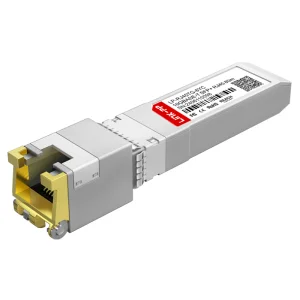
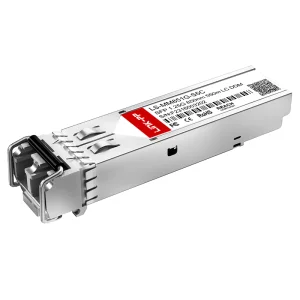
Explore our high-performance SFP SMT connectors, EMI shielded cages, and compatible active optical modules built to global telecom standards.
As modern applications shift toward high-bandwidth computations, cloud computing, and real-time artificial intelligence processing, physical data centers are facing unprecedented pressure. SFP (Small Form-factor Pluggable) systems serve as the structural gateway for optical and copper transceivers to interface with mainboards.
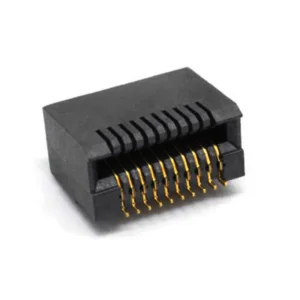
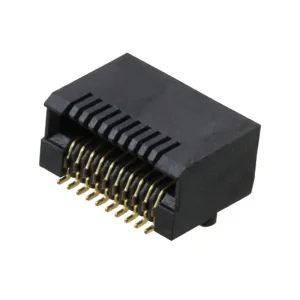
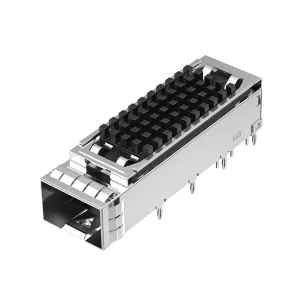
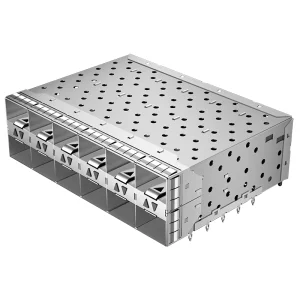
An SFP Cage is a metal housing designed to guide transceiver modules into place, secure them, and suppress Electromagnetic Interference (EMI). Meanwhile, the SFP Connector handles high-speed signal transmissions directly onto the PCB, requiring extreme mechanical precision and micro-inch gold plating to maintain signal integrity over thousands of insertion cycles.
Globally, telecom equipment vendors and hyperscale cloud providers require robust SFP systems compatible with Ethernet, Fibre Channel, and InfiniBand standards ranging from 1Gbps (SFP) to 10Gbps (SFP+), 25Gbps (SFP28), and newer 100G/400G Form Factors (QSFP, QSFP-DD).
In 5Gbps to 25Gbps connections, minor imperfections in trace pathways or contact resistance can lead to catastrophic data packet loss. This is why top-tier network architects mandate:
Analyzing how centralized supply ecosystems enable high-volume precision manufacturing with quick lead times and customizable options.
Chinese production bases utilize advanced progressive die stamping and high-speed insert molding. This guarantees sub-micron level tolerances for stacked cages and complex press-fit pin layouts.
From custom heat sink geometries and integrated light pipes to varied gold plating thicknesses (15u" vs. 30u"), manufacturers can rapidly adjust parameters to meet specific client specifications.
By keeping supply chains local, manufacturing sites maintain deep cooperation with component suppliers. This structure minimizes logistics bottlenecks, optimizes raw material sourcing, and reduces cost-per-port.
Where SFP cages and connectors perform critical roles in enabling global optical systems and structural data transfer.
Stacked SFP cages (e.g. 2x6, 2x8 configurations) are used in core network switches to save real estate on PCB assemblies while guaranteeing thermal relief.
SFP+ connectors with outdoor-rated enclosures enable high-capacity CPRI/eCPRI optical links between baseband units and remote radio heads.
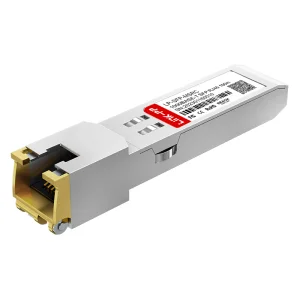
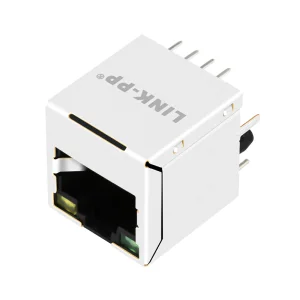
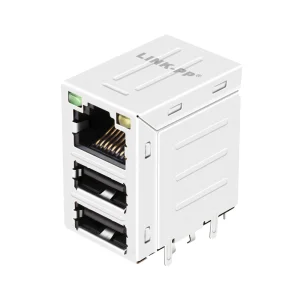
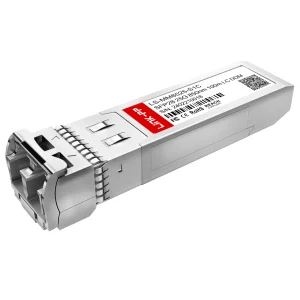
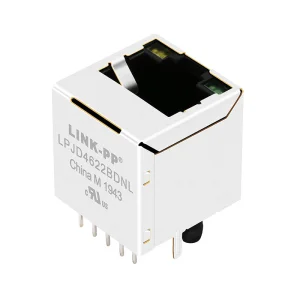
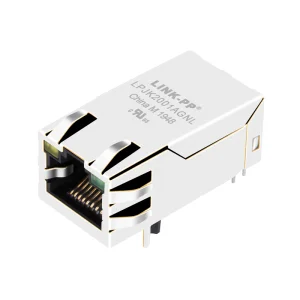
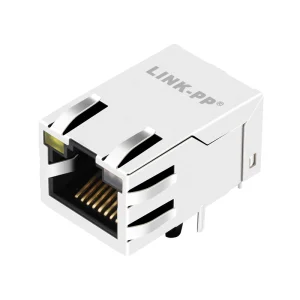
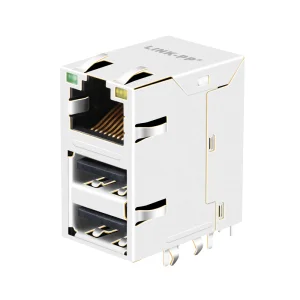
Vertical PoE RJ45 connectors and optical SFP transceivers combine to support smart factory automation networks under harsh EMI conditions.
High-density optical line terminal (OLT) boards rely on 1x1 or stacked press-fit SFP cages to process high volumes of fiber subscriber traffic.


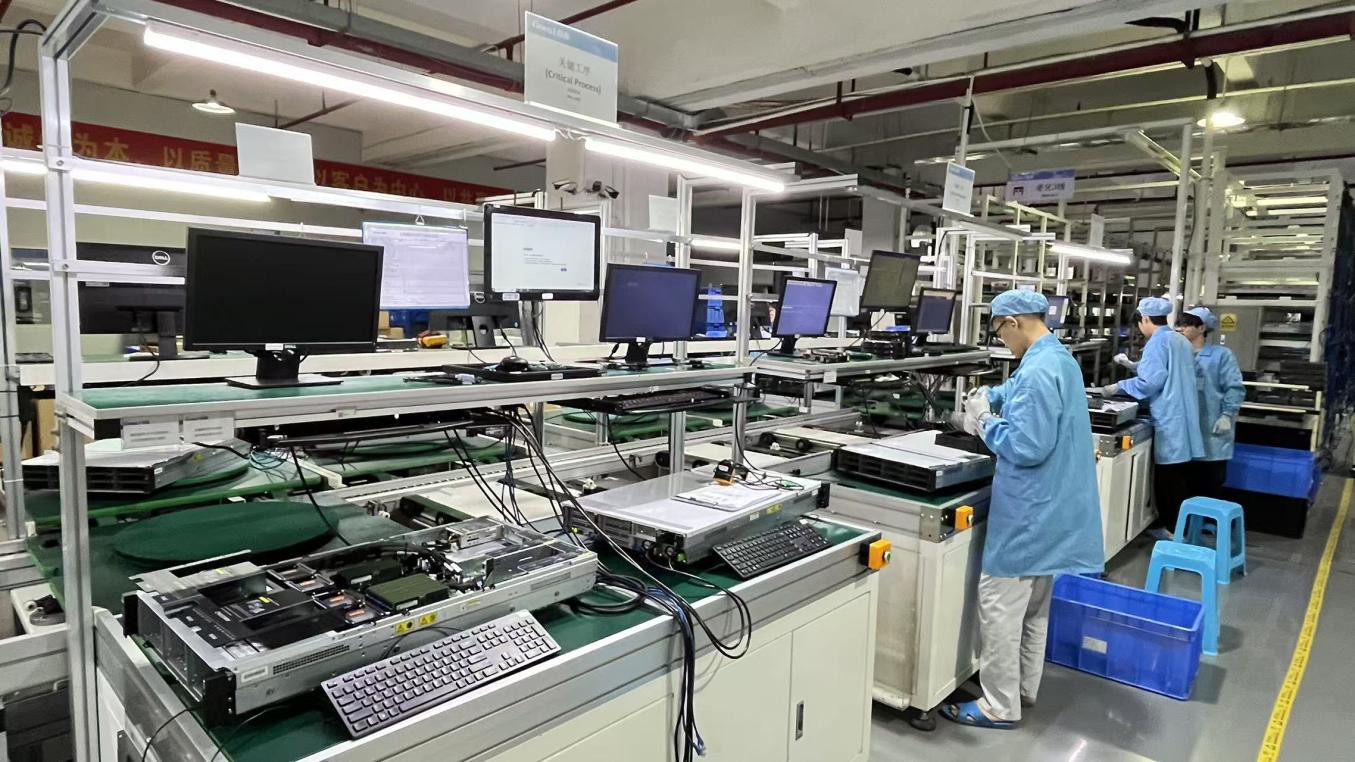
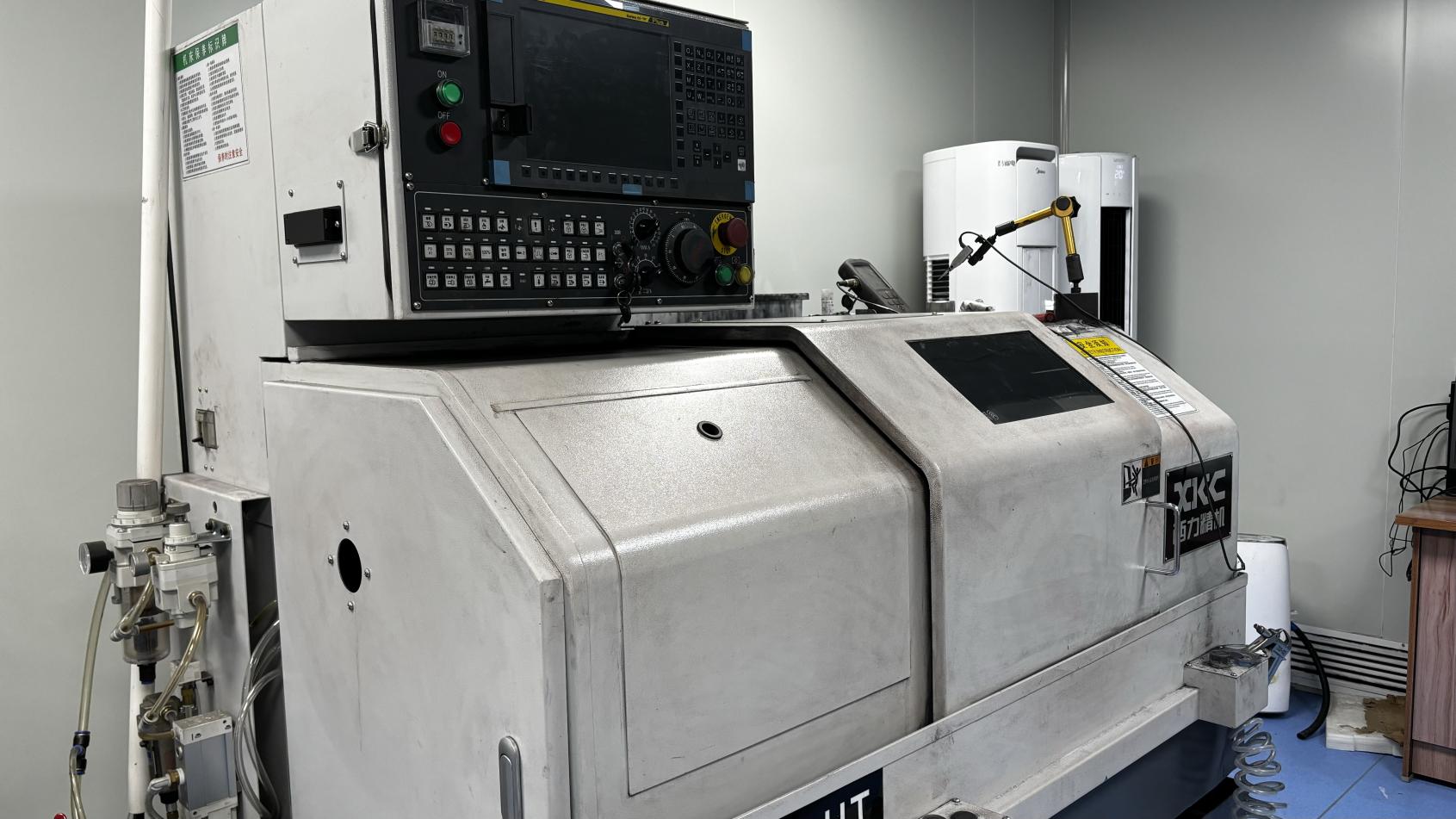
Xelivor Optoelectronics Co., Ltd. is a professional manufacturer of optical transceivers and fiber connectivity solutions, dedicated to serving global data center, telecom, enterprise network, and cloud computing industries. Established in 2016, the company operates from a modern manufacturing facility covering 386 m² and has built a strong reputation for delivering reliable, high-performance optical communication products worldwide.
With over 8 years of industry experience and 6 years of export experience, Xelivor has achieved annual export revenues exceeding USD 12 million. Our products are exported to customers across North America, Europe, Southeast Asia, the Middle East, and South America, supporting a wide range of networking applications from enterprise infrastructure to hyperscale data centers.
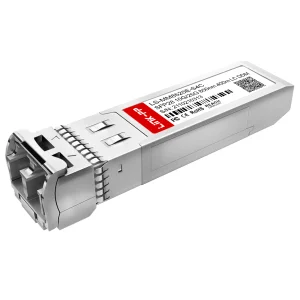
Xelivor specializes in the design, development, and production of optical transceivers, including SFP, SFP+, SFP28, QSFP28, QSFP-DD, OSFP, DAC, and AOC solutions. Backed by a dedicated R&D team of 68 engineers, the company continuously invests in innovation and launched more than 85 new products in the past year to meet the evolving demands of high-speed optical networks.
Quality is at the core of our operations. Our quality management system incorporates incoming material inspection, in-process quality control, aging tests, compatibility verification, optical parameter testing, and final product inspection. A professional quality assurance team of 32 inspectors ensures every product meets strict international standards before shipment.
The company maintains long-term cooperation with more than 850 supply chain partners, enabling stable sourcing, efficient production, and rapid delivery capabilities. Our flexible manufacturing system supports OEM, ODM, private label, customized firmware, customized labeling, and packaging services to satisfy diverse customer requirements.
Driven by innovation, quality, and partnership, Xelivor Optoelectronics Co., Ltd. remains committed to providing cost-effective, reliable, and future-ready optical communication solutions for global networking infrastructure.
The telecommunications industry is moving toward higher baud rates and smaller footprints. Here is how modern physical layer components are adapting.
As channel rates double, connector pins must minimize crosstalk. Modern design utilizes decoupled shielding layers and specific pin assignments to prevent signal decay at microwave frequencies.
While pluggable transceivers remain dominant, hybrid SFP form factors are emerging to bridge standard optical modules with co-packaged electronics to decrease optical loss.
High power consumption in 25G/100G transceivers requires SFP cages to incorporate integrated thermal interfaces, customized heat pipes, and dense elastomeric gaskets to prevent EMI leaks.
Get answers to common design, manufacturing, and electrical questions asked by hardware engineers and purchasing managers.
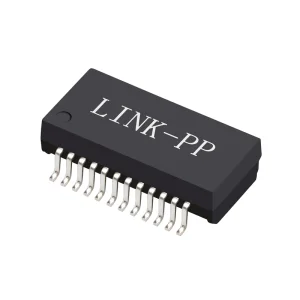
Verify options for 10G SFP+, SFP28 stacked configurations, PoE magnetic modules, and compatible LC transceiver solutions.