 Xelivor
Xelivor
Xelivor
Leverage low-latency high-speed transceiver modules engineered to exceed MSA and IEEE specifications. Standard compatibility guaranteed with major switch providers.
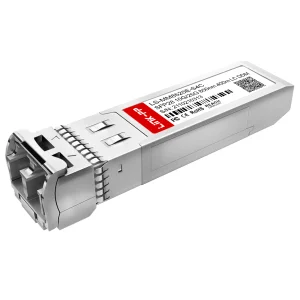
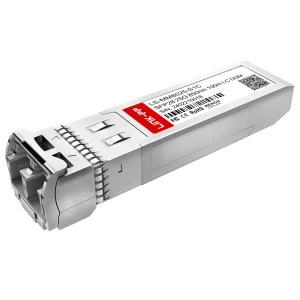
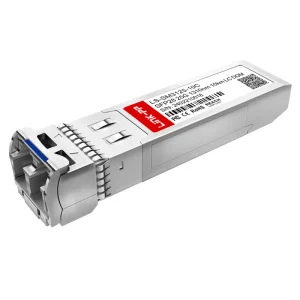
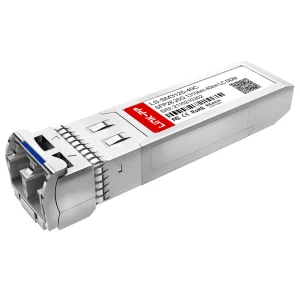
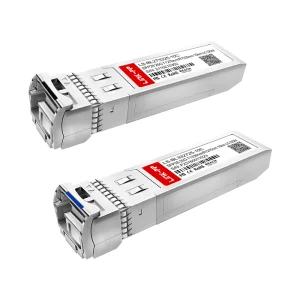
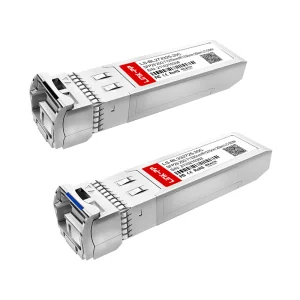
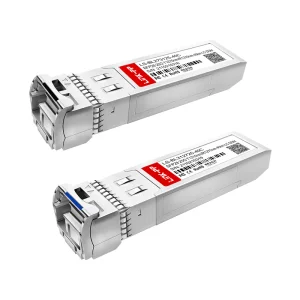
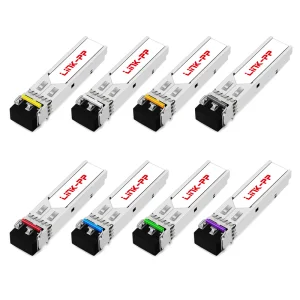
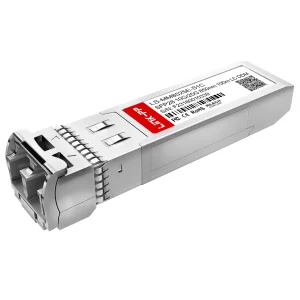
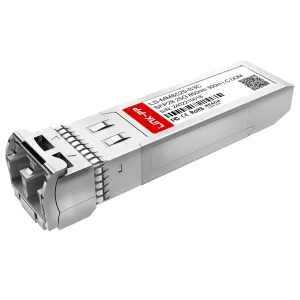
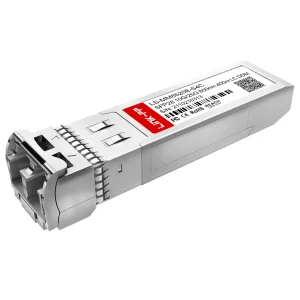
In the contemporary digital landscape, enterprise networks, hyperscale data centers, and telecom environments are transitioning from legacy 10G topologies to 25G Ethernet and 32G Fibre Channel (FC) standards. This transition is motivated by the geometric expansion of cloud computing workloads, virtualization requirements, and high-frequency storage area networks (SANs). SFP28 (Small Form-factor Pluggable 28) represents a crucial evolutionary step, offering a direct pathway to increase channel bandwidth by 2.5 times compared to SFP+, whilst minimizing physical space and operational power budgets.
This technical whitepaper explores the critical procurement vectors, manufacturing processes, and technological trends surrounding 25G and 32G SFP28 transceiver modules. We analyze how top manufacturers balance high-yield Chinese supply chain economies with stringent international compliance frameworks, addressing the key requirements of global telecom buyers and network administrators.
The primary advantage of SFP28 modules lies in their internal transceiver layout. While previous generation 100G architectures relied on grouping four 10G channels (QSFP+), SFP28 operates on a single 25Gbps (or 28Gbps for OTN, 32Gbps for Fibre Channel) physical lane. This single-lane architecture significantly simplifies switch design, reduces the amount of physical cabling required, and minimizes potential failure points.
For systems engineers, SFP28 provides optimized physical compatibility with existing SFP+ structural cages while adopting upgraded internal transceivers, electrical interfaces, and optical sub-assemblies. The table below details the technical comparisons between SFP+, SFP28, and 32G SFP28 modules:
| Parameters | 10G SFP+ | 25G SFP28 | 32G SFP28 (FC) |
|---|---|---|---|
| Standard Line Rate | 10.3125 Gbps | 25.78125 Gbps | 28.05 Gbps / 32.0 Gbps |
| Signaling Format | NRZ | NRZ | NRZ |
| Typical FEC Requirement | No FEC (or Base-R FEC) | RS-FEC (IEEE 802.3by) | RS-FEC (L15) |
| Average Power Consumption | < 1.0 W | 1.0 W to 1.5 W (Option dependent) | 1.2 W to 1.8 W |
| Laser Component Options | VCSEL / DFB | VCSEL / DFB / EML | VCSEL / DFB / EML |
| Primary Target Applications | 10G Ethernet / 8G FC | 25G Ethernet / eCPRI (5G) | 32G Fibre Channel SAN |
By bypassing the complex PAM4 multi-level signaling used in 50G/100G lanes, the 25G and 32G SFP28 formats utilize NRZ (Non-Return-to-Zero) modulation. This selection achieves lower link latencies—a crucial requirement for high-frequency trading platforms, real-time telecom switches, and high-performance computing clusters.
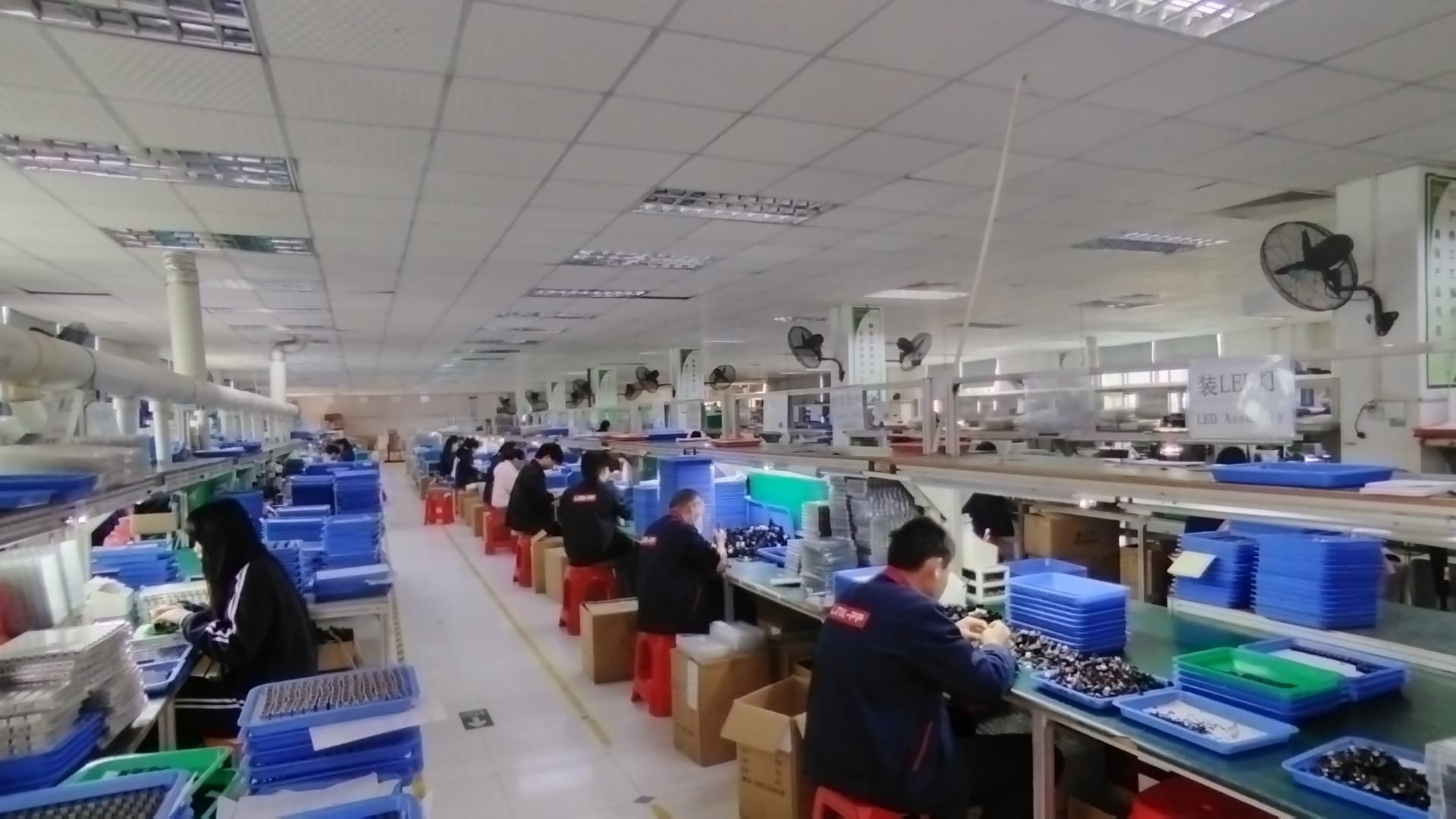
The global competitiveness of Xelivor Optoelectronics Co., Ltd. is built upon the structural integration of China's optical manufacturing clusters. Operating from our production facilities, we capitalize on a localized vertical supply chain that reduces lead times and optimizes bill-of-materials (BOM) costs.
We maintain direct proximity to raw substrate foundries, optical lenses, zinc-alloy die-cast shell manufacturers, and high-speed electrical connector suppliers, securing constant stock availability even during global semiconductor constraints.
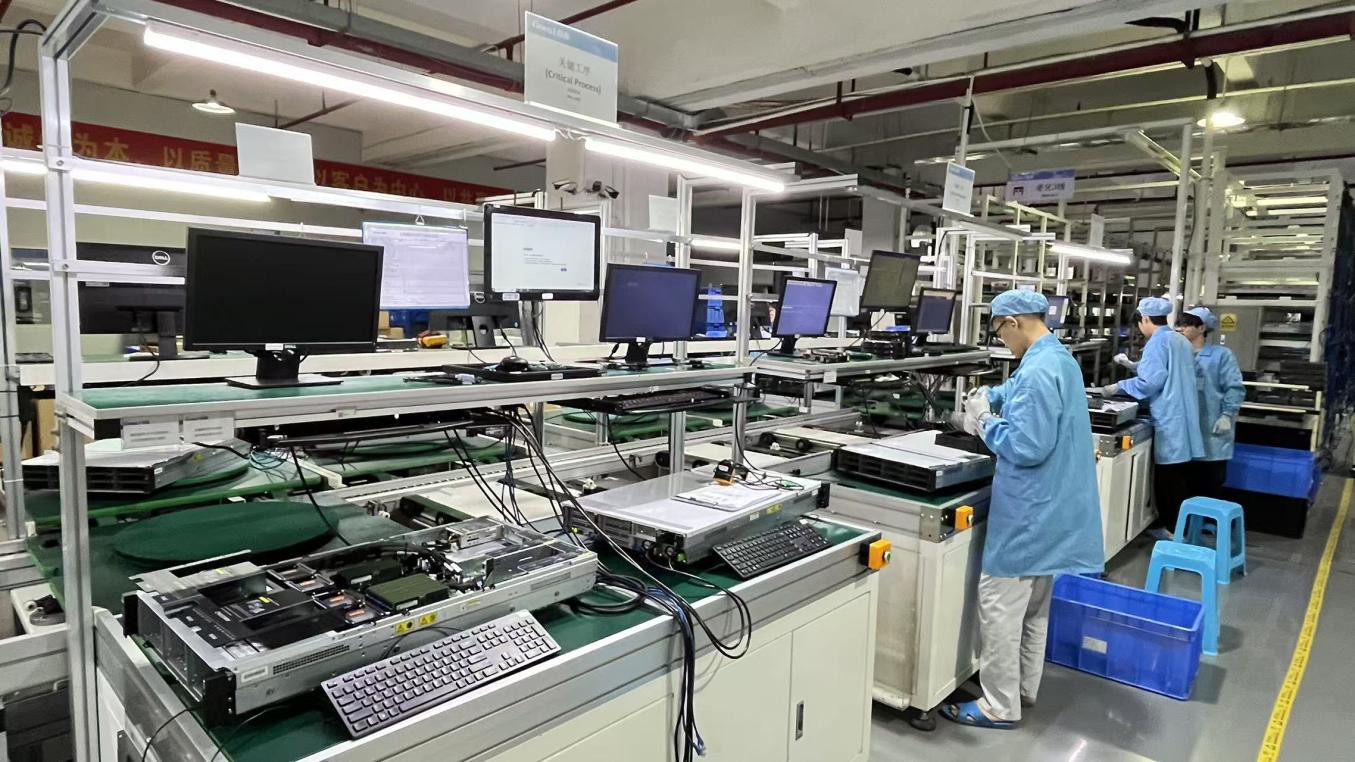
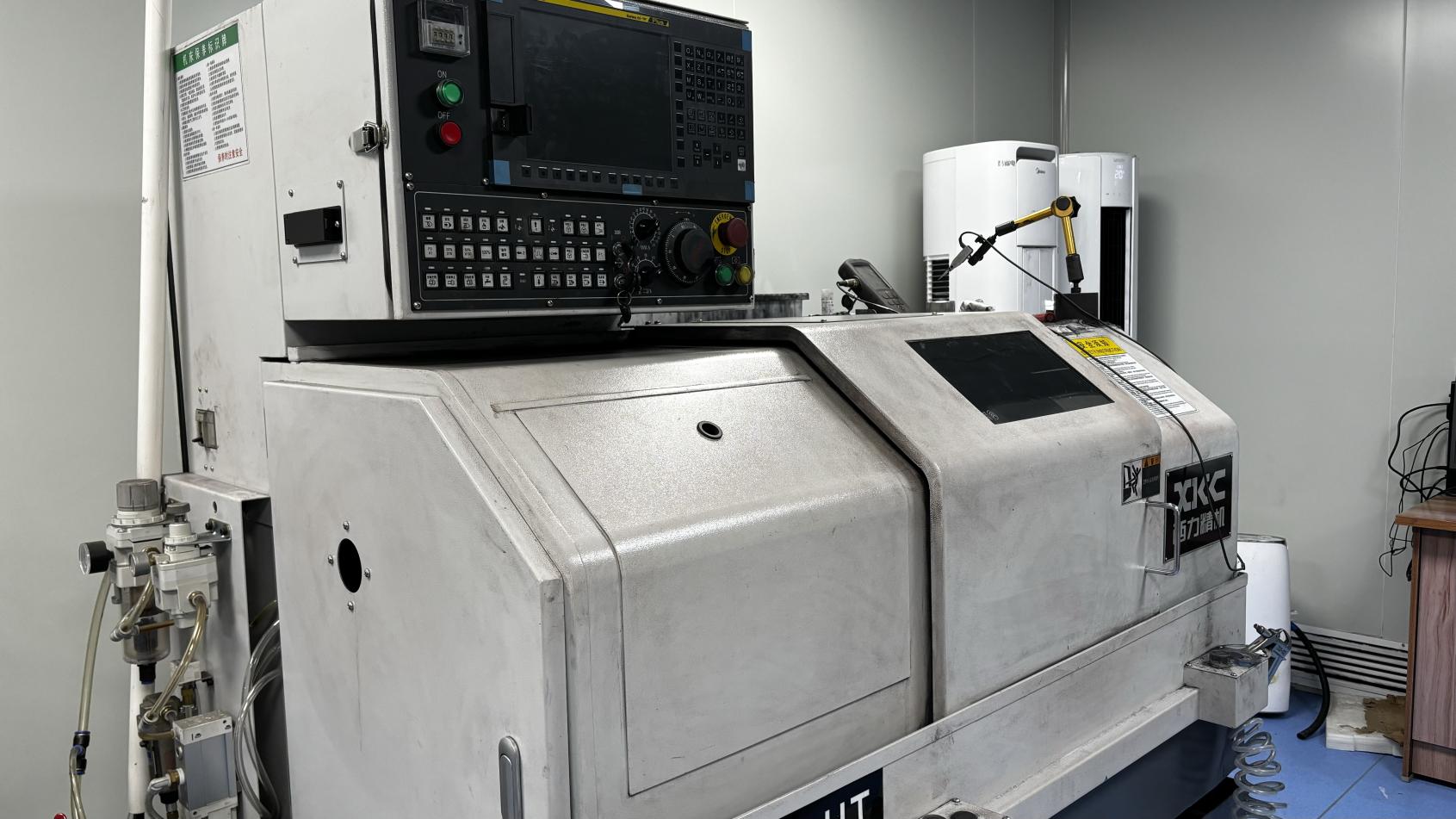
Leveraging automatic optical alignment platforms and multi-channel Bit Error Rate Test (BERT) systems, our cleanrooms deliver precision assembly with low defect rates, achieving stable quality across large production runs.
With a dedicated R&D engineering division of 68 specialists, we support modifications of firmware coding, custom EEPROM configuration, tailored label layouts, and specialized laser selection for non-standard reach requirements.
For international tier-1 telecom operators and systems integrators, interoperability is a critical factor. Optical modules must work reliably across a variety of hardware architectures. At Xelivor, we address this through a multi-step quality control process.
Our quality management division, composed of 32 quality assurance inspectors, verifies every production batch against major international regulations and standards. This includes compliance with the SFP28 Multi-Source Agreement (MSA), which defines the dimensions, electrical interface pin assignments, and register maps to ensure mechanical and electronic drop-in compatibility.
Additionally, we conduct rigorous testing to ensure compliance with the following standards:

Understanding how different SFP28 form factors fit within your modern physical architecture networks is essential for optimal resource planning.
25G SFP28 BiDi (Bidirectional) modules are standard solutions for CPRI/eCPRI interfaces in modern 5G Base Band Units (BBU) and Remote Radio Heads (RRH). They utilize WDM (wavelength division multiplexing) to transmit and receive over a single single-mode fiber strand, halving fiber cabling requirements.
32G SFP28 Fibre Channel transceivers provide the speed needed for fast data transfer in enterprise SAN arrays. Supporting 32G FC speeds with backwards compatibility down to 16G and 8G FC, they prevent database congestion and speed up backup runs.
For regional metro loop connections, 25G CWDM, DWDM, and LWDM SFP28 transceivers aggregate multiple channels onto single fiber lines over distances up to 40km, avoiding the need to lease new dark fiber lines.
A primary challenge for network procurement teams is vendor lock-in. Many tier-1 switch brands configure their host platforms to run diagnostic handshakes with inserted modules, checking the EEPROM memory space. If the vendor identifier, serial number, and security hash do not match, the switch port will block the transceiver.
Xelivor resolves this by maintaining a physical compatibility simulation lab. We reverse-engineer EEPROM maps for major brands, including Cisco, Juniper, Arista, Brocade, HPE, Dell, and Ciena. During manufacturing, each SFP28 module is flashed with compatible firmware parameters. This ensures plug-and-play functionality and correct reporting of Digital Diagnostics Monitoring (DDM/DOM) parameters, such as laser bias current, optical output power, receiver power levels, operating voltage, and internal temperature.
Frequently asked questions regarding 25G and 32G SFP28 implementation, compatibility, and procurement.
Explore specialized long-haul, multiplexed (CWDM/DWDM/LWDM), and dual-rate compatible modules designed for complex network architectures.
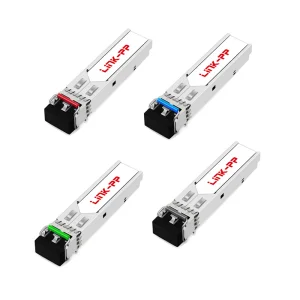
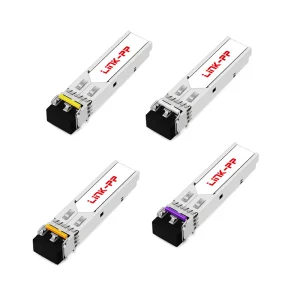
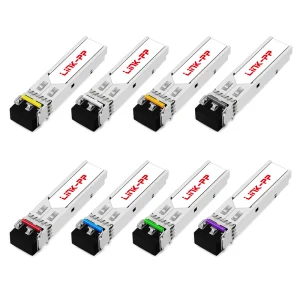
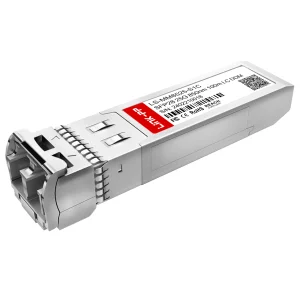
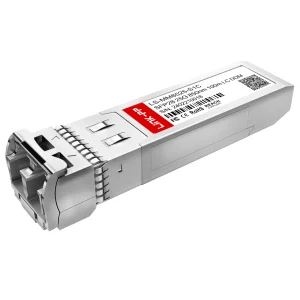
Xelivor Optoelectronics Co., Ltd. is a professional manufacturer of optical transceivers and fiber connectivity solutions, dedicated to serving global data center, telecom, enterprise network, and cloud computing industries. Established in 2016, the company operates from a modern manufacturing facility covering 386 m² and has built a strong reputation for delivering reliable, high-performance optical communication products worldwide.
With over 8 years of industry experience and 6 years of export experience, Xelivor has achieved annual export revenues exceeding USD 12 million. Our products are exported to customers across North America, Europe, Southeast Asia, the Middle East, and South America, supporting a wide range of networking applications from enterprise infrastructure to hyperscale data centers.
Xelivor specializes in the design, development, and production of optical transceivers, including SFP, SFP+, SFP28, QSFP28, QSFP-DD, OSFP, DAC, and AOC solutions. Backed by a dedicated R&D team of 68 engineers, the company continuously invests in innovation and launched more than 85 new products in the past year to meet the evolving demands of high-speed optical networks.
Quality is at the core of our operations. Our quality management system incorporates incoming material inspection, in-process quality control, aging tests, compatibility verification, optical parameter testing, and final product inspection. A professional quality assurance team of 32 inspectors ensures every product meets strict international standards before shipment.
The company maintains long-term cooperation with more than 850 supply chain partners, enabling stable sourcing, efficient production, and rapid delivery capabilities. Our flexible manufacturing system supports OEM, ODM, private label, customized firmware, customized labeling, and packaging services to satisfy diverse customer requirements.
As a company with independent R&D capabilities, advanced testing equipment, and a customer-oriented approach, Xelivor serves distributors, system integrators, telecommunications operators, data center providers, network equipment vendors, and enterprise customers worldwide. Driven by innovation, quality, and partnership, Xelivor Optoelectronics Co., Ltd. remains committed to providing cost-effective, reliable, and future-ready optical communication solutions for global networking infrastructure.