Xelivor
Xelivor
Xelivor
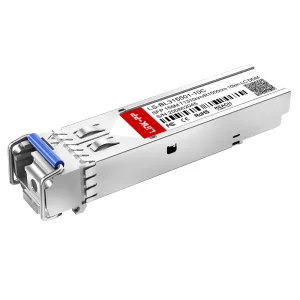
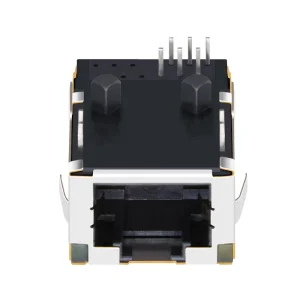
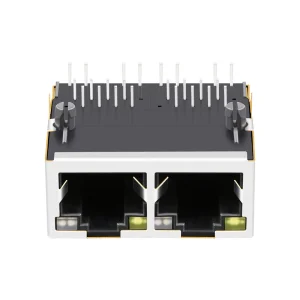
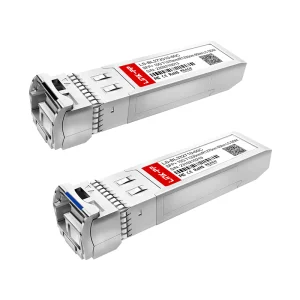
Modern telecommunications, cloud architecture, and artificial intelligence (AI) compute clusters are experiencing exponential data growth. Optical transceivers serve as the fundamental interfaces that convert electrical signals into optical pulses. These optical pulses allow immense streams of data to travel across global fiber-optic systems with minimal latency and degradation. The shift from standard 10G/400G models toward 800G and 1.6T systems is driving a major wave of global innovation. This evolution is reshaping manufacturing facilities and supply lines across the globe.
As deep learning networks expand, hyperscale providers face new engineering challenges. Traditional copper connections can no longer handle the required speeds over long distances. High-bandwidth optical transceivers are now essential for modern high-performance computing (HPC). Globally, regional hubs are developing specialized roles in this industry. Design houses in North America and Europe focus on silicon photonics and advanced chip architectures, while production centers in East Asia deliver the scale, precision packaging, and optimization needed for global markets.
Cloud service providers require immense data center fabrics. Deploying low-power, high-density optical transceivers reduces operating costs while maximizing data throughput per rack.
Decentralized cloud networks place processing power closer to end-users. This requires rugged, temperature-resistant optical modules built for varying environments.
Next-generation mobile towers require high-speed optical front-haul networks to deliver ultra-low latency and support massive concurrent mobile connections.
China has established itself as a primary manufacturing hub for optical transceivers. By combining specialized component suppliers, advanced manufacturing tooling, and highly skilled engineering talent, Chinese facilities are able to scale up high-volume production rapidly. This domestic supply network brings together raw materials, laser diodes, planar lightwave circuits (PLCs), high-speed testing equipment, and outer housing production into integrated local hubs.
This close-knit manufacturing ecosystem simplifies the production process. Material sourcing, automated optical alignment, high-temperature testing, and validation are often handled within the same industrial zone. This integration cuts down on lead times, keeps quality consistent, and allows factories to adapt quickly to changing specifications. It makes high-speed components, like 100G QSFP28 and 10G SFP+ modules, accessible and cost-effective for global network upgrades.
Choosing the right optoelectronic interface requires understanding key form factors, bandwidth capacities, transmission distances, and laser types. Below is an overview of standard designs utilized across modern optical networks.
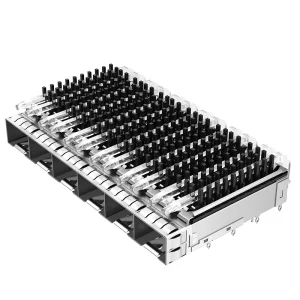
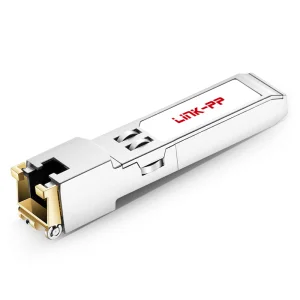
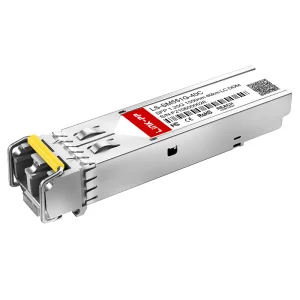
Small Form-Factor Pluggable modules. SFP+ supports up to 10 Gbps, and SFP28 extends performance to 25 Gbps. They are widely used in enterprise switches, firewalls, and 25G Ethernet access nodes.
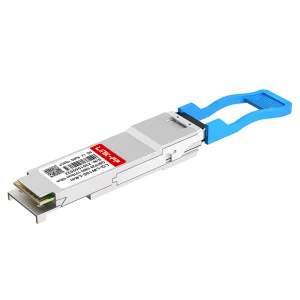
Quad Small Form-Factor Pluggable. The 100G QSFP28 uses four channels running at 25 Gbps each, making it a standard interface for large data centers and telecom core networks.
Double Density form factors designed for 400G and 800G configurations. They feature an expanded electrical interface to handle higher data rates, supporting modern AI model training infrastructures.
Selecting the correct device depends on matching parameters like wavelength (850nm for short-range multi-mode fiber, 1310nm/1550nm for single-mode fiber), optical budget, and connector styles (LC duplex, MPO/MTP). System integrators must also verify compatibility with host networking equipment through standardized multi-source agreements (MSAs).
Quality and reliability are essential for mission-critical networks. A single component failure can disrupt major data pipelines. A reliable manufacturing process relies on automated production, cleanroom environments, and thorough testing protocols.
Testing and validating laser chips, optical sub-assemblies (TOSA/ROSA), and print circuit boards (PCBs) before they enter the assembly line.
Automated equipment aligns lasers and lenses with sub-micron accuracy, minimizing insertion loss and ensuring stable signal quality.
Modules undergo thermal stress testing to identify and eliminate early-stage component defects before final packaging.
Transceivers are programmed and tested in original vendor switches to verify firmware compatibility and ensure seamless operation.
Established in 2016, Xelivor Optoelectronics Co., Ltd. is a dedicated manufacturer of optical transceivers and fiber connectivity solutions. Serving data centers, telecom operators, enterprise networks, and cloud providers globally, we work from a modern 386 m² precision engineering facility.
With over 8 years of industry experience and 6 years of international export experience, Xelivor has grown to achieve annual export revenues exceeding USD 12 million. Our products support communication networks across North America, Europe, Southeast Asia, the Middle East, and South America.
Our product catalog includes SFP, SFP+, SFP28, QSFP28, QSFP-DD, OSFP, DAC, and AOC solutions. Backed by an R&D team of 68 engineers, Xelivor focus on continuous product development, introducing more than 85 new products last year to support higher-speed optical network architectures.
Our quality assurance program is managed by a team of 32 experienced inspectors. Our quality management system covers incoming materials inspection, process monitoring, aging tests, compatibility verification, and optical parameter testing. In addition, our collaboration with over 850 supply chain partners helps us maintain stable material sourcing and reliable lead times.
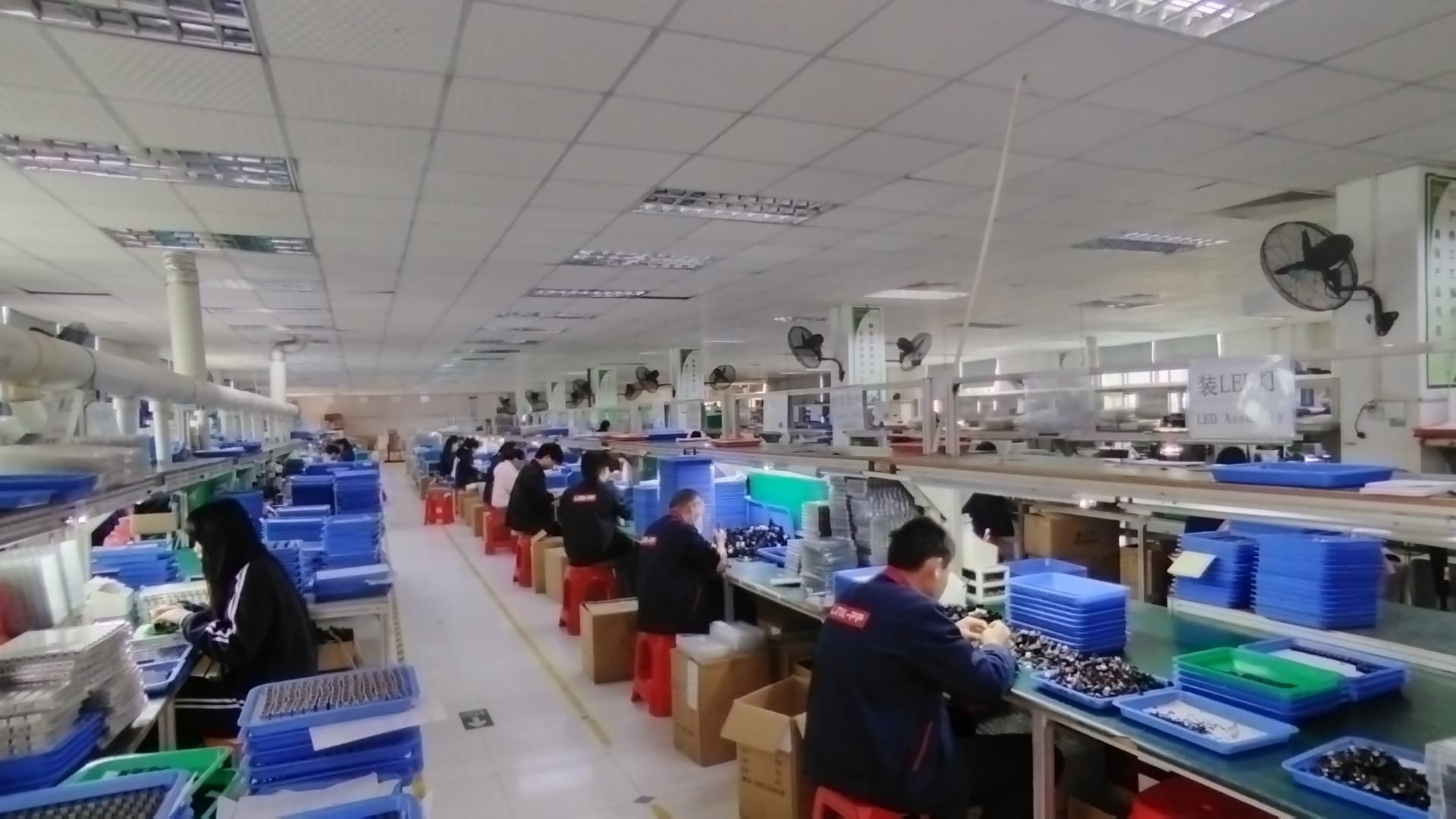
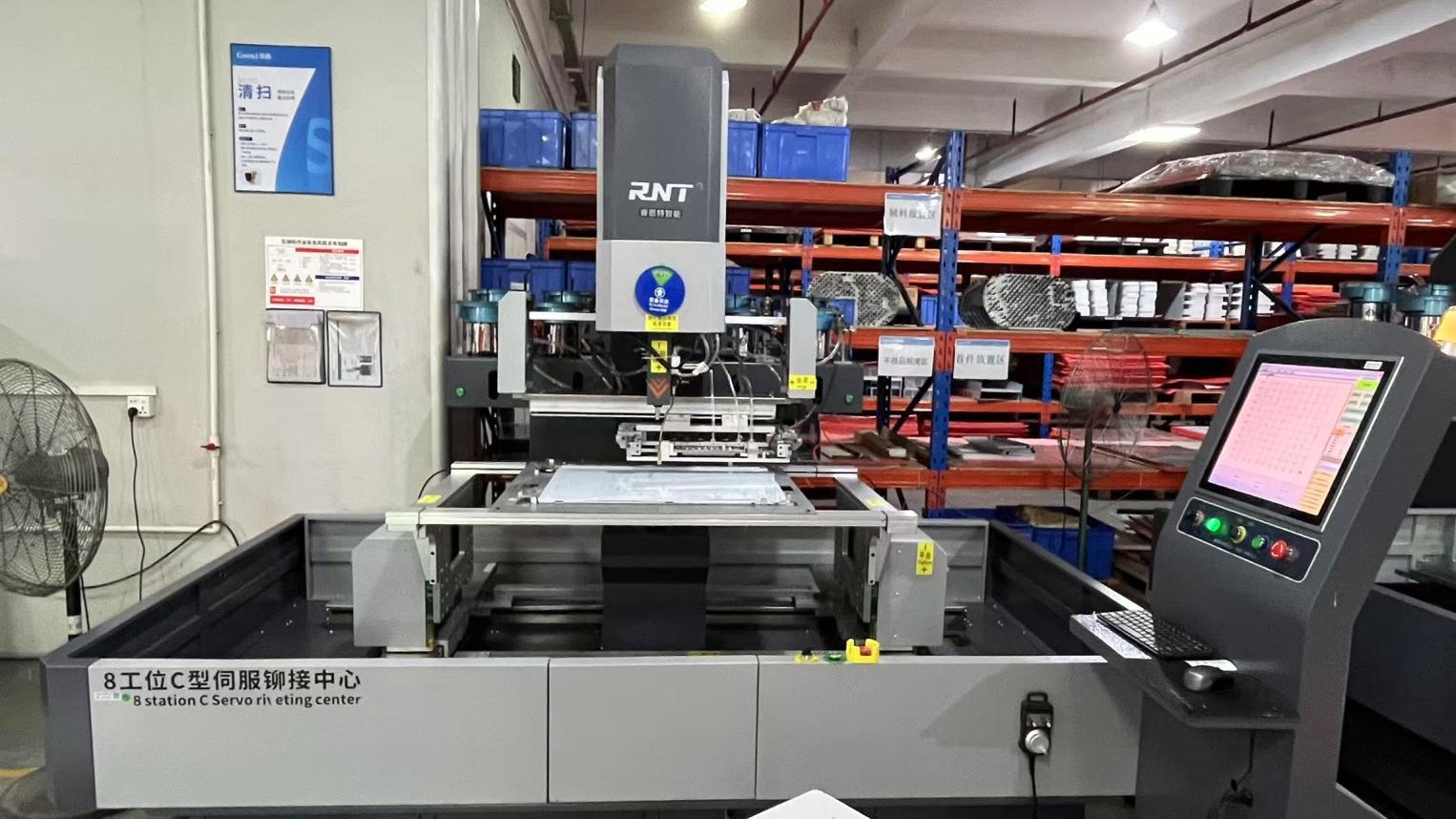
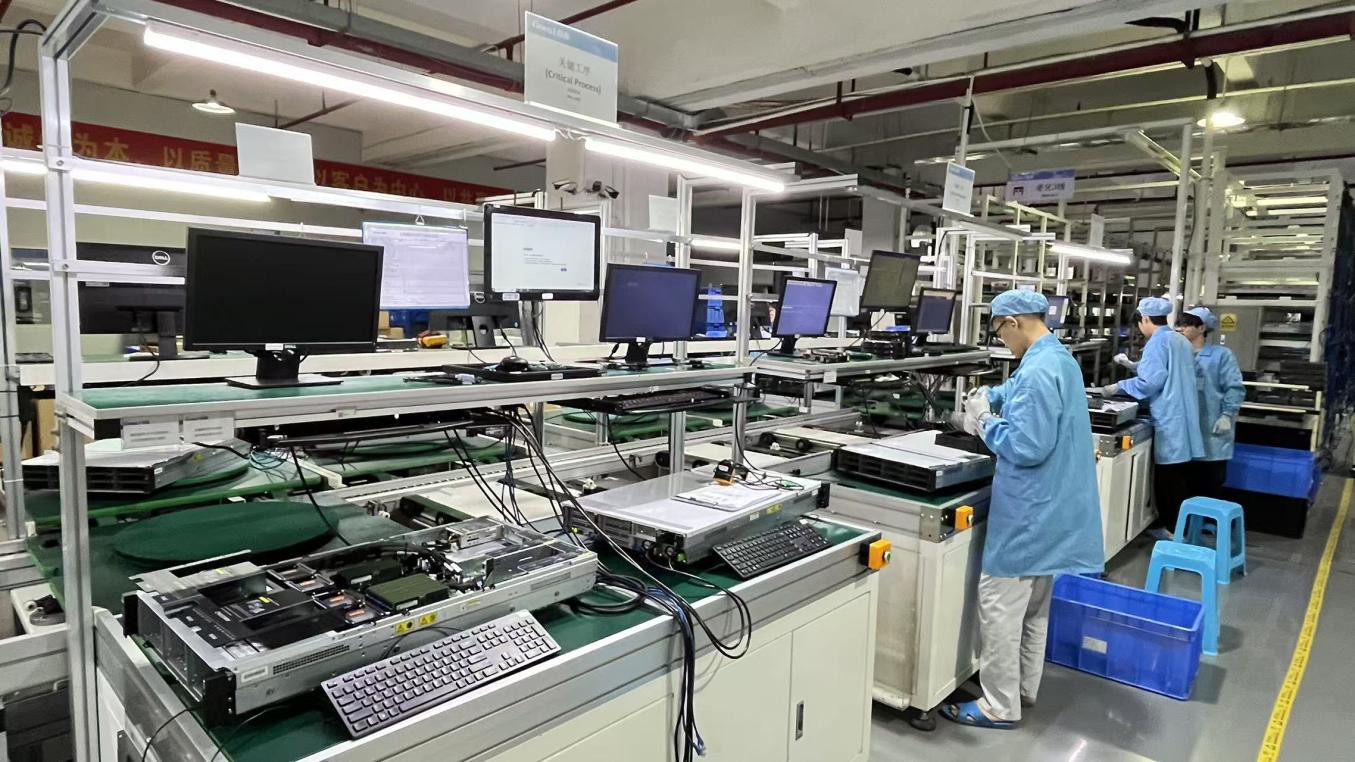
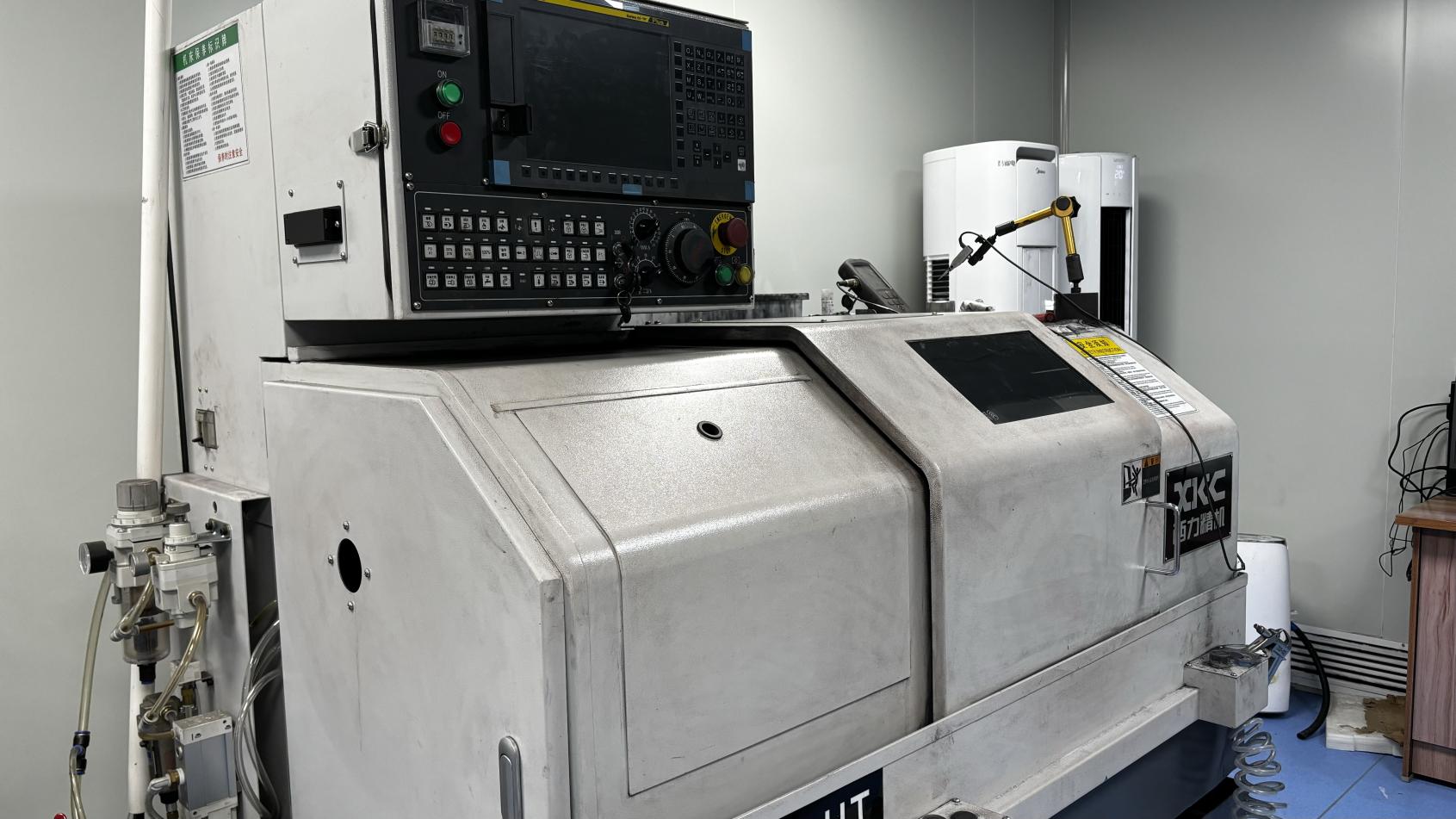
"By integrating precision engineering with flexible OEM/ODM manufacturing, Xelivor supports distributors, system integrators, and telecom operators with reliable and cost-effective fiber solutions."
Sourcing optical hardware for data center upgrades requires careful verification to ensure compatibility, reliability, and long-term performance. Buyers should evaluate key areas before finalizing large-scale procurement contracts.
Verify that your supplier can program transceivers with vendor-specific EEPROM codes (e.g., Cisco, Juniper, Arista, Dell) to ensure seamless compatibility with host equipment and prevent configuration errors.
Ensure all components meet RoHS, CE, FCC, and FDA/CDRH laser safety standards. These certifications are essential for imports, environmental compliance, and safe operating conditions.
Partner with manufacturers that maintain diversified supply networks. This helps ensure consistent access to laser components and stable pricing, even during global material shortages.
Answers to key technical and sourcing questions regarding optical transceivers, compatibility, and custom manufacturing.