Xelivor
Xelivor
Xelivor
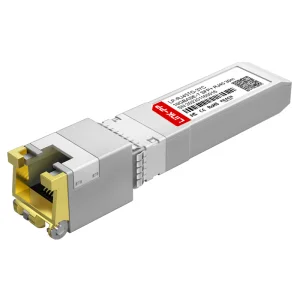
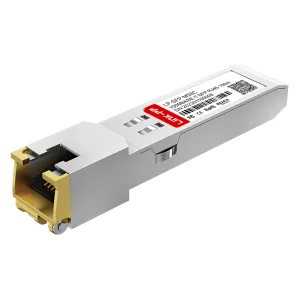
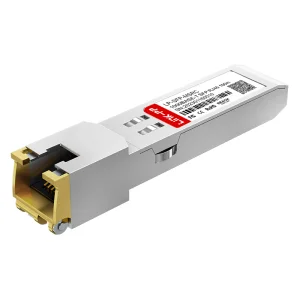
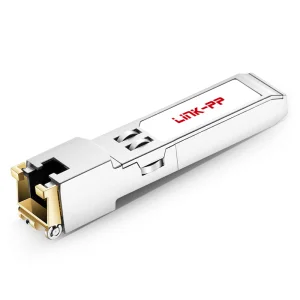
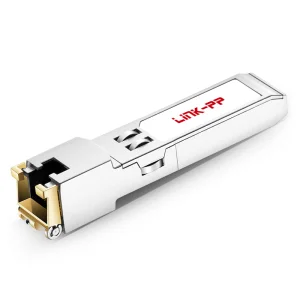
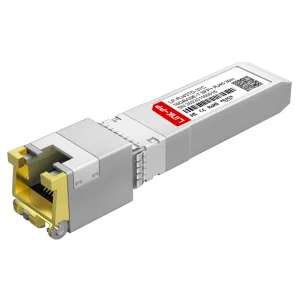
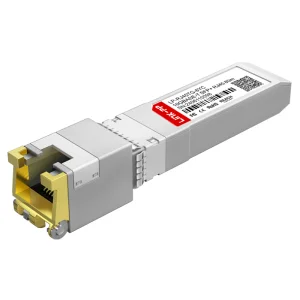
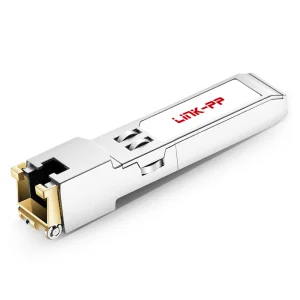
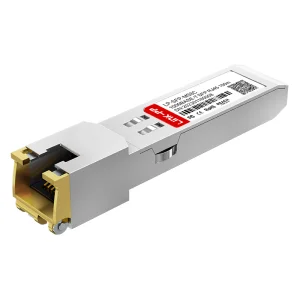
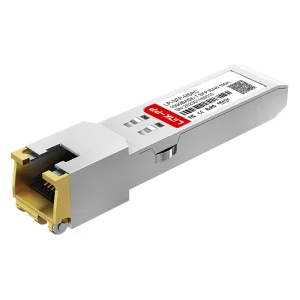
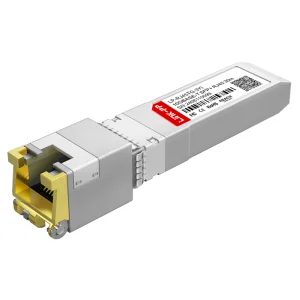
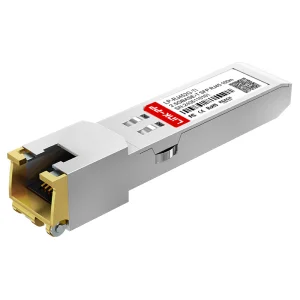
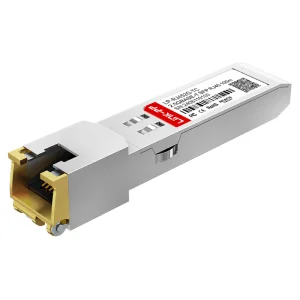
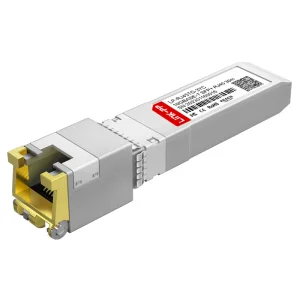
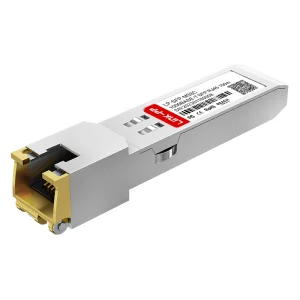
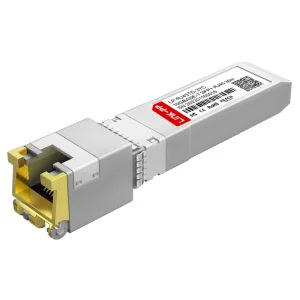
Explore our premium range of hot-pluggable RJ45 copper transceivers, designed for seamless multi-vendor compatibility and reliable data transmission.
Founded in 2016, Xelivor Optoelectronics Co., Ltd. stands as a premier manufacturer of high-reliability optical transceivers and advanced fiber connectivity solutions. With a specialized focus on serving modern hyperscale data centers, telecom operators, enterprise networks, and cloud computing architectures, we deliver state-of-the-art transceiver hardware engineered for critical uptime and low latency.
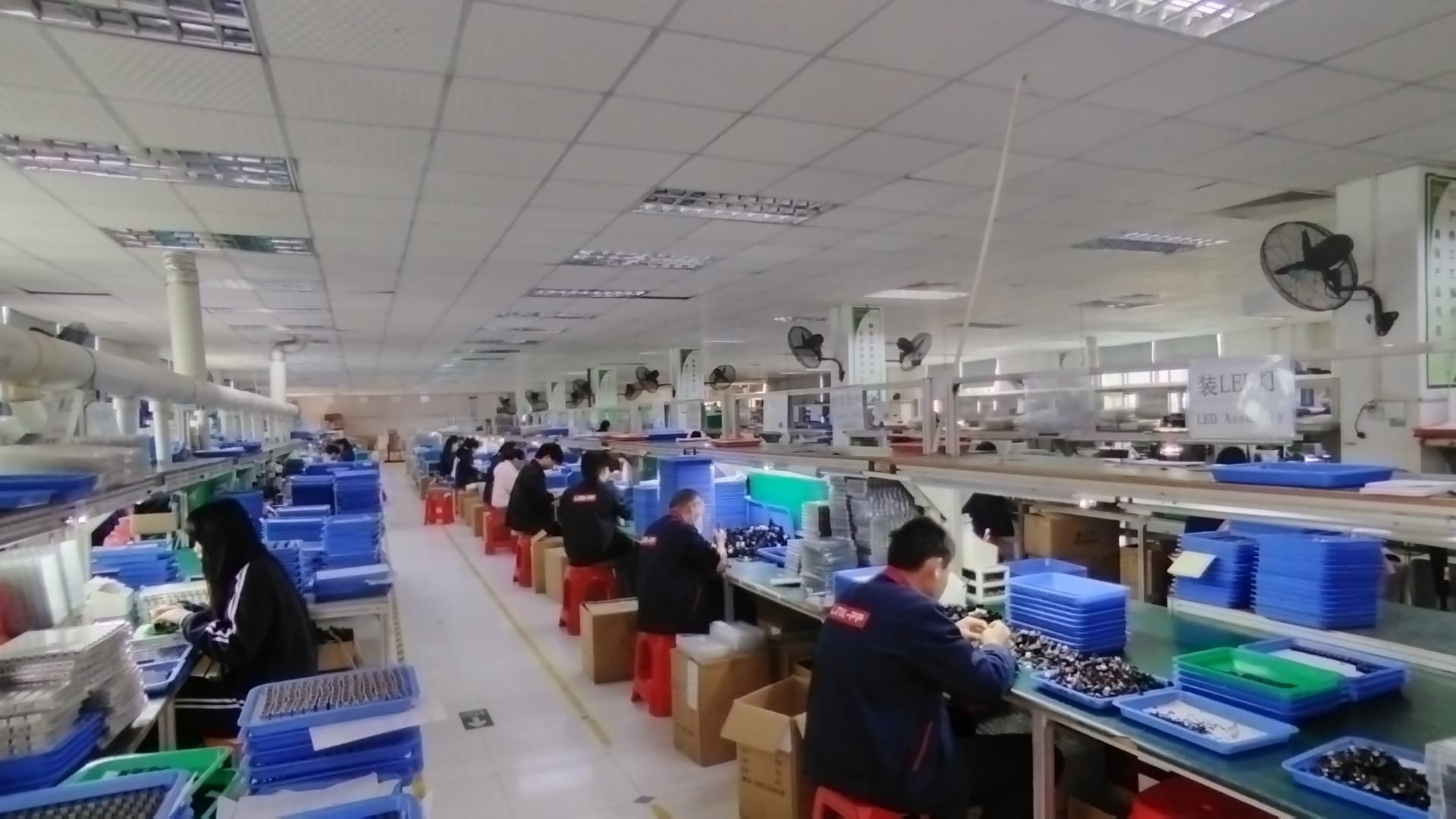
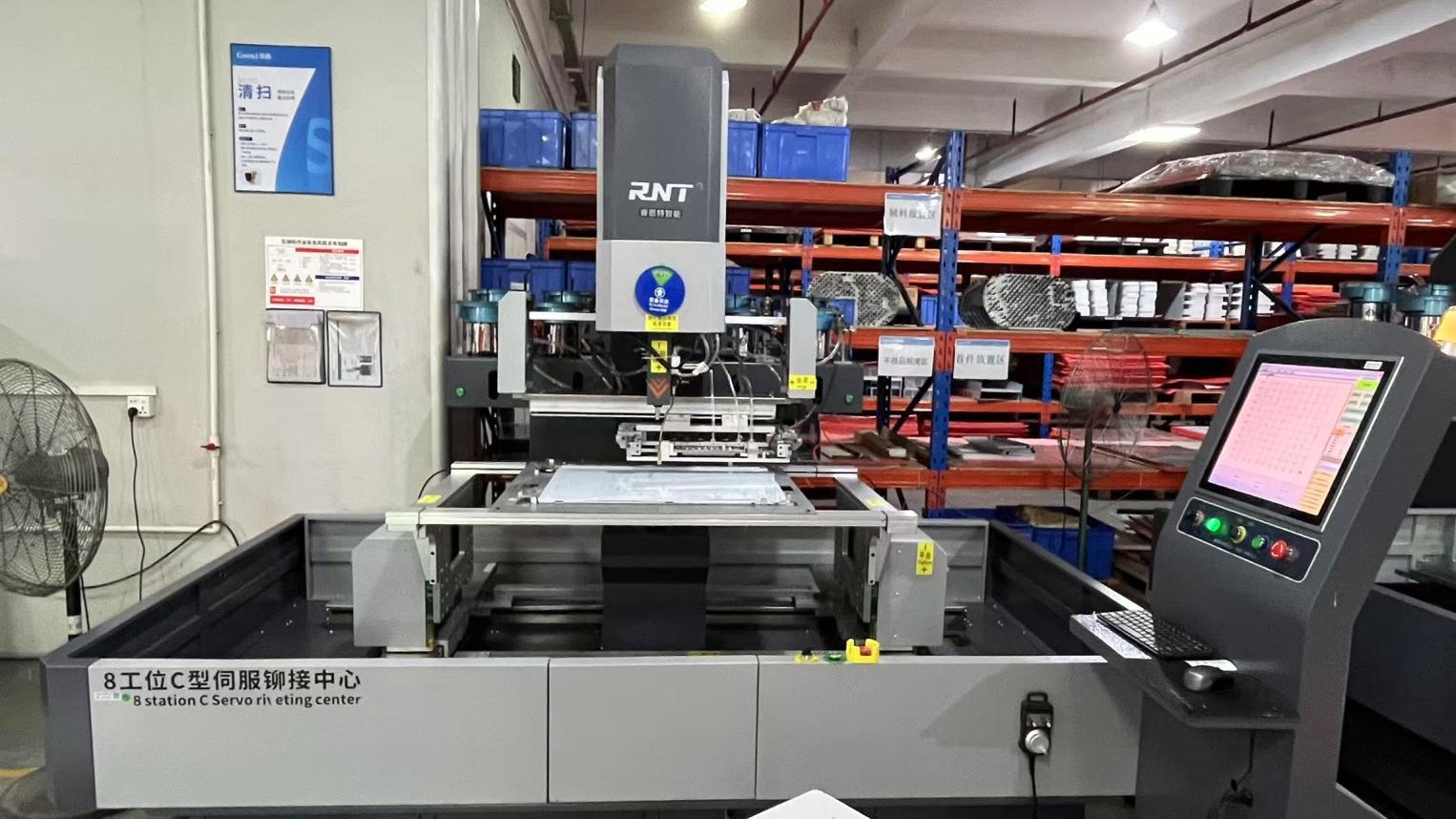
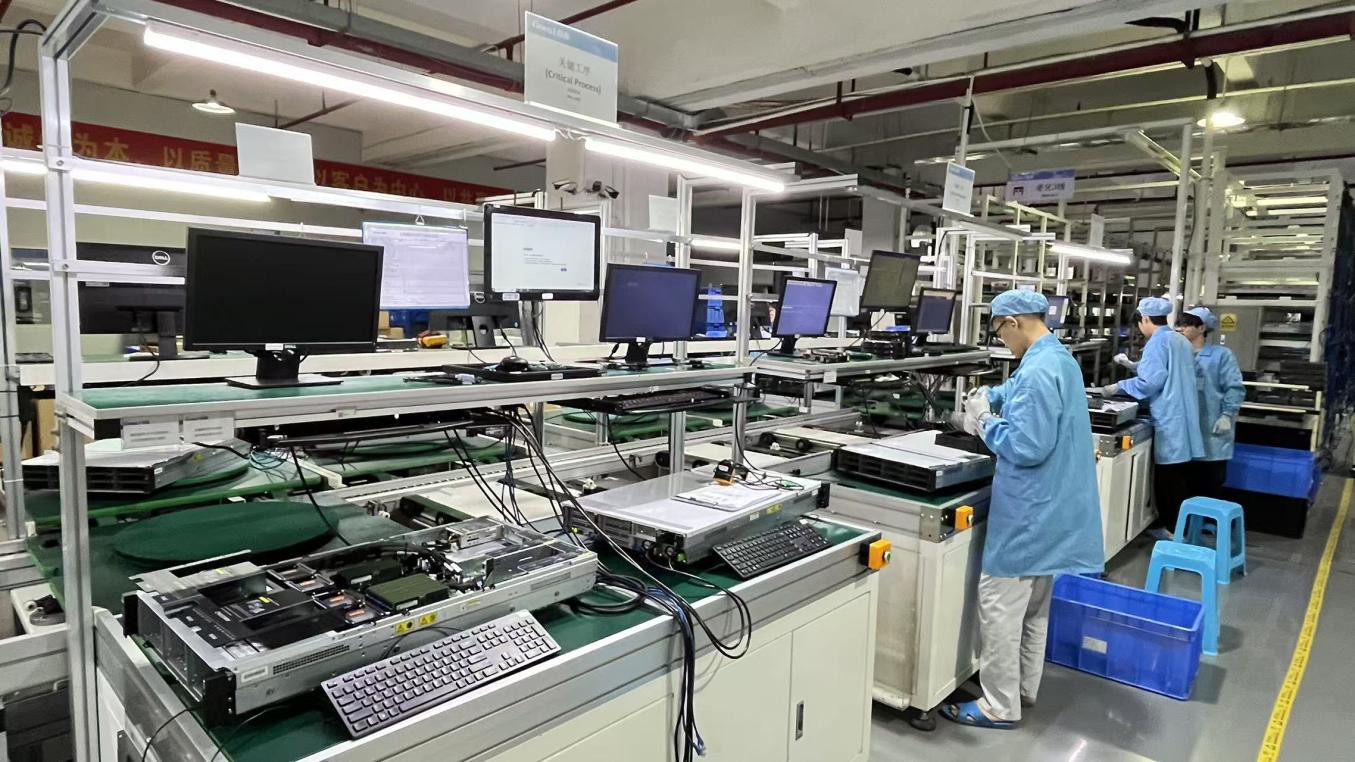
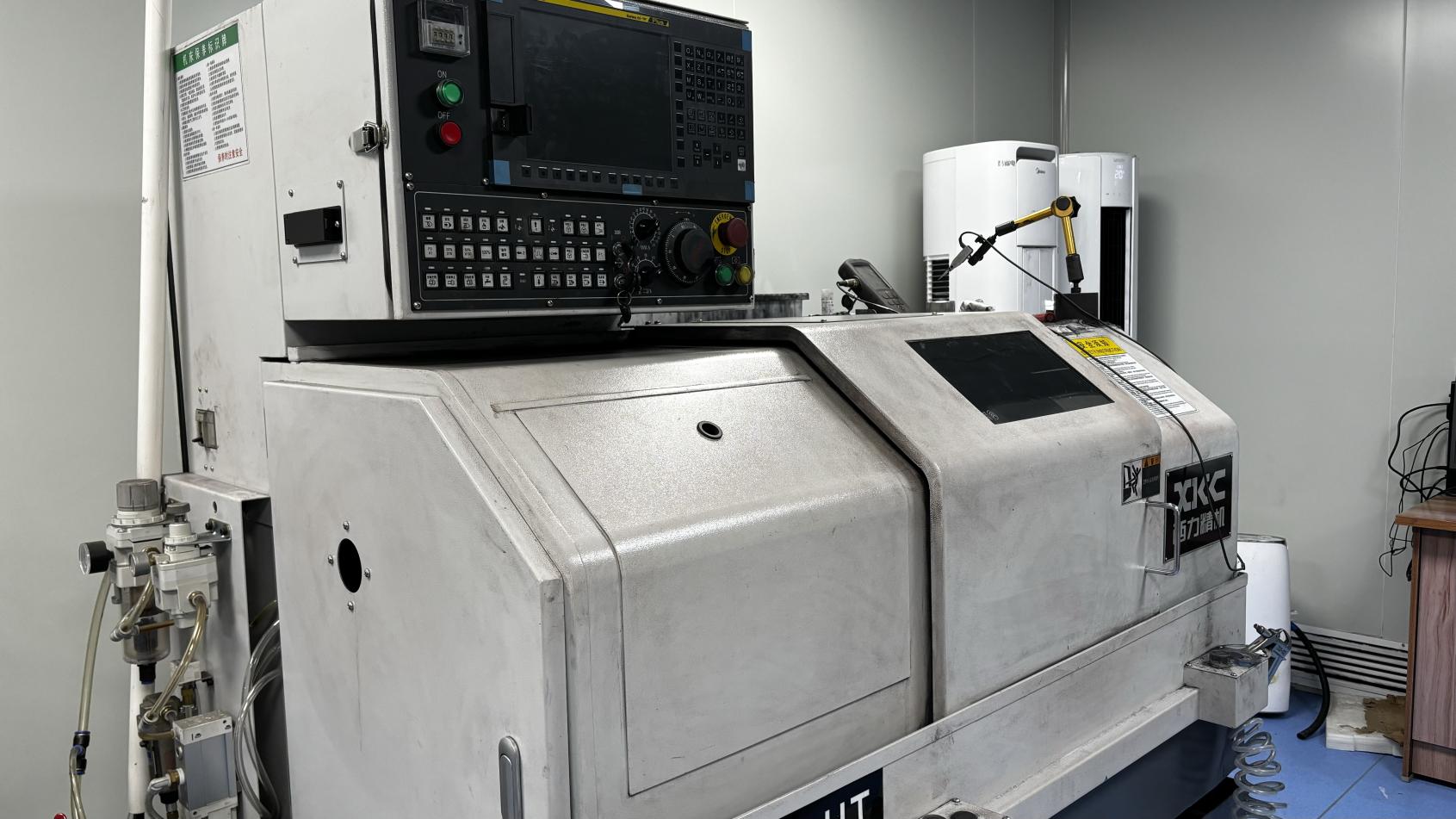
Operating from an advanced, cleanroom-controlled manufacturing facility designed for high-density electronic fabrication, Xelivor has established a robust international footprint. Backed by 8 years of rigorous industrial design experience and 6 years of global export proficiency, our company processes international orders yielding annual export revenues exceeding USD 12 million.
Xelivor specializes in the design, development, and production of optical and copper transceivers, including SFP, SFP+, SFP28, QSFP28, QSFP-DD, OSFP, DAC, and AOC solutions. Backed by a dedicated R&D team of 68 engineers, the company continuously invests in innovation and launched more than 85 new products in the past year to meet the evolving demands of high-speed optical networks.
Our production facilities maintain strict ESD controls and environmental monitoring to prevent micro-defects during the optical sub-assembly (OSA) and electrical sub-assembly (ESA) production phases.
Unlike traditional optical transceivers that use laser diodes (VCSEL, DFB, or EML) to modulate light over fiber optic cabling, RJ45 SFP transceivers (often referred to as Copper SFPs or Base-T transceivers) utilize an integrated, high-performance physical layer chip (PHY) to convert high-speed serial optical/electrical signals (SGMII or XFI/USXGMII) into Ethernet electrical signals compatible with twisted-pair copper lines (Cat5e, Cat6, Cat6a, or Cat7).
Converts SGMII (1G) or XFI/SFI (10G) host-side interfaces to analog Base-T signals. This requires complex DSP algorithms for echo cancellation and line equalization over Cat6a cabling.
10GBASE-T PHYs traditionally consume substantial power. Modern designs focus on sub-1.6W profiles to prevent switches from entering thermal shutdown.
Support for 100M/1G/2.5G/5G/10G Ethernet speeds, allowing system administrators to interface legacy equipment with modern core switches.
Historically, the deployment of 10GBASE-T SFP+ copper modules was limited due to high power consumption (exceeding 2.5 Watts per module). Inserting multiple high-power modules into adjacent ports on high-density switches could easily exceed the switch's power supply capacity and thermal envelope.
As a specialized factory, Xelivor has optimized the circuit topology and incorporated advanced low-power DSPs to reduce the power consumption of our 10GBASE-T SFP+ 30m modules to less than 1.5W, and our advanced 80m/100m long-reach modules to under 1.8W. This allows network engineers to populate switches with higher density without risking thermal throttling or premature port failure.
China remains the epicenter of the global optoelectronics supply chain. Sourcing directly from an established manufacturing plant like Xelivor in China offers distinct competitive advantages that go beyond lower unit costs:
As wireless and wired communications progress toward higher bandwidth standards, the demands on copper infrastructure are changing rapidly:
With the deployment of Wi-Fi 6 (802.11ax) and Wi-Fi 7 (802.11be) Access Points, traditional 1G backhaul networks create bottleneck zones. Standard optical fiber upgrades are costly and require laying new fiber lines. 2.5GBASE-T and 5GBASE-T SFP transceivers allow enterprises to leverage existing Cat5e and Cat6 structured cabling to scale bandwidth up to 5 times without rebuilding physical cable runs.
Power efficiency has become the primary KPI for green data centers. Transceiver engineers are designing new generation copper PHYs using finer silicon lithography processes (such as 12nm and 7nm), which drastically reduce thermal output and decrease total energy costs associated with cooling switch chassis.
Edge computing, roadside cabinets, and IoT gateways operate in harsh environments without environmental climate control. The industry is rapidly shifting toward industrial-grade copper SFP modules that operate reliably between -40°C and +85°C.
Our global client base applies Xelivor RJ45 Copper SFP transceivers to solve critical connectivity and scaling challenges:
Using 10GBASE-T SFP+ copper modules to bridge high-speed optical core switches with copper-based servers and Network Attached Storage (NAS) units within the same rack, avoiding expensive optical host bus adapters.
Telecom operators leverage 100m copper SFP modules to deliver high-bandwidth business WAN connections directly through existing subscriber lines, optimizing hardware lifecycles.
In environments where wireless connections are barred due to eavesdropping risks, copper SFP links ensure high-speed physical security over point-to-point connections.
When sourcing optical and copper transceivers, global procurement officers and network architects prioritize the following criteria to ensure high network availability and legal compliance:
1. Multi-Vendor Compatibility Coding: SFP slots on switches (such as Cisco, Aruba, Juniper, and Arista) are typically locked by proprietary vendor software. A reputable factory must possess the programming systems and device databases required to write correct vendor EEPROM codes, ensuring zero-configuration compatibility upon deployment.
2. MSA Standard Compliance: The Multi-Source Agreement (MSA) outlines the electrical, thermal, and mechanical dimensions of SFP form factors. Compliance ensures that physical dimensions match SFP cages perfectly, preventing latching failures or electrical pins failing to mate with the motherboard.
3. Regulatory and Environmental Safety: To meet international export compliance, transceivers must carry CE, FCC, and RoHS certifications. RoHS compliance ensures no hazardous lead, cadmium, or mercury is present in the electronic solder or casing, which is required for EU and North American deployments.
Expert insights on product installation, technical parameters, and optimization of copper transceivers.
Complete your network topology with our diverse selection of industrial, multi-gigabit, and vendor-compatible RJ45 copper transceivers.