Xelivor
Xelivor
Xelivor
Explore our industrial and commercial grade transceivers, designed for full multi-vendor compatibility and zero packet loss performance.
Analyzing key technologies, industrial landscapes, and design variations that drive the performance of transceivers.
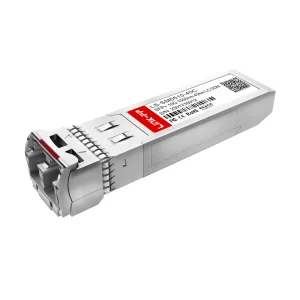
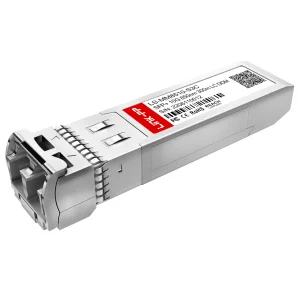
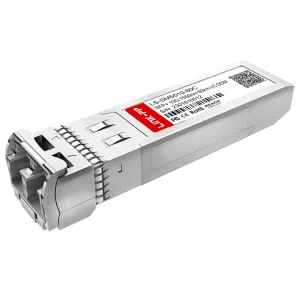
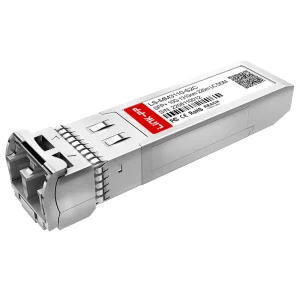
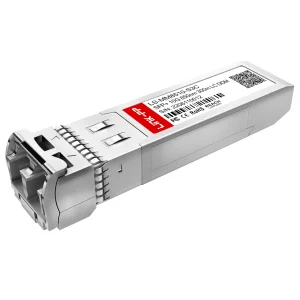
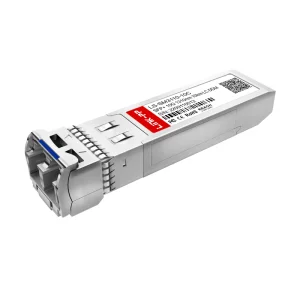
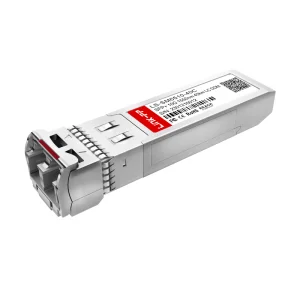
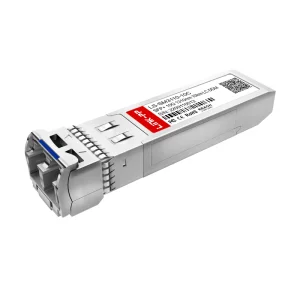
While 10G SFP+ modules have long been the staple for standard enterprise Ethernet switching and server access ports, storage area networks (SAN) require higher data integrity and lower latency. This is where 16G Fibre Channel SFP+ transceivers step in. Working at line rates of 14.025 Gb/s, 16G SFP+ modules backward-comply with 8G and 4G storage networks, facilitating seamless upgrades in critical backup and database facilities.
Whether deploying high-speed links over Multi-Mode Fiber (MMF) via VCSEL lasers or establishing long-distance communication over Single Mode Fiber (SMF) via DFB/EML technology, understanding your transmission baseline is crucial for minimizing link attenuation and packet drops.
Modern telecommunication operations rely heavily on diagnostics. The integration of DOM (SFF-8472) allows system administrators to monitor real-time parameters of the SFP+ module, including:
A comprehensive view of our operational scale, manufacturing metrics, and quality philosophy.
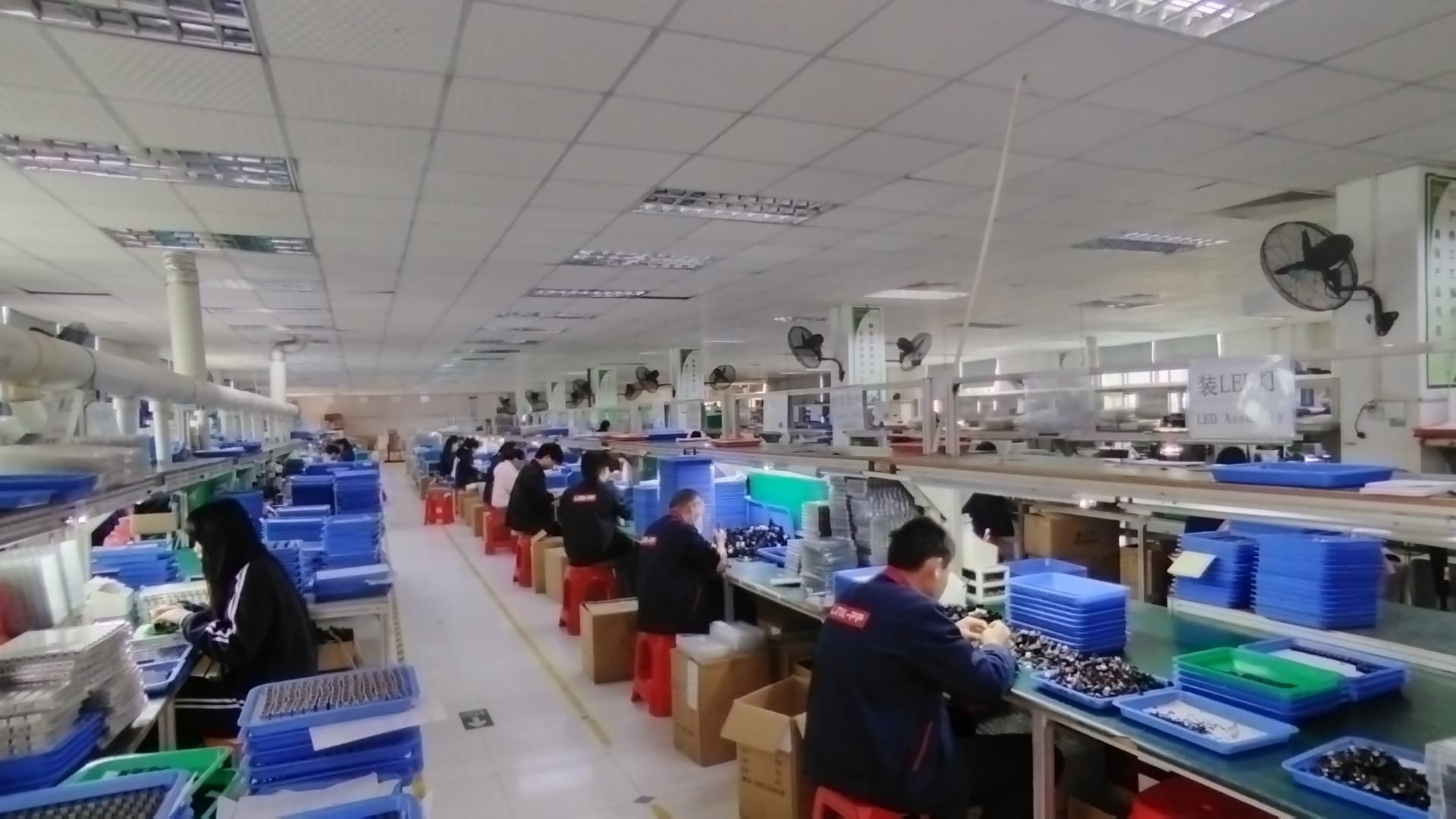
Xelivor Optoelectronics Co., Ltd. is a leading manufacturer of high-reliability optical transceivers and advanced fiber connectivity solutions. Serving data centers, telecom operators, enterprise networks, and cloud providers globally, we maintain a strict focus on manufacturing quality and technology innovation. Our state-of-the-art manufacturing facility covers 386 m² and operates under rigorous ISO9001 quality guidelines.
With more than 8 years of production experience and 6 years of international trade operations, we understand the specific interoperability problems faced by network engineers. In the last fiscal year alone, our R&D group successfully developed and rolled out over 85 new transceivers, ensuring our clients stay ahead in the transition toward high-density, low-power interconnect networks.
Quality assurance is not a secondary process at Xelivor; it is our primary driver. Backed by 32 professional quality inspectors, our multi-stage testing covers:


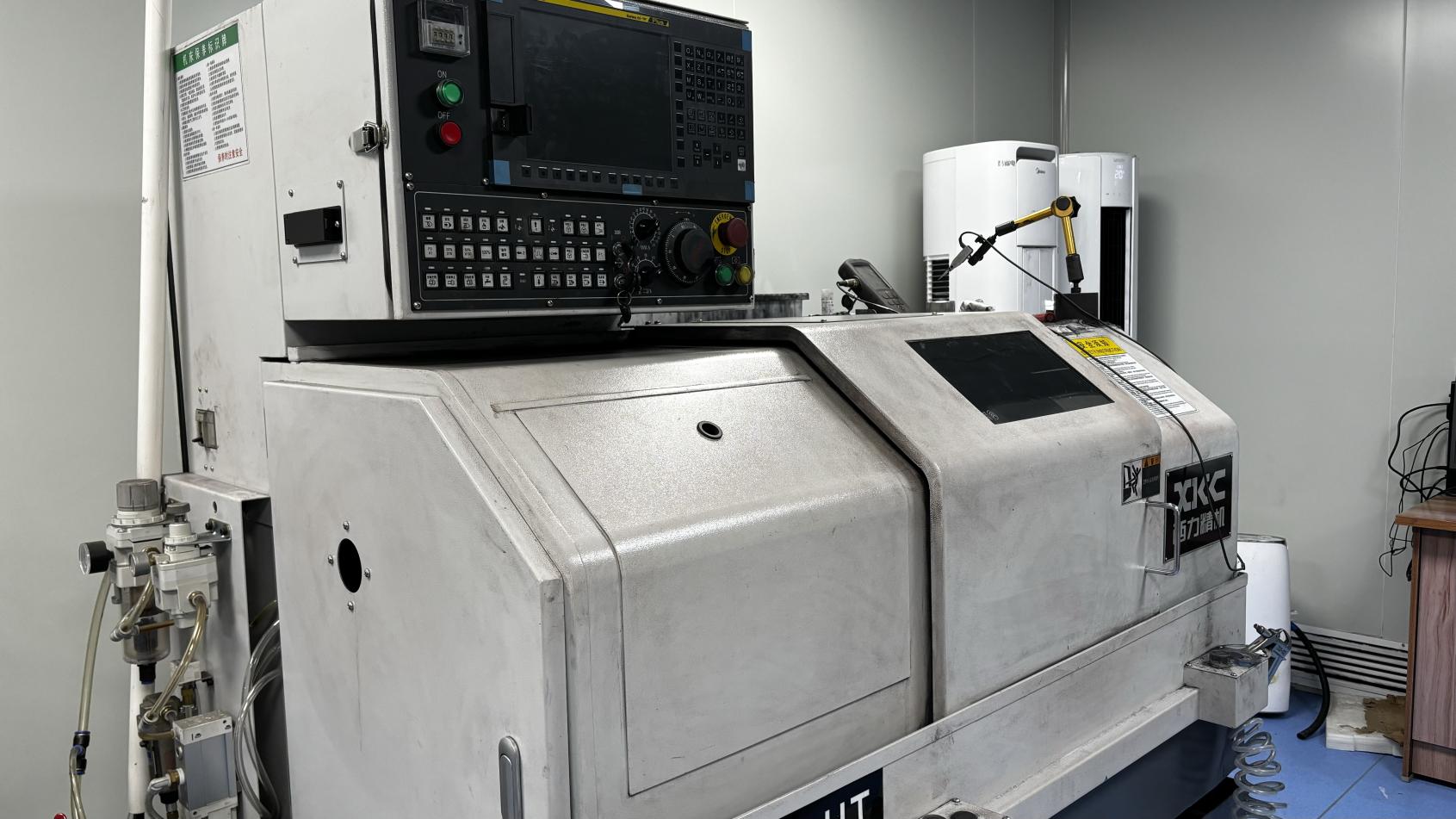
Adapting 10G/16G SFP+ technology to meet demanding physical and topological constraints worldwide.
Standard commercial SFP+ modules operate from 0°C to 70°C. In localized applications such as outdoor power stations, smart grid control centers, and rail transportation, operating temperatures fluctuate wildly. Xelivor's Industrial Grade SFP+ modules are designed to withstand -40°C to 85°C, using hardened components and specialized heat-spreader designs to guarantee continuous operation without thermal shutdown.
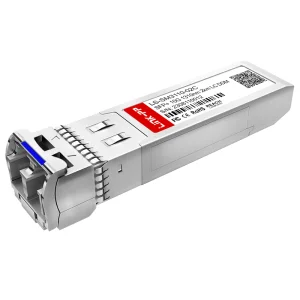
For localization contexts in global financial hubs (New York, London, Tokyo), latency is measured in fractions of nanoseconds. Our optimized 10GBASE-SR short-reach modules utilize direct-modulation vertical-cavity surface-emitting lasers (VCSELs) coupled with high-efficiency photodetectors to ensure absolute minimum latency profiles, avoiding any signal re-timing delays within the physical layer.
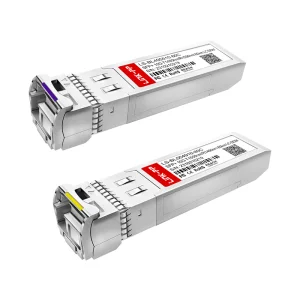
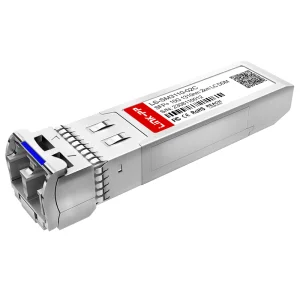
In dense metropolitan setups where laying new fiber is financially prohibitive, system integrators rely on BiDirectional (BiDi) 10G modules. By utilizing Wavelength Division Multiplexing (WDM) (typically 1270nm and 1330nm), optical signals can transmit and receive simultaneously on a single strand of fiber, effectively doubling the fiber capacity of existing localized telecom conduits.
The progression of standard optical interconnects to higher speed limits and energy efficiency frameworks.
While 10G SFP+ and 16G SFP+ remain the workhorses for edge distribution and enterprise server access, the migration path is clear. The advancement of high-definition streaming, AI-model training, and 5G packet cores requires the integration of 25G SFP28 and 100G QSFP28 modules. At Xelivor, our product roadmap is designed to support backward compatibility. Our 25G ports can run at 10G rates, facilitating a phased architecture upgrade without having to rip and replace existing fiber cabling.
As transmission speeds scale up, traditional discrete packaging approaches face physical limitations in thermal management and signal attenuation. Our ongoing R&D focus is centered on Silicon Photonics (SiPh), which integrates complex optical circuits on silicon substrates. This reduces power consumption per gigabit by up to 30%, lowers the physical footprint, and ensures reliable alignment in harsh vibration-heavy environments.
Data centers are major consumers of electric power. The modern SFP+ module needs to operate within strict power budgets. Through the implementation of low-voltage DSP chips and highly efficient optical transmitters, Xelivor's latest 10G SFP+ modules operate at less than 1.0W per port (typically around 0.8W). This reduced thermal dissipation lowers the active cooling demands of host switches, resulting in significant operational expenditure (OPEX) savings over thousands of active ports.
Why sourcing from Xelivor Optoelectronics delivers unbeatable lead times, quality control, and cost advantages.
Xelivor's production center in China benefits from proximity to key optical components. From high-stability TO-can lasers to premium optical lenses and ceramic ferrules, all vital components are sourced from partners within a two-hour logistics circle. This reduces the risk of global logistics bottlenecks and maintains reliable access to materials.
We leverage advanced automation machinery for crucial alignment processes, including optical coupling, wire bonding, and automated visual inspections. Automation ensures sub-micron accuracy, which is essential for maintaining consistent performance in Single Mode optical connections. Automation also minimizes assembly errors, delivering a consistent performance profile across large production batches.
Standard distributors offer fixed solutions. At Xelivor, we write customized EEPROM microcode to ensure multi-vendor compatibility. If you need a transceiver that registers as Cisco compatible on Port 1 and Juniper compatible on Port 2, our programming team can deliver custom solutions within 48 hours, backed by customized labeling, packaging, and branding services.
Ensuring cross-border compliance, high compatibility levels, and engineering support for our international clients.
Navigating global regulatory frameworks requires deep commitment. Xelivor transceivers comply with major international certifications, ensuring they can be imported and deployed without legal or environmental risks. Our certifications include:
One of the main challenges in deploying optical transceivers is brand lock-in. OEM manufacturers program their equipment to reject third-party modules. Xelivor resolves this by maintaining a comprehensive matrix of EEPROM configuration files. We test and code our transceivers for compatibility with:
Direct replacements for major switch brands, delivering identical performance at an optimized cost structure.
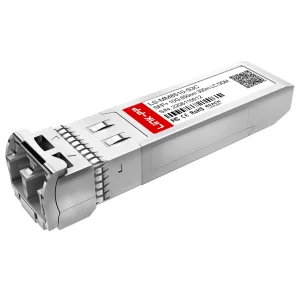
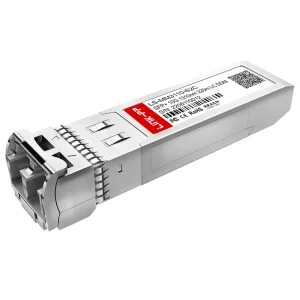
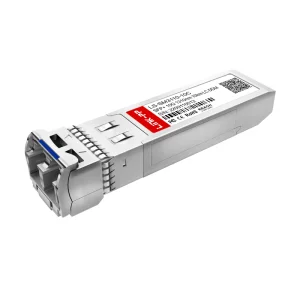
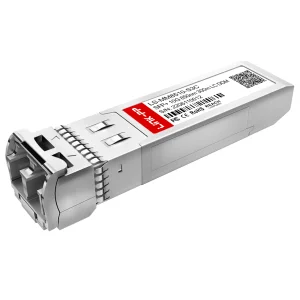
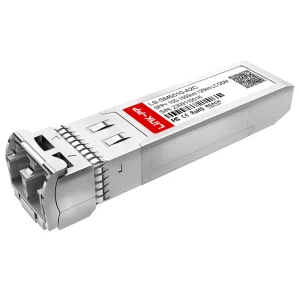
Addressing core integration, physics, and ordering challenges in professional optical networking.