Xelivor
Xelivor
Xelivor
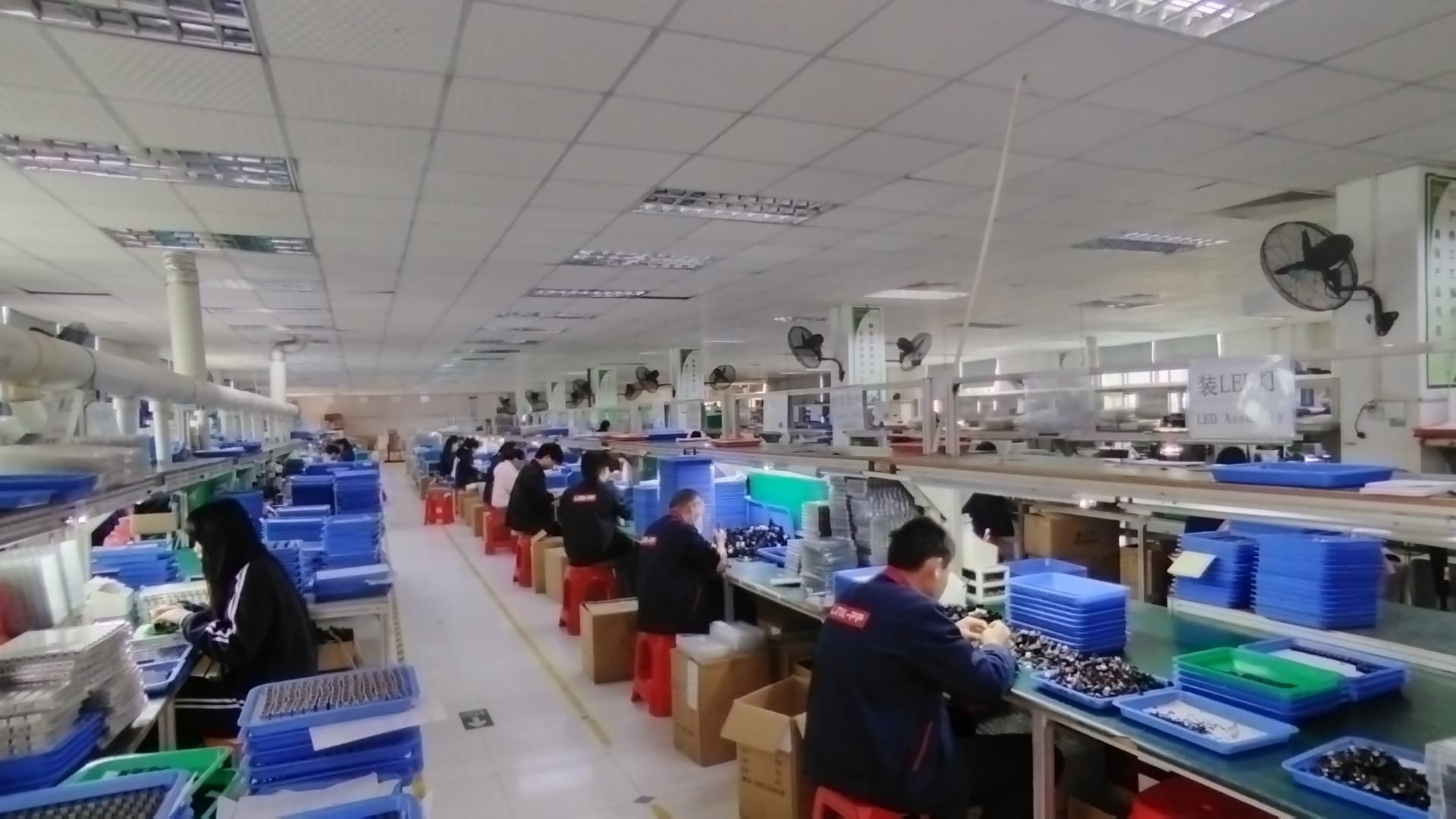
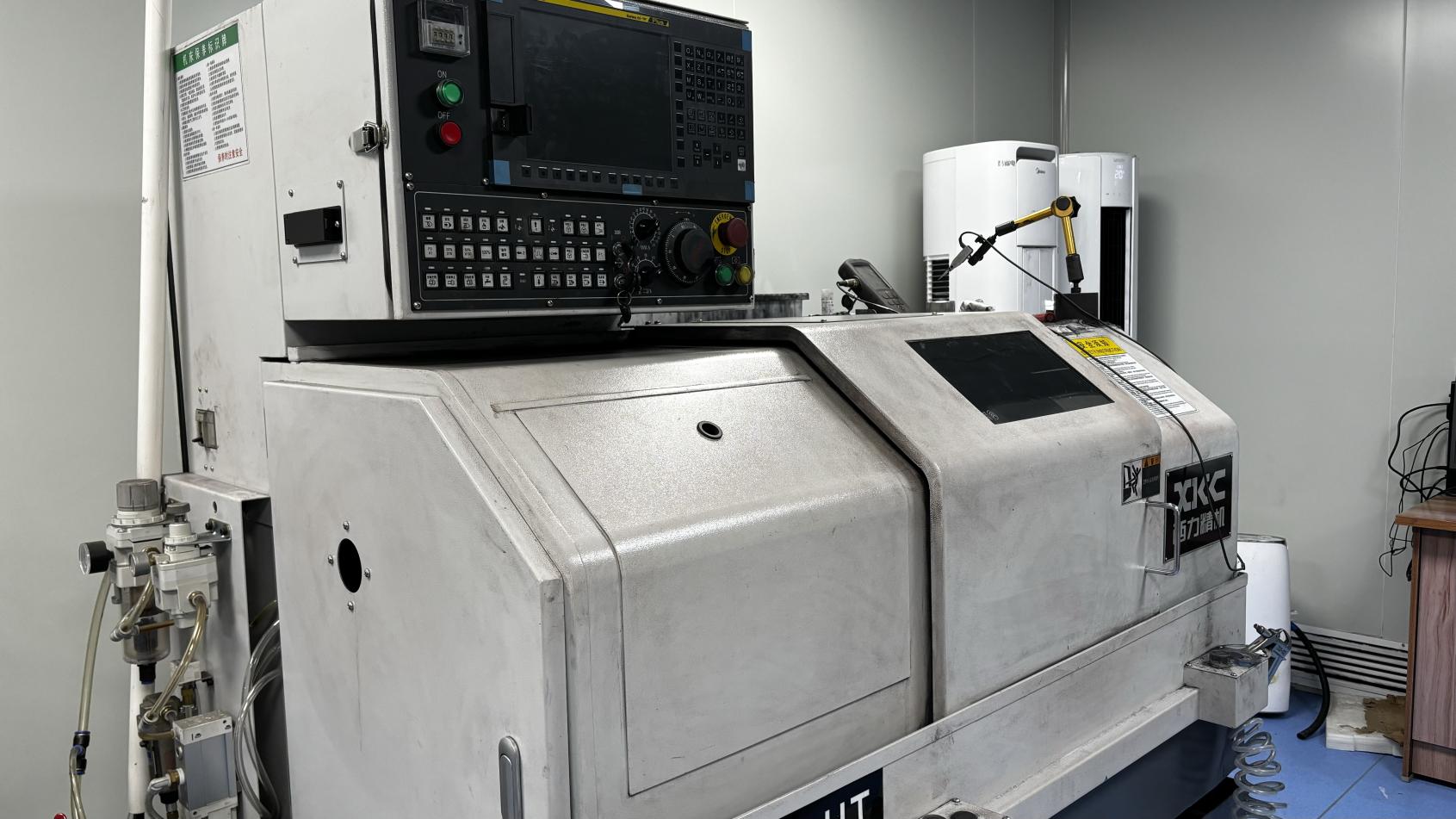
Xelivor Optoelectronics Co., Ltd. is a professional manufacturer of optical transceivers and fiber connectivity solutions, dedicated to serving global data center, telecom, enterprise network, and cloud computing industries. Established in 2016, the company operates from a modern manufacturing facility covering 386 m² and has built a strong reputation for delivering reliable, high-performance optical communication products worldwide.
With over 8 years of industry experience and 6 years of export experience, Xelivor has achieved annual export revenues exceeding USD 12 million. Our products are exported to customers across North America, Europe, Southeast Asia, the Middle East, and South America, supporting a wide range of networking applications from enterprise infrastructure to hyperscale data centers.
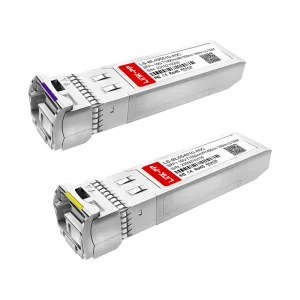
Xelivor specializes in the design, development, and production of optical transceivers, including SFP, SFP+, SFP28, QSFP28, QSFP-DD, OSFP, DAC, and AOC solutions. Backed by a dedicated R&D team of 68 engineers, the company continuously invests in innovation and launched more than 85 new products in the past year to meet the evolving demands of high-speed optical networks.
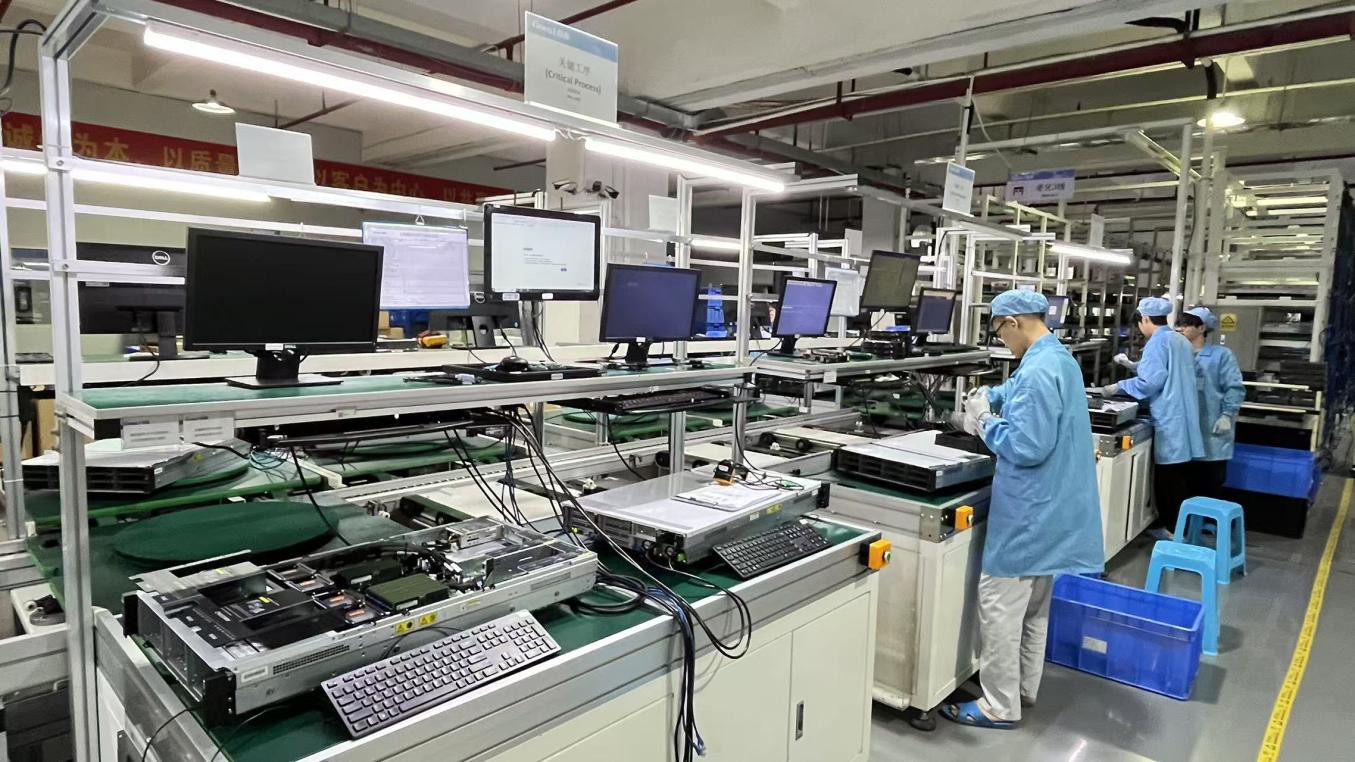
Quality is at the core of our operations. Our quality management system incorporates incoming material inspection, in-process quality control, aging tests, compatibility verification, optical parameter testing, and final product inspection. A professional quality assurance team of 32 inspectors ensures every product meets strict international standards before shipment. The company maintains long-term cooperation with more than 850 supply chain partners, enabling stable sourcing, efficient production, and rapid delivery capabilities.
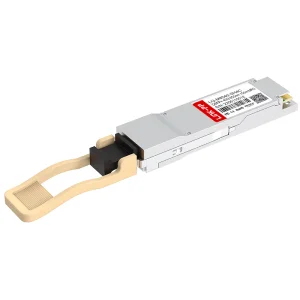
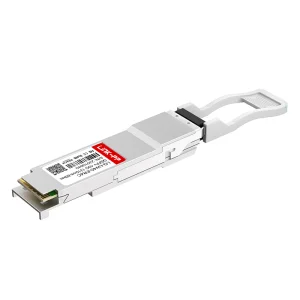
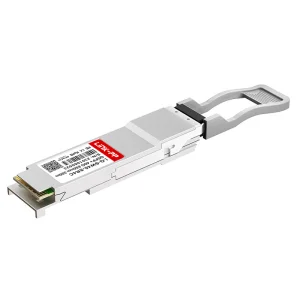
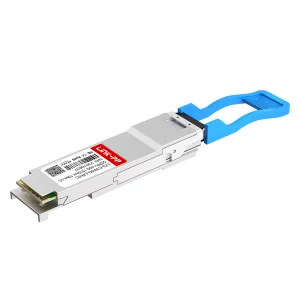
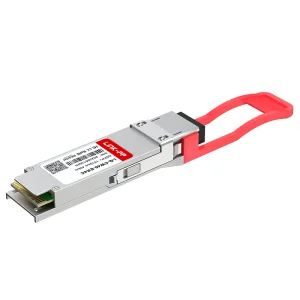
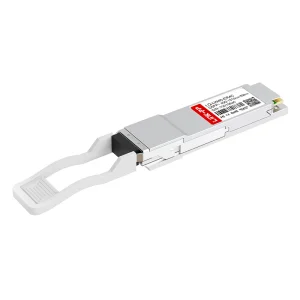
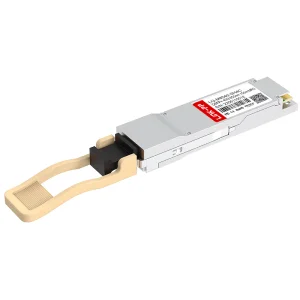
As corporate IT ecosystems rapidly scale, optical technology has advanced from legacy 10G SFP+ to 40G QSFP+ and ultimately towards 100G/400G and 800G platforms. However, 40G QSFP+ (Quad Small Form-Factor Pluggable Plus) remains an essential technology in contemporary enterprise infrastructures, distributed clouds, and regional telecom nodes. It acts as a bridge, allowing network managers to upgrade capacity dynamically without fully restructuring existing fiber infrastructure.
By leveraging four distinct transmit and receive channels, 40G QSFP+ modules deliver up to four times the performance of standard 10G SFP+ connectors. Historically, migrating to higher speeds required complex, expensive overhauls. Today, 40G QSFP+ transceivers present a mature, cost-efficient compromise. This stability makes the QSFP+ standard the design of choice for high-volume network deployment, avoiding the premium pricing of early-stage 100G/400G optics.
By combining 4 independent lanes of 10 Gbps signals, QSFP+ modules achieve 40 Gbps throughput over a single interface, significantly reducing panel footprint and increasing port density.
Strict adherence to MSA (Multi-Source Agreement) guidelines guarantees compatibility across platforms including Cisco, Juniper, Arista, Dell, and HPE, preventing brand lock-in.
40G transceivers are highly cost-effective, providing an optimal balance of cost per Gigabit and deployment complexity for enterprise distribution layers.
Understanding which transceiver to choose requires analyzing the medium, reach, and wavelength. Whether you are running short-reach multimode fiber (MMF) inside a single rack, or single-mode fiber (SMF) across a municipal area, there is a specialized 40G QSFP+ variant designed for the task. Below is a breakdown of the primary industry classifications.
| Module Type | Wavelength (nm) | Fiber Type | Max Link Distance | Connector Type | Core Application |
|---|---|---|---|---|---|
| 40GBASE-SR4 | 850 nm | MMF (OM3/OM4) | 100m / 150m | MPO-12 | Intra-rack, switch-to-switch stacking |
| 40GBASE-LR4 | 1271, 1291, 1311, 1331 nm (CWDM) | SMF | 10 km | LC Duplex | Inter-building campus links, core aggregation |
| 40GBASE-ER4 | 1271, 1291, 1311, 1331 nm (CWDM) | SMF | 40 km | LC Duplex | Long-haul enterprise networks, metro rings |
| 40GBASE-ZR4 | 1271, 1291, 1311, 1331 nm (CWDM) | SMF | 80 km | LC Duplex | Extended backhaul, telecom infrastructure |
| 40GBASE-SR BiDi | 850, 900 nm | MMF (OM3/OM4) | 100m / 150m | LC Duplex | Direct upgrade from 10G to 40G over existing MMF |
Short-reach transceivers (like the 40GBASE-SR4) leverage parallel optics, using an MPO/MTP-12 connector to transmit data across four separate fibers and receive across another four. Long-reach modules (such as the 40GBASE-LR4 and ER4) rely on Coarse Wavelength Division Multiplexing (CWDM). Inside the transceiver, four electrical signals are converted into four distinct optical wavelengths, multiplexed onto a single single-mode fiber line, and split back out at the destination. This reduces fiber consumption, lowering leasing fees for long-distance runs.
For system integrators, telecom operators, and wholesale purchasing directors, buying optical transceivers is about more than just finding the lowest price. It requires a balanced evaluation of supply chain stability, multi-vendor interoperability, customized firmware capabilities, and compliance with local laws. This is where Xelivor’s manufacturing and R&D capabilities provide a significant market advantage.

Hardware failures in core network layers can lead to costly downtime. To prevent this, Xelivor enforces rigorous QA procedures that far exceed typical manufacturing minimums. Each batch undergoes multi-stage inspections, including:
Additionally, Xelivor's robust network of 850+ supply partners guarantees consistent access to premium raw components, shielding clients from sudden component shortages and pricing spikes.
Modern data networks must balance legacy hardware investments with the push for higher bandwidth. Xelivor’s 40G QSFP+ transceivers support high-density configurations across a variety of enterprise and industrial environments:
Within large-scale data environments, 40G QSFP+ modules connect Leaf-and-Spine network layers. They aggregate downstream 10G server links, optimizing traffic flow and minimizing processing delays.
For municipal carrier networks, 40GBASE-ZR4 and ER4 transceivers link distant nodes up to 80 km without optical amplification, lowering operation costs across metropolitan regions.
Connecting separate buildings within corporate parks demands reliable 10 km reaches. 40GBASE-LR4 modules provide the high bandwidth required for high-definition video, cloud apps, and local file storage.
Sourcing networking hardware from overseas can sometimes introduce risks regarding quality control, local certifications, and shipping delays. At Xelivor, we address these challenges through strict compliance and comprehensive support:
Our engineering and production lines adhere to major global certifications. Xelivor products conform to RoHS, CE, FCC, and FDA/CDRH laser safety standards. By maintaining these high benchmarks, we protect our clients from regulatory issues, customs bottlenecks, and performance liabilities.
We provide comprehensive customization, including tailored EEPROM coding, customized packaging, laser etching, and private labeling. Whether you require specific compatibility codes for legacy switches or custom labeling, our 68-member R&D team can design and deliver the exact solution you need.
While 40G QSFP+ remains highly relevant for legacy networks, the industry continues to move toward faster speeds. When planning multi-year infrastructure cycles, procurement managers must design network nodes that accommodate future technologies without requiring complete system redesigns.
Xelivor's manufacturing facility is designed for this future. We design our 40G platforms with the same technology principles used in our 100G (QSFP28), 200G, 400G (QSFP-DD), and 800G (OSFP) products. By matching high-speed transceivers, active optical cables (AOCs), and direct attach copper (DAC) systems, we help our partners scale up their data centers smoothly as demand increases.