Xelivor Xelivor

How to Choose the Right SFP Transceiver for Your Network?

Time:2026-06-29 Author:Sophia
0%

Selecting the right SFP transceiver for your network is crucial. According to industry expert Dr. Emily Chen, “A well-chosen SFP transceiver enhances network efficiency and performance.” The choice can significantly influence data transmission speed and reliability.

SFP transceivers come in various types, each designed for specific applications. Knowing your network's specific requirements is essential. Factors include distance, data rate, and compatibility with existing hardware. Ignoring these details can lead to performance issues.

Many network administrators feel overwhelmed by choices. The vast number of options can be daunting. It's easy to make decisions based on cost rather than performance. This could result in suboptimal network functionality. In the end, investing time in understanding SFP transceivers pays off. Proper selection leads to a more resilient, efficient network.
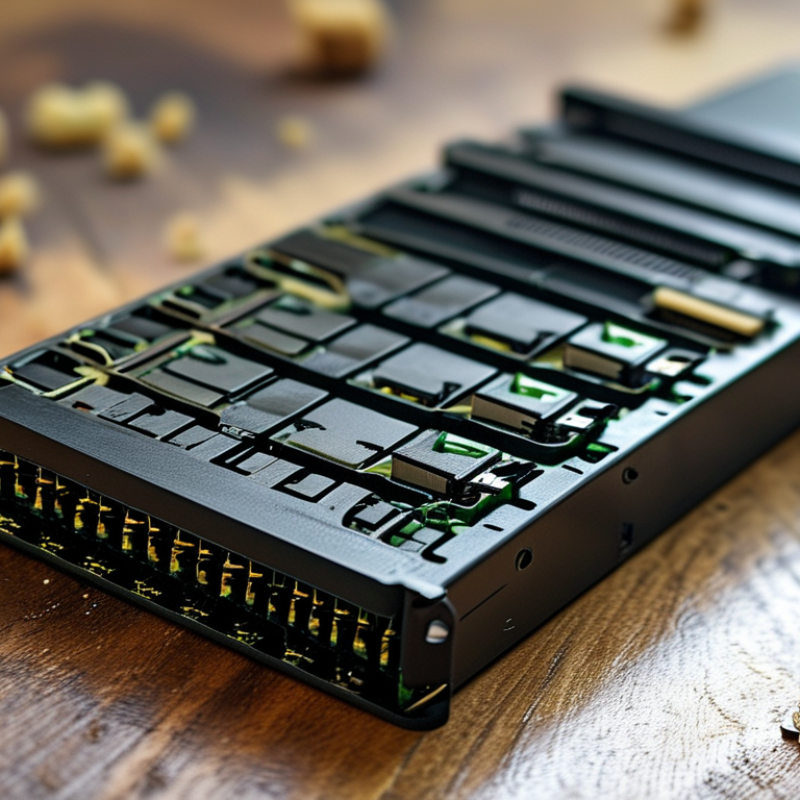
How to Choose the Right SFP Transceiver for Your Network?

Understanding the Basics of SFP Transceivers and Their Functions

SFP transceivers play a critical role in network connectivity. They facilitate the transmission of data through optical or electrical signals. Understanding their functions is essential for choosing the right one. A study from MarketsandMarkets predicts the global SFP transceiver market will reach $5.5 billion by 2026. This growth reflects the increasing demand for high-speed data transfer in various sectors.

When selecting SFP transceivers, consider distance and data rate requirements. With ranges from a few hundred meters to over 100 kilometers, choices vary widely. The data rate can also differ, typically ranging from 1 Gbps to 100 Gbps. However, not all options are suitable for every network type. In some cases, a higher data rate might not improve performance if the infrastructure cannot support it, leading to potential inefficiencies.

Another factor to evaluate is the compatibility with existing infrastructure. Different manufacturers have different standards and protocols. A mismatch might hinder performance and lead to connectivity issues. Research indicates that around 30% of networking problems stem from compatibility errors in transceiver selection. Being aware of these details can guide you to choose the right SFP transceiver, eliminating unnecessary errors.

Key Factors to Consider When Selecting an SFP Transceiver

When selecting an SFP transceiver for your network, several key factors come into play. First, consider the data rate. Most modern networks operate at speeds of 1 Gbps to 10 Gbps. According to industry reports, nearly 75% of enterprises prioritize higher data transfer rates in their equipment choices. A mismatch could lead to significant bottlenecks.


The transmission distance is equally critical. Transceivers are designed for short-range or long-range applications. Research indicates that 60% of networks now require at least 10 km reach for fiber connections. Ensure you assess your infrastructure needs before making a selection. This distance can impact signal integrity, so choosing the right type is essential.


Lastly, pay attention to the compatibility with existing equipment. Not all transceivers support every network device. This has been a common issue, leading to wasted resources. The proper technical specifications matter greatly. Lack of compatibility can cause delays and frustration in deployment. It’s vital to consult product documentation carefully or seek expert advice to avoid these pitfalls.

Compatibility: Ensuring Your SFP Works with Your Network Equipment

When selecting an SFP transceiver, compatibility is crucial. Various network equipment require different specifications. A mismatch can lead to performance issues or device failure. According to a 2021 industry report, nearly 30% of network issues stem from incompatible components. This statistic highlights the importance of ensuring your SFP transceiver aligns with your existing infrastructure.

Check the equipment data sheets for supported transceiver models. Different devices often have specific requirements based on protocols and interfaces. For instance, some may only support multimode fibers, while others are optimized for single-mode connections. Ensure to review the distance and data rate requirements as well.

Many opt for generic SFPs to save costs, but these might create unforeseen problems. Some studies indicate that nearly 20% of organizations experience increased downtime using non-certified products. Testing and certification can help mitigate risks and maintain network integrity. Compatibility is not just a checkbox; it’s integral to operational reliability.

Performance Metrics: Evaluating Data Rate and Distance Requirements

Choosing the right SFP transceiver for your network involves understanding essential performance metrics, particularly data rate and distance requirements. Data rate determines how quickly data can transmit. Options range from 1 Gbps to 100 Gbps. Consider your network's capacity. A mismatch can lead to bottlenecks.

Distance requirements are also crucial. Different transceivers cover various ranges, from short distances of a few hundred meters to long distances over 80 kilometers. Opt for multimode fiber for shorter distances and single-mode for longer ones.

Tip: Always verify the compatibility of transceivers with your existing hardware. Not all transceivers work with every device. Misalignment can cause connectivity issues.

Consider the environment. If your installation site has interference, choose transceivers designed for such conditions. It's vital to reflect on future needs as well. What may seem adequate now could fall short later. Adapting to growth can save costs down the road.

How to Choose the Right SFP Transceiver for Your Network? - Performance Metrics: Evaluating Data Rate and Distance Requirements

Transceiver Type Data Rate (Gbps) Distance (km) Wavelength (nm) Connector Type
SFP-1G-LX 1 10 1310 LC
SFP-1G-SX 1 550 850 LC
SFP-10G-LR 10 10 1310 LC
SFP-10G-SR 10 300 850 LC
SFP-25G-LR 25 10 1310 LR
SFP-100G-CWDM4 100 2 1310 LC

Types of SFP Transceivers: Comparing Options for Different Applications

When selecting an SFP transceiver, understanding the various types available is crucial. SFP, or Small Form-factor Pluggable, transceivers come in different models suited for specific applications. Common types include Gigabit Ethernet, Fiber Channel, and CWDM. Each type has unique characteristics that impact performance.

For short-range applications, multimode fiber transceivers are often sufficient. They are cost-effective but have limitations in distance. On the other hand, single-mode transceivers are ideal for long-range communications. They deliver higher performance over extended distances, making them suitable for enterprise networks.

**Tip:** Always consider future scalability when choosing a transceiver. Think about your network's growth and potential needs. Selecting a versatile option is beneficial.

Not all SFP transceivers are equally reliable. Variability in specifications can lead to incompatibilities. Research is essential to understand the differences. Sometimes, cheaper options may compromise quality.

**Tip:** Check compatibility with existing hardware. It's worth confirming before making a purchase. Focus on the specifications closely. Ensure a perfect match for your setup. Understand that not every solution will fit every scenario.

Types of SFP Transceivers: Data Rate Comparison

FAQS

: Why is compatibility important when selecting an SFP transceiver?

: Compatibility ensures performance and prevents device failure. Mismatches can lead to network issues.

What issues can arise from using generic SFPs?

Generic SFPs may create unforeseen problems. Studies show they can increase downtime for organizations.

How can I check the compatibility of an SFP with my equipment?

Review the equipment data sheets for supported transceiver models and specifications.

What are the key performance metrics to consider for SFP transceivers?

Focus on data rate and distance requirements. They impact how quickly and far data can transmit.

What data rates do SFP transceivers typically offer?

Data rates range from 1 Gbps to 100 Gbps. Ensure it matches your network’s capacity.

How does distance influence SFP transceiver selection?

Different transceivers cover ranges from a few hundred meters to over 80 kilometers. Match it with your needs.

Should I consider future growth when selecting an SFP transceiver?

Yes, planning for future needs can prevent issues down the line. Requirements may change as networks grow.

How can environmental factors affect SFP selection?

Interference at the installation site can impact performance. Choose transceivers that are designed for such conditions.

Can using the wrong SFP transceiver cause connectivity problems?

Yes, misalignment with your devices can lead to connectivity issues. Always verify compatibility.

What should I reflect on regarding SFP transceivers?

Consider current and future requirements. What works today may not suffice tomorrow. It’s worth pondering.

Conclusion

When choosing the right SFP transceiver for your network, it's essential to understand the basics of these components and their functions. SFP transceivers facilitate the conversion of electrical signals to optical signals and vice versa, allowing for efficient data transmission. Key factors to consider include compatibility with existing network equipment, ensuring the SFP transceiver works seamlessly within your infrastructure.

Performance metrics such as data rate and distance are crucial in evaluating which SFP transceiver will meet your network's specific needs. Additionally, different types of SFP transceivers are available, each designed for various applications, from short-distance connections to long-haul communications. By carefully assessing these factors, you can select the most suitable SFP transceiver to enhance your network's performance and reliability.

Sophia

Sophia

Sophia is a dedicated marketing professional with an exceptional depth of knowledge about her company's products and services. With a keen understanding of market trends and customer needs, she crafts insightful blog posts that not only inform but also engage readers, enriching the company’s online......