Xelivor
In today's fast-paced digital landscape, selecting the right 800G optical transceiver is crucial for network performance. As data demands increase, so does the need for high-speed connectivity. The right transceiver can significantly enhance bandwidth and reduce latency, ensuring seamless communication across networks.
When considering an 800G optical transceiver, understanding various factors is essential. First, assess compatibility with existing infrastructure. Next, consider the type of applications it will support. Not all transceivers are created equal; some excel in specific environments. Exploring the manufacturer’s reputation can provide insights into product quality.
One must also evaluate whether the chosen solution aligns with future growth. With technology evolving rapidly, adaptability is key. Making an informed decision is not always straightforward. Research and expert consultations can minimize risks. Emphasizing these aspects will create a solid foundation to find an ideal 800G optical transceiver.
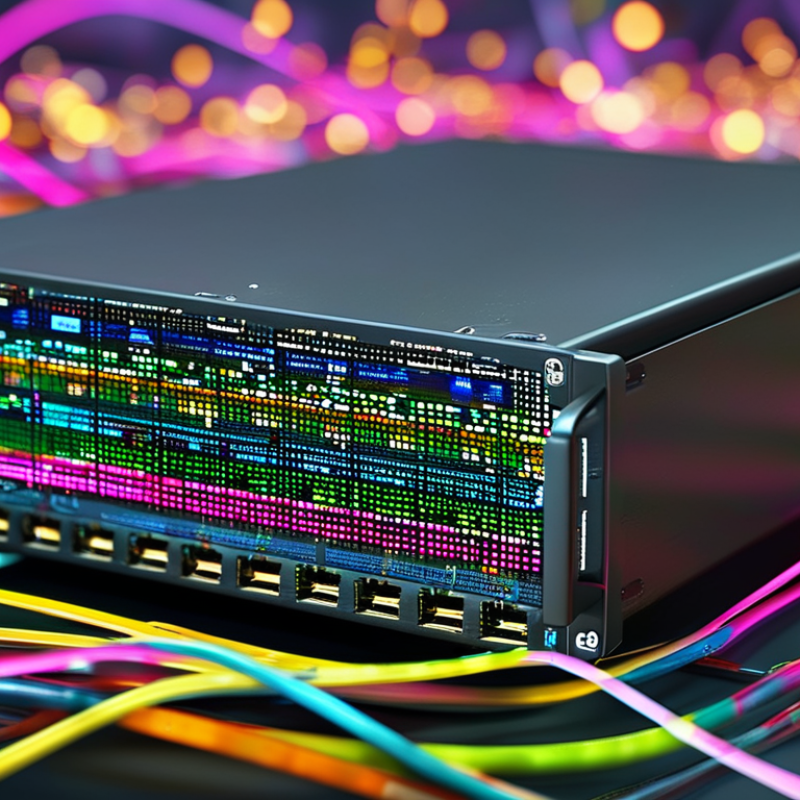
When considering 800G optical transceivers, it's crucial to understand their significance in modern networking. These components enable rapid data transmission, enhancing bandwidth and efficiency. As networks grow, the demand for higher speeds increases. The ability to handle vast amounts of data without latency is essential for sectors like cloud computing and data centers.
Choosing the right transceiver involves various factors. Look at compatibility with existing infrastructure; not all transceivers work seamlessly together. Assess the transmission range, as some may excel over long distances while others perform better locally. Evaluating power consumption is also vital; more energy-efficient models can reduce costs in the long run.
However, it’s important to note that not every solution fits every situation. Overestimating network needs can lead to unnecessary expenditures. Conversely, underestimating can cause system failures or bottlenecks. Each choice should align with specific operational goals. Balancing performance, reliability, and cost-effectiveness remains a continual challenge.
When selecting an 800G optical transceiver, understanding key specifications is crucial. Various factors influence performance and compatibility. Start with the transmission distance. Optical transceivers often vary in this regard, and the right choice can significantly impact overall network efficiency. Reports indicate that specific models can reach distances up to 500 meters with enhanced performance.
Another critical aspect is the wavelength. Most 800G transceivers operate at wavelengths of around 850nm and 1310nm. This specification affects not only performance but also your network's energy consumption. Some studies suggest wavelength diversity can improve bandwidth efficiency. However, mismatches between wavelengths can lead to substantial losses.
When considering form factors, think about space and infrastructure. Common formats include QSFP-DD and OSFP. These choices can complicate installation if your current setup isn’t compatible. Furthermore, check for power consumption ratings. Efficiency can vary widely, impacting your operational costs. Experts highlight that transceivers with lower power specifications often offer long-term savings.
It's vital to assess your unique needs carefully. Reviews from the field indicate that real-world experiences differ from theoretical specifications. Performance can falter under specific conditions. Always seek reliable data before making a choice, and be open to reassessing decisions based on performance feedback.
Choosing the best 800G optical transceiver requires careful consideration of compatibility with your existing network infrastructure. Evaluating this aspect is essential for ensuring seamless connectivity and optimal performance. Begin by assessing the current hardware in your network. Check the specifications of your routers and switches. Are they capable of supporting an 800G transceiver? If your existing devices are older, there may be limitations.
Also, consider the type of cabling in use. High-speed optical connections often require specific types of fiber-optic cables. Verify if your cabling meets the standards for 800G transmissions. Each network has unique demands. A system designed for lower capacities might struggle under increased loads. Conducting thorough testing can help identify potential bottlenecks before making any purchase.
Compatibility does not only encompass hardware. Pay attention to the software configuration as well. Updates might be necessary to support advanced features of new transceivers. Sometimes, troubleshooting can reveal unexpected conflicts. Documenting network performance can provide insights into changes. Recognizing these aspects will support informed decisions when selecting the right transceiver for your setup.
| Tip No. | Tip Description | Compatibility Criteria | Impact on Network |
|---|---|---|---|
| 1 | Check transceiver type (QSFP-DD, OSFP) | Make sure it matches your current deployment | Ensures seamless integration and performance |
| 2 | Evaluate optical reach and link budget | Determine distance requirements for data transmission | Prevents signal loss and ensures reliability |
| 3 | Consider power consumption and heat generation | Ensure compatibility with cooling systems | Minimizes operational costs and optimizes efficiency |
| 4 | Review support for various protocols | Check for compatibility with existing network protocols | Enhances overall system functionality |
| 5 | Look for warranty and support options | Evaluate manufacturer support and service terms | Provides peace of mind and reliable support |
When selecting an 800G optical transceiver, power consumption and thermal management are critical factors. The industry must address increasing energy demands as data transmission speeds rise. Reports indicate that optical transceivers can consume between 10 to 30 watts. This wide range highlights the need for careful assessment to ensure efficiency.
Power consumption peaks during high data loads. Therefore, evaluating how a transceiver manages heat is vital. Overheating can lead to performance drops, reduced lifespan, and increased energy costs. A well-designed thermal management system will enable stable operation and maintain efficiency with consistent temperatures. Heat dissipation methods like heat sinks or active cooling are worth considering.
Tip: Look for transceivers with low thermal resistance. This design allows better heat dispersion, ensuring reliable performance. Analyzing thermal characteristics in data sheets is crucial. Consider options that also feature built-in diagnostics for monitoring power levels and heat output.
Selecting the right 800G optical transceiver demands careful scrutiny of power consumption and thermal management. Balancing energy efficiency with high-speed performance can significantly impact operational costs and system longevity. Careful evaluation can prevent unforeseen complications in network reliability.
When choosing an 800G optical transceiver, analyzing cost-effectiveness and return on investment is crucial. Begin by assessing your current and future bandwidth needs. Often, the cheapest option may not provide the best long-term value. For example, an inexpensive transceiver might lead to increased network traffic and operational downtime.
Evaluate the total cost of ownership. This includes not just the purchase price but also maintenance, compatibility, and energy consumption. Investing in a higher quality transceiver can reduce operational costs over time. Consider the scalability of your choice; will it suit future expansions?
Additionally, make sure you understand the performance specifications. Look for reliable manufacturers that provide clear metrics. While reliability is essential, the actual performance of a transceiver can sometimes be overhyped. Testing can be revealing; sometimes, what appears optimal on paper falls short in practical application. Balancing cost with quality is a complex task, but it can lead to significant benefits in the long run.
: They enable rapid data transmission, enhancing bandwidth and efficiency for modern networks.
Consider compatibility, transmission range, and power consumption to find the best fit for your needs.
It significantly impacts network efficiency. Some models perform better over longer distances than others.
Most operate at around 850nm and 1310nm, affecting both performance and energy consumption.
Power needs can range from 10 to 30 watts, making energy efficiency critical for long-term savings.
Proper thermal management prevents overheating, which can lead to performance drops and increased costs.
Yes, mismatches can lead to substantial data losses and lower overall performance.
Common formats include QSFP-DD and OSFP, but compatibility with existing setups is vital.
Analyze power consumption ratings and look for designs with low thermal resistance for better heat dissipation.
Real-world performance may vary from specifications, so feedback and adjustments may be necessary for reliability.
Choosing the best 800G optical transceiver is crucial for enhancing network performance and ensuring future scalability. Understanding the importance of these transceivers starts with recognizing their ability to handle higher bandwidth requirements, which is essential for modern data centers and telecommunication networks. When making a selection, key specifications such as data rates, form factors, and transmission distance must be evaluated to ensure the transceiver fits the specific application.
Furthermore, it’s important to assess compatibility with existing network infrastructure to avoid integration issues. Considering power consumption and thermal management is essential for maintaining operational efficiency and reducing long-term costs. Ultimately, analyzing cost-effectiveness and potential return on investment helps in making well-informed decisions, ensuring that the chosen 800G optical transceiver aligns with both current needs and future growth.
