Xelivor Xelivor

Top 10 Optical Transceivers Buyers Need to Know?

Time:2026-06-23 Author:Charlotte
0%

In today's rapidly evolving digital landscape, understanding optical transceivers is crucial for any buyer. These devices play a vital role in data transmission over fiber optic networks. They convert electrical signals into optical signals and vice versa, ensuring efficient communication between different parts of a network.

Navigating the optical transceiver market can be daunting. With a wide variety of products available, selecting the right one requires careful consideration. Buyers should be familiar with terms such as wavelength, distance, and data rate. Each specification influences performance and compatibility with existing systems. It's essential to choose a transceiver that aligns with your network's needs.

Moreover, caution is necessary. Not all optical transceivers meet the same quality standards. Some may not perform reliably under specific conditions. Buyers must seek trusted manufacturers. It’s wise to read reviews and verify the credibility of suppliers. As technology advances, staying informed about trends in optical transceiver development is equally important. This ensures you make well-informed decisions in this competitive market.
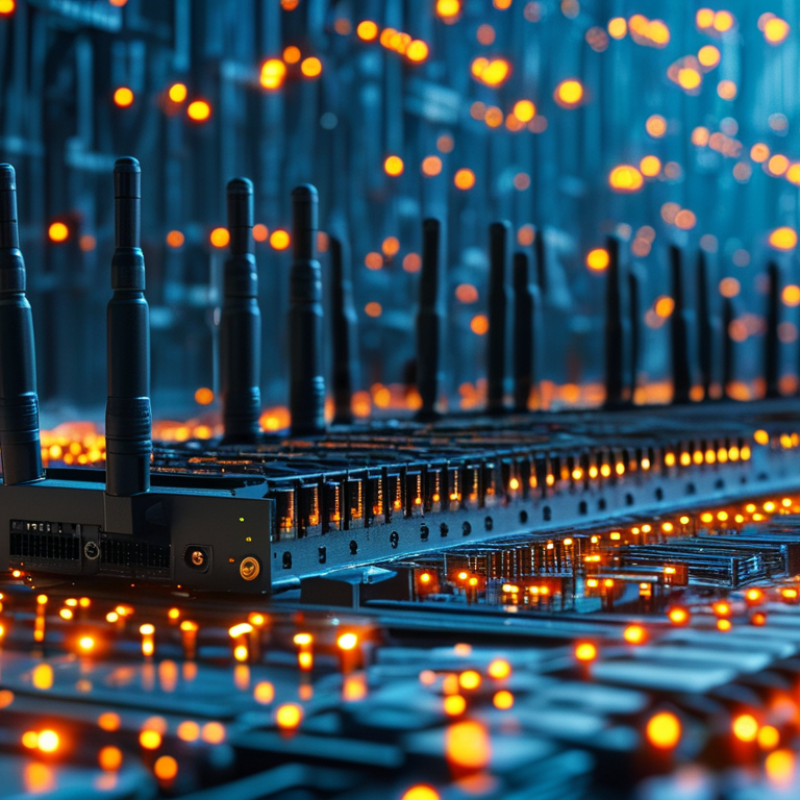
Top 10 Optical Transceivers Buyers Need to Know?

Top 10 Optical Transceivers: Key Specifications to Evaluate

When evaluating optical transceivers, several key specifications are crucial. First, consider the data rate. Higher rates, such as 100G and beyond, are essential for modern applications. Additionally, check the wavelength. Common options include 850nm, 1310nm, and 1550nm, which influence transmission distance and signal quality.

Another important specification is the connector type. Different connections, like LC and MPO, affect installation and compatibility. Always assess the reach requirement. This varies depending on whether you’re operating within a data center or across city distances.

Tips:
When choosing transceivers, compatibility with existing infrastructure is vital. Some connectors might not fit your current setup.

Don’t overlook power consumption. Some models consume more energy, affecting overall operating costs. Be prepared for trade-offs in performance and efficiency.

Always reflect on the future needs of your network. Technology evolves, and choosing scalable solutions can save time and costs later.

Understanding Different Types of Optical Transceivers in the Market

In today's fast-paced digital world, understanding the different types of optical transceivers is crucial. The market offers various options, including SFP, SFP+, QSFP, and CFP modules. These components play a vital role in enabling high-speed data transmission in networks. According to industry reports, the global optical transceiver market is projected to reach $7 billion by 2025, indicating a significant growth rate.

SFP modules are among the most widely used due to their compact size and versatility. They support data rates of up to 1 Gbps. On the other hand, SFP+ provides enhanced performance, reaching up to 10 Gbps. For higher bandwidth requirements, QSFP modules can handle up to 40 Gbps and even 100 Gbps in some cases. These numbers reflect the industry's shift toward greater efficiency and speed, yet the choice of transceiver still poses challenges. Buyers must consider factors such as compatibility and transmission distances.

Another area of concern is the purchasing decision. Not all vendors are reliable, leading to potential issues with quality and performance. Industry experts suggest that 30% of transceivers purchased online may not meet the expected standards. It's essential to research thoroughly and seek trusted suppliers to avoid pitfalls. Understanding these various types of optical transceivers ensures better decision-making for buyers in an ever-evolving market.

Top 10 Optical Transceivers: Understanding the Different Types

The Importance of Data Rates: Industry Standards Explained

Data rates play a crucial role in the performance of optical transceivers. Higher data rates enable faster data transmission, which is vital for meeting modern communication needs. According to a report by the International Telecommunication Union, the demand for data transmission is expected to grow at a staggering rate of 25% each year. Understanding industry standards is essential. Standards such as 100G, 200G, and even 400G have set benchmarks for performance.


Different applications require different data rates. For example, data centers demand high-speed transceivers to manage cloud computing requirements. According to a recent survey by the Optical Internetworking Forum, over 60% of data centers now utilize 100G optics. This switch to higher rates demonstrates how industry standards dictate technology adoption. Variables such as distance and cost also affect buyers' decisions. Transceivers must balance performance with budget constraints, which can be a complicated aspect.


Furthermore, engineers often face challenges with compatibility across multiple systems. Not all transceivers may support the latest standards, leading to potential issues. Estimating total cost of ownership can be tricky. Factors such as energy consumption and maintenance costs can lead to unforeseen expenses. The continuous evolution of standards means that buyers must stay informed and adaptable. This is key for ensuring long-term investment reliability.

Evaluating Compatibility: Matching Transceivers with Network Infrastructure

When selecting optical transceivers, compatibility with existing network infrastructure is crucial. Transceivers must align with the connectors, cabling types, and protocols already in use. This means that buyers should thoroughly assess their current setup before making a purchase. A mismatch can lead to underperformance or complete failure in connectivity.

Different environments require specific types of transceivers. For instance, long-distance communication often necessitates specialized modules. Some buyers tend to overlook the environmental factors. Heat, humidity, and dust can affect performance. Therefore, choosing a transceiver designed for those conditions is essential. Regular assessments of the network can reveal areas for improvement. They often help in identifying outdated components that could be replaced for enhancing overall efficiency.

It’s also essential to consider future scalability. As networks grow, the ability to upgrade or expand becomes vital. Selecting transceivers that cater to current and future needs ensures a more sustainable investment. Buyers often find themselves revisiting their initial choices. Reflecting on these decisions can lead to more informed purchases in the future, fostering a resilient network infrastructure that meets ongoing demands.

Cost Analysis: Budgeting for High-Quality Optical Transceivers

The cost of high-quality optical transceivers can vary significantly based on several factors. According to the latest industry reports, organizations should expect to budget anywhere from $100 to $300 per unit for reliable transceivers. These prices reflect the performance and range capabilities required for specific applications. For example, long-range transceivers incur higher costs due to advanced technology. It is crucial to evaluate the intended use before making a purchase.

Investing in quality can yield better performance and reduced operational costs. A report by Lux Research indicates that cheaper transceivers often lead to higher failure rates. Moreover, they may necessitate frequent replacements, driving up long-term expenses. It’s essential to consider both upfront and ongoing costs. Maintenance needs can also add to the total budget, often overlooked during initial planning. Companies must balance upfront savings with potential future expenses when choosing transceivers.

Optical transceivers are vital components in network infrastructures. Their reliability influences overall system performance. Yet, acquiring top-notch models requires a thoughtful financial strategy. Some businesses may impulsively choose budget options, which might seem attractive. However, this often results in hidden costs that undermine overall efficiency. A clear understanding of cost implications is necessary to make informed purchasing decisions.

Top 10 Optical Transceivers Buyers Need to Know - Cost Analysis

Transceiver Type Data Rate (Gbps) Wavelength (nm) Max Distance (km) Average Cost (USD)
SFP+ 10 850 300 40
SFP28 25 850 70 80
QSFP+ 40 850 150 120
QSFP28 100 1310 10 300
QSFP-DD 200 850 100 600
CFP 100 1550 80 500
DWDM SFP+ 10 1550 120 150
BiDi SFP 1 1310/1490 20 30
AOC (Active Optical Cable) 10 850 100 50

FAQS

: Why are data rates important in optical transceivers?

: Data rates enable faster transmission, crucial for modern communication needs. Higher rates enhance performance significantly.

What are common data rates used in the industry?

Common standards include 100G, 200G, and 400G. These benchmarks guide technology adoption and performance expectations.

How does the environment affect transceiver performance?

Heat, humidity, and dust can hinder transceiver function. Choosing models suited for specific conditions improves reliability.

What should buyers consider regarding compatibility?

Transceivers must match existing connectors, cabling, and protocols. A mismatch can cause underperformance or failure.

How can future scalability influence transceiver selection?

Buyers should consider future network growth. Selecting scalable transceivers supports ongoing demands and investment sustainability.

What factors influence the cost of optical transceivers?

Costs vary based on performance, range, and application needs. High-quality transceivers can range from $100 to $300 each.

How do cheap transceivers affect long-term expenses?

Cheaper options may lead to higher failure rates. Frequent replacements increase overall operational costs over time.

What is often overlooked in budgeting for transceivers?

Maintenance needs and ongoing operational costs can add up. Buyers should factor these into their total budget.

How can regular network assessments help transceiver use?

Assessments reveal outdated components and areas needing improvement. They enhance overall network efficiency.

Why is it important to reflect on purchasing decisions?

Reflecting helps buyers learn from past choices. This practice leads to more informed and effective future purchases.

Conclusion

This article provides an essential guide for buyers looking to navigate the world of optical transceivers. It begins by highlighting the top ten optical transceivers, emphasizing the key specifications that should be evaluated to ensure optimal performance. The discussion includes a breakdown of the different types of optical transceivers available in the market, allowing buyers to understand their varying features and applications.

Furthermore, the article stresses the importance of data rates and industry standards when selecting an optical transceiver, ensuring compatibility with existing network infrastructure. It also includes a cost analysis section, providing insights on budgeting for high-quality optical transceivers. Overall, this guide serves as a comprehensive resource for making informed purchasing decisions in the field of optical communication technology.

Charlotte

Charlotte

Charlotte is a seasoned marketing professional with a deep understanding of the company's portfolio and a passion for elevating its presence in the market. With a keen eye for detail and a commitment to excellence, she ensures that our professional blog is regularly updated with insightful articles......