Xelivor
Xelivor
Xelivor
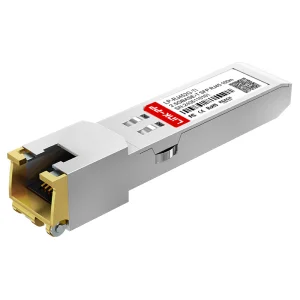
Explore our premium selection of CE-certified components, engineered for low insertion loss, exceptional electromagnetic interference (EMI) protection, and high-speed data transmission.
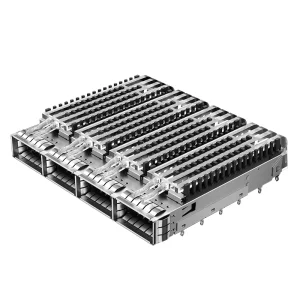
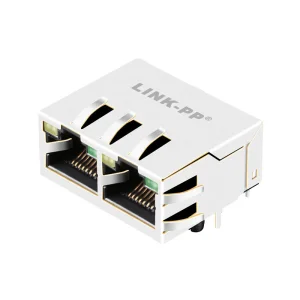
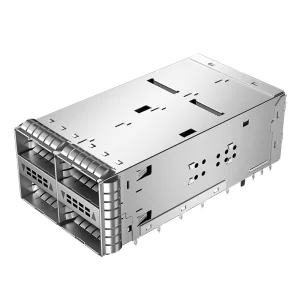
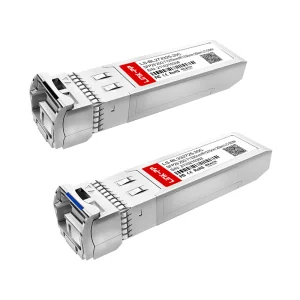
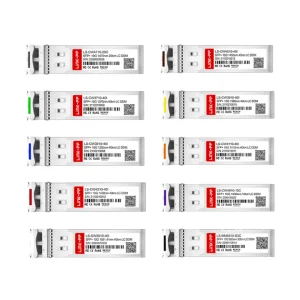
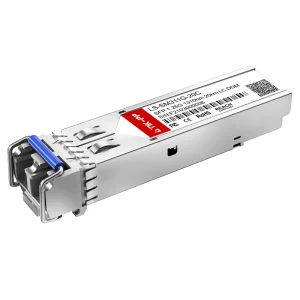
The continuous evolution of network architectures has forced physical-layer connectivity hardware to undergo massive technological shifts. As data centers migrate from 10G to 25G, 40G, and ultimately 800G, components such as CE-certified Ethernet adapters, transceivers, and specialized RJ45 connectors are under greater scrutiny for electrical performance, heat dissipation, and signal integrity.
The deployment of dense edge-computing networks, IoT sensors, and high-frequency trading terminals requires Ethernet adapters that can sustain gigabit and multi-gigabit throughput under fluctuating environmental conditions. Hardware engineers must design physical layers (PHY) that minimize Insertion Loss, Return Loss, and Crosstalk (NEXT/FEXT) while complying with stringent regional standards like the European Union's CE (Conformité Européenne) marking.
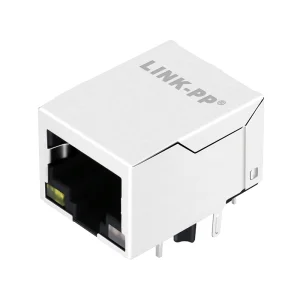
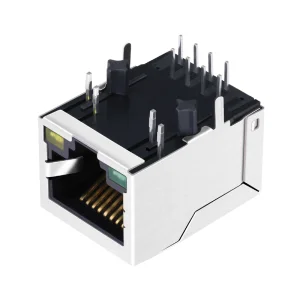
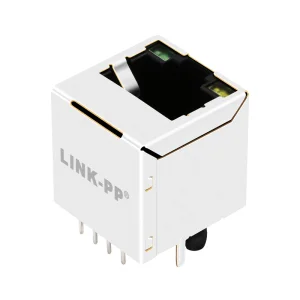
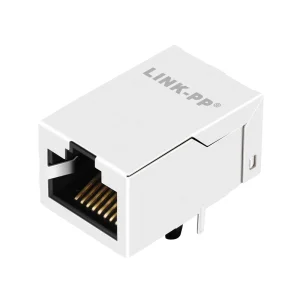
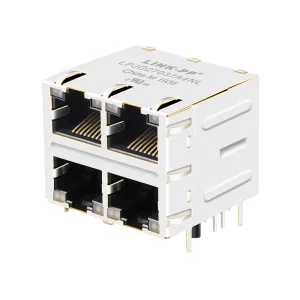
High-frequency Ethernet signals are highly susceptible to Electromagnetic Interference (EMI). To guarantee signal stability, high-performance connectors incorporate multi-layered metal shielding, integrated EMI fingers, and optimized press-fit layouts. These design characteristics prevent high-frequency radiation leakage, ensuring compatibility in tight spaces such as blade servers and network switch cages.
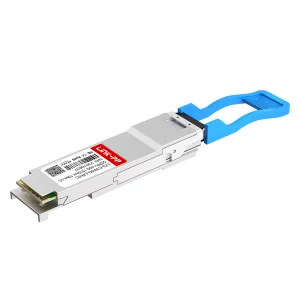
With multi-gigabit transceivers drawing significant power (especially 10GBASE-T copper and 40G QSFP+ modules), thermal dissipation is critical. Incorporating integrated heat sinks, heat pipes, and open airflow cage housings helps keep internal temperatures within operating limits, preventing packet loss and thermal shutdown during peak operations.
As communication channels become more integrated, several major shifts are altering the manufacturing landscape:
For enterprise network operators, telecommunications infrastructure buyers, and system integrators, selecting the right hardware partner is a critical step in project risk management. Regulatory compliance is not a checkbox; it is the cornerstone of system reliability.
The CE marking represents a manufacturer's declaration that a product complies with the safety, health, and environmental protection requirements of all applicable EU directives. In the context of Ethernet adapters and optical transceivers, this involves strict compliance with:
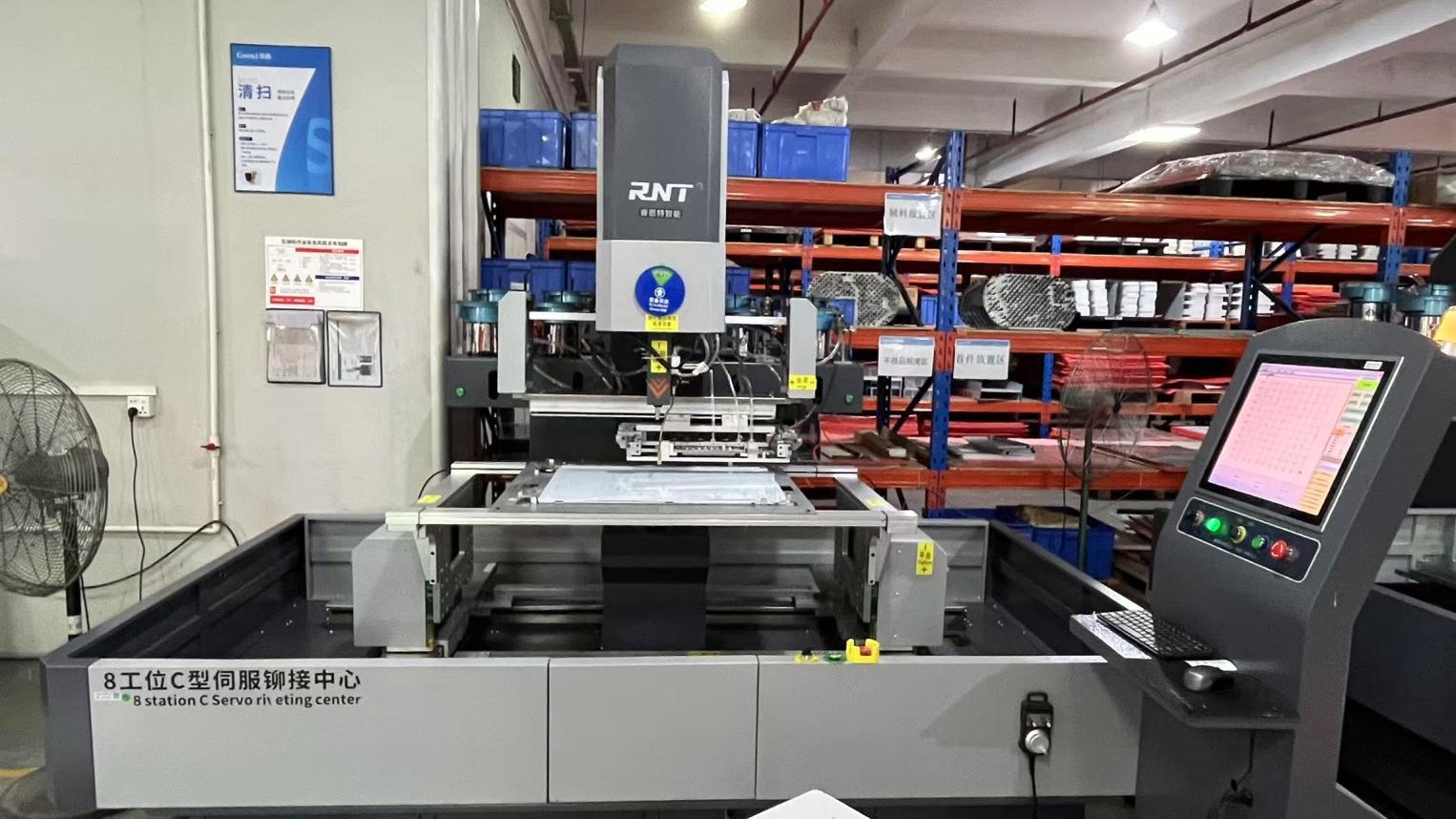
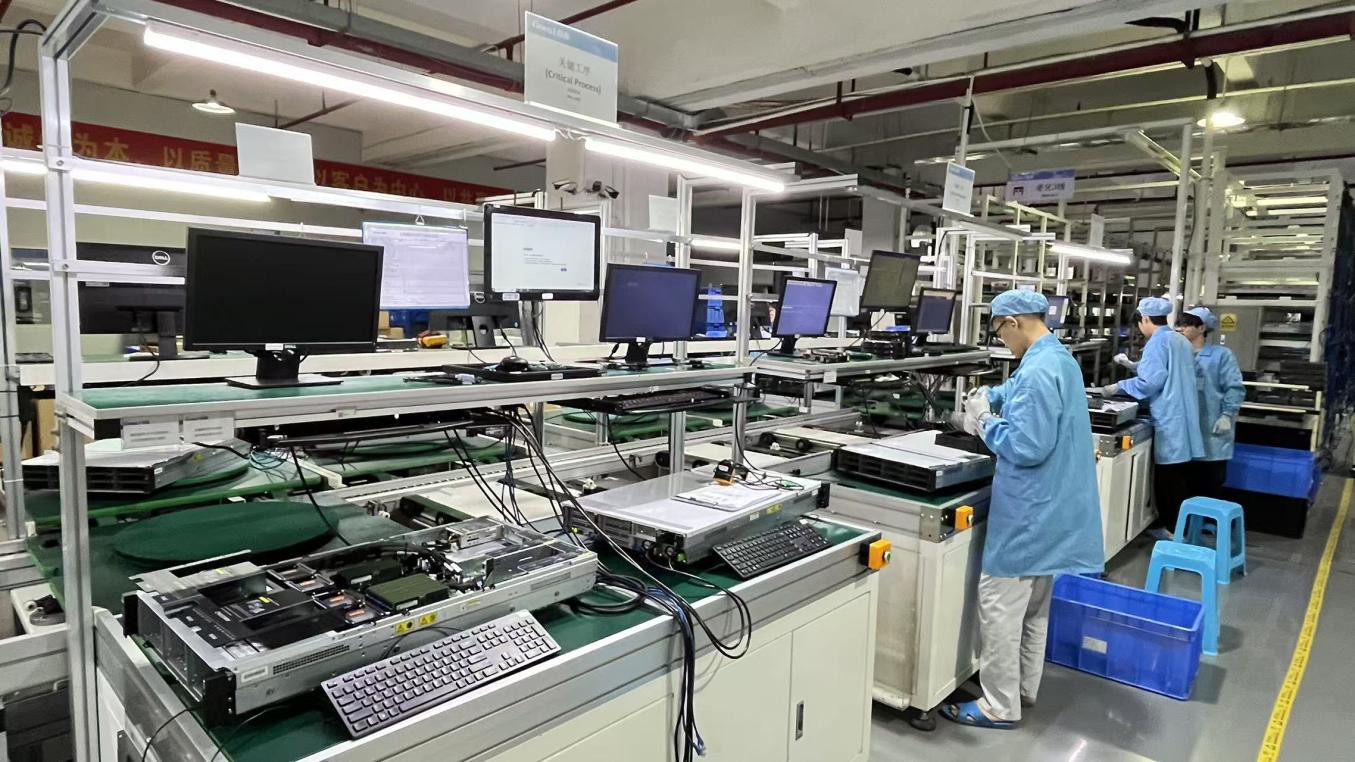
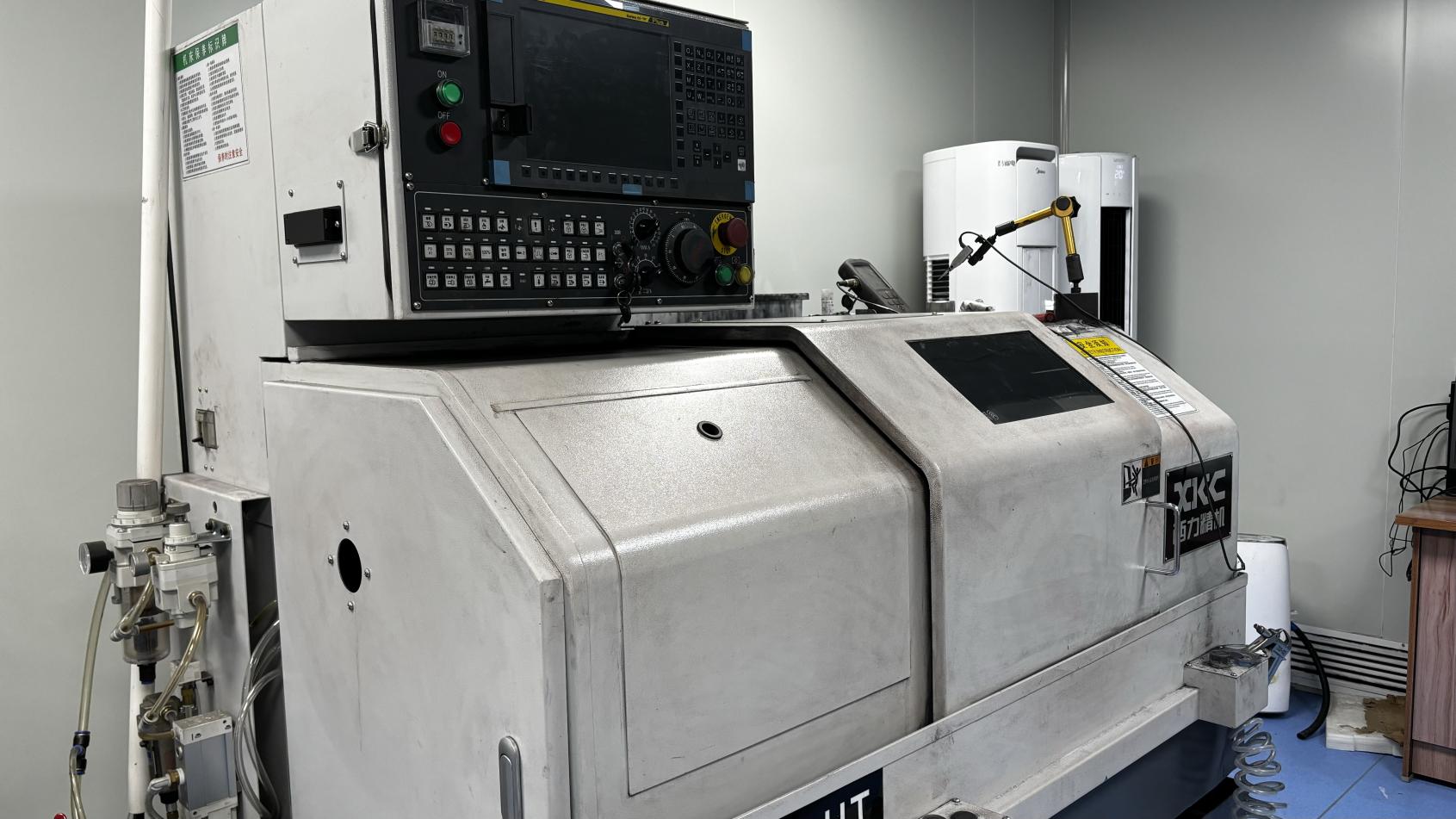
The shift toward automated smart factories has positioned Chinese manufacturers at the forefront of the global electronics industry. At Xelivor Optoelectronics Co., Ltd., our advanced production lines leverage digital automation, precise materials sourcing, and thorough test benches to deliver reliable, high-performance equipment.
Established in 2016, our facility coordinates an integrated supply chain to support enterprise networks, telecommunications equipment, and hyperscale data centers. This combination of structural agility and precision engineering delivers notable advantages:
Backed by an experienced R&D team of 68 engineers, Xelivor continuously updates its product portfolio, launching over 85 new products annually to keep pace with changing market dynamics and emerging transceiver standards.
Our long-term collaboration with more than 850 verified supply chain partners ensures access to raw components and prevents delays. We maintain a reliable supply of connectors, chips, and components even during volatile market cycles.
Our dedicated quality assurance team of 32 inspectors conducts in-depth material audits, in-process monitoring, compatibility verifications, high-temperature aging tests, and final inspections to maintain a high yield rate.
Ethernet hardware functions as the nervous system for modern technology infrastructure. Depending on the environment, these solutions are tailored to meet unique operational stresses.
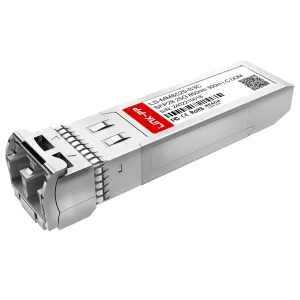
Data centers require high density and low latency. Utilizing 25G SFP28 transceivers, 40G QSFP+, and EMI-shielded multi-port cages allows operators to optimize rack space, ensure signal integrity, and minimize thermal buildup across dense switch arrays.
Industrial environments are characterized by high mechanical vibration, electrical noise, and thermal variation. CE-certified RJ45 connectors with built-in magnetic isolation protect programmable logic controllers (PLCs) and industrial PCs from ground loop issues and high-voltage spikes.
Deploying outdoor base stations and roadside edge-computing units exposes networks to weathering and temperature swings. Our industrial-grade transceivers operate reliably from -40°C to +85°C, ensuring consistent performance for remote telecommunication sites.
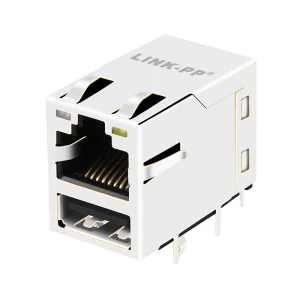
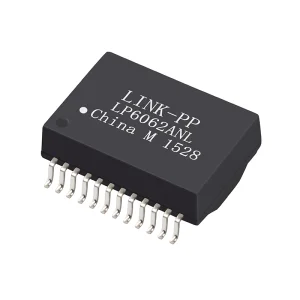
Modern commercial buildings rely on PoE to run IP surveillance cameras, smart lighting, and unified communications. Using integrated PoE+ magnetic modules ensures smooth, simultaneous delivery of gigabit traffic and up to 30W of inline power.
Browse our extensive selection of connectivity products, featuring durable shielding, optimized magnetic designs, and multi-rate performance capabilities.
Xelivor Optoelectronics Co., Ltd. is a professional manufacturer of optical transceivers and fiber connectivity solutions, dedicated to serving global data center, telecom, enterprise network, and cloud computing industries. Established in 2016, the company operates from a modern manufacturing facility covering 386 m² and has built a strong reputation for delivering reliable, high-performance optical communication products worldwide.
With over 8 years of industry experience and 6 years of export experience, Xelivor has achieved annual export revenues exceeding USD 12 million. Our products are exported to customers across North America, Europe, Southeast Asia, the Middle East, and South America, supporting a wide range of networking applications from enterprise infrastructure to hyperscale data centers.
Xelivor specializes in the design, development, and production of optical transceivers, including SFP, SFP+, SFP28, QSFP28, QSFP-DD, OSFP, DAC, and AOC solutions. Backed by a dedicated R&D team of 68 engineers, the company continuously invests in innovation and launched more than 85 new products in the past year to meet the evolving demands of high-speed optical networks.
Quality is at the core of our operations. Our quality management system incorporates incoming material inspection, in-process quality control, aging tests, compatibility verification, optical parameter testing, and final product inspection. A professional quality assurance team of 32 inspectors ensures every product meets strict international standards before shipment.
The company maintains long-term cooperation with more than 850 supply chain partners, enabling stable sourcing, efficient production, and rapid delivery capabilities. Our flexible manufacturing system supports OEM, ODM, private label, customized firmware, customized labeling, and packaging services to satisfy diverse customer requirements.