Xelivor
Xelivor
Xelivor
High-reliability connectivity components compliant with international regulatory standards.
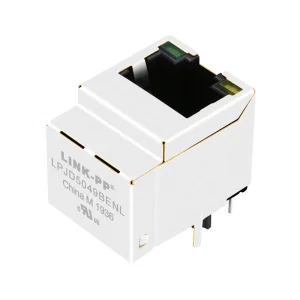
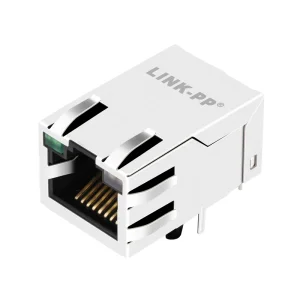
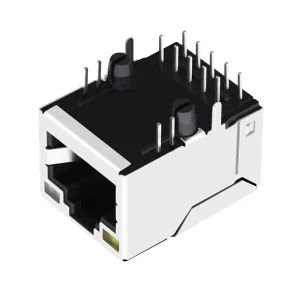
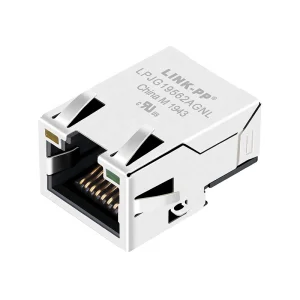
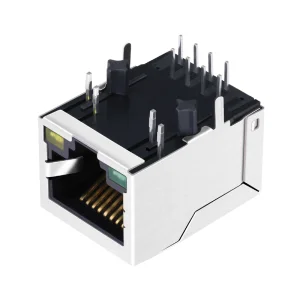
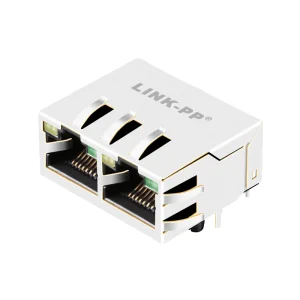
As the cornerstone of modern structured cabling systems, the RJ45 modular jack acts as the vital link between terminal systems and physical copper infrastructure. Globally, the demand for high-performance copper connectivity remains strong, fueled by developments in Power over Ethernet (PoE, PoE+, and PoE++) technology, edge computing deployments, industrial automation, and enterprise networking infrastructures.
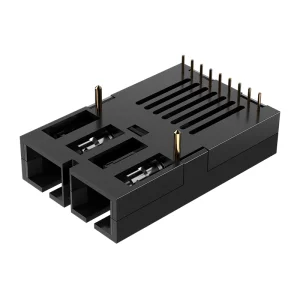
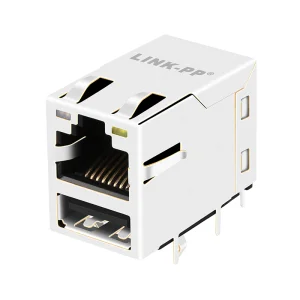
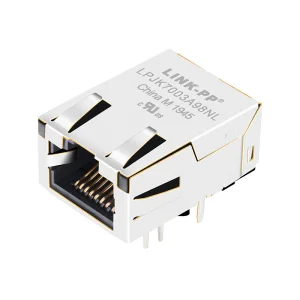
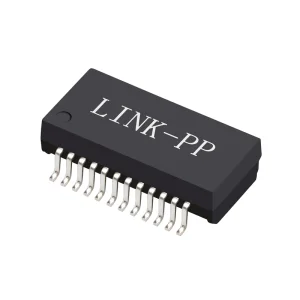
While wireless protocols expand, high-speed data transmission relies on physical interfaces to ensure zero-latency operation, electromagnetic compatibility (EMC), and robust physical connections. From smart manufacturing floors utilizing Industrial Ethernet to ultra-dense server racks requiring Out-of-Band (OOB) management networks, high-spec RJ45 jacks with integrated magnetics—commonly referred to as Integrated Connector Modules (ICMs)—are essential hardware components. They deliver the impedance matching, electrical isolation, and noise suppression required for high-speed transmission.
1. IoT Edge Devices: The increase in smart cameras, building controllers, and terminal points requiring combined power and data connections.
2. High-Power PoE Evolution: The adoption of IEEE 802.3bt Type 4 standards (delivering up to 90W) places stricter physical demands on connector contact pins to resist arcing damage during disconnection under load.
3. Data Center Out-of-Band (OOB) Infrastructure: The continued reliance on robust Gigabit Ethernet links to secure administrative control of core network nodes.
CE Certification serves as a vital declaration of conformity for products entering the European Economic Area (EEA). For electrical components like RJ45 modular jacks, CE compliance indicates conformity with the Low Voltage Directive (LVD) 2014/35/EU, the Electromagnetic Compatibility (EMC) Directive 2014/30/EU, and the RoHS Directive 2011/65/EU.
Uncertified modular jacks present operational and safety risks. Substandard components can lead to insulation breakdown, overheating under high-wattage PoE applications, and EMI emissions that disrupt adjacent circuits. CE-certified RJ45 jacks from certified manufacturers undergo rigorous mechanical and electrical performance tests. This ensures they meet international standards for contact resistance, insulation resistance, dielectric strength, and mechanical durability (tested for at least 750 mating cycles).
| Evaluation Metric | Reference Standard | Standard Specification Target | Engineering Compliance Significance |
|---|---|---|---|
| Contact Resistance | IEC 60512-2-1 | ≤ 20 mΩ (Initial) | Minimizes power loss and heat generation during PoE delivery. |
| Insulation Resistance | IEC 60512-3-1 | ≥ 500 MΩ (500V DC) | Prevents dielectric breakdown and short circuits. |
| Mating Durability | IEC 60603-7 | ≥ 750 insertion cycles | Guarantees long-term connectivity stability and prevents physical degradation. |
| Flammability Rating | UL 94 | V-0 Compliant Housing | Ensures high thermal resistance, safety, and fire retardation. |
Depending on the operating environment and region, procurement requirements for RJ45 modular jacks differ significantly. A qualified manufacturer must understand these varied application scenarios and offer custom configuration services (including OEM, ODM, custom firmware, and custom labeling):
The global dominance of Chinese manufacturing in the networking component sector is supported by integrated supply chain clusters, advanced automation, and refined production engineering. In cities like Shenzhen and Dongguan, manufacturers benefit from localized access to raw materials, including specialized plastics (like liquid crystal polymers) and precision copper alloys, along with high-speed automated gold-plating services.
Modern factories utilize automated assembly systems that integrate pin insertion, shielding enclosure assembly, LED installation, and automated optical inspection (AOI) into a single production flow. This level of automation reduces manual errors, lowers production costs, and ensures consistent quality. By combining this manufacturing efficiency with reliable quality control procedures—including network analyzer test verifications, mechanical stress testing, and reflow soldering simulations—Chinese suppliers deliver cost-effective connectivity components that meet international standards.
Xelivor Optoelectronics Co., Ltd. is a professional manufacturer of optical transceivers and fiber connectivity solutions, dedicated to serving global data center, telecom, enterprise network, and cloud computing industries. Established in 2016, the company operates from a modern manufacturing facility covering 386 m² and has built a strong reputation for delivering reliable, high-performance optical communication products worldwide.
With over 8 years of industry experience and 6 years of export experience, Xelivor has achieved annual export revenues exceeding USD 12 million. Our products are exported to customers across North America, Europe, Southeast Asia, the Middle East, and South America, supporting a wide range of networking applications from enterprise infrastructure to hyperscale data centers.
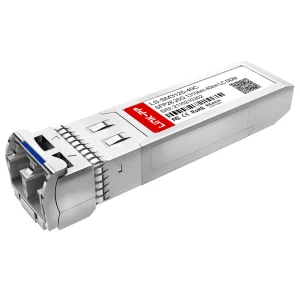
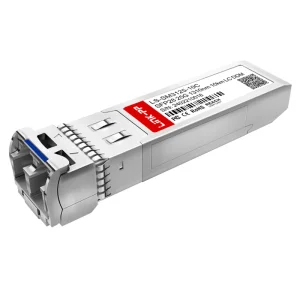
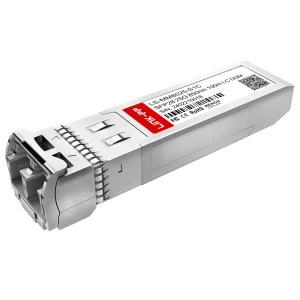
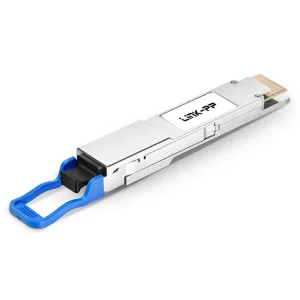
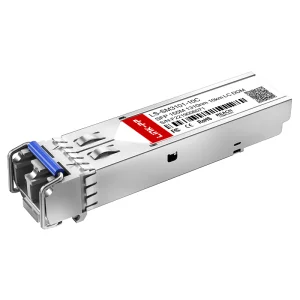
Xelivor specializes in the design, development, and production of optical transceivers, including SFP, SFP+, SFP28, QSFP28, QSFP-DD, OSFP, DAC, and AOC solutions. Backed by a dedicated R&D team of 68 engineers, the company continuously invests in innovation and launched more than 85 new products in the past year to meet the evolving demands of high-speed optical networks.
Quality is at the core of our operations. Our quality management system incorporates incoming material inspection, in-process quality control, aging tests, compatibility verification, optical parameter testing, and final product inspection. A professional quality assurance team of 32 inspectors ensures every product meets strict international standards before shipment.
The company maintains long-term cooperation with more than 850 supply chain partners, enabling stable sourcing, efficient production, and rapid delivery capabilities. Our flexible manufacturing system supports OEM, ODM, private label, customized firmware, customized labeling, and packaging services to satisfy diverse customer requirements.
As a company with strong independent R&D capabilities, advanced testing equipment, and a customer-oriented approach, Xelivor serves distributors, system integrators, telecommunications operators, data center providers, network equipment vendors, and enterprise customers worldwide.
Driven by innovation, quality, and partnership, Xelivor Optoelectronics Co., Ltd. remains committed to providing cost-effective, reliable, and future-ready optical communication solutions for global networking infrastructure.
Incoming inspection, aging tests, compatibility verification, optical parameter testing, and final product inspections led by 32 QA inspectors.
OEM/ODM support, custom firmware, modified labeling, and specialized packaging to meet diverse design specifications.
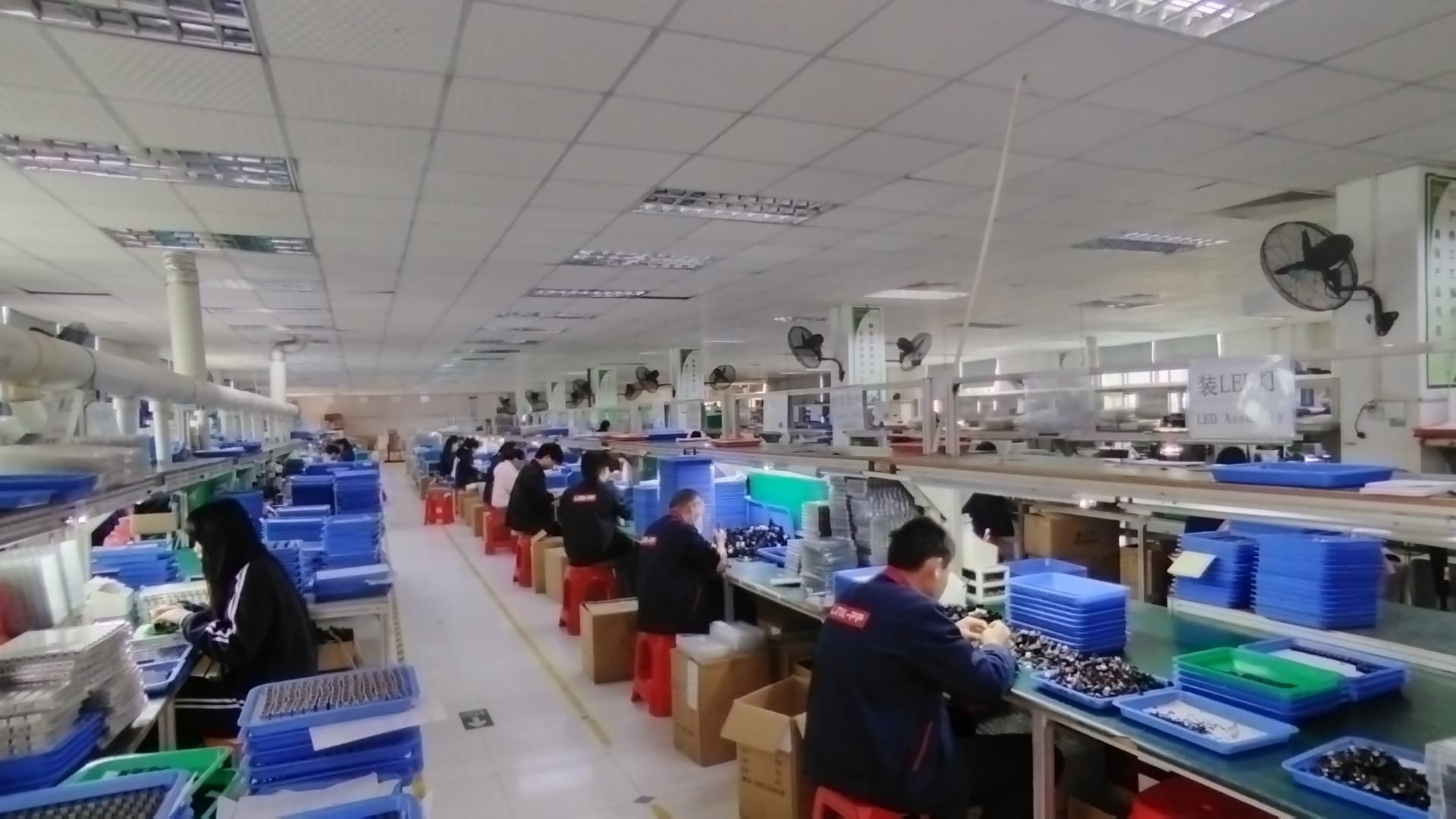


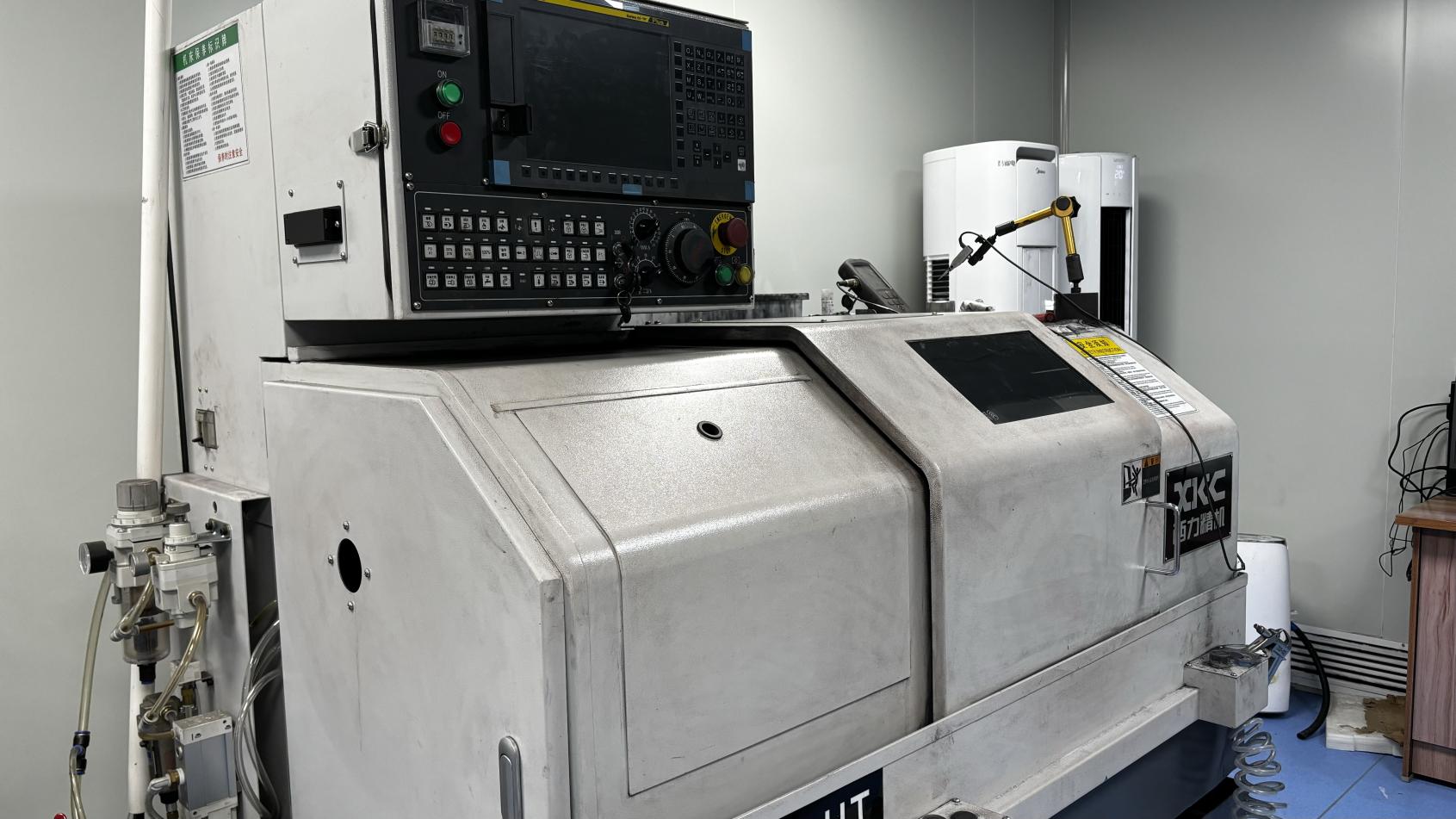
The connectivity landscape continues to adapt to meet the demands of higher bandwidth and reduced latency. The following developments highlight the technological trajectory of Ethernet and optical systems:
To support high-bandwidth copper networks, Category 8 (Cat8) cabling systems are being deployed to handle speeds up to 25GBASE-T and 40GBASE-T over distances of 30 meters. RJ45 jacks for these applications require enhanced internal crosstalk cancellation and high-grade shielding. This prevents Near-End Crosstalk (NEXT) and Far-End Crosstalk (FEXT) in high-density installations.
For industrial automation and automotive applications, Single Pair Ethernet (SPE) is a key trend. By using just one pair of twisted copper wires (instead of four) to deliver data and power (PoDL - Power over Data Lines), SPE reduces weight, space requirements, and system costs. This makes it an ideal choice for connecting field-level sensors and actuators.
Separating the connector jack from isolation transformers on the PCB can introduce electromagnetic noise and consume valuable board space. Integrated Connector Modules (ICMs) consolidate magnetics, filtering capacitors, and the physical jack into a single, shielded component. This design improves noise rejection and simplifies the PCB layout process.
When selecting RJ45 components or optical transceivers for large-scale enterprise deployments, consider the following technical checklist:
Answers to common technical and procurement questions about RJ45 modular jacks, optical transceivers, and standards compliance.
CE certification indicates that the RJ45 modular jack complies with essential European health, safety, and environmental protection standards. For these components, it verifies compliance with the Low Voltage Directive (LVD) and the RoHS Directive, ensuring electrical insulation safety, fire resistance, and restriction of hazardous substances.
Gold plating protects the copper contacts of the connector from oxidation and wear caused by repeated mating cycles. For high-durability and industrial environments, a thickness of 30μ" to 50μ" is typical. This maintains low contact resistance, prevents signal degradation, and ensures reliable connectivity over time.
ICMs integrate the RJ45 connector and the necessary isolation magnetics into a single, shielded package. This integration improves electromagnetic compatibility (EMC) by shielding the magnetic components from board-level noise, reduces the overall PCB footprint, and simplifies circuit design for networking hardware.
PoE+ applications (up to 30W) require the connector contacts to carry higher current without overheating. In addition, disconnecting an active PoE link can cause minor electrical arcing. Compatible RJ45 jacks use specialized contact geometry and materials to withstand these arc events and prevent damage to the mating surfaces.
Yes. Leading manufacturers like Xelivor offer extensive OEM and ODM customization services, including modifying device firmware to ensure compatibility with major switch platforms, applying custom branding and labels, and designing custom optical transceivers for specific network configurations.
High-speed data transmission modules and specialized board-mount connector sockets.