Xelivor
Xelivor
Xelivor
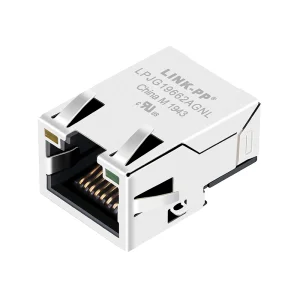
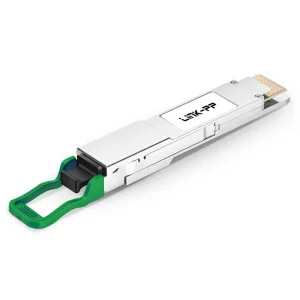
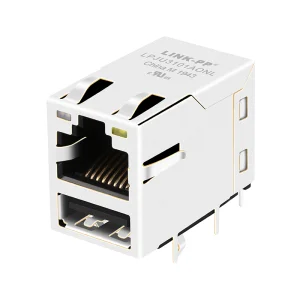
Direct access to our engineered compact fiber transceivers, standard bidirectional (BiDi) modules, high-frequency RJ45, and shielded ethernet connectors.
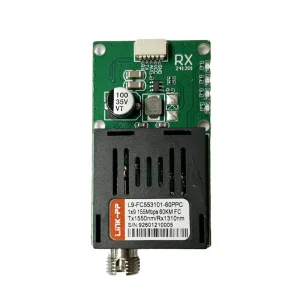
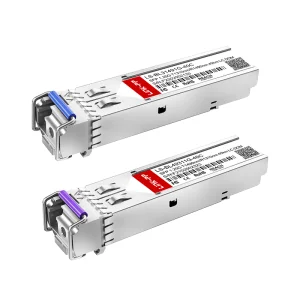
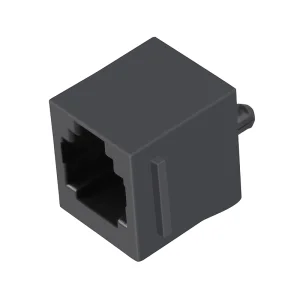
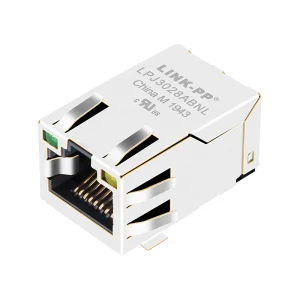
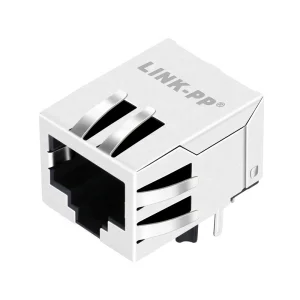
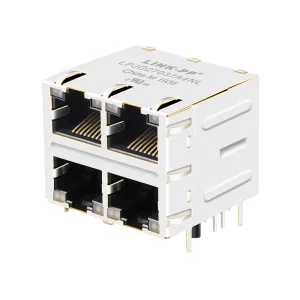
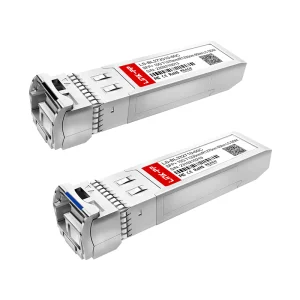
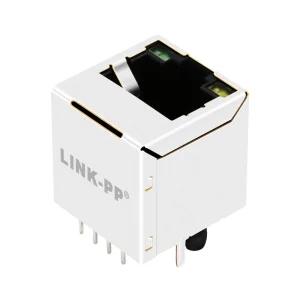
The Compact Small Form-Factor Pluggable (CSFP) multi-source agreement (MSA) defines a transceiver mechanical footprint that houses two independent bidirectional (BiDi) optical channels in the same physical space as a traditional single-channel SFP module. By integrating dual channels, CSFP doubles the density of switch ports, enabling network equipment operators to optimize rack space and reduce capital expenditures.
Modern telecommunication networks demand ultra-high density at the edge and core. The transition to CSFP architectures is driven by the limits of legacy single-fiber infrastructure. Leveraging advanced Bidirectional wavelength-division multiplexing (WDM)—such as Tx 1310nm/Rx 1490nm or Tx 1270nm/Rx 1330nm—CSFP modules optimize fiber utilization, making them vital for 5G fronthaul, FTTH GPON backhauls, and dense enterprise switches.
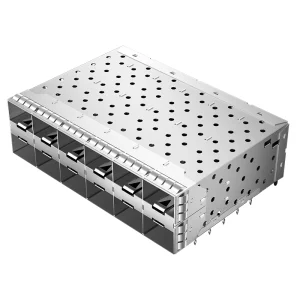
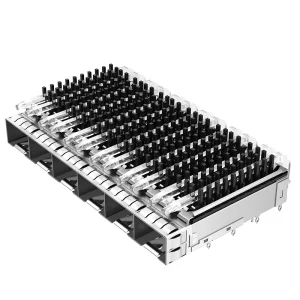
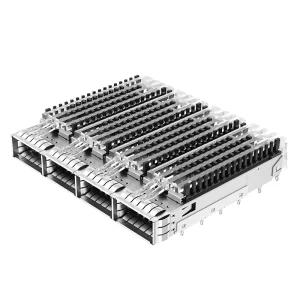
Standardizing the physical interface requires more than just pluggable transceivers. Highly engineered multi-port press-fit cages (such as TE-compatible 2x6, 1x6, or 1x4 configurations with integrated light pipes and customized heatsinks) ensure optimal thermal management, minimum insertion loss, and robust electromagnetic interference (EMI) containment.
"Empowering global networks with cutting-edge optical transceivers and fiber connectivity solutions designed for hyperscale centers and critical enterprise operations."
Xelivor Optoelectronics Co., Ltd. is a professional manufacturer of optical transceivers and fiber connectivity solutions, dedicated to serving global data center, telecom, enterprise network, and cloud computing industries. Established in 2016, the company operates from a modern manufacturing facility covering 386 m² and has built a strong reputation for delivering reliable, high-performance optical communication products worldwide.
With over 8 years of industry experience and 6 years of export experience, Xelivor has achieved annual export revenues exceeding USD 12 million. Our products are exported to customers across North America, Europe, Southeast Asia, the Middle East, and South America, supporting a wide range of networking applications from enterprise infrastructure to hyperscale data centers.
Xelivor specializes in the design, development, and production of optical transceivers, including SFP, SFP+, SFP28, QSFP28, QSFP-DD, OSFP, DAC, and AOC solutions. Backed by a dedicated R&D team of 68 engineers, the company continuously invests in innovation and launched more than 85 new products in the past year to meet the evolving demands of high-speed optical networks.
Quality is at the core of our operations. Our quality management system incorporates incoming material inspection, in-process quality control, aging tests, compatibility verification, optical parameter testing, and final product inspection. A professional quality assurance team of 32 inspectors ensures every product meets strict international standards before shipment.
The company maintains long-term cooperation with more than 850 supply chain partners, enabling stable sourcing, efficient production, and rapid delivery capabilities. Our flexible manufacturing system supports OEM, ODM, private label, customized firmware, customized labeling, and packaging services to satisfy diverse customer requirements.
Take a look inside our high-tech manufacturing cleanrooms, automated assembly lines, and rigorous diagnostic testing labs, where every optical component undergoes strict qualification.

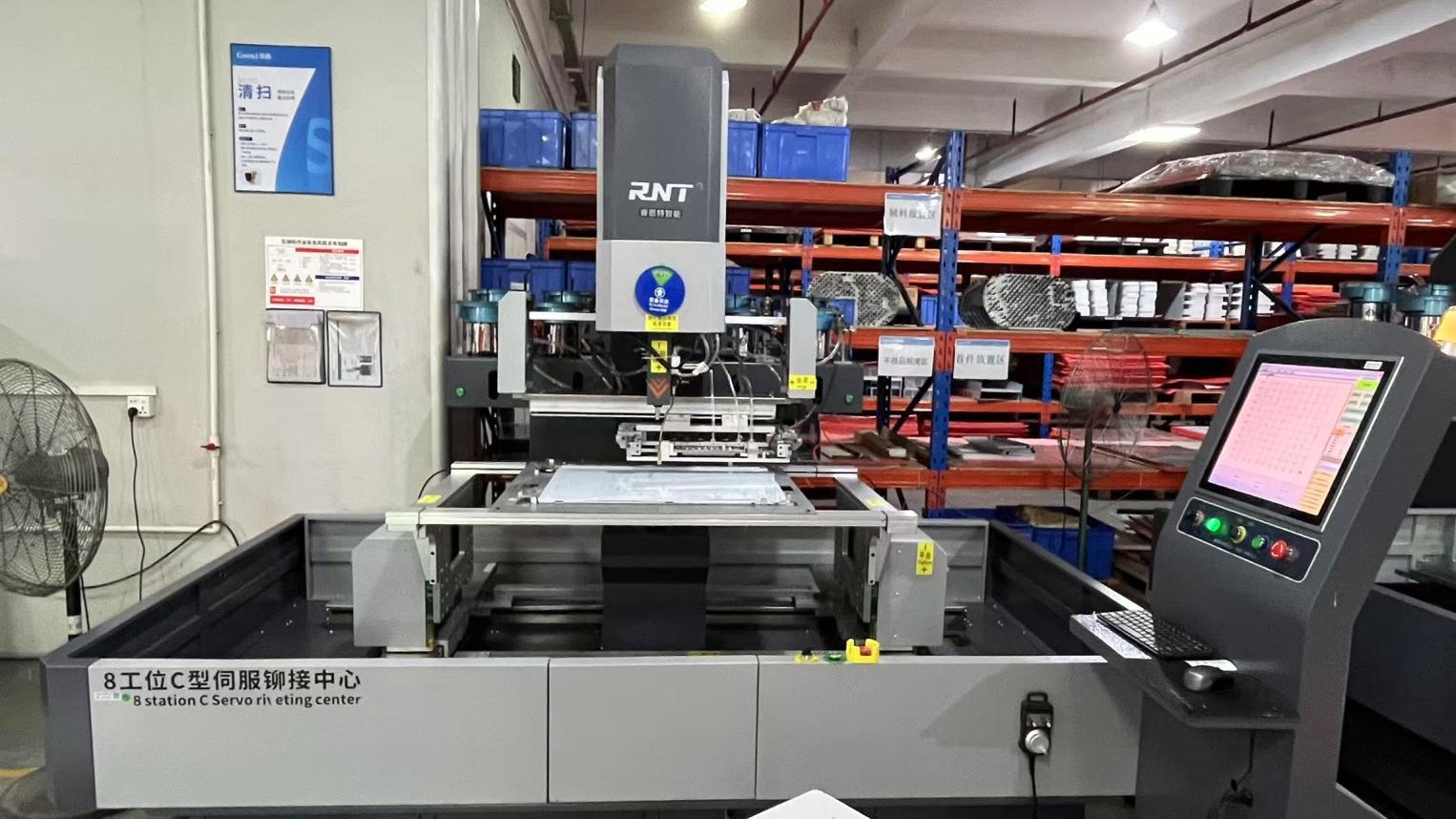
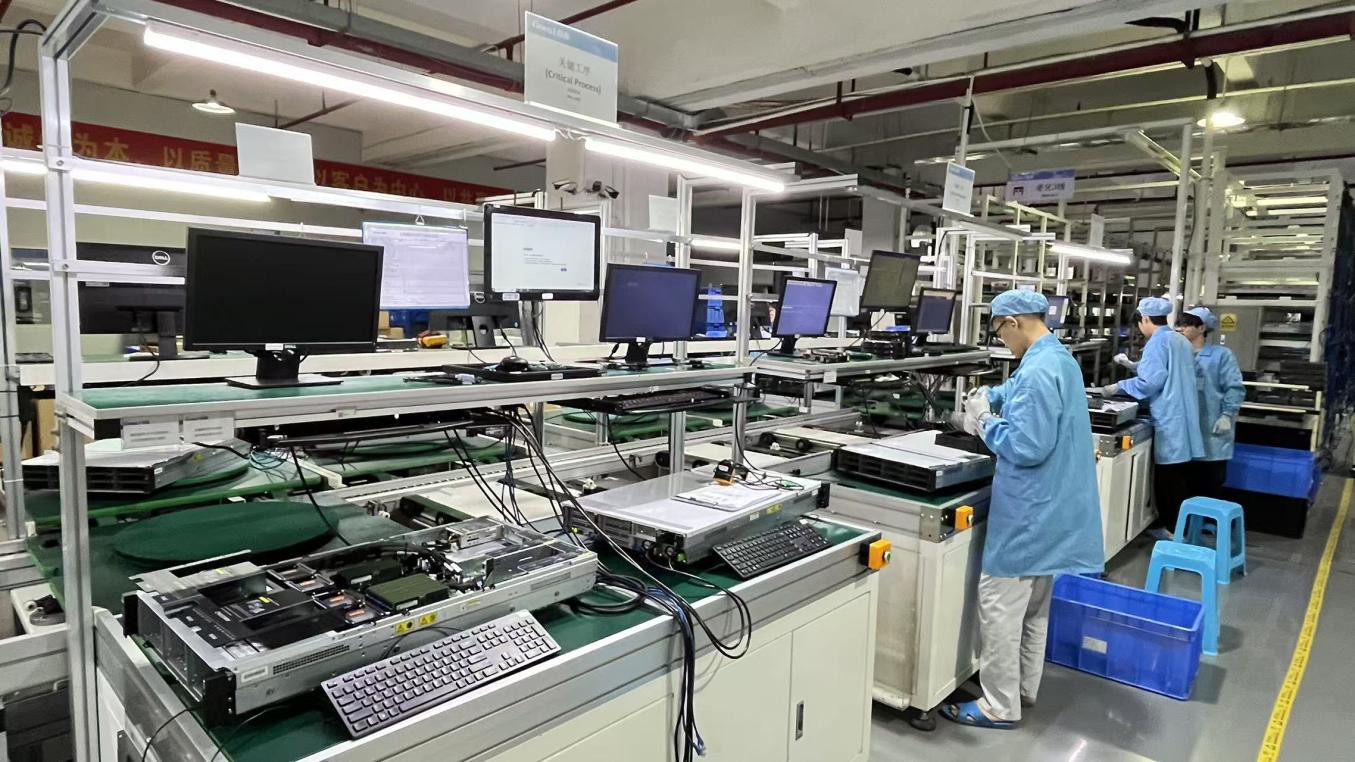
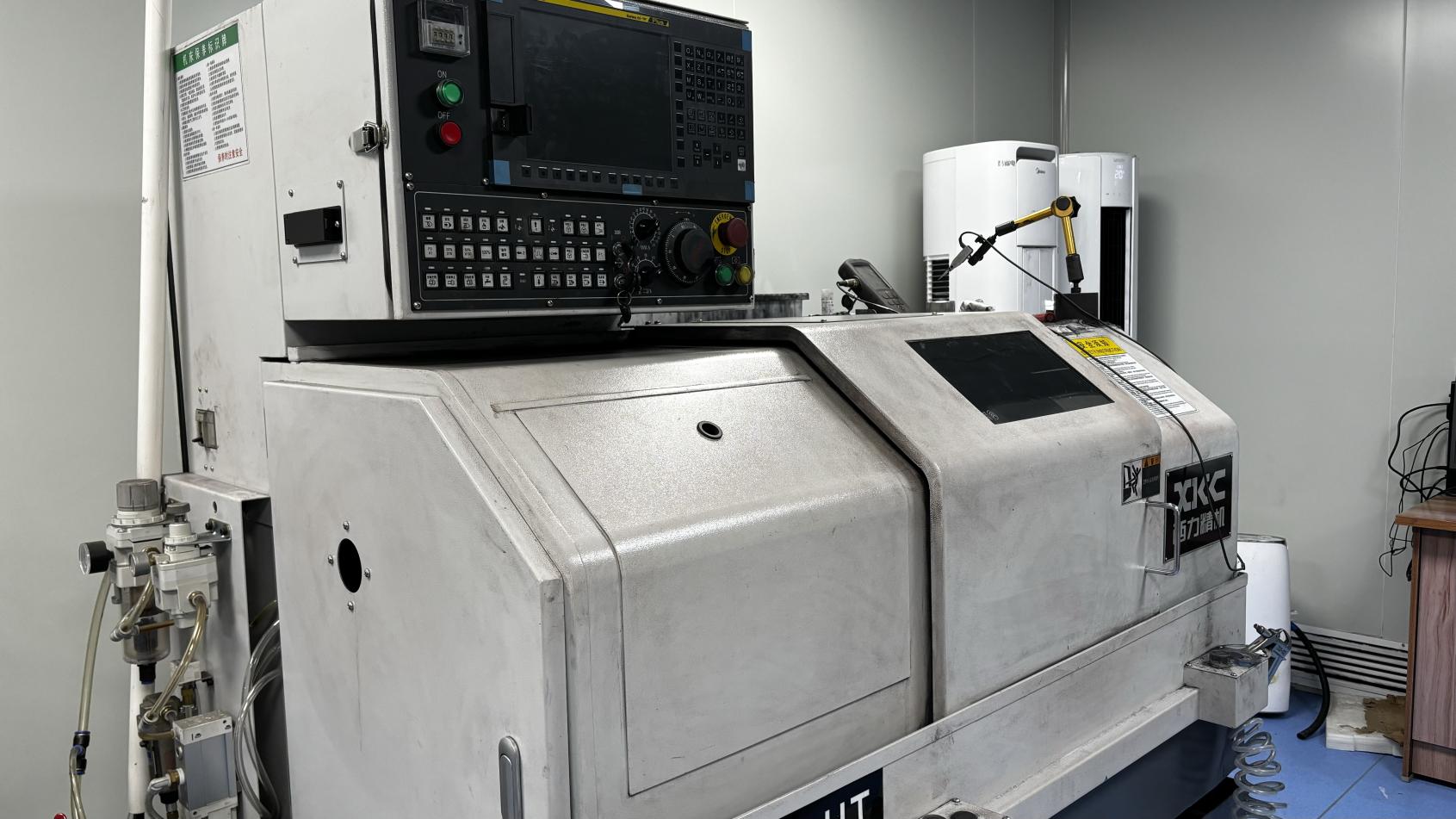
The manufacturing landscape for fiber optics and high-speed connectors is shifting rapidly toward automated, data-driven systems. In China, modern factories operate on Industry 4.0 paradigms. For customers seeking Compact SFP connectors, cages, and optical modules, this means access to massive production capacity combined with unprecedented reliability.
By using robotic SMT lines and machine-vision inspection, we eliminate human variability in laser alignment, component mounting, and gold-finger plating. Our automated testing rigs execute sweep-frequency tests and sweep-voltage checks to verify signal integrity before any module goes to packaging.
With partnerships spanning over 850 raw material suppliers, metal fabricators, PCB manufacturers, and chip packaging facilities, Chinese factories bypass external supply line friction. We secure lasers, DSP chips, high-speed press-fit housings, and light pipes with shorter lead times, sheltering clients from global logistical bottlenecks.
Every transceiver is subjected to high-temperature chamber aging tests, optical output power diagnostics, receiver sensitivity sweeps, and multi-switch compatibility matrices. This meticulous attention guarantees that every batch is compatible with switches from Cisco, Juniper, Huawei, HP, Arista, and other tier-1 OEMs.
As networks expand, connectivity requirements diverge. The demand for compact interconnect systems spans diverse geographic areas and vertical markets, requiring highly specialized engineering parameters for each unique deployment:
Cellular base stations require rugged, temperature-resistant fiber transceivers. Compact SFP modules with Bidirectional transmission allow telecom operators to double data throughput over a single fiber run, reducing lease fees and deployment costs. Industrial-grade modules operate reliably in extreme environments ranging from -40°C to +85°C.
Data centers depend on ultra-dense layouts. By using 2x6 or 2x12 SFP+ and QSFP-DD cage architectures with integrated heatsinks, operators maximize port densities. This design helps avoid thermal issues, ensuring stable speeds of 10G, 25G, 100G, and 400G across the fabric spine.
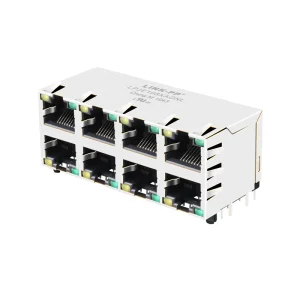
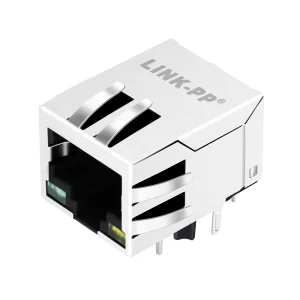
Factories require reliable, EMI-shielded connections. Integrated magnetic RJ45 connectors (such as MagJack modules) paired with compact SFP interface cages protect critical automation controllers from electromagnetic noise, static discharge, and high-vibration failures.
Deep technological insights to assist infrastructure designers, hardware engineers, and procurement managers in making informed purchasing decisions.
Standard SFP transceivers house one transmitter (Tx) and one receiver (Rx) channel to support a single duplex connection or one simplex Bidirectional (BiDi) channel. A Compact SFP (CSFP) module features a modified mechanical plug interface that accommodates two independent BiDi optical channels within the standard SFP physical footprint. This allows network switches to double their channel density per slot without increasing the size of the network equipment.
BiDi technology uses Wavelength-Division Multiplexing (WDM) to transmit and receive signals over a single strand of optical fiber. It uses two distinct wavelengths (for example, 1310nm for transmitting and 1490nm for receiving, or vice versa). CSFP modules integrate two of these BiDi channels side-by-side, enabling four transmission paths over two fibers, all within a standard pluggable width.
Press-fit SFP cages use compliant pins that are pressed directly into plated-through holes on the system PCB. This solderless application provides superior electrical connection stability, eliminates the thermal stress of wave soldering, improves impedance matching for high-speed differential signals, and simplifies field replacement and maintenance processes.
Heatsinks are critical for thermal management, pulling heat away from high-power modules (like 10G SFP+ or 400G QSFP) to maintain stable laser operating temperatures. Light pipes are integrated plastic waveguides that route light from LEDs on the system board to the front faceplate of the cage, providing real-time status indicators (link, activity) without blocking airflow or taking up space on the port panel.
Xelivor maintains an extensive compatibility testing matrix containing current-generation switches from Cisco, Juniper, Arista, Brocade, Dell, HPE, and others. Every transceiver is programmed with vendor-specific EEPROM coding (containing MSA-compliant Serial ID data) and tested directly in the target hardware to ensure seamless recognition and error-free operation.
While CSFP modules share the physical form factor of standard SFPs, the host switch board must be designed to support the dual-channel electrical interface of the CSFP. Pluggable mechanical cages are backward-compatible, but the switch's ASIC and firmware must support the CSFP pinout mapping to recognize both channels.
All our products comply with RoHS directives for environmental safety, CE and FCC requirements for electromagnetic emission limits, and FDA/CDR laser safety standards. Our production plant operates strictly under ISO 9001:2015 quality management guidelines.
Engineered multi-port cages, compatible SFP connectors, and ultra-high bandwidth transceivers for data center switches, switches with PoE, and telecommunication distribution boards.