Xelivor
Xelivor
Xelivor
Explore our precision-engineered SFP cages, transceivers, and RJ45 magnetic connectors designed for high-performance copper-to-fiber integration.
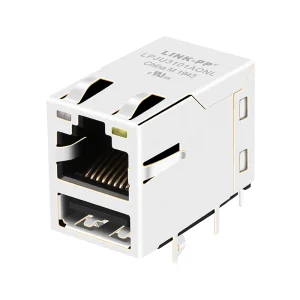
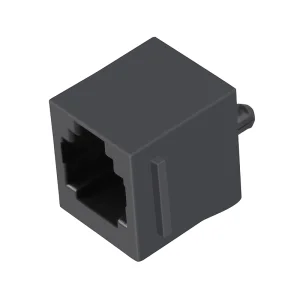
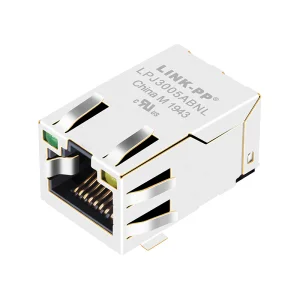
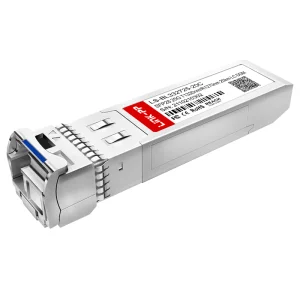
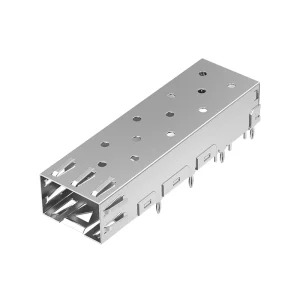
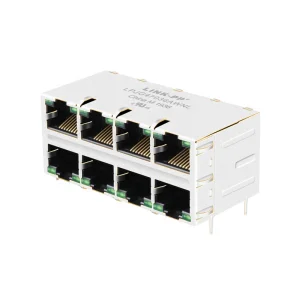
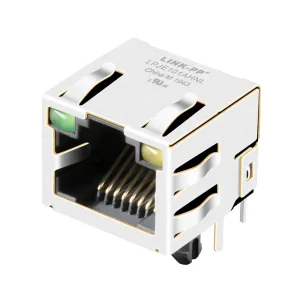
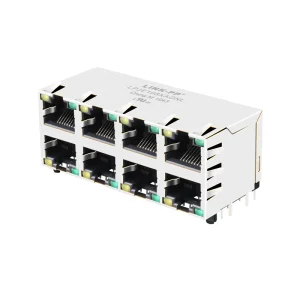
An authoritative breakdown of current-day media conversion architectures and global supply parameters.
In modern communications technology, the transition from legacy copper infrastructure to optical fiber backbones is one of the most critical structural tasks for system architects. Media Converters act as the indispensable bridges in this evolution. They integrate distinct physical media (UTP/STP copper and single-mode/multi-mode optical cables) to prevent data bottlenecks across municipal networks, security monitoring systems, and massive industrial complexes.
As a leading Chinese manufacturer and exporter of optical connectivity and interface hardware, Xelivor Optoelectronics Co., Ltd. (est. 2016) has spent nearly a decade at the forefront of this market. We address the complex performance needs of modern networks by shipping reliable, high-density optical transceivers, SFP cages, and integrated RJ45 modules. Our solutions help global companies extend transmission distances, improve electromagnetic compatibility (EMC), and maintain stable network configurations.
The transition toward multi-gigabit speeds, industrial resilience, and power delivery convergence.
Traditional 10/100/1000Mbps media converters are rapidly giving way to 10G and 25G Ethernet platforms. Edge computing installations require massive data transport bandwidth, forcing operators to deploy high-speed SFP28 and QSFP28 transceiver modules directly to media converter nodes at the edge of the network.
Modern remote networking nodes, such as high-definition PTZ IP cameras and Wi-Fi 7 access points, demand both power and data over a single connection. The market has shifted toward media converters integrated with IEEE 802.3bt (PoE++ up to 90W) power delivery, demanding high-reliability magnetic RJ45 connectors.
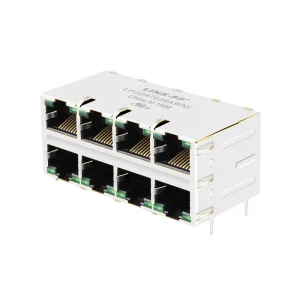
As space in telecommunications cabinets and edge enclosures becomes more restricted, designers require compact profiles. Low-profile, SMT (Surface Mount Technology) RJ45 connectors and high-density 2x2/2x4 SFP+ cages are essential to fit more ports into smaller network switch frames.
What procurement managers, hardware engineers, and system integrators look for when choosing an OEM/ODM partner.
Procuring network hardware at a global scale goes far beyond basic unit costs. Technical buyers prioritize several crucial factors to ensure reliable network operation and minimize system downtime:
A trusted manufacturer of optical transceivers and fiber connectivity solutions, serving global data centers, telecom, and enterprise networks.
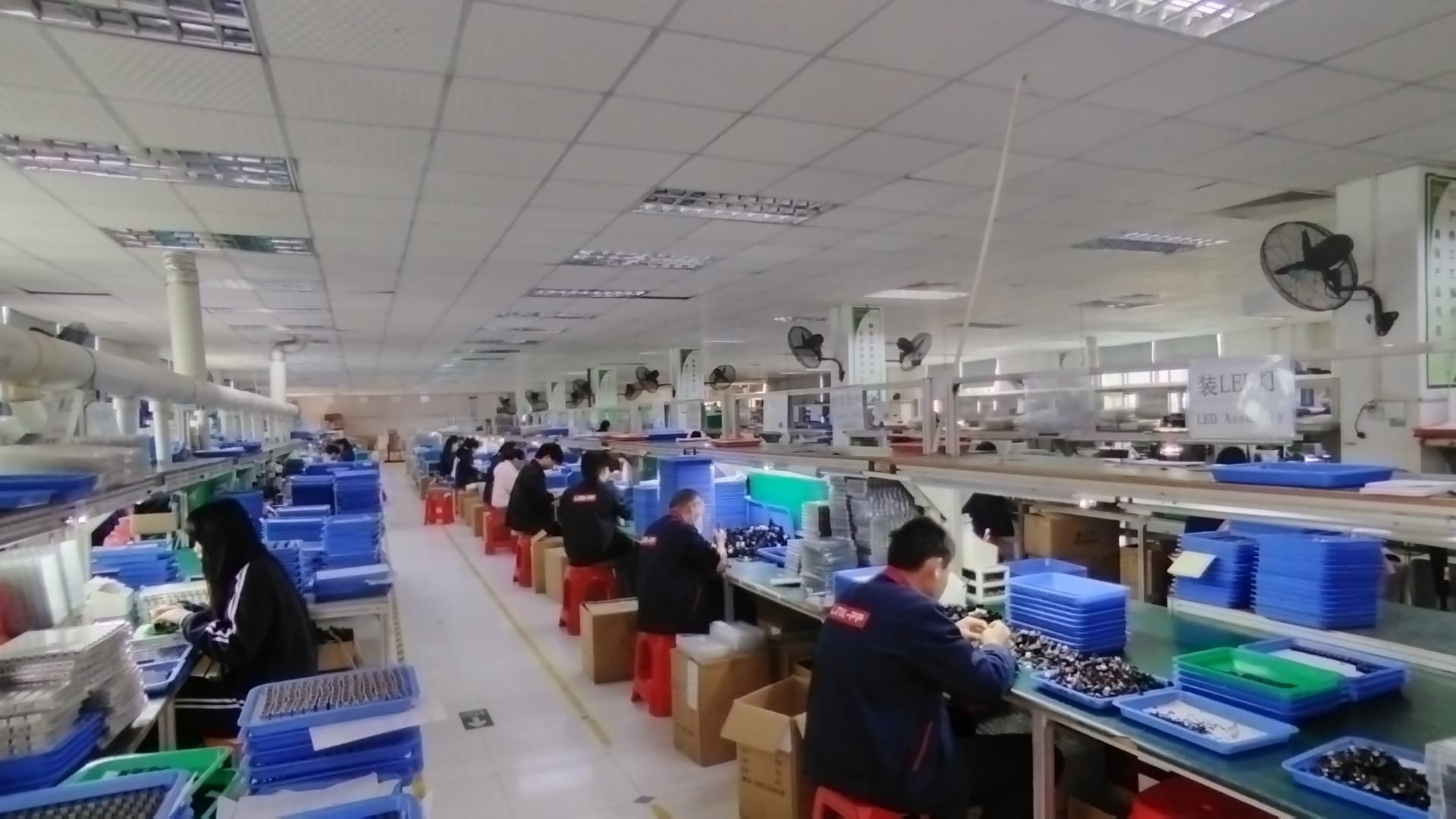
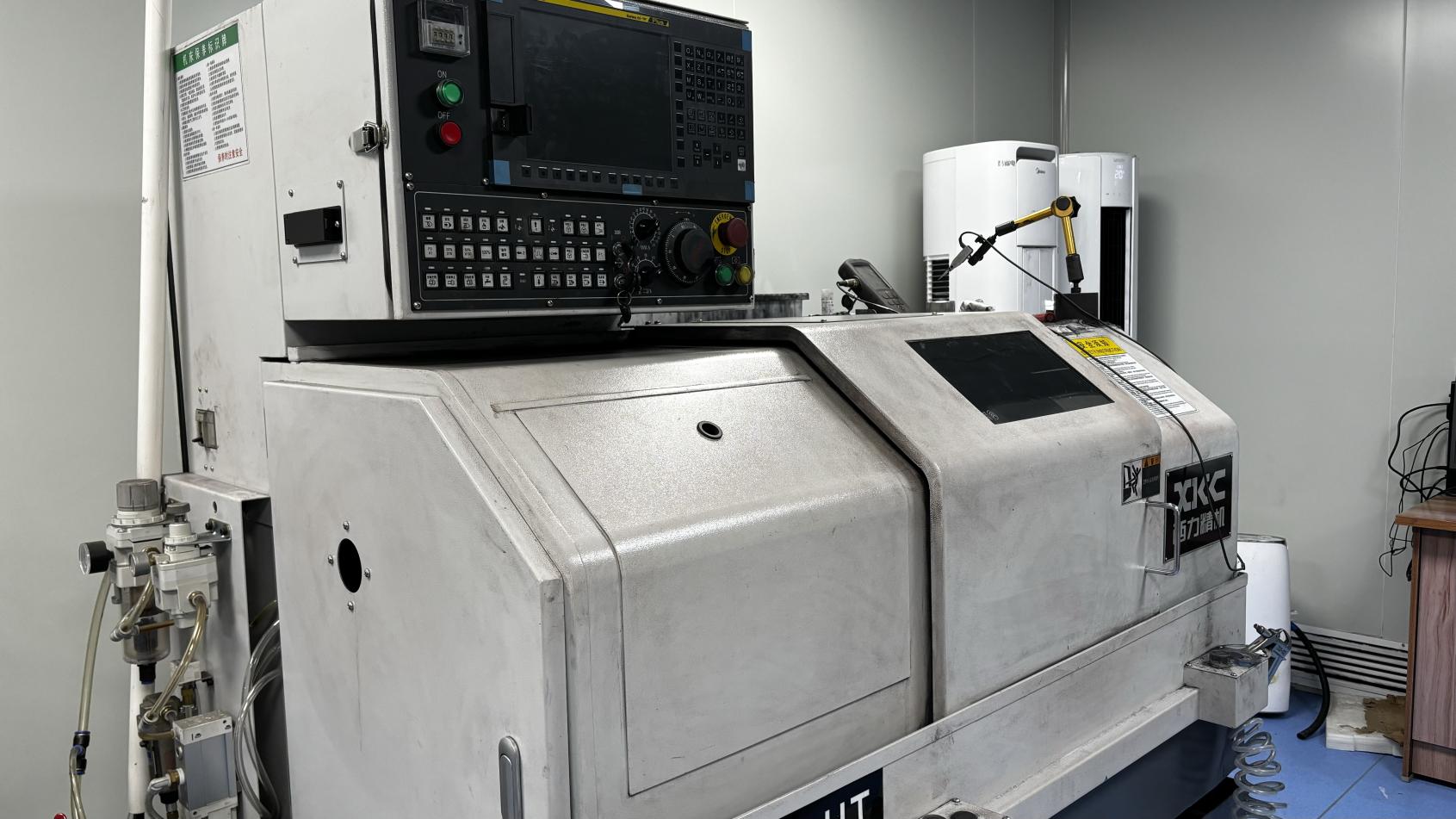
Established in 2016, Xelivor Optoelectronics Co., Ltd. is a professional manufacturer dedicated to high-performance optical communication products. Operating from a highly specialized, cleanroom-equipped facility covering 386 m², we focus on precision manufacturing and advanced design. Over the past 8 years, we have built a reputation for high-quality, cost-effective fiber connectivity hardware.
With an annual export revenue exceeding USD 12 million, Xelivor supports telecommunications operators, system integrators, and distributors across North America, Europe, Southeast Asia, the Middle East, and South America. We specialize in SFP, SFP+, SFP28, QSFP28, QSFP-DD, OSFP, DAC, and AOC solutions, backed by a dedicated R&D team of 68 engineers.
Quality is at the core of our operations. Our comprehensive quality management system (QMS) includes incoming material inspection (IQC), in-process quality control (IPQC), rigorous aging tests, compatibility verification, optical parameter testing, and final product inspection. A professional quality assurance team of 32 inspectors ensures every product meets strict international standards before shipment.


How Xelivor's interconnect components integrate into large-scale global network architectures.
Smart city systems require high-bandwidth connections over long distances to link outdoor IP cameras back to central monitoring sites. Deploying copper ethernet connections is limited to 100 meters. Our media converter components, integrated with PoE capabilities and reliable SFP transceiver slots, allow systems to transmit data over kilometers via single-mode fiber cables.
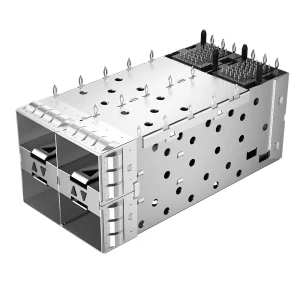
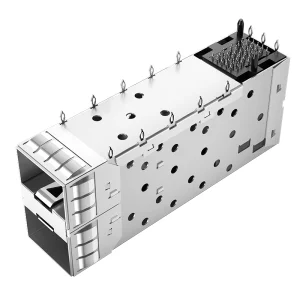
Within data center cages, optimizing space is critical. Our multi-port SFP+ and QSFP press-fit cages feature integrated EMI shielding to prevent signal crosstalk between adjacent high-speed channels. This shielding helps maintain data integrity at transceiving interfaces, even under continuous, high-throughput operating conditions.
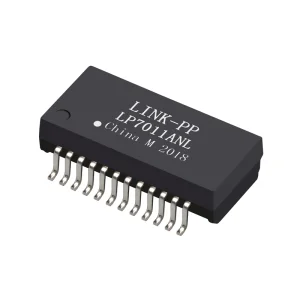
Heavy machinery and power infrastructure generate significant electromagnetic interference (EMI), which degrades copper ethernet signals. Utilizing fiber optic media conversion isolates transmission paths from electrical noise. Our components, including magnetically isolated LAN transformers, safeguard critical networking equipment from damage caused by ground loops and electrical surges.
Xelivor's development timeline for next-generation optical transceivers and high-speed network interfaces.
Optimizing transceivers with integrated silicon photonics designs to reduce overall power consumption. This update will lower heat dissipation in SFP+ and SFP28 modules, helping prevent thermal throttling in high-density media converters.
Expanding manufacturing lines to produce high-density 800G optical transceivers. These high-speed modules are designed to support data-intensive AI workloads and large-scale cloud data centers.
Integrating microcontrollers into media converter designs to enable remote monitoring and diagnostic reporting. This will allow network administrators to monitor temperature, optical power levels, and link health in real time.
Detailed answers to technical questions about media conversion, compatibility, thermal management, and link planning.
Modern copper-to-fiber media converters introduce minimal latency because they process data packets at the physical layer (PHY). Store-and-forward architectures generally add microsecond-level latency (often under 2 to 3 microseconds) to verify packet frame check sequences (FCS). Direct physical layer converters (which bypass packet analysis) deliver sub-microsecond latency, making them suitable for time-sensitive applications like industrial automation, financial networks, and real-time video surveillance.
We program our transceivers' internal EEPROM with configuration files matched to the requirements of the host switch. Our quality control lab utilizes a compatibility matrix with switches from Cisco, Juniper, HP, and Huawei. This verification process ensures that our modules report correct digital diagnostic monitoring (DDM) metrics and initialize without triggering vendor lock errors.
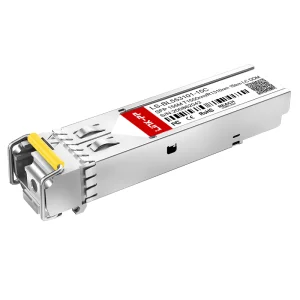
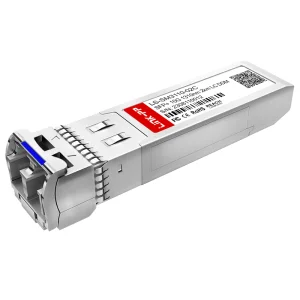
BiDi transceivers (such as our 25G BiDi 20km Simplex LC Transceiver) use Wave Division Multiplexing (WDM) to transmit and receive signals at different wavelengths (e.g., 1270nm and 1330nm) over a single optical fiber. This design cuts fiber cabling requirements in half, reducing deployment costs and maximizing the capacity of existing fiber infrastructure.
High-speed transceivers generate electromagnetic emissions that can interfere with neighboring components. Our SFP cages (such as our TE-compatible press-fit cages) are designed with spring fingers and conductive EMI gaskets. These elements ground the metal cage to the printed circuit board (PCB) chassis, providing shielding that keeps emissions well within FCC Part 15 and EN55022 limits.
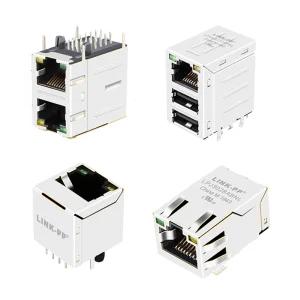
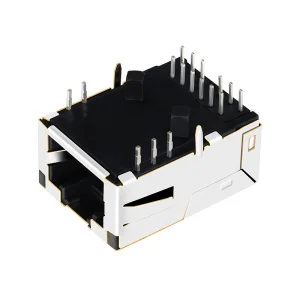
Power over Ethernet (PoE) runs power alongside high-speed data over a single copper cable. To prevent signal degradation, the magnetic transformer coils inside the RJ45 jack must handle direct current (DC) offset without core saturation. Our RJ45 connectors feature isolation transformers and heavy-gauge winding wires designed to support up to 2.5G/5G Ethernet speeds while maintaining safety and signal integrity under continuous electrical loads.
Operating inside closed networking cabinets can quickly raise component temperatures. Our transceivers use built-in Digital Diagnostic Monitoring (DDM) to track real-time temperature, voltage, and laser bias. Thermal interface pads and nickel-plated zinc housings also help heat escape from the optical sub-assemblies to the metal cage, keeping operating temperatures within safe limits.
We use Link Fault Pass-Through (LFP) technology. If either the copper or the fiber connection drops, the media converter automatically disables the opposite link. This alerts upstream managed switches of the connection failure immediately, allowing the network to reroute traffic to redundant paths without delay.
We monitor component quality closely by partnering with over 850 verified suppliers. Each batch of raw materials undergoes rigorous incoming quality control (IQC). During production, we conduct automated optical inspections (AOI), high-temperature burn-in tests, and final parameter sweeps, helping us maintain a reliable and consistent yield for all shipped products.
High-reliability components designed to support multi-gigabit connections, power delivery, and robust shielding requirements.