Xelivor
Xelivor
Xelivor
High-performance network connectors, SFP cages, and optical modules configured for critical telecom and enterprise systems.
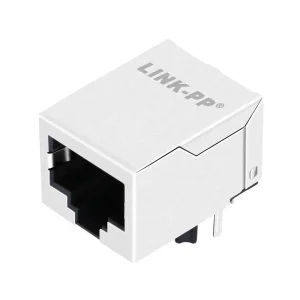
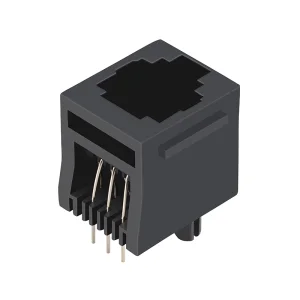 Top Entry Female Ethernet Socket 1 Port Without Shield Vertical 6P6C RJ11 Jack
Technical Specifications
Top Entry Female Ethernet Socket 1 Port Without Shield Vertical 6P6C RJ11 Jack
Technical Specifications
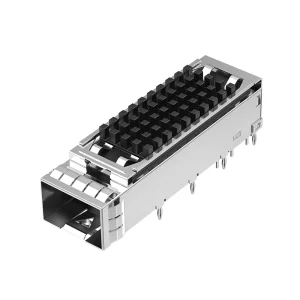 U77-E16E8-2001 Amphenol Compatible Through Hole 1 Port Press-Fit SFP+ Cage With Heat Sink
Technical Specifications
U77-E16E8-2001 Amphenol Compatible Through Hole 1 Port Press-Fit SFP+ Cage With Heat Sink
Technical Specifications
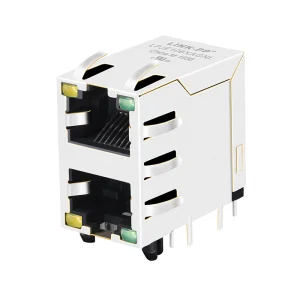 RJSAE-5381-02 615016245421 With G/Y Leds 2X1 Port RJ45 Connector Jack Without Magnetics
Technical Specifications
RJSAE-5381-02 615016245421 With G/Y Leds 2X1 Port RJ45 Connector Jack Without Magnetics
Technical Specifications
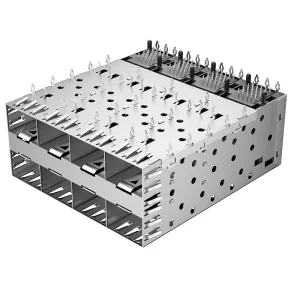 1658390-2 2170286-1 Right Angle Press-Fit Shielded Ganged 2x4 SFP Receptacle Cage
Technical Specifications
1658390-2 2170286-1 Right Angle Press-Fit Shielded Ganged 2x4 SFP Receptacle Cage
Technical Specifications
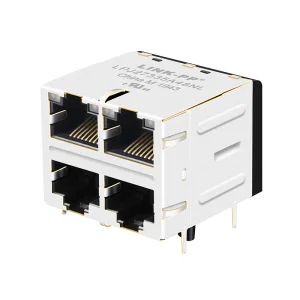
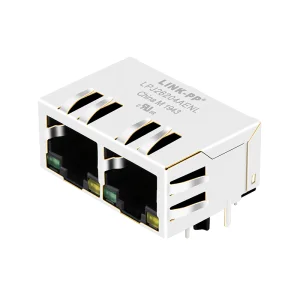 LPJ26204AENL Tab Down 100 Base-T 1x2 Port RJ 45 Magnetic Jack Ethernet RJ45 Female Connector
Technical Specifications
LPJ26204AENL Tab Down 100 Base-T 1x2 Port RJ 45 Magnetic Jack Ethernet RJ45 Female Connector
Technical Specifications
In an era dominated by cloud computing, generative AI clusters, and IoT expansions, wired network connectors and high-speed optical transceiver modules form the critical physical infrastructure of global data systems. While wireless technologies address mobile device connectivity, high-density optical fiber links and copper Ethernet structures support the backbone transport infrastructure where latency, high throughput, and electromagnetic immunity are non-negotiable.
Industrial ecosystems demand robust interconnectivity solutions. Across hyper-scale data centers, automated manufacturing facilities, and telecommunications towers, hardware components like SFP cages, RJ45 modular jacks, and LC duplex optical transceivers operate under strict mechanical and thermal limits. High-speed signal integrity requires advanced materials (e.g., gold-plated contact interfaces and shielded housings) to minimize insertion loss and near-end crosstalk (NEXT). As network bandwidths shift from 10G/100G configurations toward 400G and 800G, hardware designs must integrate advanced thermal dissipation, electromagnetic interference (EMI) protection, and high contact density.
Established in 2016, Xelivor Optoelectronics Co., Ltd. is a high-technology manufacturer of optical transceivers, SFP enclosures, and structural network connectivity solutions. Operating out of our specialized 386 m² manufacturing and testing facility, we have built a streamlined design-to-delivery pipeline serving systems integrators, enterprise clients, and distributors worldwide.
Backed by a dedicated R&D engineering team of 68 specialists, we focus on signal integrity, heat sink layouts, and high-frequency structural validation. Over the past year, our team introduced more than 85 new product designs to support high-density systems.
Our quality assurance department includes 32 certified inspectors. We run multi-phase validation protocols covering raw materials inspection, in-process assembly monitoring, dynamic thermal aging, compliance validation, and performance tests.
We work with more than 850 verified supply chain partners. This structured integration ensures consistent material access, quick component sourcing, and stable production scheduling even during high global demand cycles.
With over 8 years of industrial design experience and 6 years of international trade operations, Xelivor has generated over $12 million in annual export revenues. Our product line supports networks across North America, Europe, Southeast Asia, the Middle East, and South America, delivering specialized electrical and optical performance.
Why do major global telecom and datacom equipment providers select Chinese manufacturers for their connection hardware? The answer lies in localized supply chains, advanced toolmaking capability, and high production speeds. Chinese component clusters, particularly in coastal manufacturing centers, provide complete vertical integration from design to assembly.
| Manufacturing Stage | Typical Western Sourcing Timeline | Xelivor (China Optimized) Timeline | Core Infrastructure Advantage |
|---|---|---|---|
| Custom Tooling & Die Design | 6 - 8 Weeks | 10 - 15 Days | In-house CNC prototyping & high-precision EDM tooling. |
| Raw Material Sourcing | 3 - 4 Weeks | 2 - 3 Days | Direct, local integration with copper, plastic, and plating vendors. |
| Pre-shipment Compliance Testing | 1 - 2 Weeks | 24 - 48 Hours | Integrated automatic optical inspection (AOI) and network analysis on site. |
| Minimum Order Flexibility | Rigid / High MOQ | Highly Scalable / Adaptive | Dynamic production lines supporting customized production runs. |
This level of coordination allows us to design, prototype, and manufacture specialized components—such as shielded stacked RJ45 jacks, SFP enclosures with heat sinks, and rugged optical transceivers—in a fraction of the time required by traditional regional suppliers.
Wired network components must operate reliably across diverse environments, each presenting unique thermal, mechanical, and electrical conditions.
Modern data centers deploy rows of high-density switches requiring low-profile SFP+ cages and high-performance optical transceivers (such as the 10G BiDi SFP+ 100km). These units must maintain stable optical outputs under continuous operation and high temperatures.
Factory environments present mechanical vibration, humidity, and electromagnetic noise. Products like the Waterproof Vertical Cat5e/Cat6/Cat7 modular jack provide sealing (IP67/68) and shielding to protect industrial controllers from EMI and moisture.
Central offices and cell towers use specialized magnetic components, such as the 1000Base-T Telecom Transformer Module, to manage power isolation (PoE IEEE802.3af), match line impedance, and prevent surge damage to terminal equipment.
Network engineers and procurement officers use strict technical benchmarks when sourcing connection hardware. Standard, consumer-grade connectors do not meet the performance requirements of enterprise network infrastructure.
The networking industry continues to evolve toward higher transmission speeds and compact form factors.
Hardware designs require multi-port, stacked configurations (such as 2x4 and 2x8 SFP cages, and multi-port RJ45 modular jacks) to maximize data density per rack unit, demanding precise manufacturing and narrow assembly tolerances.
High-frequency modules generate significant heat during intensive operations. Next-generation SFP+ and QSFP enclosures integrate custom-designed heat sinks and thermal interface materials to maintain optimal component temperatures.
Global regulations like RoHS (Restriction of Hazardous Substances) and REACH require manufacturing processes to eliminate lead, cadmium, and polybrominated biphenyls from all plastics, plating baths, and solder joints.
Inside Xelivor's modern fabrication facilities, cleanrooms, and testing departments, where components undergo strict optical and electrical validation.
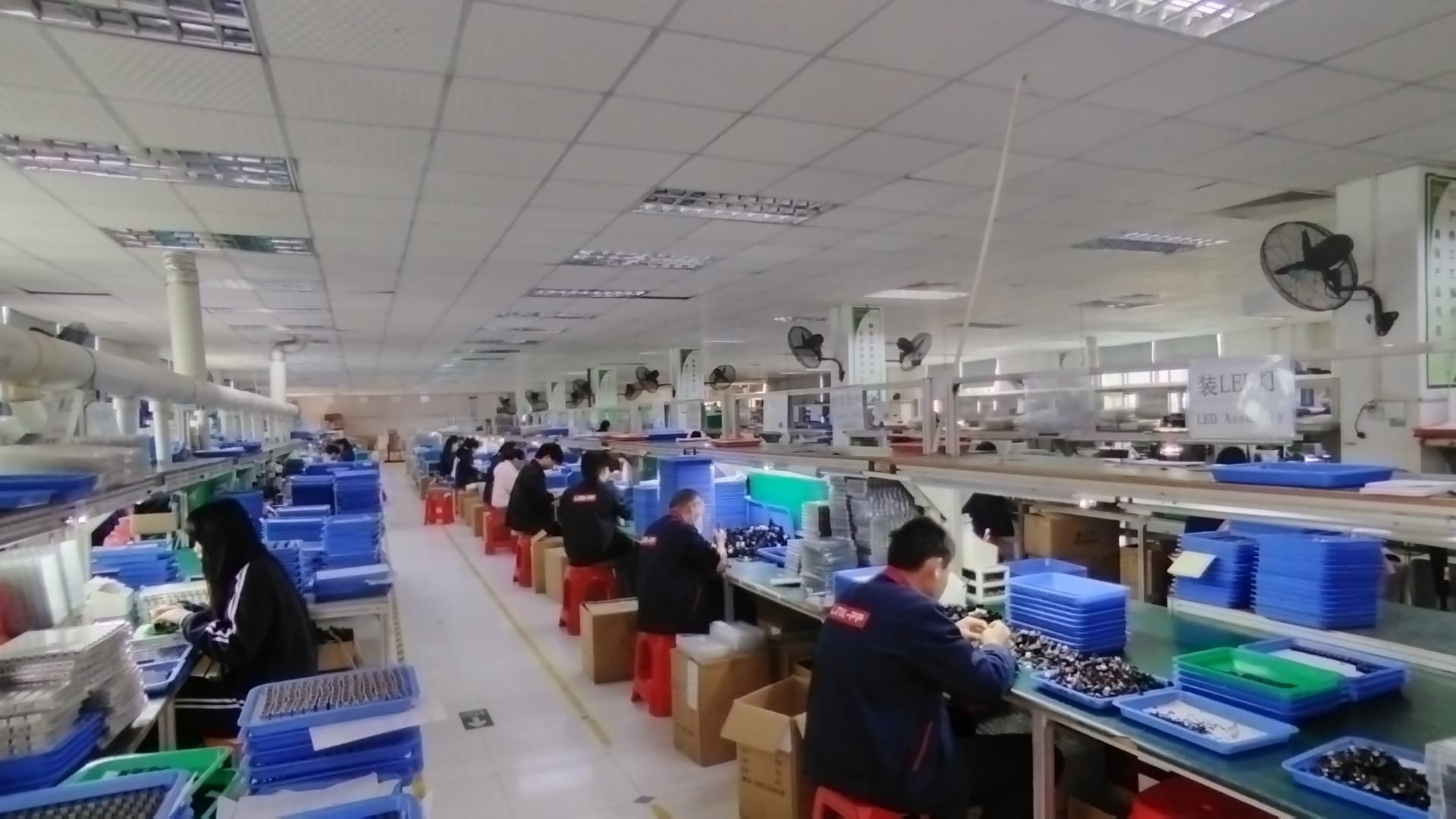
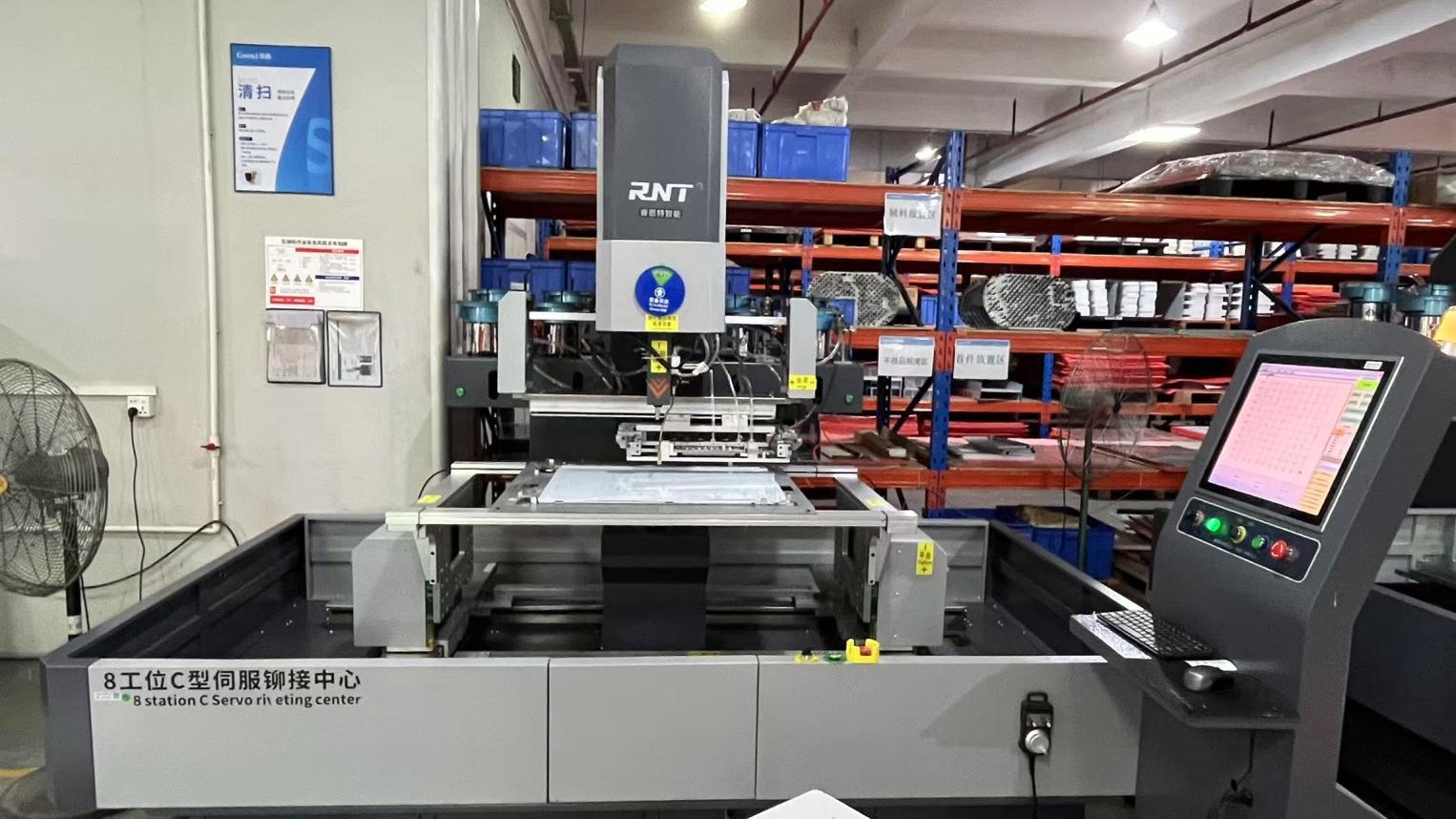
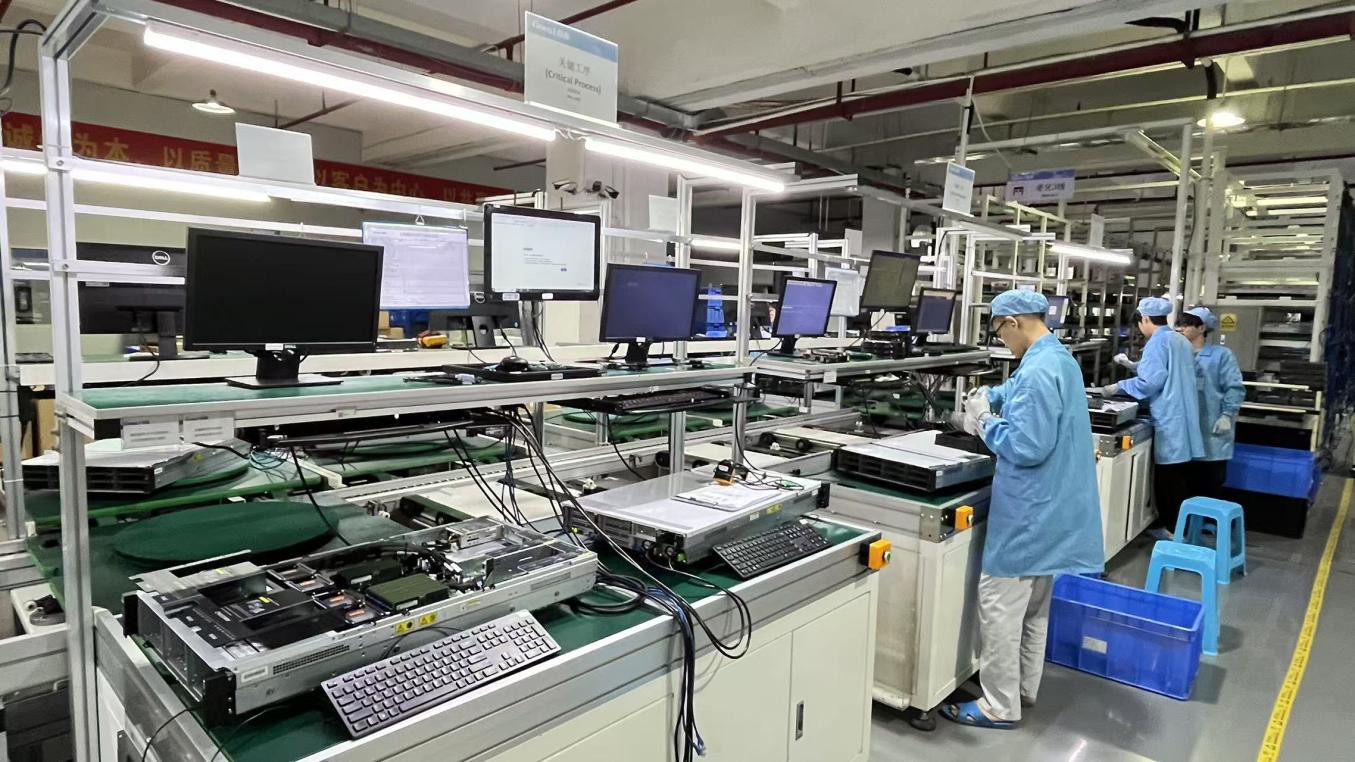
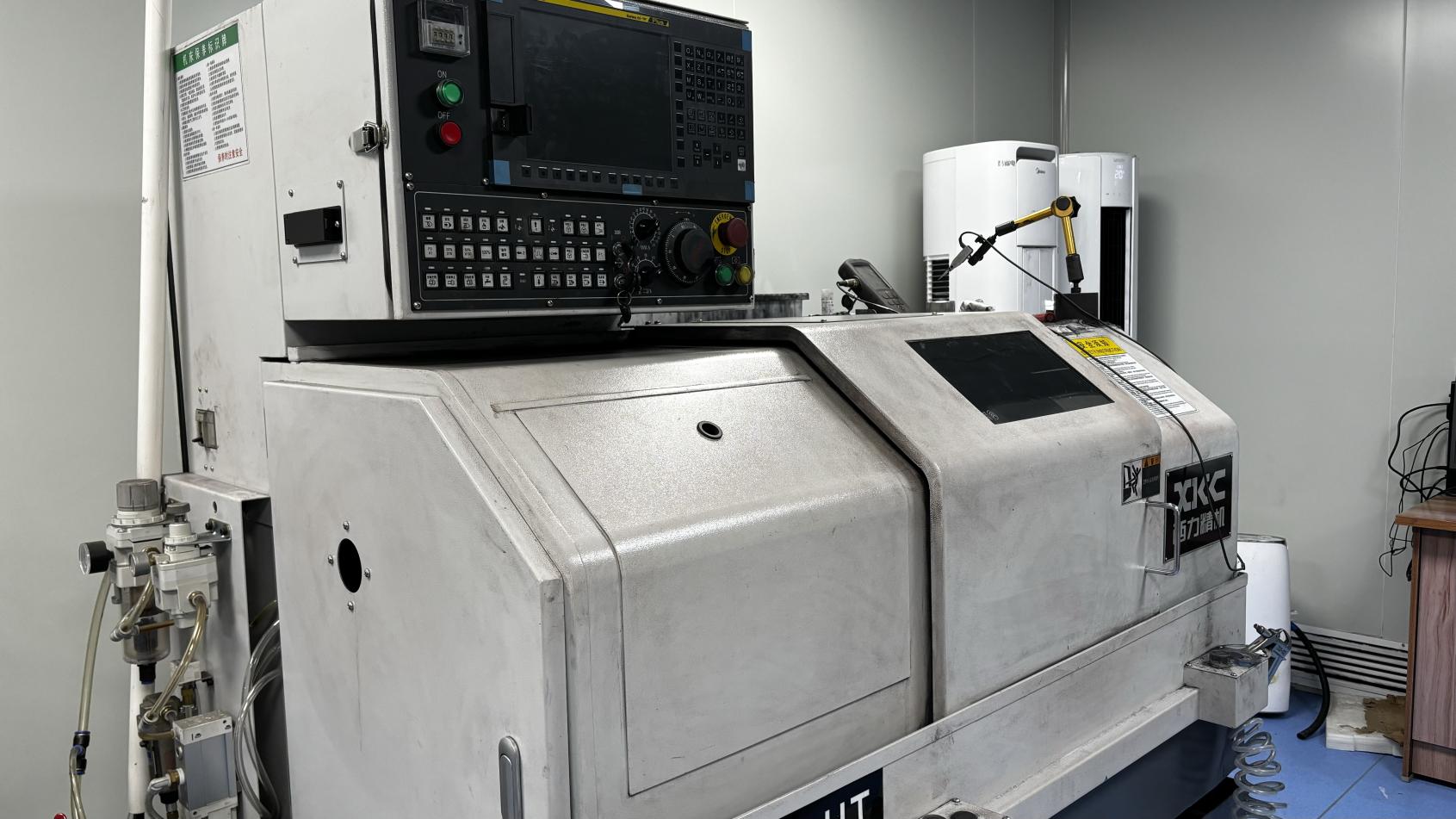
Answers to common technical and integration questions regarding network connectors, optical transceivers, and shielding designs.
Explore our line of single-mode transceivers, integrated USB hybrid sockets, high-density vertical magnetics, and discrete signal isolators.
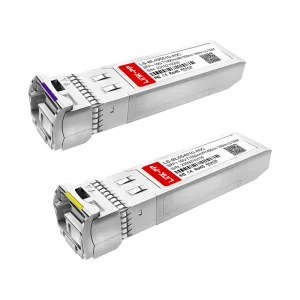 1490nm/1550nm Bidirectional Simplex LC 10G BiDi SFP+ 100km SMF Optical Transceiver Module
Technical Specifications
1490nm/1550nm Bidirectional Simplex LC 10G BiDi SFP+ 100km SMF Optical Transceiver Module
Technical Specifications
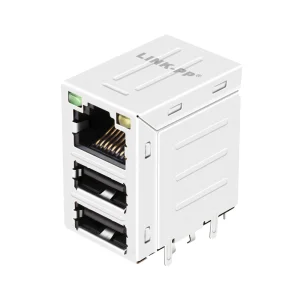 45F-10201DYD2NL 45F-10201DYDXNL Shielded Dual USB RJ-45 Female Connector With LEDs
Technical Specifications
45F-10201DYD2NL 45F-10201DYDXNL Shielded Dual USB RJ-45 Female Connector With LEDs
Technical Specifications
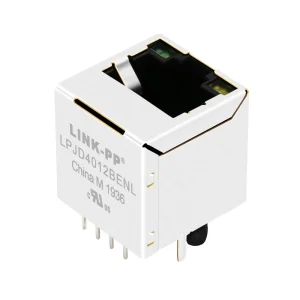 SI-46014-F 10/100 Base-t Ethernet Top Entry Vertical Magnetic Female RJ45 Connector With Leds
Technical Specifications
SI-46014-F 10/100 Base-t Ethernet Top Entry Vertical Magnetic Female RJ45 Connector With Leds
Technical Specifications