Xelivor
Xelivor
Xelivor
Explore high-performance connectors, optical transceivers, and shielding assemblies critical for robust physical-layer circuit board layouts.
How domestic vertical integration and advanced SMT capabilities accelerate time-to-market for hardware engineering teams globally.
In the global hardware development landscape, the transition from schematic design to physical prototyping represents a critical phase where signal integrity, component lead times, and manufacturing quality converge. Chinese manufacturing hubs, specifically in Shenzhen and the wider Guangdong province, have evolved beyond simple assembly locations into high-tech ecosystems. Today, China wholesale Ethernet prototyping board factories offer unprecedented integration of design engineering, raw materials sourcing, PCB fabrication, and automated testing.
This ecosystem advantage is particularly crucial for complex communication interfaces. An Ethernet prototyping board is not merely a generic circuit board; it requires strict control over differential pair impedance (typically 100 ohms for twisted-pair Ethernet), precise placement of EMI-shielded components, and integrated magnetics (Magjacks) to survive high-voltage environments. Chinese manufacturers utilize advanced automated optical inspection (AOI), in-circuit testing (ICT), and signal integrity modeling to guarantee that prototypes reflect actual production performance.
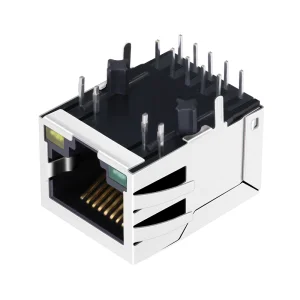
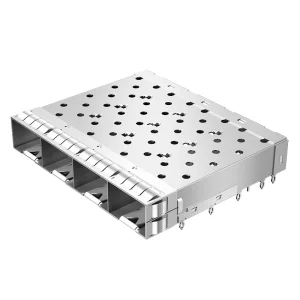
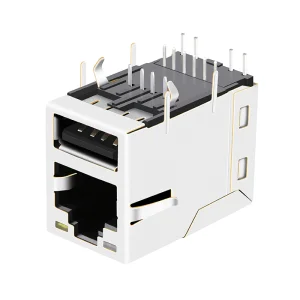
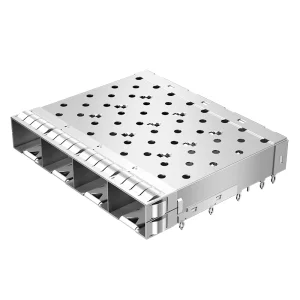
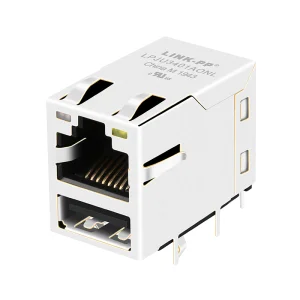
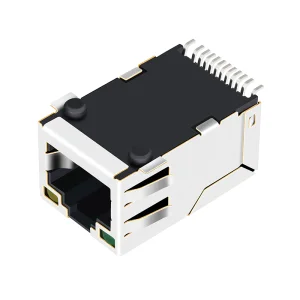
The primary advantage of sourcing Ethernet prototyping platforms and specialized connectors from China is the physical proximity of component ecosystems. For example, when engineering a custom platform that incorporates a Through Hole 1x4 Ports EMI Shielded SFP+ Cage alongside an Industrial RJ45 Magjack with USB, the physical proximity of raw materials allows factories to iterate hardware designs in days rather than weeks.
Our facility leverages this local supply chain optimization. By partnering with over 850 certified suppliers, we secure premium FR4 substrates, precision-machined copper contact contacts, and customized magnetics rapidly. This localized ecosystem reduces logistics friction, allowing us to implement real-time design improvements for OEM/ODM clients while maintaining stable, cost-effective pricing structures.
The technological forces shaping next-generation Ethernet design, high-speed transceivers, and rugged physical connections.
SPE is revolutionizing industrial networks by facilitating TCP/IP data transmission over a single pair of copper wires. Prototyping boards must adapt to support miniature physical-layer standards (IEC 63171-6) while offering legacy support for RJ45 interfaces.
Modern developers are shifting prototyping focus from basic 10/100M designs to multi-gigabit speeds. There is growing demand for integrated SFP+ cage configurations (such as 1x4 and 2x4 configurations) directly on developmental testboards to facilitate 10G and 25G Ethernet evaluations.
For applications deployed in outdoor edge infrastructure, prototyping boards need IP67/IP68 rated modular connectors. Developing waterproof, pass-through female connectors directly into test benches has become standard for defense, agriculture, and maritime hardware development.
| Ethernet Interface Standard | Common Prototyping Connector Component | Ideal Shielding & Isolation Method | Typical Prototyping Applications |
|---|---|---|---|
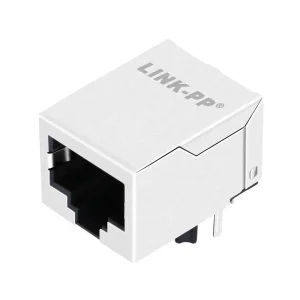
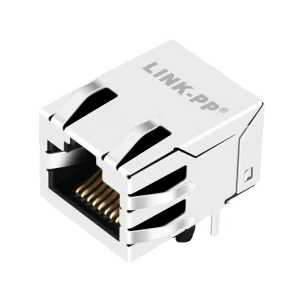
| 10/100 BASE-T | Tab-up/SMT Magnetic RJ45 Jack with LEDs | Integrated Internal Transformer & EMI Gaskets | IoT gateways, microcontrollers, embedded systems development |
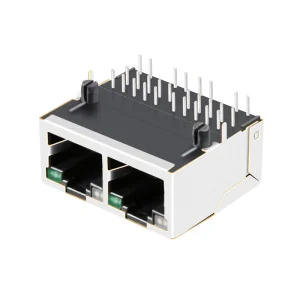
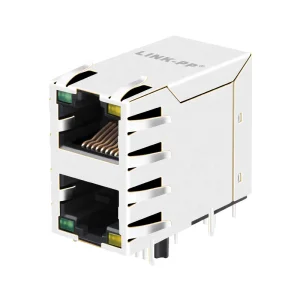
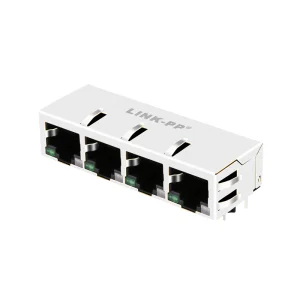
| 1000 BASE-T (1G) | 1x4 Ganged RJ45 Magjack with LED Shielding | Full Metal Shell, Multi-stage common mode chokes | Industrial PCs, edge servers, commercial network switches |
| 10G BASE-T / Fiber | SFP+ Copper Transceivers & Ganged Press-fit Cages | Through-hole metal spring fingers, EMI elastomeric gaskets | Hyperscale data centers, storage arrays, telecom backplane prototyping |
| Harsh Environments | Waterproof Keystone RJ45 Pass-Through | Threaded/bayonet locking rings, internal epoxy potting | Outdoor base stations, remote sensing equipment, maritime IoT |
How global sectors utilize high-precision Ethernet connectivity hardware to implement modern networking systems.
Modern factories utilize specialized hardware networks like EtherCAT and PROFINET, which demand minimal latency and high resistance to electromagnetic interference. Prototyping boards designed with components like the 0821-1X1T-36-F Industrial RJ45 Magjack isolate sensitive PHY chips from high-voltage transient surges generated by heavy machinery. Incorporating integrated USB/Ethernet combos simplifies layout space, allowing engineering teams to design space-constrained PLCs and industrial controllers with confidence.
As enterprise storage demands grow, hyperscale data centers require high-speed optical transceivers capable of handling up to 100G, 400G, and 800G optical lines. When developing physical switch architectures, engineering layouts must rely on highly reliable cage setups like the 2007132-1 TE Compatible Press-Fit SFP+ Cage. Using precise physical prototype components ensures that insertion/extraction forces, copper ground contact, and thermal dissipation paths are evaluated and validated before commit to volume PCB runs.
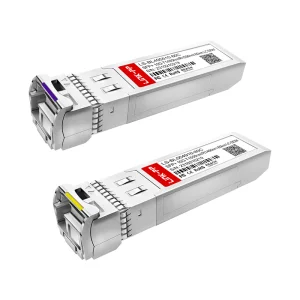
Weather tracking stations, smart grid relays, and solar installations are frequently exposed to harsh environments, temperature extremes, and dust. For these setups, developers require field-terminable, robust physical layers. Utilizing components such as the Waterproof Vertical Cat5e Cat6 Cat7 Data Socket Outlet allows design teams to run Ethernet signals securely out of sealed enclosures without risking ingress damage. In addition, using specialized transceivers like the 1490nm/1550nm Bidirectional SMF Optical Transceiver allows remote installations to transmit high-speed data over a single fiber up to 80km, simplifying remote deployment costs.
A deep dive into our manufacturing infrastructure, advanced optical validation capabilities, and OEM/ODM service models.
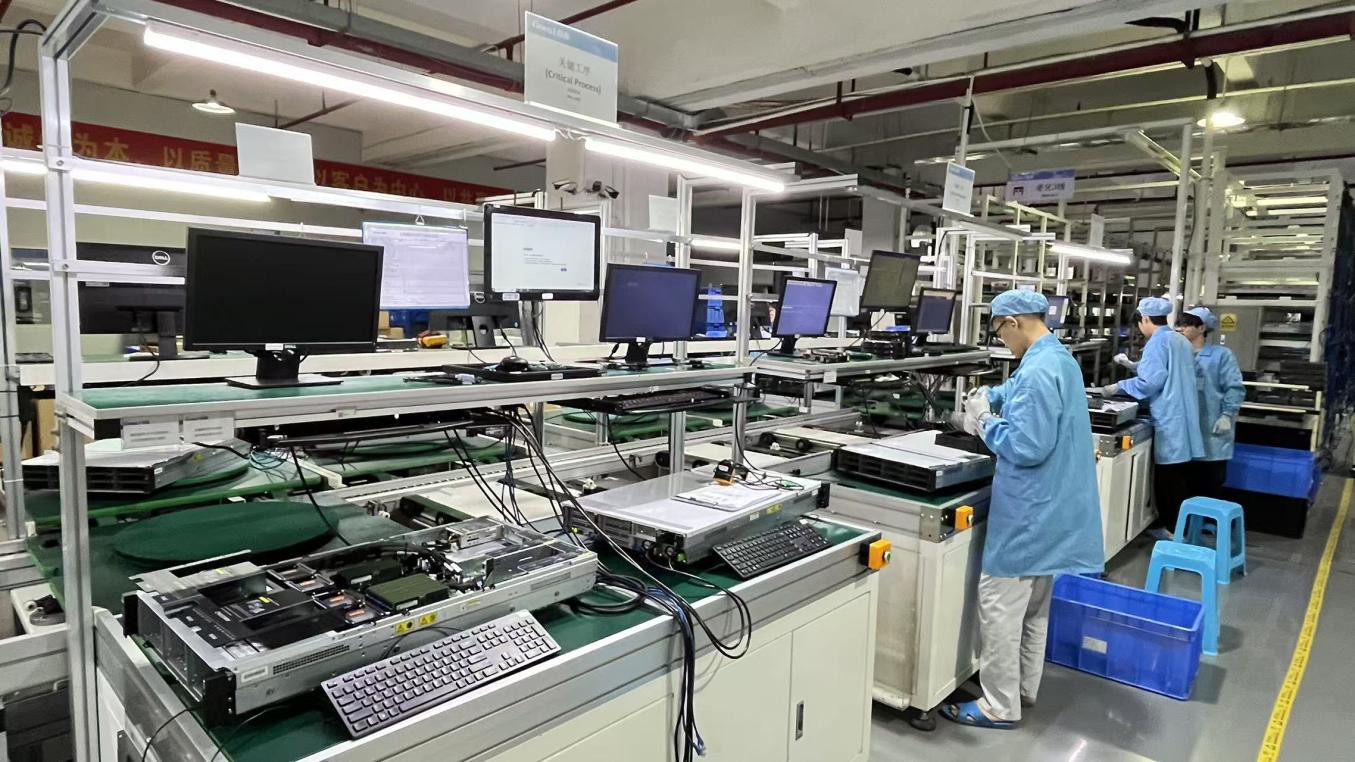
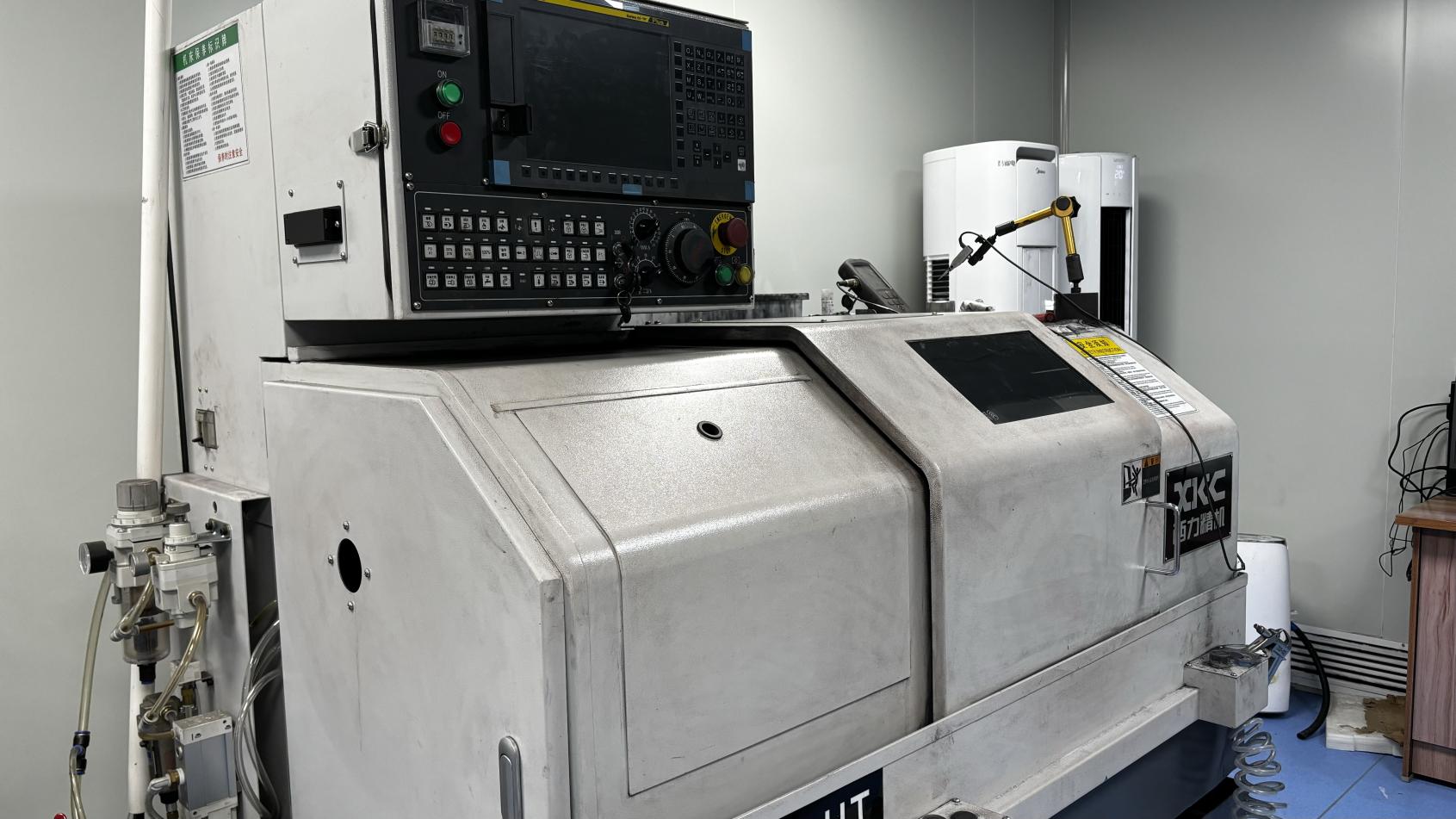
With an engineering team composed of 68 specialists, we focus on signal integrity, optoelectronic integration, and custom firmware configurations. Our facility introduced over 85 innovative designs in the past calendar year, adapting to evolving optical standards.
Our quality assurance program is managed by 32 dedicated inspectors. Every assembly undergoes a multi-stage validation process, including incoming raw material checks, in-process AOI inspections, thermal chamber testing, and compatibility validation across major networking systems.
We provide comprehensive OEM/ODM assistance. From custom PCB layouts and bespoke magnetics to tailored firmware, custom labeling, and tailored packaging, our manufacturing lines adapt to meet specialized client needs.
Xelivor Optoelectronics Co., Ltd. is a specialized manufacturer of optical transceivers and high-performance fiber connectivity products. Since our founding in 2016, we have supported enterprise networks, telecom providers, data centers, and cloud platforms globally. Operating from our production facility, our operations yield over $12 million in export revenues annually, serving customers in North America, Europe, and Asia.
We design and manufacture components ranging from SFP, SFP+, SFP28, QSFP28, to advanced QSFP-DD and OSFP systems, alongside high-speed direct attach copper cables (DAC) and active optical cables (AOC). To assist engineering teams during critical design stages, we supply high-quality networking accessories, connectors, and transceiver interfaces, ensuring clean signal paths from prototyping phase to final commercial run.


Best practices for procurement managers and hardware developers when sourcing board-level connectivity from China.
Procuring hardware prototyping and interconnect components internationally requires careful consideration beyond basic unit costs. Global purchasing teams must verify compliance, supply chain predictability, design adaptability, and mechanical longevity to ensure project success. When selecting a manufacturing partner, keep the following considerations in mind:
Answers to common design and sourcing questions from hardware engineers and procurement departments.
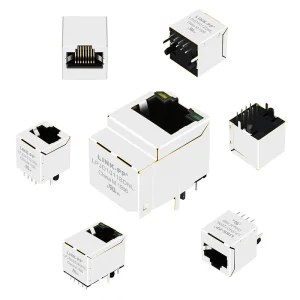
An integrated RJ45 Magjack combines the mechanical connector housing with essential magnetic isolation components (such as common-mode chokes and isolation transformers) inside a single shielded assembly. This integration saves valuable board space, reduces electromagnetic interference (EMI), and simplifies circuit design by eliminating long, noise-prone traces between the PHY chip and the connector.
Press-fit (elastic pin) SFP+ cages, such as the TE replacement 2169260-1 series, insert directly into plated-through holes on a PCB using mechanical pressure. This eliminates the need for wave soldering, which simplifies manual prototyping work, speeds up assembly, and makes it easier to replace or upgrade components during layout iterations.
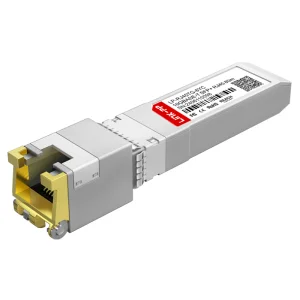
Yes, Xelivor's engineering team specializes in custom EEPROM programming. We write custom hardware IDs and operational tables, ensuring our transceivers (such as our 10GBASE-T SFP+ and Single-Mode 1.25G modules) integrate seamlessly with networking equipment from brands like Cisco, Juniper, HP, and Huawei.
Industrial applications subject interfaces to vibration, humidity, and repeated connection cycles. Our connectors feature 50-microinch gold plating on contact points to resist corrosion, prevent mechanical wear, and maintain reliable data transmission over the product's lifespan.
Every transceiver is subjected to comprehensive validation: incoming material checks, automated optical inspection (AOI), high-temperature aging chambers, compatibility verification with target switches, optical eye-pattern testing, and final quality checks.
Depending on layout complexity and component availability, initial engineering samples are generally ready within 2 to 3 weeks. Full volume production orders typically process in 4 to 6 weeks, supported by our strong domestic component supply chain.
Select high-durability components for outdoor installations, high-speed backplane integration, and customized prototype layouts.