Xelivor
Xelivor
Xelivor
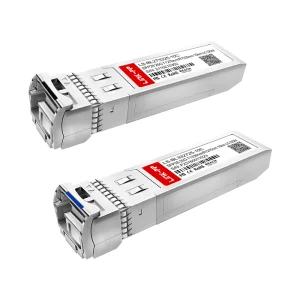
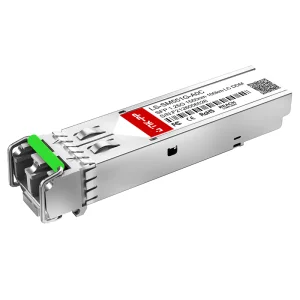
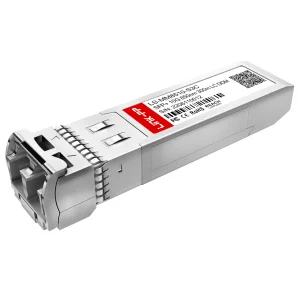
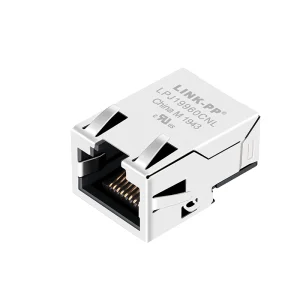
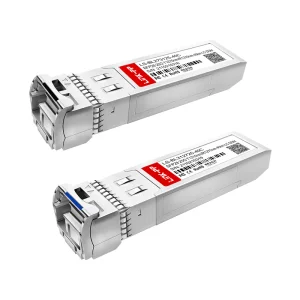
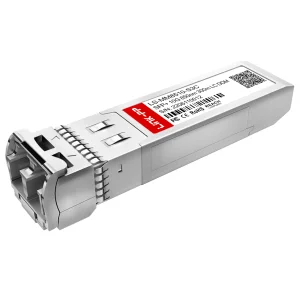
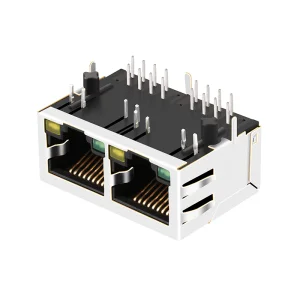
Explore our advanced range of high-speed SFP28/SFP+ optical transceivers and integrated RJ45 magnetic connectors designed for next-generation network infrastructures.
Analyzing the paradigm shift toward dense routing architectures, micro-electronics integration, and mechanical height constraints.
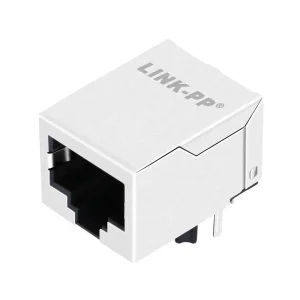
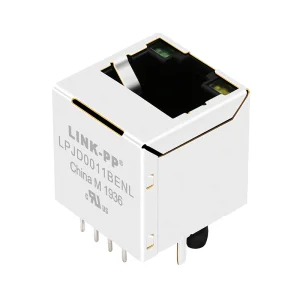
In the modern landscape of enterprise networks and edge computing, space on the Printed Circuit Board (PCB) has become the most valuable real estate. The emergence of IoT gateways, compact switches, micro-servers, and automotive infotainment hubs has driven demand for miniaturized interconnect systems. The low-profile Ethernet connector, characterized by its reduced vertical height (typically under 11.5mm compared to standard 14mm-16mm profiles), has evolved from a niche necessity to a core infrastructural building block.
"Miniaturization in high-speed hardware is not simply about shrinking plastic housing; it is about managing high-frequency signal integrity, crosstalk, and thermal dissipation in spaces where air convection is nearly non-existent."
Data center topologies are shifting from traditional high-rack units to ultra-dense 0.5U configurations and blade servers. Traditional standard-profile RJ45 connectors prevent PCBs from being stacked tightly or limit the horizontal stacking density on the faceplate. By adopting custom OEM low-profile RJ45 options, hardware engineers can reduce the physical headroom requirement by up to 40%. This allows for multiple parallel PCB daughterboards within a single chassis, directly doubling system processing density.
Shrinking the form factor brings physical challenges. As pins and internal trace routes are packed closer together, the risk of Near-End Crosstalk (NEXT) and Far-End Crosstalk (FEXT) increases exponentially. Premium low-profile connectors counter this through:
Understanding global supply chain challenges and how advanced fabrication centers address them through automated precision engineering.
Hardware procurement officers face multiple obstacles, including supply chain volatility, long lead times for custom tooling, and quality discrepancies. With strict compliance requirements (RoHS, REACH, UL) and the demand for long-term component lifecycle reliability, finding a factory capable of custom SMT pin adjustments and housing customization is essential.
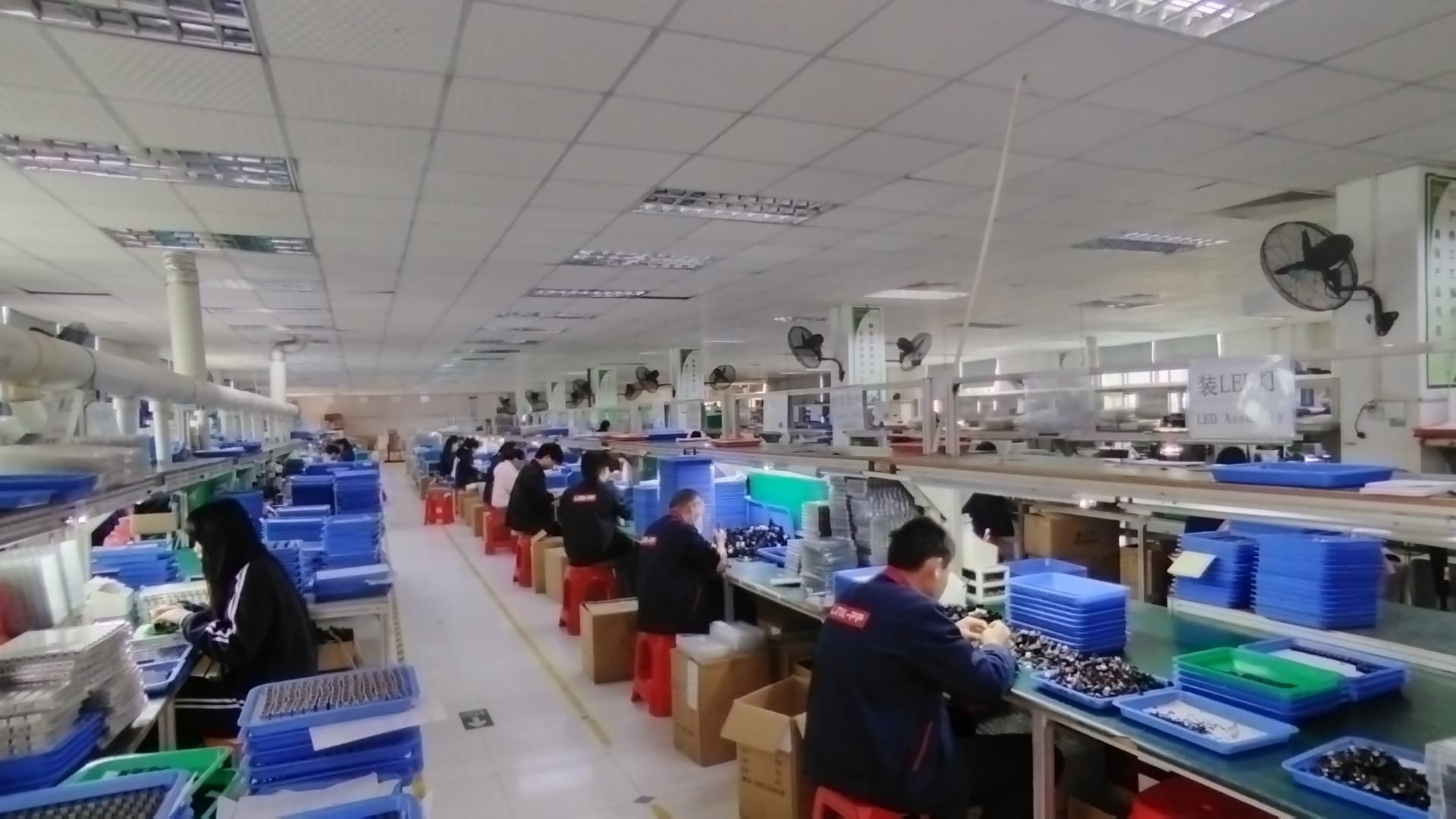
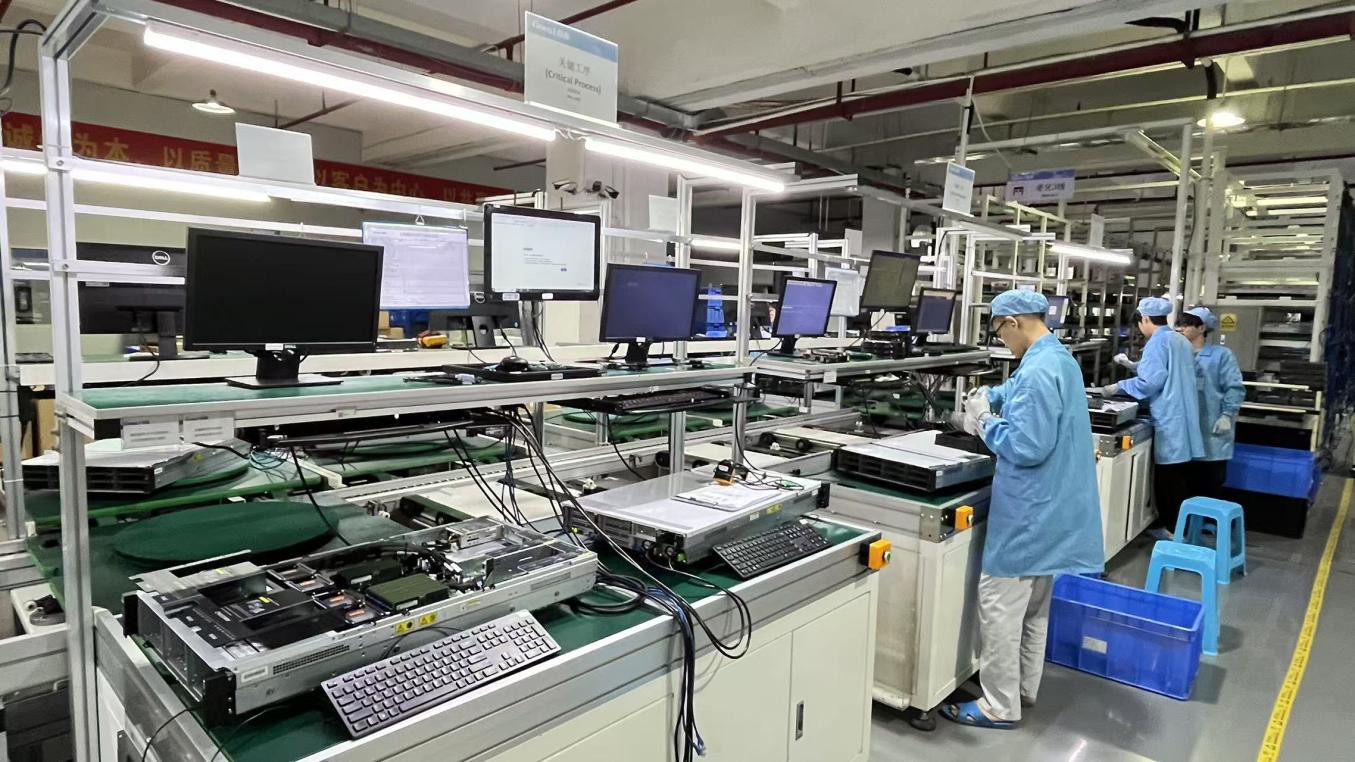
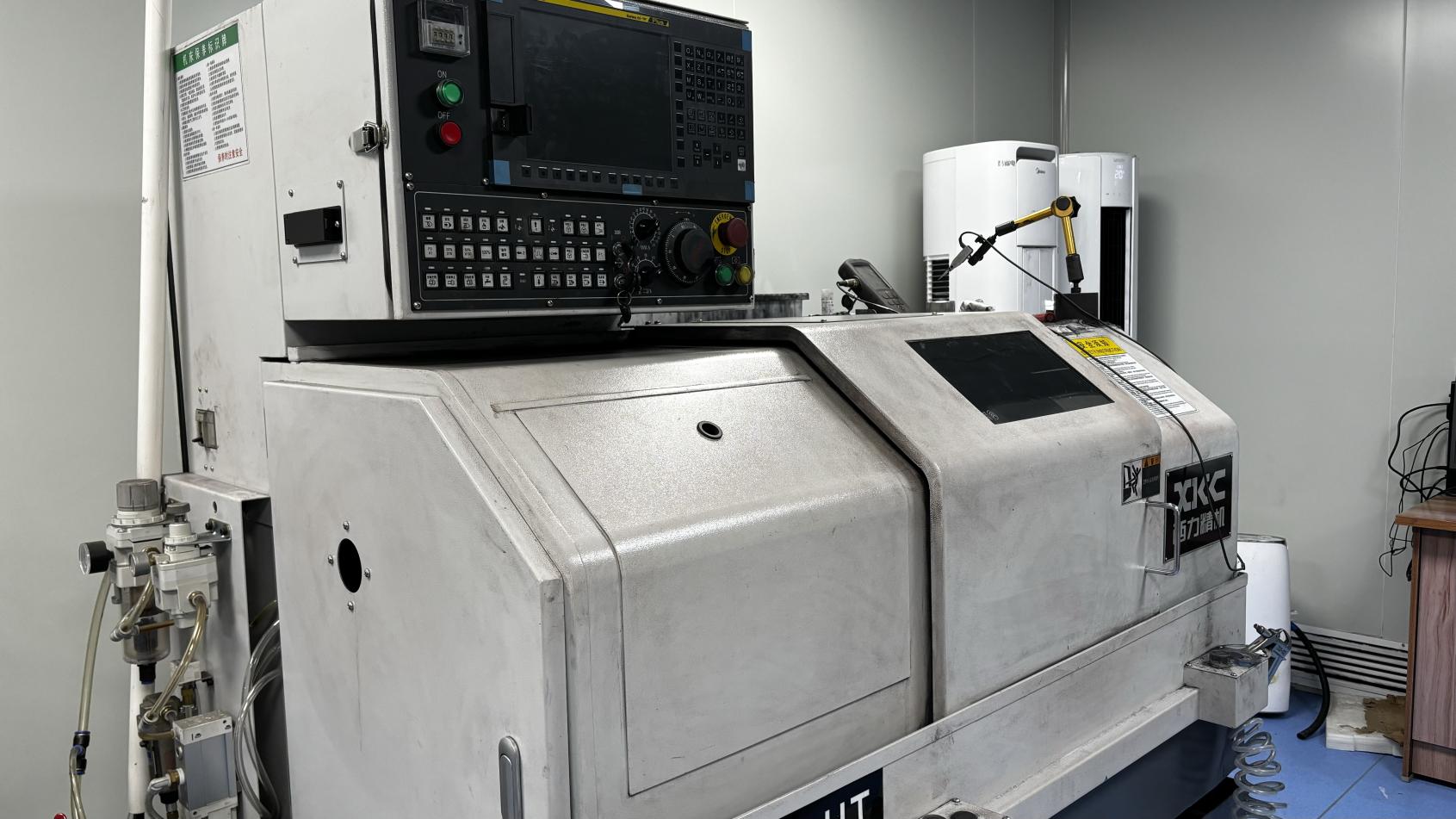
By leveraging automated assembly cells, optical inspections, and advanced manufacturing execution systems, Chinese factories achieve remarkable throughput speeds with high precision. This manufacturing framework enables cost efficiency while offering customizable low-profile options, adapting quickly to modifications in pin layouts, LED configurations, and shielding tabs.
Xelivor provides comprehensive OEM, ODM, private labeling, customized firmware, and tailor-made packaging solutions. Supported by a skilled R&D engineering team, we design connectors and optical transceiver housings that match specific customer mechanical parameters, solving complex space constraints.
From extreme industrial environments to high-density server architectures, low-profile designs ensure consistent performance.
On the automated factory floor, programmable logic controllers (PLCs), distributed I/O blocks, and industrial sensors are subject to constant vibrations and thermal cycling. Standard RJ45 connectors, due to their height, create leverage points that are susceptible to fatigue failure. Low-profile connectors have a lower center of gravity, making them inherently more resistant to shock and mechanical vibration. Integrated LEDs provide clear status indicators directly on the front panel, simplifying maintenance and troubleshooting.
Modern vehicles require high-bandwidth networks to support Advanced Driver Assistance Systems (ADAS), infotainment systems, and LIDAR/radar sensors. In space-restricted dashboard cavities, traditional connectors are too bulky. Low-profile designs are essential for compact PCBs, providing high-bandwidth performance up to 10G with minimal space requirements.
As 5G networks deploy across diverse environments, outdoor small cells and edge processing enclosures must remain compact and weatherproof. Low-profile, high-density RJ45 and SFP transceivers allow for smaller, lighter enclosures, easing pole-mounting and street-level installations.
Providing detailed, direct answers to common structural, electrical, and commercial queries from hardware design teams.
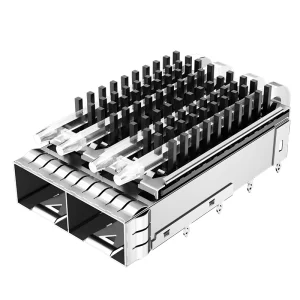
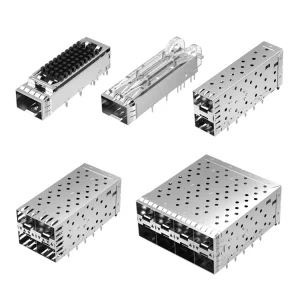
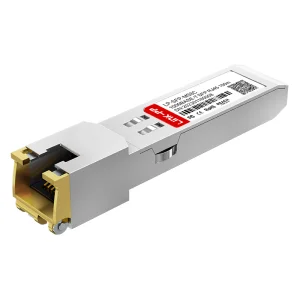
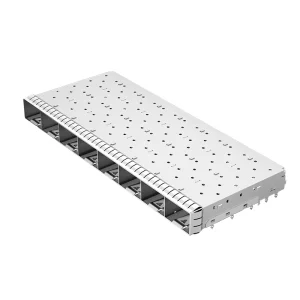
Complementary high-density interconnect systems, SFP cages, and copper/optical modules for high-frequency networking.
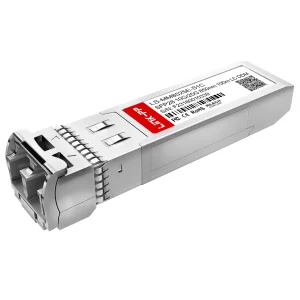
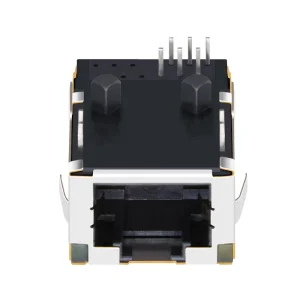
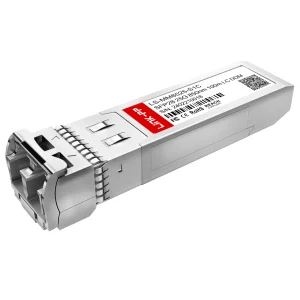
A reliable manufacturer of optical transceivers and high-performance fiber connectivity systems.
Xelivor Optoelectronics Co., Ltd. is a professional manufacturer of optical transceivers and fiber connectivity solutions, dedicated to serving global data center, telecom, enterprise network, and cloud computing industries. Established in 2016, the company operates from a modern manufacturing facility covering 386 m² and has built a strong reputation for delivering reliable, high-performance optical communication products worldwide.
With over 8 years of industry experience and 6 years of export experience, Xelivor has achieved annual export revenues exceeding USD 12 million. Our products are exported to customers across North America, Europe, Southeast Asia, the Middle East, and South America, supporting a wide range of networking applications from enterprise infrastructure to hyperscale data centers.
Xelivor specializes in the design, development, and production of optical transceivers, including SFP, SFP+, SFP28, QSFP28, QSFP-DD, OSFP, DAC, and AOC solutions. Backed by a dedicated R&D team of 68 engineers, the company continuously invests in innovation and launched more than 85 new products in the past year to meet the evolving demands of high-speed optical networks.
Quality is at the core of our operations. Our quality management system incorporates incoming material inspection, in-process quality control, aging tests, compatibility verification, optical parameter testing, and final product inspection. A professional quality assurance team of 32 inspectors ensures every product meets strict international standards before shipment.
The company maintains long-term cooperation with more than 850 supply chain partners, enabling stable sourcing, efficient production, and rapid delivery capabilities. Our flexible manufacturing system supports OEM, ODM, private label, customized firmware, customized labeling, and packaging services to satisfy diverse customer requirements.
As a company with strong independent R&D capabilities, advanced testing equipment, and a customer-oriented approach, Xelivor serves distributors, system integrators, telecommunications operators, data center providers, network equipment vendors, and enterprise customers worldwide.
Driven by innovation, quality, and partnership, Xelivor Optoelectronics Co., Ltd. remains committed to providing cost-effective, reliable, and future-ready optical communication solutions for global networking infrastructure.