Xelivor
Xelivor
Xelivor
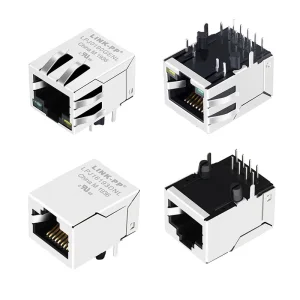
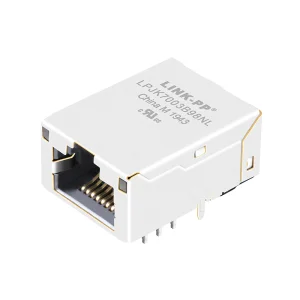
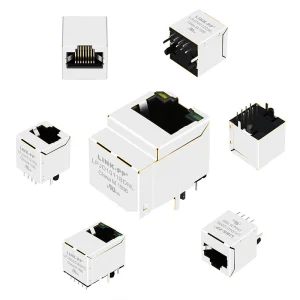
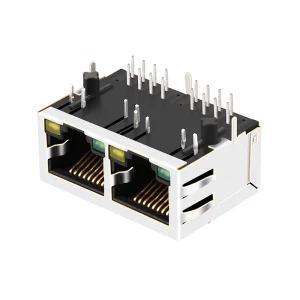
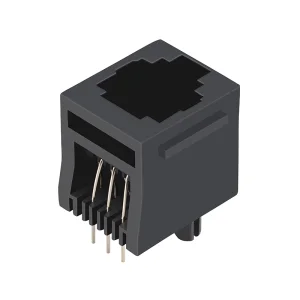
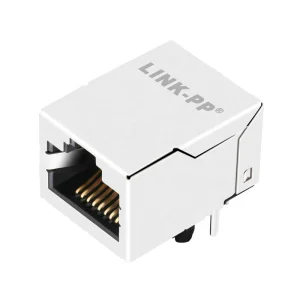
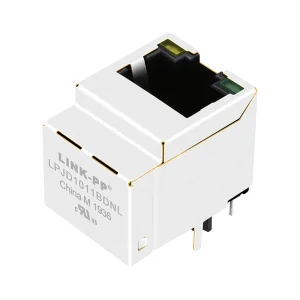
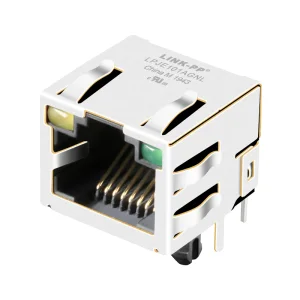
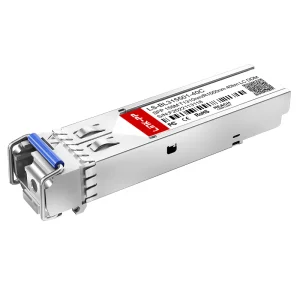
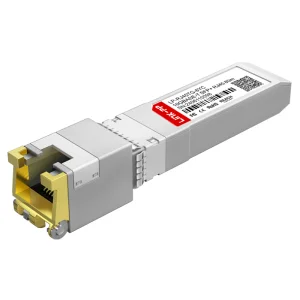
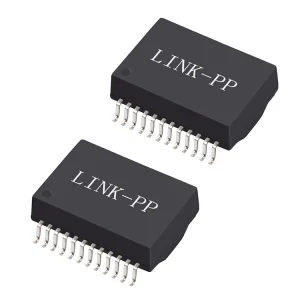
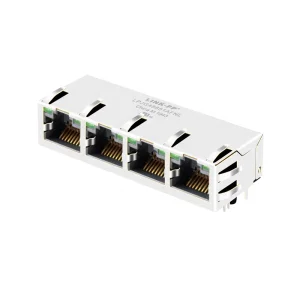
Explore our primary integrated magnetics, shielded network ports, and compatible optical components engineered for high-bandwidth networks.
Why leading global telecom providers and system integrators trust Xelivor's end-to-end electrical and optoelectronic designs.
Full cross-compatibility with market standard components. Strict drop-in replacement layout dimensions matching Amphenol, Halo, Pulse, and Bel Fuse footprints.
Backed by 68 specialized design engineers. We custom model magnetic configurations to isolate return loss and match specific PHY chipsets.
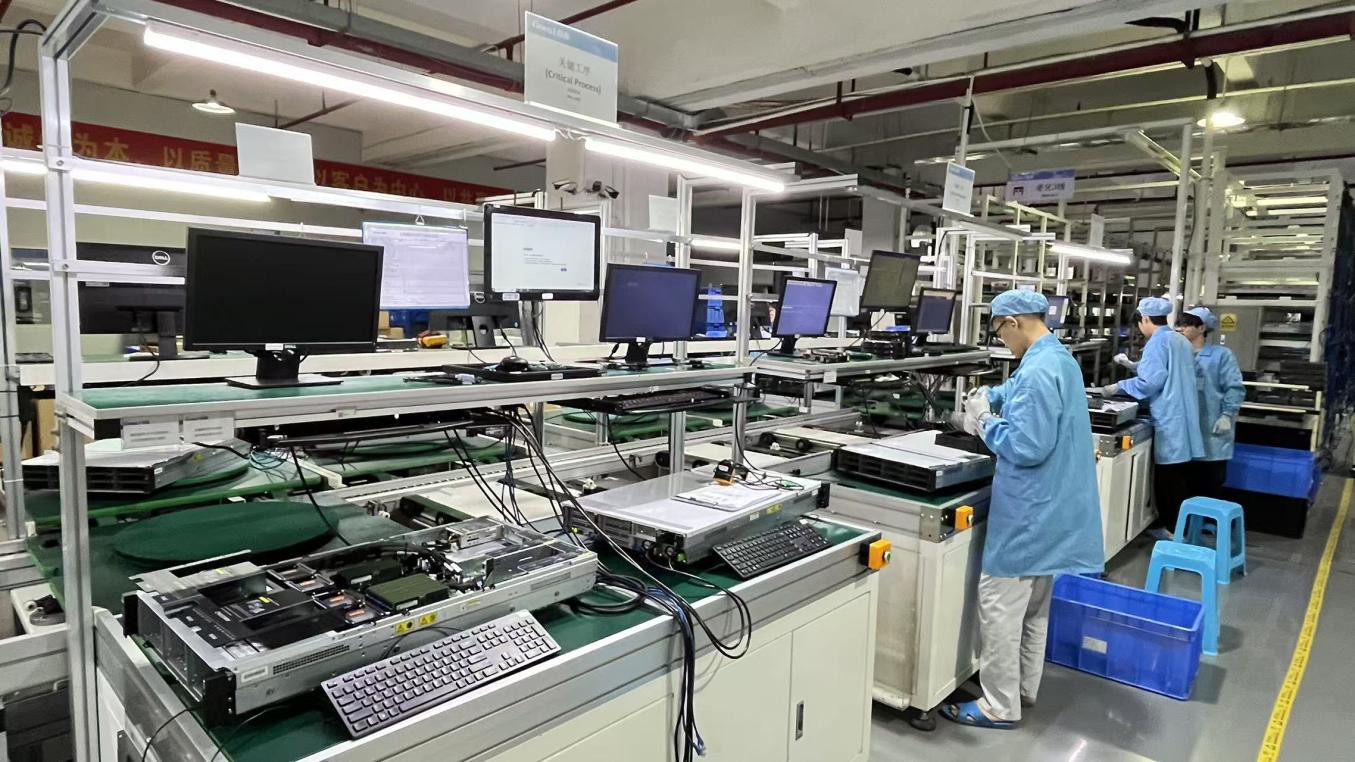
From material incoming control to final multi-gigabit automated testing. Certified 32-inspector QC line ensures robust insertion lifespan.
Annual Export Value
R&D Engineers
Supply Chain Partners
New Products Released Annually
As modern local area networks transition from historic gigabit architectures to complex multi-gigabit ecosystems (2.5G, 5G, and 10G Base-T), physical layer component selection has become a pivotal factor in infrastructure design. The ubiquitous RJ45 connector, once viewed as a simple mechanical interface, is now recognized as a complex assembly designed to maintain signal integrity, manage electromagnetic interference (EMI), and deliver DC power through Power over Ethernet (PoE) technologies.
In data centers, industrial automation zones, and telecommunication networks, maintaining clean high-frequency transmission demands components built with meticulous electrical characteristics. To support these evolving systems, hardware engineers require components that feature integrated magnetic transformers (often termed "Magjacks" or integrated connector modules) designed to suppress common-mode noise and isolate sensitive physical layer transceivers (PHYs) from external electrical transients.
Information Gain Insight: Unlike standard modular connectors, modern high-frequency compatible RJ45 variants must handle transmission frequencies of up to 500 MHz (for 10G Cat6A configurations). This requires advanced crosstalk cancellation techniques inside the connector's internal lead frame and terminal arrangement to prevent severe Next-End Crosstalk (NEXT) and Far-End Crosstalk (FEXT) degradation.
The global connectivity landscape is characterized by a hybrid topology where fiber optic transceivers and copper ethernet networks coexist. High-speed optical links dominate backhaul and long-reach data distribution networks, while copper interfaces (RJ45 and twisted-pair cabling) remain the standard choice for localized device connectivity due to their cost efficiency, flexibility, and support for PoE.
In smart manufacturing facilities and industrial IoT deployments, the demand for ruggedized, compatible RJ45 connectors has surged. Devices must operate reliably in high electromagnetic interference (EMI) zones alongside variable frequency drives and robotic controllers. To meet these demands, compatible RJ45 connectors are designed with integrated shielding, multi-point grounding tabs, and custom-wound magnetics to ensure uninterrupted communication packets.
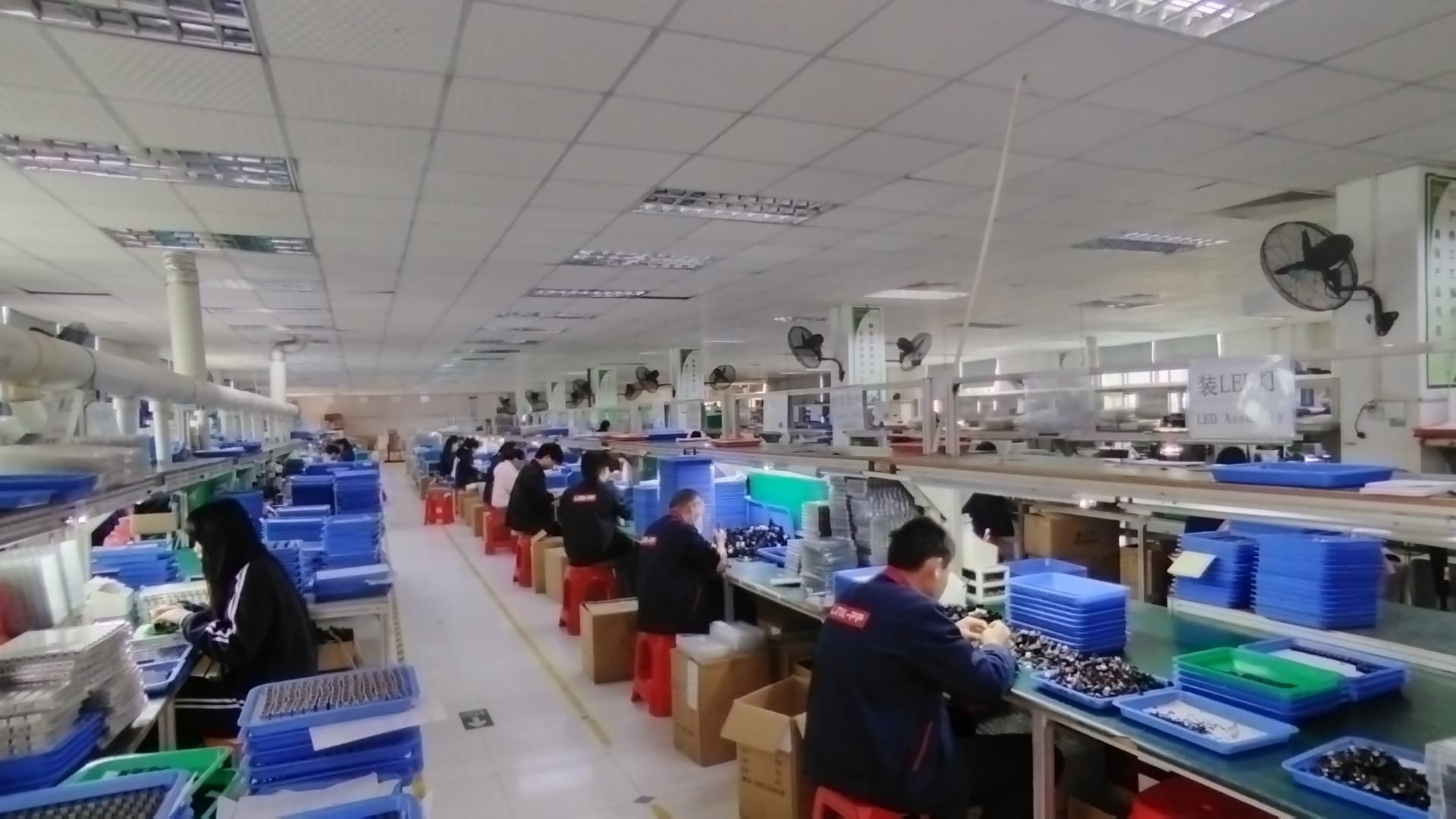
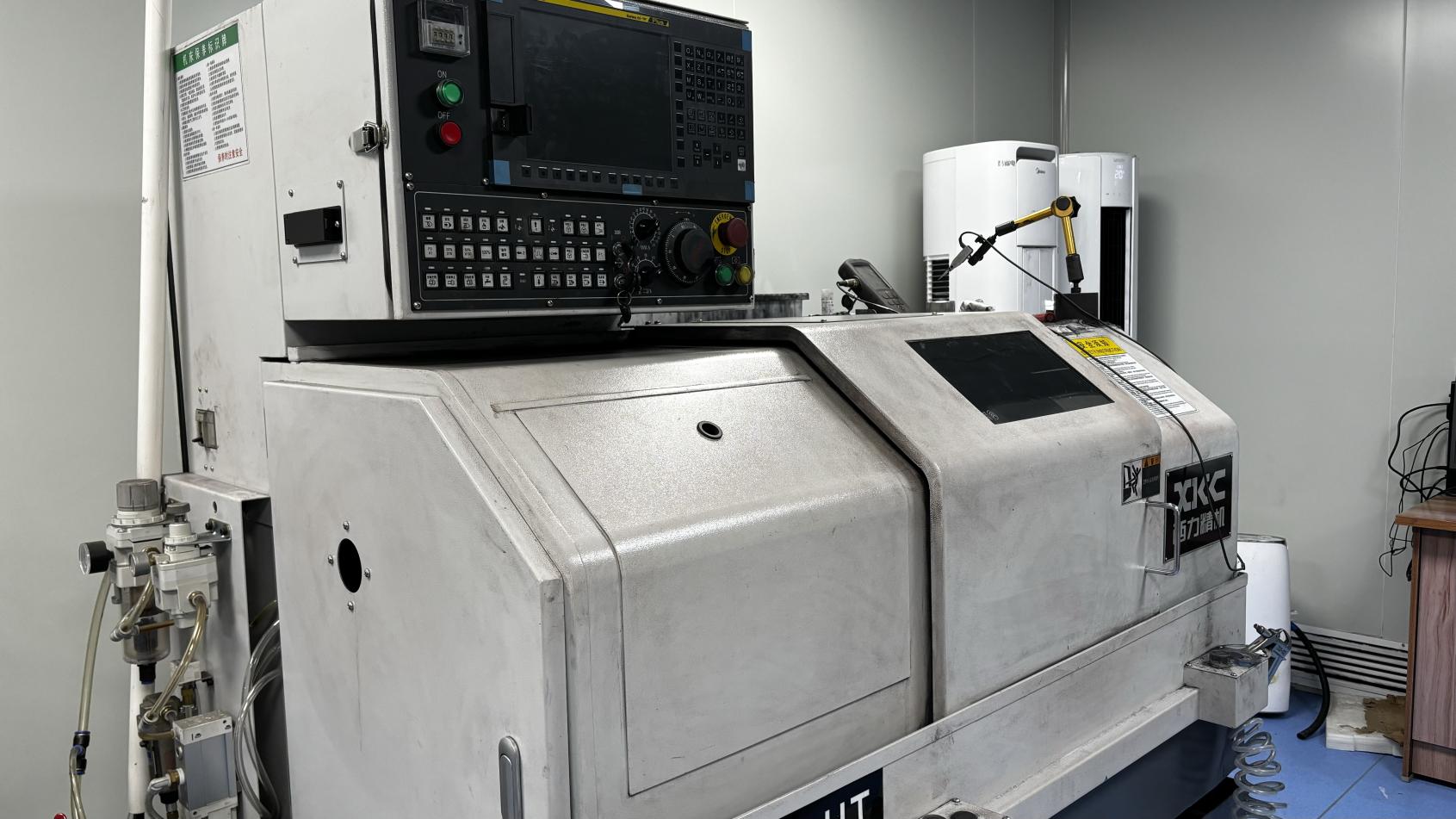
The global dominance of Chinese electronics manufacturing stems from dense supply chains, specialized tooling, and agile production lines. Xelivor Optoelectronics Co., Ltd. demonstrates these strengths through our dedicated manufacturing processes and supply chain partnerships. Operating with over 850 partners, we optimize raw material procurement, metal stamping, and injection molding to reduce lead times while maintaining quality.
Different installation environments require distinct modifications to the RJ45 footprint and internal layout. Understanding these conditions allows Xelivor to offer customized engineering services that address localized challenges:
1. Industrial Automation (IIoT) & Smart Grid Hubs: These systems are subject to high vibration and potential water exposure. For these environments, waterproof IP67/IP68 RJ45 housings are utilized to prevent liquid ingress, while internal magnetics are designed to withstand high-voltage isolation tests exceeding 1500V AC.
2. Enterprise Telecommunications & High-Density Datacenter Racks: In these settings, spatial constraints require space-saving solutions. Low-profile and multi-port (e.g., 1x2, 1x4, or 2x4 configurations) RJ45 connectors allow system designers to increase port density on networking switch faceplates without compromising thermal management or signal paths.
3. Power over Ethernet (PoE) Smart Lighting & Security Cameras: With the introduction of PoE++ (IEEE 802.3bt Type 4), connectors must carry up to 90W of DC power. This current causes thermal heating within the fine wire coils of internal transformer modules. Xelivor designs PoE-optimized magnetic modules featuring heavy-gauge wire windings and high-curie-temperature ferrite cores to prevent signal saturation and thermal runaway.
Looking to the future of physical layer network design, several key technical trends are shaping the development of RJ45 components:
Global procurement teams must balance component cost against long-term operational reliability. To minimize field failures and product recalls, technical buyers should use a structured verification method when sourcing RJ45 connectors:
First, verify electrical performance metrics under load, checking insertion loss, return loss, and crosstalk profiles across the target frequency band. Second, request mechanical endurance test records and cross-sectional microscopy analysis to verify gold plating thickness on the contact mating points.
Xelivor assists procurement departments by offering fully documented test reports, free engineering samples for in-system validation, and customizable labeling and packaging solutions to streamline supply chain integration.
Manufacturing Operations & Quality Verification Controls
Our quality assurance system integrates incoming material inspections, in-process quality control, aging tests, compatibility verification, and optical parameter testing. A professional quality assurance team of 32 inspectors ensures every product meets international standards before shipment.

Technical answers directly from Xelivor's engineering department regarding signal degradation, shielding, and compliance.
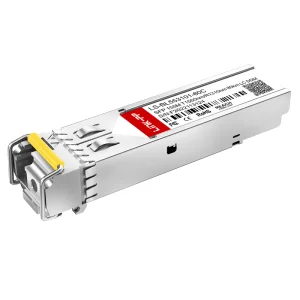
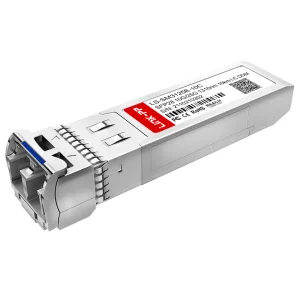
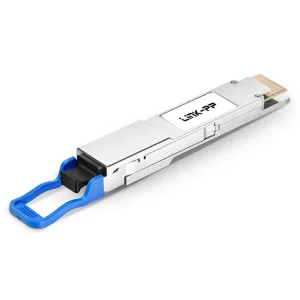
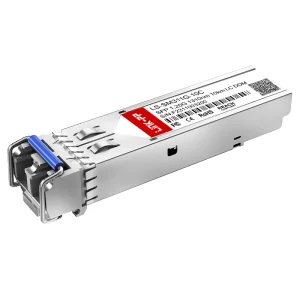
Review our secondary range of optical transceivers, waterproof interfaces, and specialized magnetics for telco infrastructure.