Xelivor
Xelivor
Xelivor
Founded in 2016, Xelivor Optoelectronics Co., Ltd. stands at the forefront of the global optical communication industry. As a dedicated OEM/ODM manufacturer, we specialize in high-reliability fiber connectivity and active/passive transceiver solutions engineered to support modern data centers, long-haul telecommunication systems, enterprise routing/switching backbones, and rapid cloud-based infrastructure rollouts.
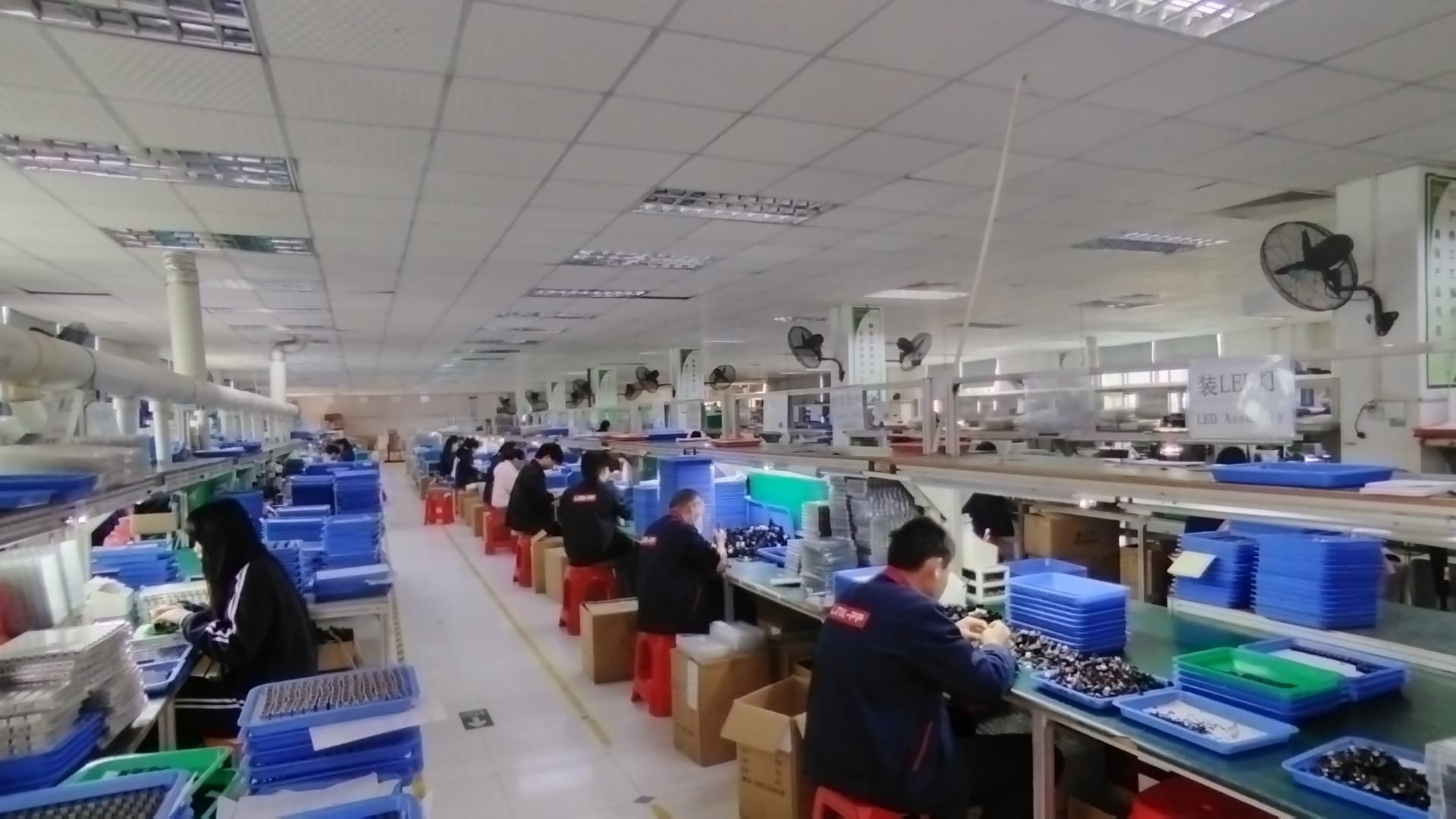
Operating from a modernized, dust-free manufacturing facility of 386 m², we focus on precision engineering, rapid prototyping, and specialized high-speed optoelectronic validation. Backed by 8 years of foundational industry experience and 6 years of international market penetration, Xelivor has generated over USD 12 million in annual export revenues. Our global distribution network supports deployment footprints across North America, the EU, South America, the Middle East, and Southeast Asia.
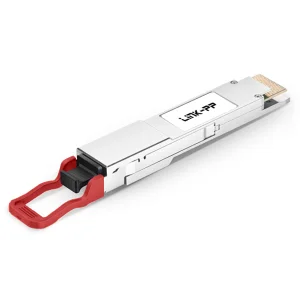
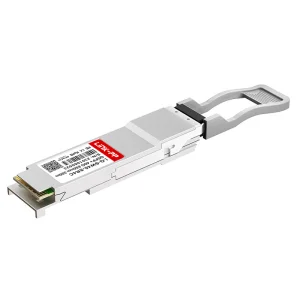
Our technology portfolio ranges from legacy 1.25G SFP transceivers to next-generation hyperscale interfaces including SFP+, SFP28, QSFP28, QSFP-DD, OSFP, alongside Direct Attach Copper (DAC) cables and Active Optical Cables (AOC).
As a prime OEM/ODM optical transceiver supplier, Xelivor leverages a flexible manufacturing execution system (MES) to cater to bespoke physical design, hardware engineering, and compatibility layers for critical deployment nodes.
We customize the EEPROM memory maps (specifically matching A0h and A2h address tables) to support multi-vendor equipment hosts including Cisco, Juniper, HPE, Arista, Dell, Intel, Huawei, and others, ensuring error-free configuration.
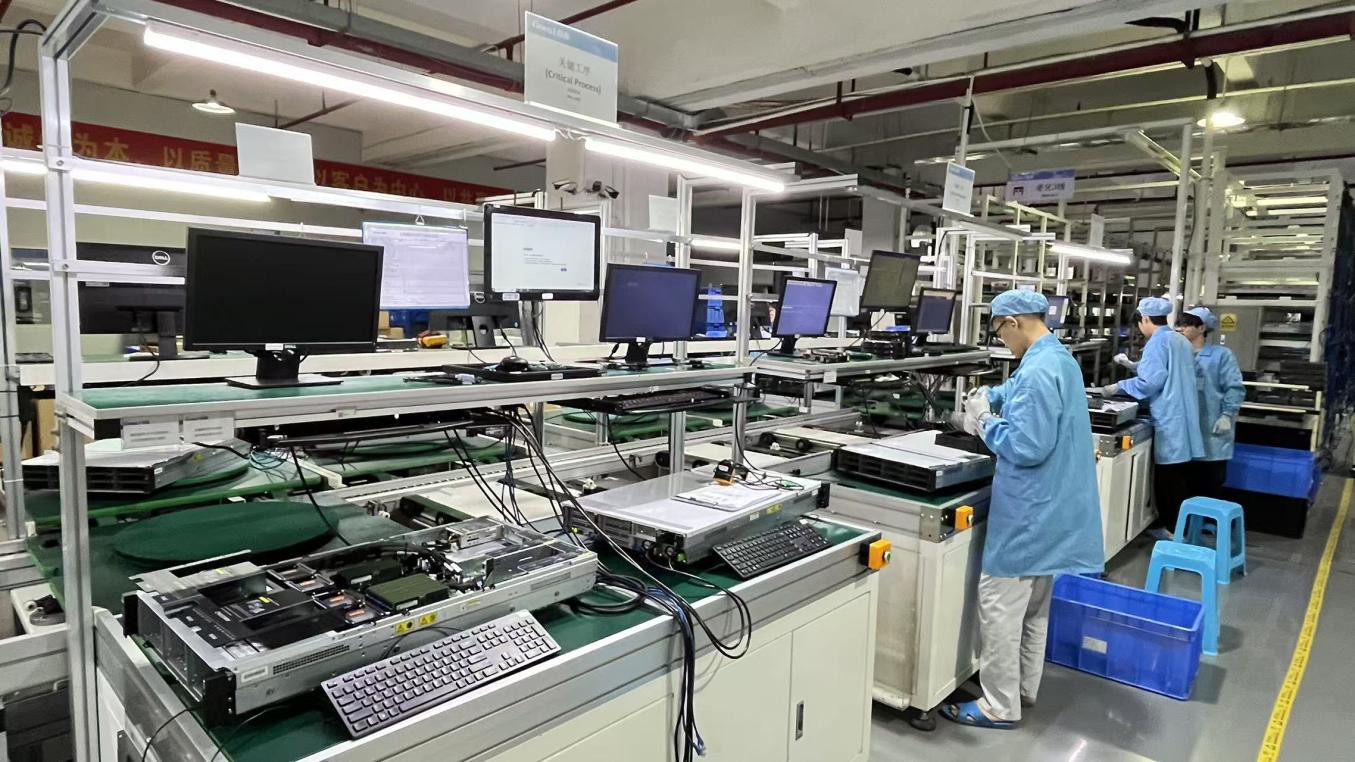
Our QA protocol tests optical parameters, bit error rate (BER), eye diagrams, and performs 48-hour thermal aging tests inside real host environments, verifying stable link performance.
We offer custom hardware labeling, laser etching on metal housings, and tailored commercial packaging configuration to fit your brand identity and supply logistics.
Leveraging the world's most complete optoelectronics ecosystem, Xelivor delivers high-efficiency, cost-optimized manufacturing solutions that streamline global supply chains.
Proximity to optical components providers—including laser diodes (TOSA/ROSA), precision optical sub-assemblies, and specialized micro-optics—allows us to source components rapidly and manage lead times.
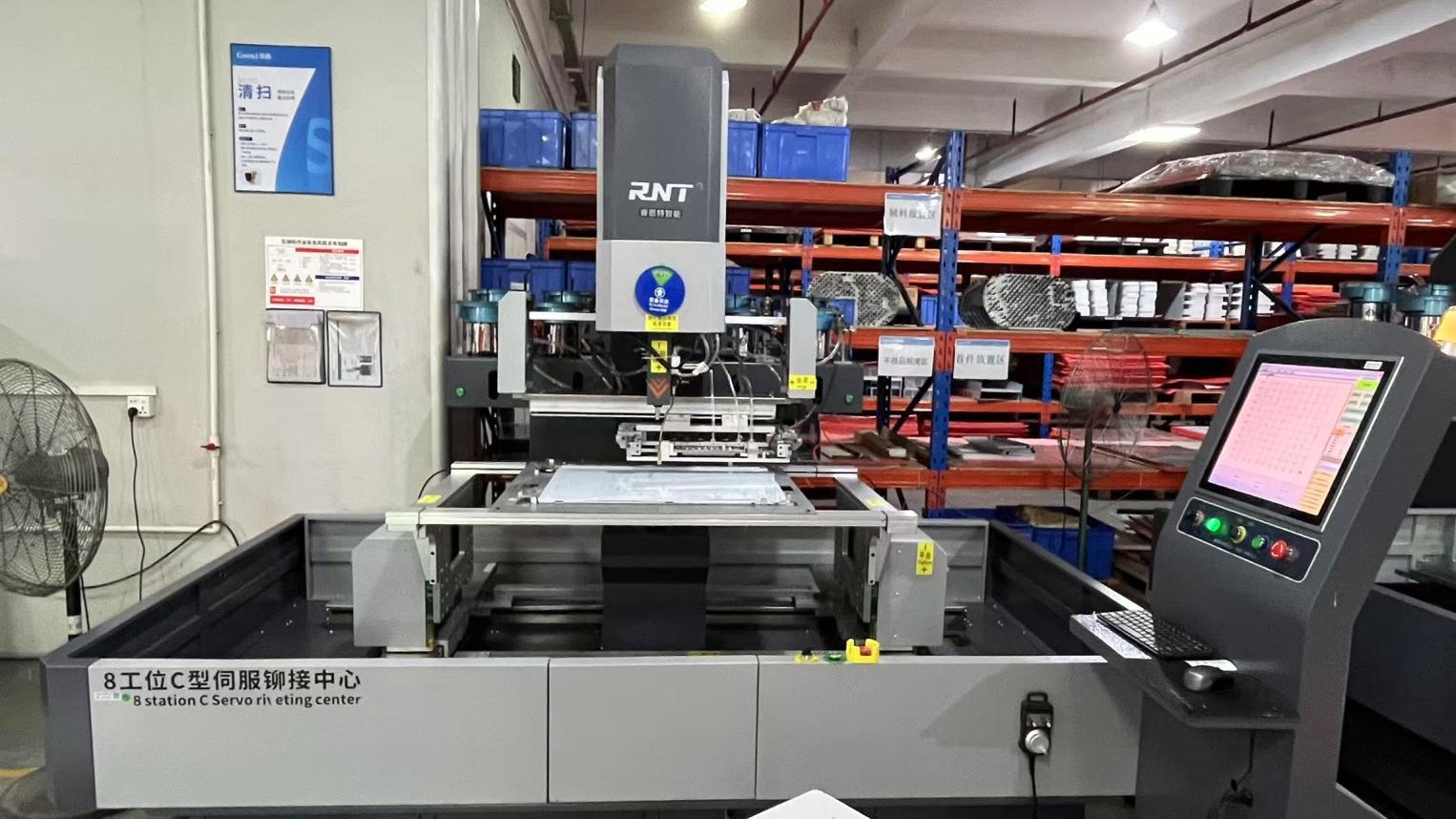
Our production lines employ automated die bonding, active alignment systems, and multi-channel robotic testing to secure consistent yield rates and high module performance.
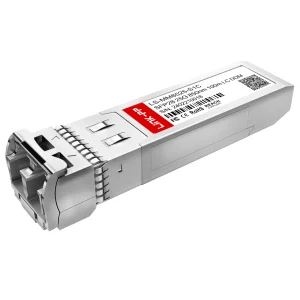
Whether handling small batch runs of specialty DWDM modules or large-volume production of standard 10G/25G SFP transceivers, our facility adapts to match customer order cycles.
Lower regional utility costs, optimized production lines, and streamlined import/export logistics enable competitive pricing, helping global enterprises reduce overall network hardware costs.
As bandwidth demand rises, optical transceivers are evolving toward higher spectral efficiency, lower thermal footprints, and increased silicon integration.
To support high-bandwidth computing applications like AI training clusters, networks are shifting toward PAM4-encoded 400G and 800G optical interfaces (QSFP-DD and OSFP). Modern configurations are laying the groundwork for future 1.6T optoelectronic architectures.
Integrating active and passive optical components directly onto silicon chips simplifies packaging, improves manufacturing yields, and reduces power consumption per gigabit compared to traditional discrete optical assemblies.
Placing optical engines close to the host ASIC chip helps minimize trace length, reduces electrical signal losses, and supports the thermal management required for high-density network switches.
Xelivor's optical products are deployed across diverse sectors, satisfying strict technical requirements for compatibility, latency, and reliability.
Spanning leaf-spine networks with high-density QSFP28 100G and QSFP-DD 400G architectures. Our modules provide low transmission latency and thermal efficiency to support sustained computing workloads.
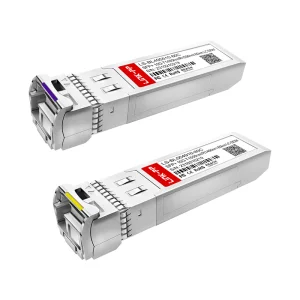
Supporting long-haul single-mode fiber links, CWDM/DWDM wavelength multiplexing, and BiDi SFP transceivers that optimize fiber utilization in metropolitan backhaul and FTTH networks.
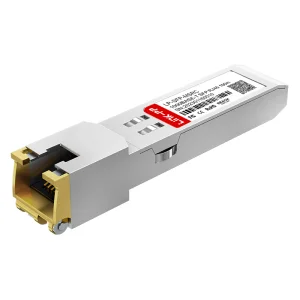
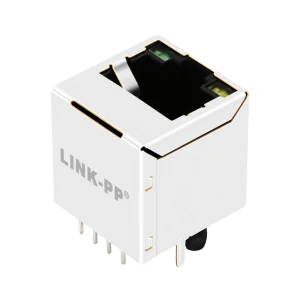
Providing copper SFP connectors, SFP+ 10G duplex modules, and industrial-grade network components designed to withstand temperature fluctuations in distributed commercial buildings.
For global enterprise buyers, purchasing managers, and network architects, sourcing hardware involves managing multiple technical and operational constraints. At Xelivor, we structure our manufacturing processes to meet these key operational metrics:
Our QA pipeline integrates verification at every step of production. Every transceiver undergoes pre-assembly testing, optoelectronic alignment tuning, and final parameter diagnostics.
By maintaining a strong component inventory and collaborating with raw-material partners, we secure a stable supply chain, helping mitigate global semiconductor shortages and shipping delays.
Detailed technical insights to assist engineers and procurement teams in designing and deploying optical interconnects.
Our engineers write custom firmware code to match the target device's EEPROM registry structure (e.g., MSA standards). Every batch is validated on host switches from brands like Cisco, Juniper, HPE, and Arista. This compatibility testing ensures our transceivers report system telemetry correctly without triggering third-party hardware warnings.
These designations represent different transmission distances and wavelengths over fiber:
• SR (Short Range): Uses multimode fiber (MMF), typically at 850nm, and supports distances up to 300 meters.
• LR (Long Range): Uses single-mode fiber (SMF), typically at 1310nm, and supports distances up to 10 kilometers.
• ER (Extended Range): Uses single-mode fiber (SMF), typically at 1550nm, and supports distances up to 40 kilometers.
• ZR (Extended Range Plus): Uses single-mode fiber (SMF) and optical amplifiers, supporting distances up to 80 kilometers or more.
DDM/DOM (Digital Optical Monitoring) allows network administrators to view real-time operating parameters of the optical module. This includes laser transmitter power, receiver optical power, module temperature, supply voltage, and laser bias current. Accessing this data helps technicians identify degradation, predict link failures, and troubleshoot fiber connections.
BiDi transceivers use wavelength division multiplexing (WDM) to transmit and receive signals over a single strand of single-mode fiber. For example, using 1310nm for upstream and 1490nm for downstream allows full-duplex communication over one fiber, cutting cable layout and leasing costs by up to 50%.
We use high-conductivity internal materials, structural designs that align with SFP/QSFP MSA heatsink specifications, and optimized circuit layouts. These elements combine to minimize power dissipation (W/Gbps) and maintain safe junction temperatures under high port densities.
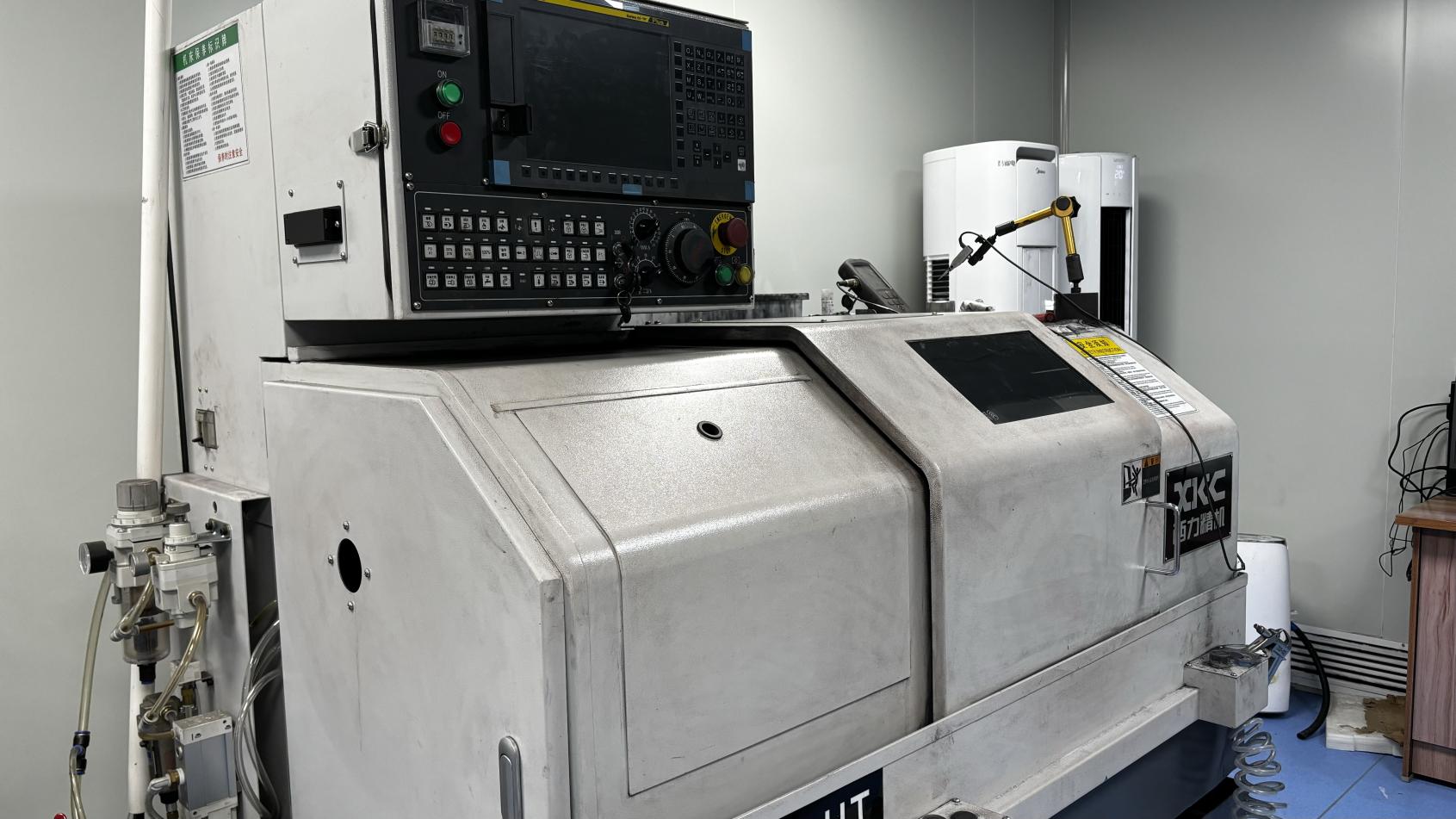
An inside look at our assembly lines, cleanrooms, and testing facilities, where we build and validate our optical transceivers.