Xelivor
Xelivor
Xelivor
Our top selection of integrated modular jacks, optical transceivers, and discrete magnetic components designed for high-density physical layer configurations.
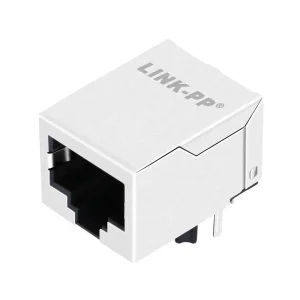
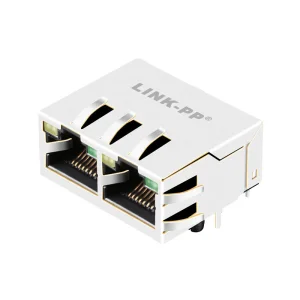
In high-speed telecommunications and data processing environments, the performance of the physical layer (Layer 1) determines the stability and bandwidth efficiency of the entire system. The RJ45 Ethernet Jack, specifically units integrating magnetic components (MagJacks/ICMs), serves as the gatekeeper of signal integrity. From limiting Electromagnetic Interference (EMI) to facilitating Power over Ethernet (PoE) up to 90W-100W, selecting a tier-one supplier is a critical strategic decision for hardware engineering leads and procurement directors.
The industrial and commercial markets for RJ45 connectors are expanding rapidly, driven by the expansion of hyperscale data centers, 5G base stations, Internet of Things (IoT) deployments, and the automation of manufacturing facilities (Industry 4.0). Analysts project the global ethernet connector and jack market will reach multi-billion dollar valuations by 2028, with high-speed (10G Base-T and above) and PoE-compliant modular jacks exhibiting the highest compound annual growth rates (CAGR).
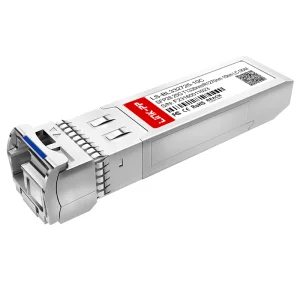
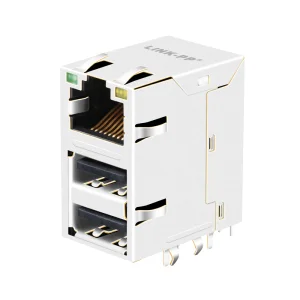
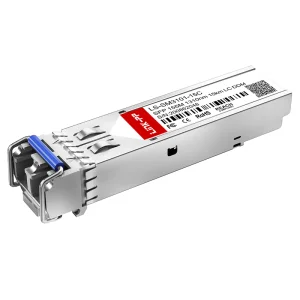
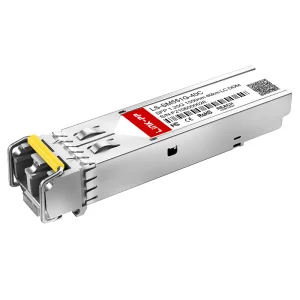
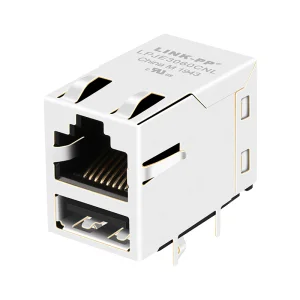
The transition from 1G and 10G copper paths to hybrid SFP+ optical networks has redefined server backplanes. Modern server switches rely heavily on dual SFP/RJ45 interfaces to maintain compatibility with legacy legacy devices while supporting low-latency optical connections.
EtherCAT, PROFINET, and Modbus TCP require heavy-duty, shielded RJ45 jacks with robust gold plating. Vibration-resistant configurations, vertical orientations, and IP-rated enclosures are standard requirements to prevent signal attenuation on factory floors.
IP security cameras, wireless access points, and smart lighting systems rely on Power over Ethernet (PoE) technology. This places a heavy burden on RJ45 pins to carry high DC currents (up to 1A per pair) without overheating or compromising the data carrier lines.
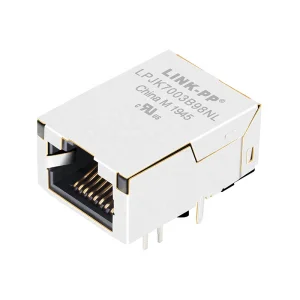
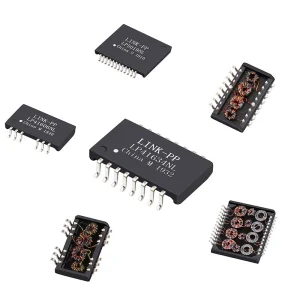
Historically, RJ45 jacks were simple passive plastic enclosures containing copper terminals. As Ethernet speeds progressed from 10 Mbps to 10 Gbps (and now 25G/40G in advanced systems), standard wires began acting as antennas, producing severe EMI and crosstalk. To counteract these physical limits, suppliers developed Integrated Connector Modules (ICMs), also known as MagJacks.
| Parameter Class | Category 5e (Cat5e) | Category 6 (Cat6) | Category 6A (Cat6A) | Category 8 (Cat8) |
|---|---|---|---|---|
| Max Bandwidth | 100 MHz | 250 MHz | 500 MHz | 2000 MHz (2 GHz) |
| Maximum Data Rate | 1 Gbps | 1 Gbps (10G at short run) | 10 Gbps | 25 Gbps / 40 Gbps |
| EMI Shielding Requirement | Optional / Unshielded | Recommended / Shielded | Mandatory Shielding (FTP) | Full Shielded (S/FTP) |
| Typical Applications | Office LAN, VoIP Phones | Gigabit Switch Uplinks | Datacenters, Edge Processing | Hyperscale Switch-to-Server |
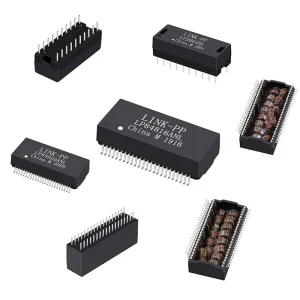
The Integration of Magnetics: Modern RJ45 jacks feature embedded PCB-mounted isolation transformers and common mode chokes. These components perform three critical tasks:
A one-size-fits-all RJ45 configuration does not exist. Connectors must be chosen, engineered, and certified according to the specific environmental stresses of their destination system.
Requires lightweight, small-footprint connectors capable of operating across a wide temperature range (-40°C to +105°C). Must withstand continuous vibration without contact micro-interruptions. Gold contact thickness must be 50μ” (micro-inches) to prevent fretting corrosion.
Demands waterproof RJ45 configurations rated IP67 or IP68. Must feature built-in lightning surge protection (up to 6kV). Shielding must be grounded securely to the chassis to dissipate electrostatic discharges (ESD) safely.
Requires high-isolation transformers to protect patients from stray leakage currents, exceeding standard IEC 60601-1 medical electrical equipment guidelines. Non-magnetic alloys are sometimes selected to prevent interference with MRI fields.
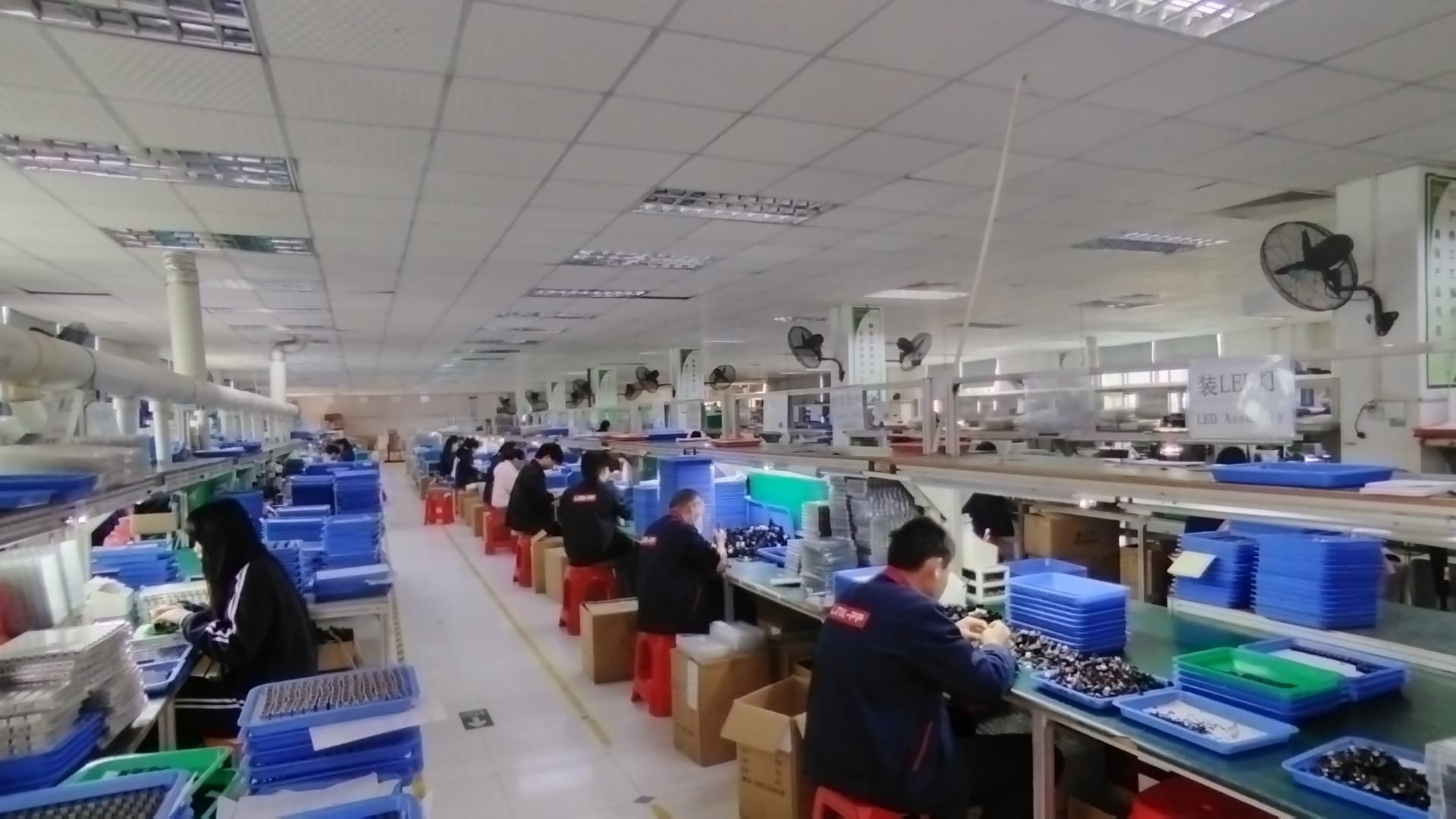
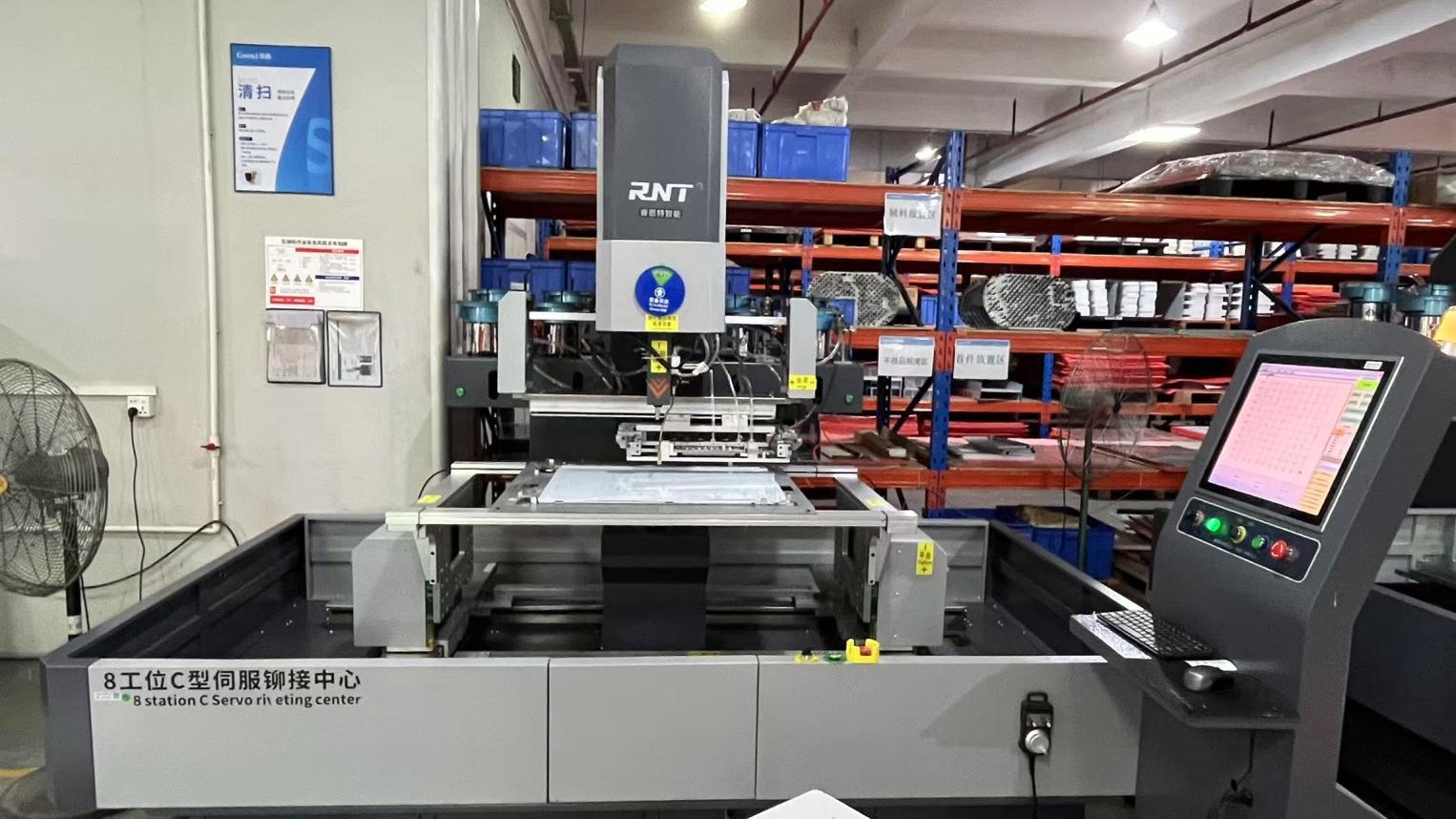
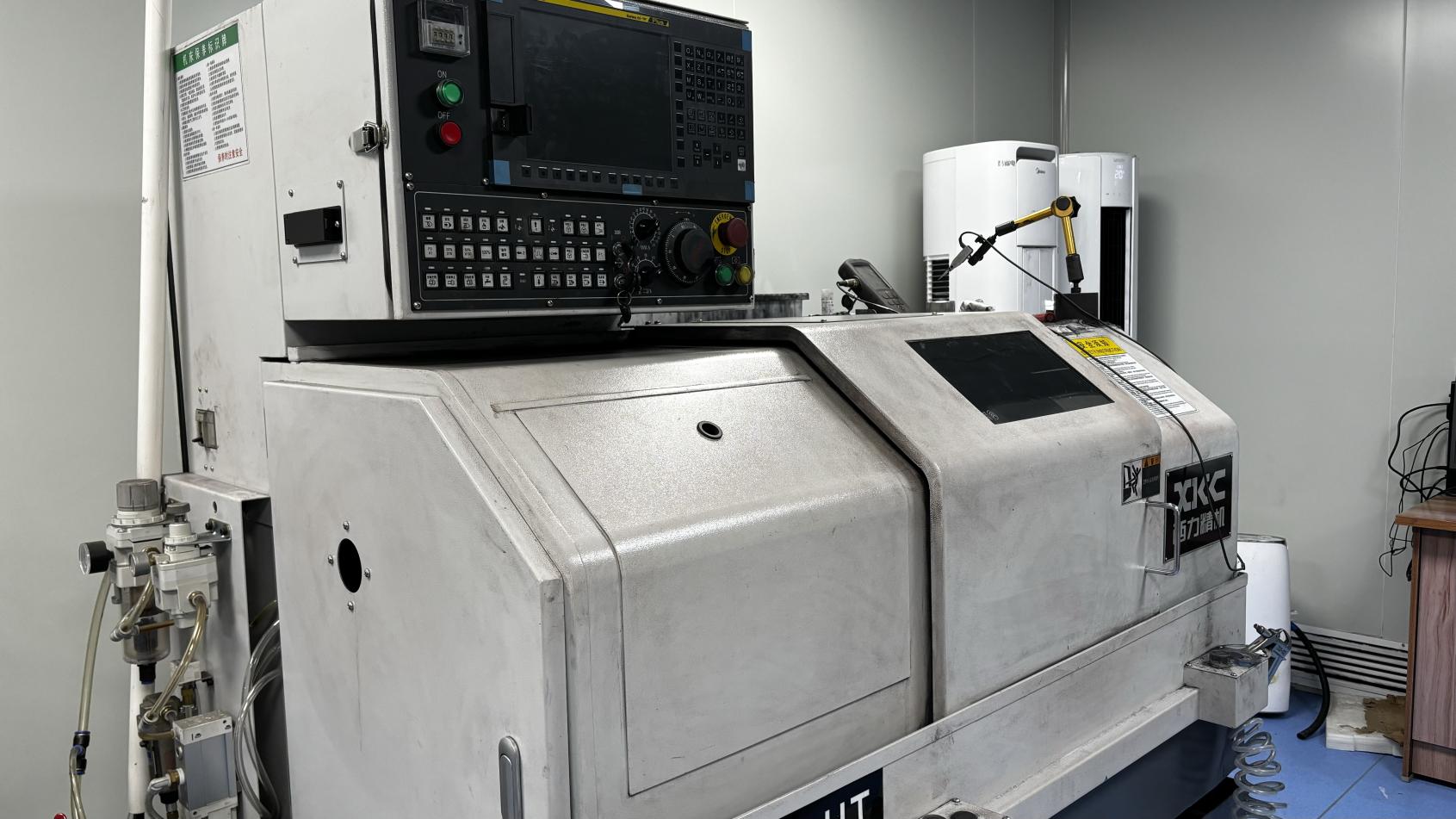
Xelivor Optoelectronics Co., Ltd. is a professional manufacturer of optical transceivers, fiber connectivity systems, and specialized Ethernet interface solutions, serving global data centers, telecommunications, enterprise networks, and cloud computing industries. Established in 2016, the company operates from a highly precise manufacturing facility covering 386 m², optimized for high-performance optical communication products.
With over 8 years of industry experience and 6 years of direct export operations, Xelivor has generated annual export revenues exceeding USD 12 million. The company's products are deployed across North America, Europe, Southeast Asia, the Middle East, and South America, supporting critical communications infrastructure.
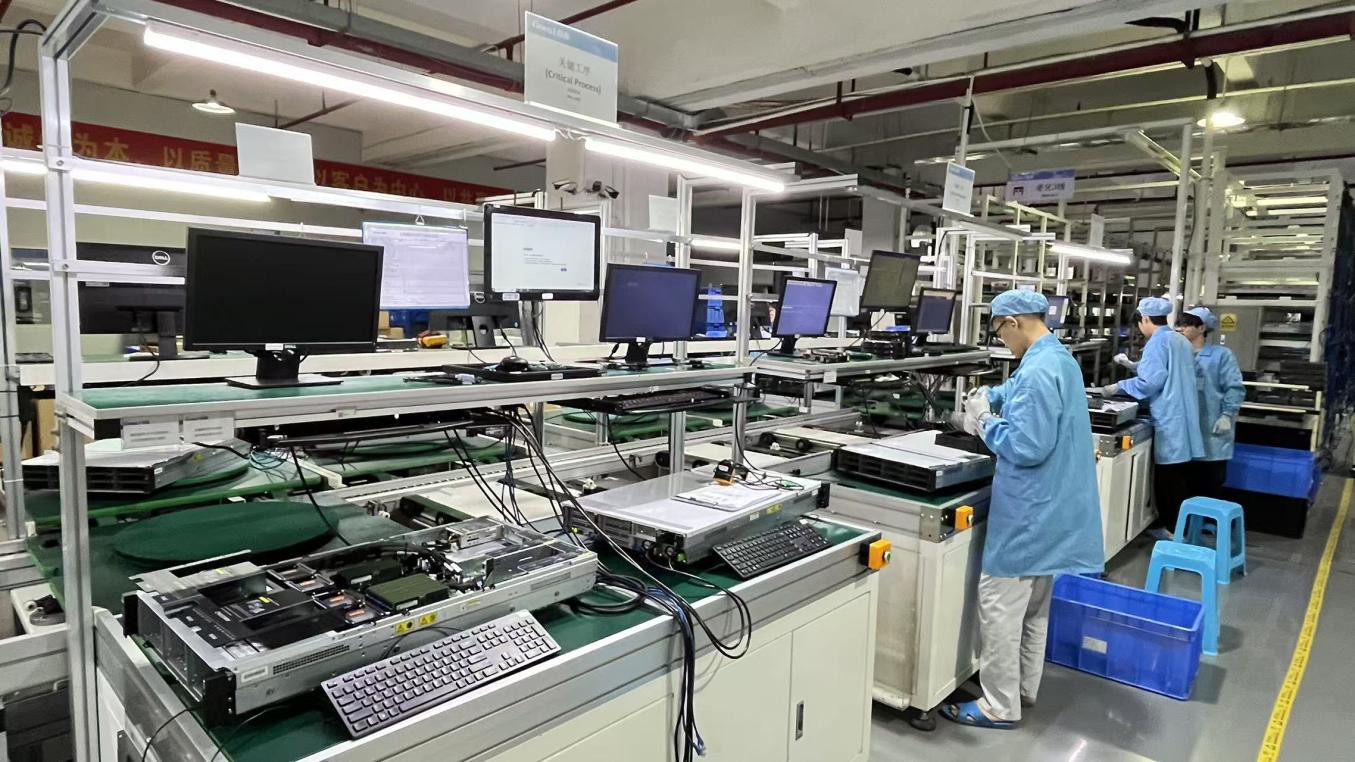
Quality control is central to Xelivor's manufacturing. Their comprehensive quality management system integrates raw material inspection, in-process checking, high-temperature burn-in tests, compatibility validation, optical parameter calibration, and final product inspections. A professional quality assurance team of 32 inspectors ensures compliance with strict international performance standards before shipment.
Xelivor maintains long-term partnerships with over 850 supply chain suppliers, ensuring sourcing stability, short lead times, and rapid shipping capabilities. Their production line supports extensive OEM, ODM, private label, customized firmware development, custom labeling, and packaging services.
Procuring raw components from high-reliability suppliers requires assessing several operational benchmarks. When rating the top 10 RJ45 factory suppliers globally, engineering teams should evaluate vendors using these key criteria:
Check if the factory designs its own metal shells with multiple ground tabs. Poor grounding leads to EMI failures during FCC system certification.
Verify that components use heavy-gauge alloy pins (minimum 30u” to 50u” gold plating) to prevent contact degradation under high power loads.
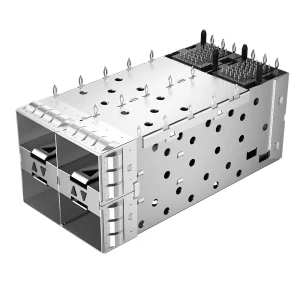
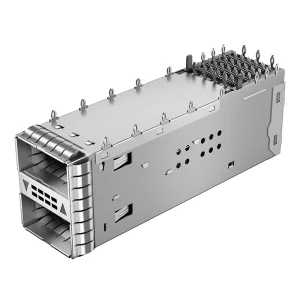
Evaluate if the vendor offers flexible housing configurations (tab-up/tab-down orientation, LED colors, multi-port ganged, stackable, or vertical mount).
Ensure suppliers carry international certifications including RoHS, REACH, UL, CE, and ISO 9001:2015 to prevent regulatory delays.
While fiber optics dominate long-haul infrastructure, copper remains highly cost-effective for localized distribution. The RJ45 interface continues to evolve to meet changing network demands:
The Integration of Magnetics & Silicon: Next-generation designs are integrating silicon controllers and surge suppressors directly into the RJ45 housing. This saves valuable PCB area, simplifies routing, and shortens the electrical path to the PHY chip, which improves signal performance at high speeds.
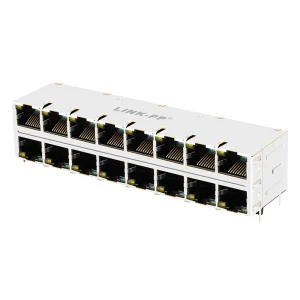
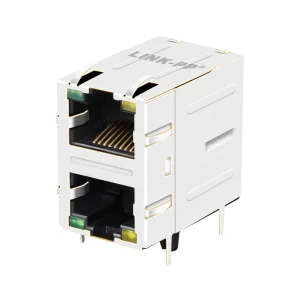
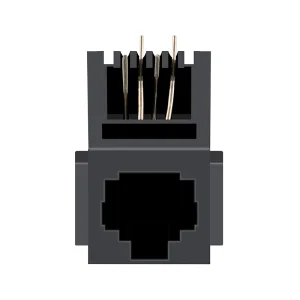
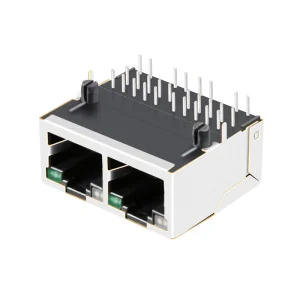
Our extended range of multi-port modular connectors, unshielded RJ11 jacks, and hybrid optical-copper components designed for complex networking layouts.