Xelivor
Xelivor
Xelivor
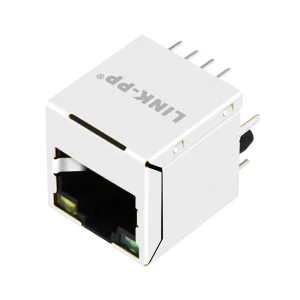
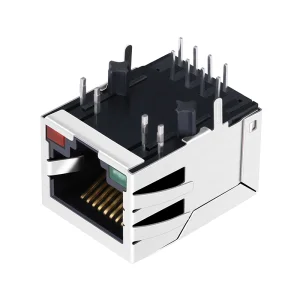
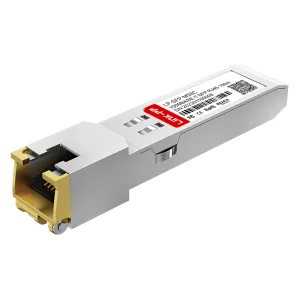
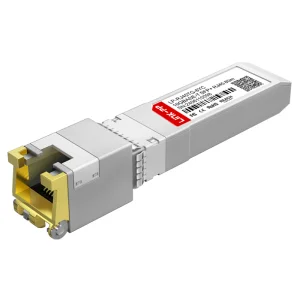
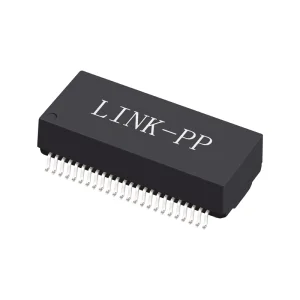
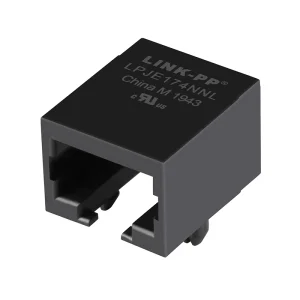
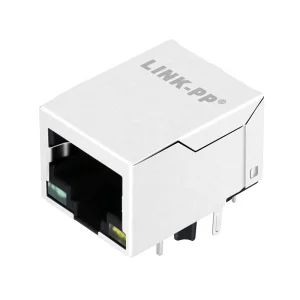
In the contemporary era of hyperscale cloud infrastructures, automated smart manufacturing, and ultra-high-speed telecommunication nodes, signal integrity has transitioned from a standard metric to a mission-critical benchmark. As physical copper connections process multi-gigabit workloads (up to 10G and 40G Ethernet configurations), they are increasingly vulnerable to external Electromagnetic Interference (EMI) and Radio Frequency Interference (RFI). This is where the engineering of high-performance RJ45 Shielding Adapters and shielded modular connectors plays an indispensable role.
A shielded RJ45 connection works by encapsulating the twisted-pair communication wires in a continuous metallic casing connected to a system ground. Without adequate shielding, industrial machinery, switching power supplies, high-frequency transmitters, and even adjacent data cables cause significant near-end crosstalk (NEXT) and ambient noise coupling. Global network designers and procurement officers rely heavily on the top-tier manufacturers and exporters of RJ45 shielding components to prevent signal degradation, high packet loss, and costly downtime.
Maintains continuous grounding to shunt high-frequency transient fields safely away from differential signal lines.
Die-cast alloy or brass plating protects delicate plastic latches and PCB leads in harsh environments.
Enables transition from legacy Cat5e installations to high-frequency Cat6A and Cat8 protocols up to 2000 MHz.
Historically, Unshielded Twisted Pair (UTP) cabling, represented by standard modules like the TS6P6C-PCB-U Unshielded Tab Down, was the standard for commercial office networks. While cost-effective and easy to install, UTP lacks protection against alien crosstalk (ANEXT). Modern industrial settings utilize Shielded Twisted Pair (STP) solutions where each pair (FTP) or the entire wire bundle (S/FTP) is wrapped in foil or braided metallic shielding.
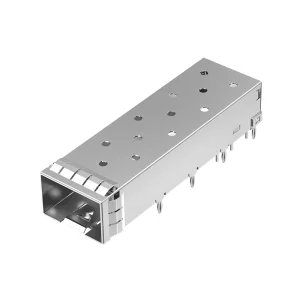
The RJ45 shielding adapter, cage assembly, or modular jack must match this architecture. Utilizing an unshielded connector in a shielded cable path breaks the ground path, turning the cable shield into an antenna that attracts noise rather than draining it. Therefore, specifying high-quality metal-enclosed modules—such as the EMI Shielded Press Fit SFP+ Cage Assembly—is imperative for clean ground continuity.
The design of a high-performance RJ45 shielding adapter involves sophisticated material sciences and precise mechanical designs. The primary metals utilized in premium shielding configurations include brass alloy (often finished with nickel or tin plating) and phosphor bronze for inner terminals to ensure excellent electrical conductivity and resistance to oxidation.
Additionally, modern integrations require integrated magnetic components within the RJ45 housing, often termed "MagJacks." These integrate isolation transformers and common-mode chokes directly into the connector body (e.g., the 10G Base-T 24 Pin Single Port SMT PoE Lan Magnetic Transformer). These components filter out common-mode noise while allowing differential data signals to pass unimpeded, delivering dual-layer protection (physical metallic shielding combined with electromagnetic inductive filtering).
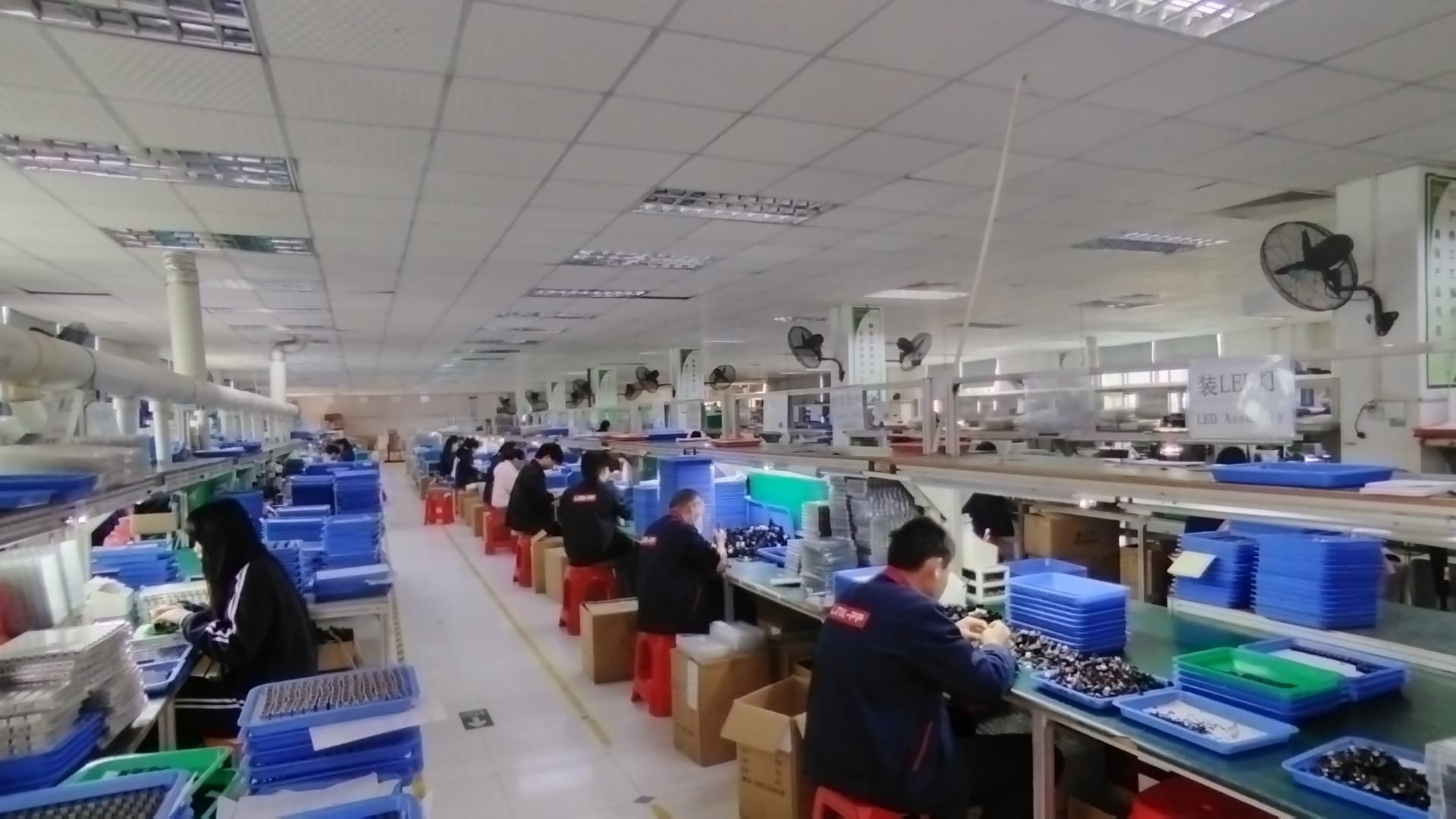
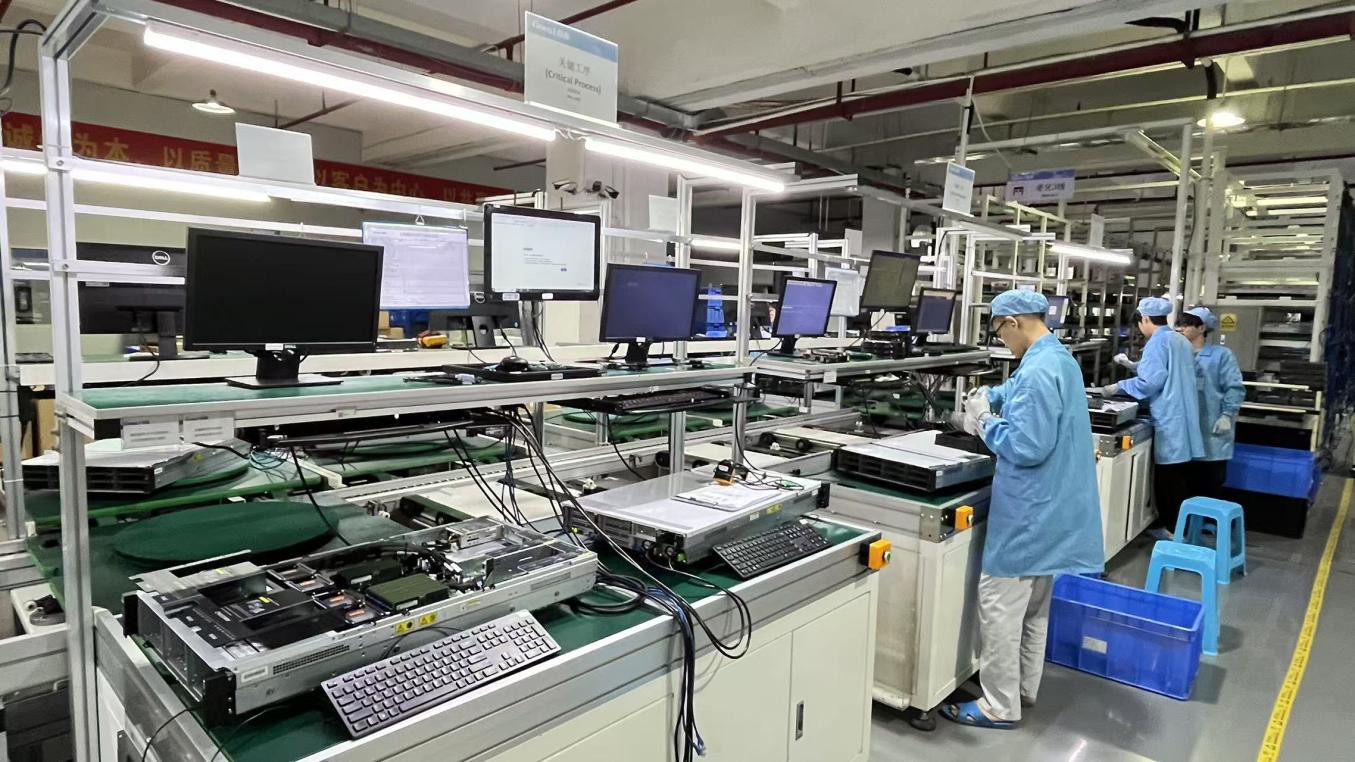
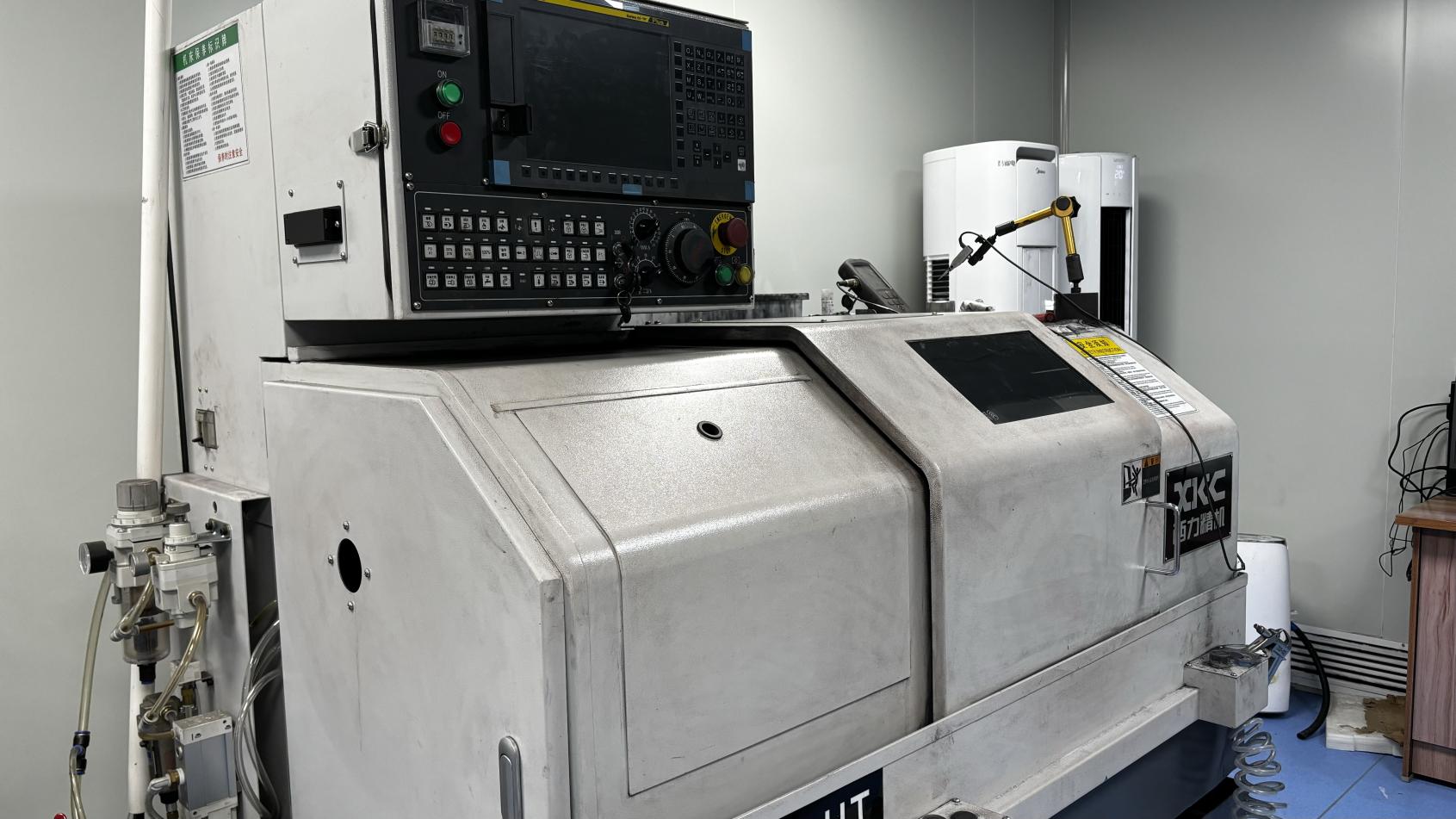
Leveraging advanced testing labs, state-of-the-art SMT lines, and a robust engineering department to deliver unmatched reliability.
RJ45 Shielding Adapters are deployed across multiple application vectors. Depending on the environment, the nature of the interference, and the specific mechanical layout, engineers configure adapters to target different vulnerability surfaces:
In manufacturing environments, high-voltage equipment, variable frequency drives (VFDs), and robotic welders generate significant electromagnetic fields. Unshielded ethernet systems in these environments experience high packet loss, leading to automation latency or physical equipment stops. Implementing shielded RJ45 modules ensures data packets arrive intact, preserving real-time control via EtherCAT, PROFINET, or Modbus TCP protocols.
Data center layouts pack hundreds of active network channels into extremely tight rack spaces. The high concentration of SFP+ transceiver units, DAC cables, and RJ45 patch systems creates high risk of alien crosstalk. By utilizing components like the EMI Shielded Press Fit SFP+ Cage Assembly, engineering teams can seal off electromagnetic leakage between adjacent ports, enabling reliable 10Gbps data transport over copper.
With the expansion of smart cities, surveillance cameras, and outdoor wireless access points, copper cables must carry both data and significant power loads (up to 90W under IEEE 802.3bt PoE++). High-power transmissions generate thermal stress and increase susceptibility to ESD (Electrostatic Discharge) from weather conditions. Shielded RJ45 adapters route these high-energy transient spikes directly to the chassis ground, protecting expensive internal transceivers.
As speeds demand transition from 10G toward 25G and 40G over copper (Cat8 standard), shielding design must adapt to tighter tolerances. The future of connector engineering centers on three key innovation cycles:
Transitioning from traditional sheet metal to advanced conductive polymers that offer comparable shielding effectiveness at a fraction of the weight, ideal for aerospace and drone communication payloads.
Integrating copper RJ45 links and high-speed optical systems directly into hybrid switch backplanes. This requires robust EMI shielding to protect the optical engine from adjacent copper transceivers.
Utilizing real-time 3D AOI (Automated Optical Inspection) systems on SMT lines to ensure that EMI shield contacts and spring-finger geometries are within micro-level specifications.
Furthermore, thermal dissipation is a major design bottleneck. High-density SFP+ cages and multi-port RJ45 blocks restrict airflow. The next generation of shielding cages features integrated heat sinks and thermal interface materials (TIMs) that simultaneously pull heat away from active optical components and block electromagnetic radiation.
When selecting an exporter and manufacturer for RJ45 Shielding Adapters, procurement officers must evaluate suppliers against rigorous international standards. A reputable partner must offer:
Xelivor Optoelectronics Co., Ltd. incorporates these quality protocols in its production facility, maintaining a dedicated quality assurance team of 32 inspectors. This ensures every product—from simple unshielded modular jacks to high-end 10G copper transceivers—performs reliably under demanding real-world conditions.
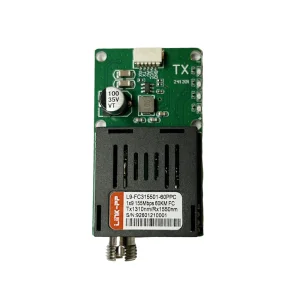
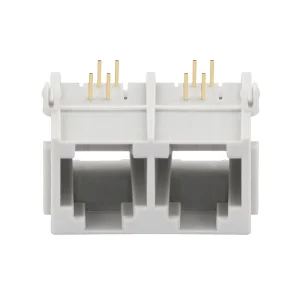
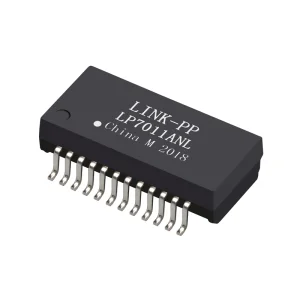
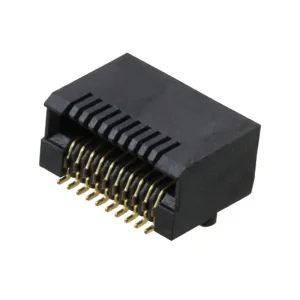
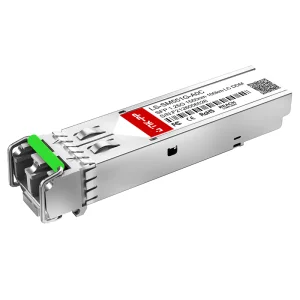
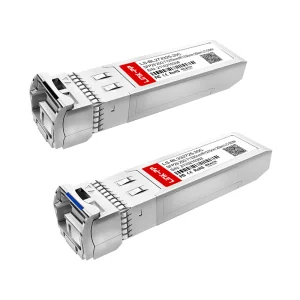
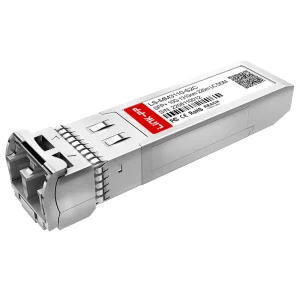
Shielded (STP) RJ45 connectors feature an external metal casing (often brass or copper alloy with nickel plating) that surrounds the internal contact block. This metal housing creates a Faraday cage that redirects external high-frequency electrical fields (EMI/RFI) directly to ground. Unshielded (UTP) connectors rely entirely on the twist of the internal cable pairs to reduce noise, leaving the connection susceptible to external crosstalk in high-density or electrically noisy environments.
If a shielded RJ45 adapter is not connected to a proper system ground, the shield acts as an antenna, picking up external radio frequencies and electromagnetic fields and coupling them directly into the differential data pairs. This can result in packet losses, lower transmission speeds, or connection drops. Grounding must be continuous from the cable shield, through the RJ45 jack shield, to the equipment chassis ground.
Industrial manufacturers utilize automated network analyzers to perform detailed parametric testing, including: Insertion Loss and Return Loss across high frequencies, Common Mode Rejection Ratio (CMRR) to evaluate electromagnetic filter capabilities, Hipot tests (typically 1500V AC/DC) to verify isolation boundaries, and mechanical vibration tests to ensure physical contact stability.
Yes, RJ45 interfaces are backward compatible. Installing a Cat6A shielded connector on a Cat5e network will not cause issues and can improve structural durability and crosstalk values. However, overall system performance is limited to the lowest rated component in the link.
Under the IEEE 802.3bt (PoE++) standard, up to 90W-100W of electrical power is delivered alongside high-speed data. This current load generates internal heat within the cable bundles and RJ45 contacts. Premium manufacturers design contacts with thicker gold plating (typically 50 micro-inches) and specialized thermal dissipation properties to prevent contact degradation under electrical load.
Xelivor Optoelectronics Co., Ltd. is a professional manufacturer of optical transceivers and fiber connectivity solutions, dedicated to serving global data center, telecom, enterprise network, and cloud computing industries. Established in 2016, the company operates from a modern manufacturing facility covering 386 m² and has built a strong reputation for delivering reliable, high-performance optical communication products worldwide.
With over 8 years of industry experience and 6 years of export experience, Xelivor has achieved annual export revenues exceeding USD 12 million. Our products are exported to customers across North America, Europe, Southeast Asia, the Middle East, and South America, supporting a wide range of networking applications from enterprise infrastructure to hyperscale data centers.
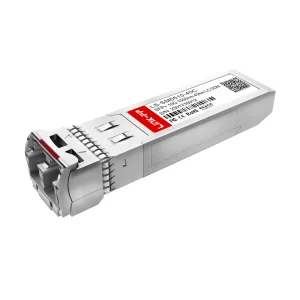
Xelivor specializes in the design, development, and production of optical transceivers, including SFP, SFP+, SFP28, QSFP28, QSFP-DD, OSFP, DAC, and AOC solutions. Backed by a dedicated R&D team of 68 engineers, the company continuously invests in innovation and launched more than 85 new products in the past year to meet the evolving demands of high-speed optical networks.
Quality is at the core of our operations. Our quality management system incorporates incoming material inspection, in-process quality control, aging tests, compatibility verification, optical parameter testing, and final product inspection. A professional quality assurance team of 32 inspectors ensures every product meets strict international standards before shipment.
The company maintains long-term cooperation with more than 850 supply chain partners, enabling stable sourcing, efficient production, and rapid delivery capabilities. Our flexible manufacturing system supports OEM, ODM, private label, customized firmware, customized labeling, and packaging services to satisfy diverse customer requirements.
As a company with strong independent R&D capabilities, advanced testing equipment, and a customer-oriented approach, Xelivor serves distributors, system integrators, telecommunications operators, data center providers, network equipment vendors, and enterprise customers worldwide.
Driven by innovation, quality, and partnership, Xelivor Optoelectronics Co., Ltd. remains committed to providing cost-effective, reliable, and future-ready optical communication solutions for global networking infrastructure.