Xelivor
Xelivor
Xelivor
Explore our elite selection of high-performance SFP modules, SFP+ cages, and active optical connectivity components engineered for hyperscale enterprise datacenters.
Analyzing market trends, hardware dependencies, and the exponential growth of structural optoelectronics in next-generation networking.
The global interconnect industry is undergoing a massive paradigm shift driven by the virtualization of networks, rapid AI computing workloads, and the hyperscale expansion of the Internet of Things (IoT). Small Form-factor Pluggable (SFP) modules, SFP+ cages, and high-density connectors form the structural backbone of physical layer transmission globally. Over the last decade, transceivers have evolved from 1Gbps systems to ultra-dense 400G, 800G, and developmental 1.6T architectures utilizing Co-Packaged Optics (CPO) and Pluggable modules.
Currently, the market demand is bifurcated. Mature markets in North America and Western Europe are aggressively replacing legacy infrastructure with optical fibers supporting 100G and 400G technologies to handle massive data throughput. Concurrently, developing telecommunications sectors across Asia-Pacific and Latin America are heavily investing in robust vertical networking hubs utilizing SFP+ copper RJ45 and low-profile hybrid transceivers for municipal broadband and localized enterprise networks. The Global SFP Connector and Cage market size is projected to expand at a compound annual growth rate (CAGR) of over 8.5% between 2024 and 2030, establishing it as one of the most lucrative and technologically critical segments of network infrastructure engineering.
The rise of Large Language Models (LLMs) requires massive GPU clusters connected via low-latency InfiniBand and optical cages supporting PAM4 signaling.
Telecom carriers are deploying ruggedized, outdoor-rated optical cages capable of surviving high-vibration and extreme temperature environments.
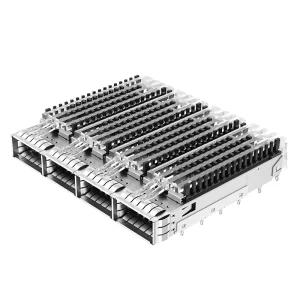
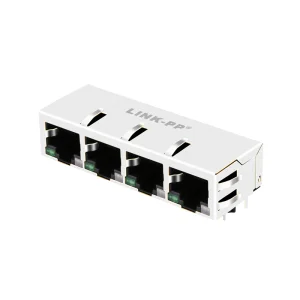
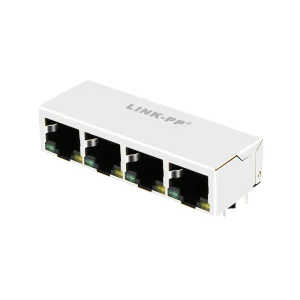
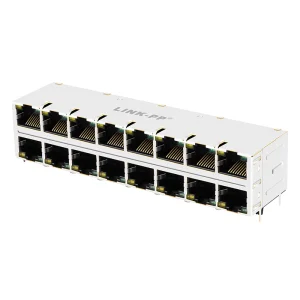
Miniaturization demands multi-port ganged and stacked configurations (e.g., 2x8 port or 1x4 ports with integrated light pipes) to maximize PCB surface utility.
A comparative analytical review of the dominant market leaders shaping high-speed electronic and optoelectronic connectivity.
A world leader in highly engineered connectivity solutions. TE Connectivity sets standard design parameters for SFP, SFP+, and QSFP cages. Their through-hole, press-fit, and thermal-sink configurations (like the 2170790-2 1x4 series) represent the industry standard in high-density rack applications.
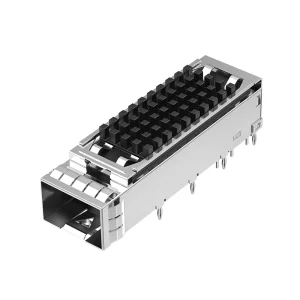
Amphenol excels in EMI shielding integrity and high-speed electrical connectors. Their U77 series SFP+ cages utilize robust elastomeric gaskets and advanced structural thermal sinks to mitigate the extreme heat generated by 10G/25G copper and optical transceivers.
Known for groundbreaking advancements in small form-factor interconnects. Molex offers comprehensive solutions in ganged and stacked SFP connectors, featuring integrated light pipes and electromagnetic interference (EMI) containment grids essential for clean signals.
A key player in precision electronics manufacturing. FIT supplies high-volume components to massive server OEMs worldwide, focusing on automated manufacturing processes that lower unit costs while preserving standard micro-tolerances.
Specializing in high-reliability components, Yamaichi is a primary contributor to high-temperature and industrial-grade connectivity standards. Their SFP series are widely utilized in railway, defense, and automotive infrastructure.
Hirose is highly respected for miniaturization technology. Their ultra-low-profile connectors and cages allow hardware engineers to build compact network switches and edge gateways without sacrificing signal frequency capabilities.
The European gold-standard for industrial ethernet connectivity. Harting designs ruggedized SFP cages and RJ45 modules that integrate mechanical locking mechanisms and IP67 water/dust protection for manufacturing automation environments.
Renowned for high-speed micro pitch interconnects and superb technical simulation services. Samtec provides customized signal integrity evaluations and custom backplane connector systems designed to transition systems to 112 Gbps PAM4 speeds.
A massive manufacturer providing hyper-efficient consumer and telecommunication hardware assemblies. Luxshare leverages massive vertical supply integration to deliver cost-effective QSFP and SFP solutions with reliable quality control.
A specialized optical transceiver and fiber connectivity pioneer established in 2016. Xelivor stands out by offering hyper-flexible OEM/ODM models, rapid compatibility firmware tuning, and advanced testing setups that bridge the gap for mid-to-large scale system integrators seeking high reliability without restrictive minimum order margins.
Why Southern China remains the unmatched core of global electronic component engineering and cost optimization.
When sourcing optical connectivity devices like SFP cages, RJ45 magnetics, and transceivers, global procurement professionals consistently lean toward Chinese manufacturing nodes. This preference is not merely based on competitive labor pricing, but is built upon a highly optimized ecosystem model. Chinese factories possess structural, systemic, and supply chain efficiencies that are virtually impossible to replicate elsewhere:
How distinct networking domains apply specific SFP, RJ45, and transceiver technologies to achieve optimal operations.
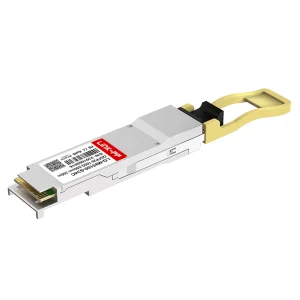
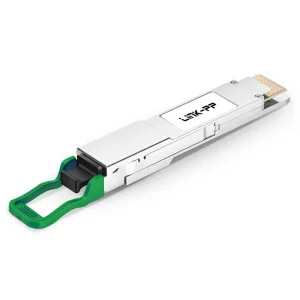
Utilizing 400G CWDM QSFP-DD PAM4 and 100GBASE-ESR4 MPO-12 configurations. These connectors are placed in ultra-dense Top-of-Rack (ToR) switches where heat dissipation and high-frequency stability are critical to avoid packet loss.
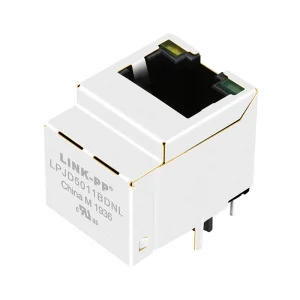
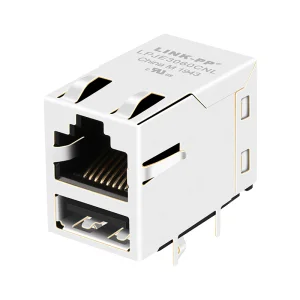
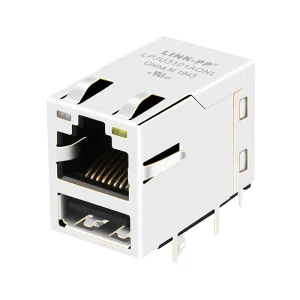
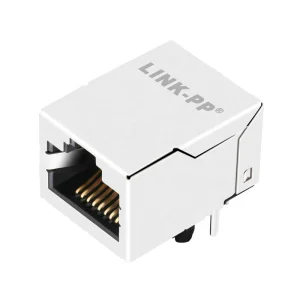
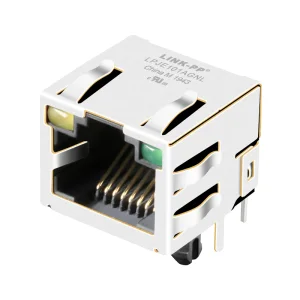
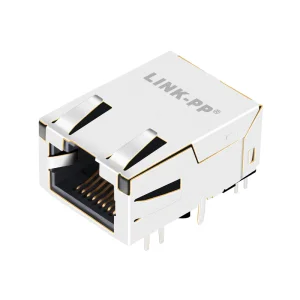
Deploying vertical RJ45 connectors with integrated magnetics and waterproof assemblies (e.g., Gige Transformer Modules LJ-T40B4L-00-F). These modules are used in harsh outdoor nodes, industrial gateways, and smart traffic monitoring systems.
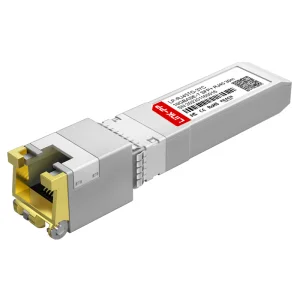
Utilizing copper transceiver modules (SFP-10G-T-X) over existing Cat6A cabling infrastructure. This provides a cost-effective path to 10Gbps speeds inside office networks without the high cost of laying new fiber-optic cables.
A standardized procurement framework for network architects and supply chain managers.
For modern hardware procurement specialists, choosing a manufacturer requires evaluating complex product parameters. Simply choosing the lowest bidder often results in network instability, device incompatibility, or costly structural replacements. Enterprise hardware procurement should evaluate the following four critical metrics:
High-frequency SFP cages must feature reliable elastomeric gaskets or metal spring fingers to trap internal electromagnetic radiation. Poor EMI shielding corrupts surrounding data paths on the PCB.
With optical transceivers consuming up to 3.5W to 5W per port, integrated aluminum/copper heat sinks and built-in airflow channels are crucial to prevent thermal throttling.
Solderless press-fit pins must exhibit high elastic retention forces. This prevents cracked traces or contact separation during thermal expansion and contraction cycles on the motherboard.
Connector contacts require gold plating (ranging from 15u" to 50u"). This ensures long-term oxidation resistance and maintains clean signal paths after hundreds of plug cycles.
Your reliable engineering partner for high-speed transceivers, structured fiber systems, and customized electrical interconnects.
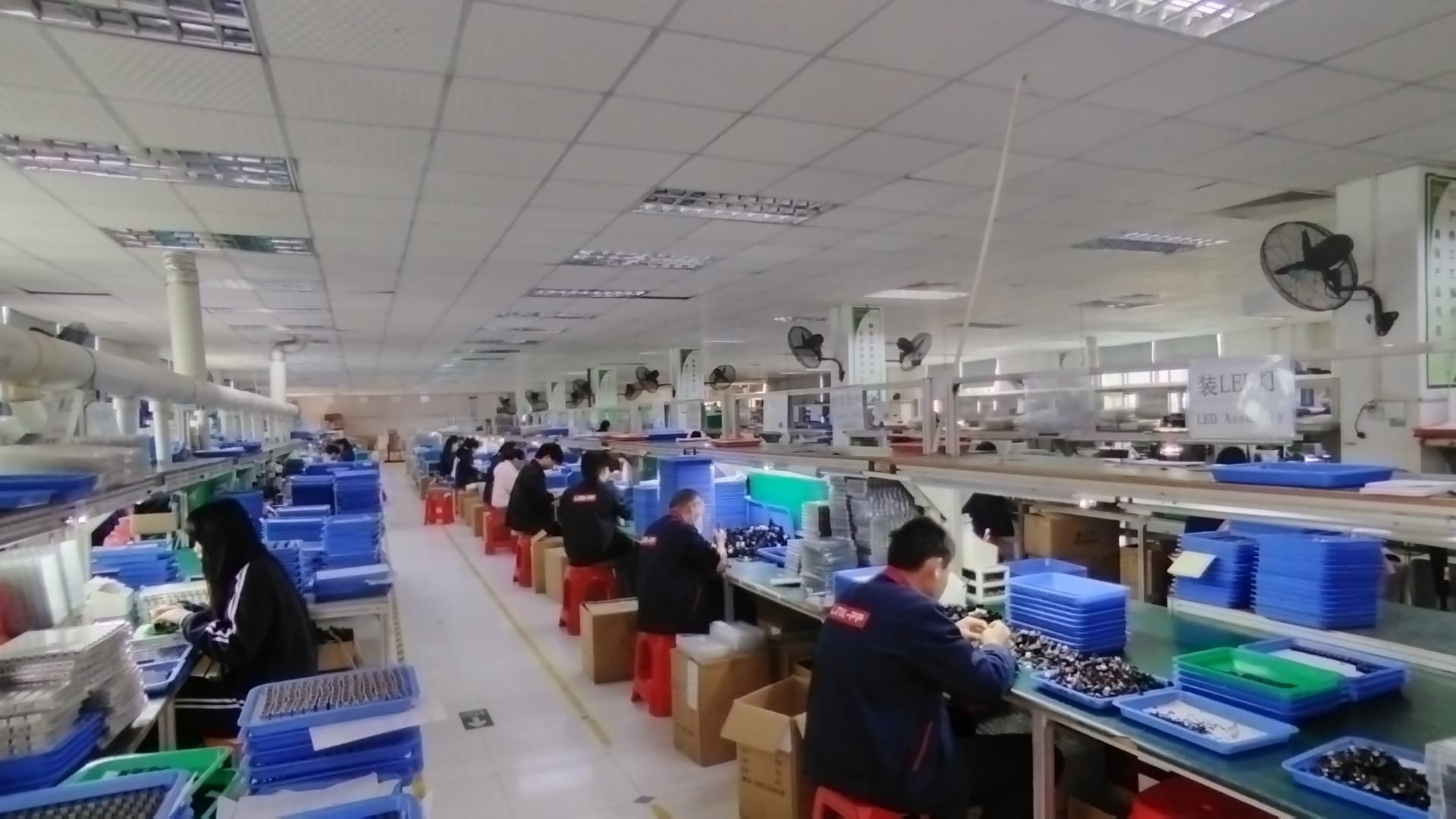
Xelivor Optoelectronics Co., Ltd. is a professional manufacturer of optical transceivers and fiber connectivity solutions, dedicated to serving global data center, telecom, enterprise network, and cloud computing industries. Established in 2016, the company operates from a modern manufacturing facility covering 386 m² and has built a strong reputation for delivering reliable, high-performance optical communication products worldwide.
With over 8 years of industry experience and 6 years of export experience, Xelivor has achieved annual export revenues exceeding USD 12 million. Our products are exported to customers across North America, Europe, Southeast Asia, the Middle East, and South America, supporting a wide range of networking applications from enterprise infrastructure to hyperscale data centers.
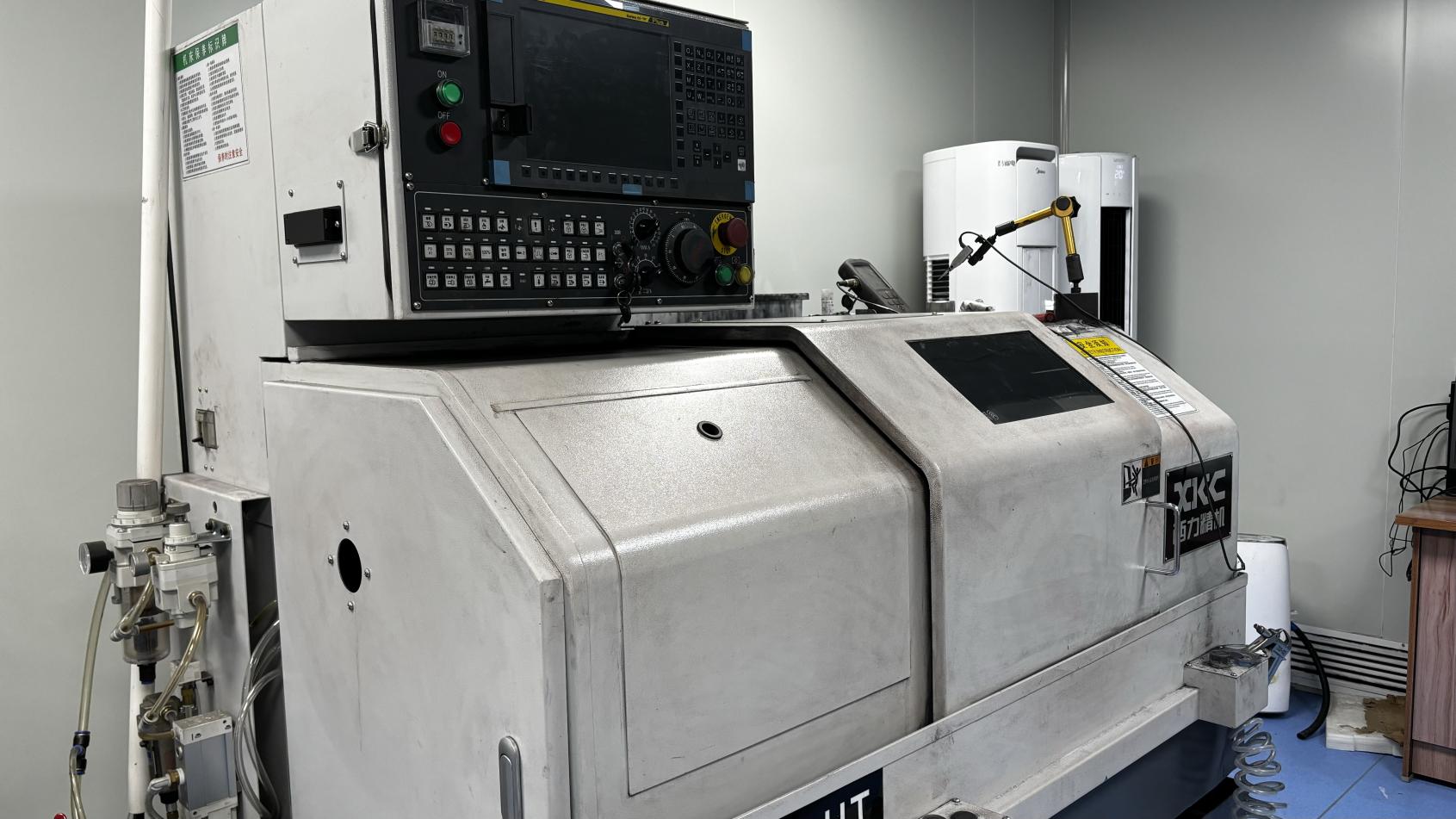
Xelivor specializes in the design, development, and production of optical transceivers, including SFP, SFP+, SFP28, QSFP28, QSFP-DD, OSFP, DAC, and AOC solutions. Backed by a dedicated R&D team of 68 engineers, the company continuously invests in innovation and launched more than 85 new products in the past year to meet the evolving demands of high-speed optical networks.
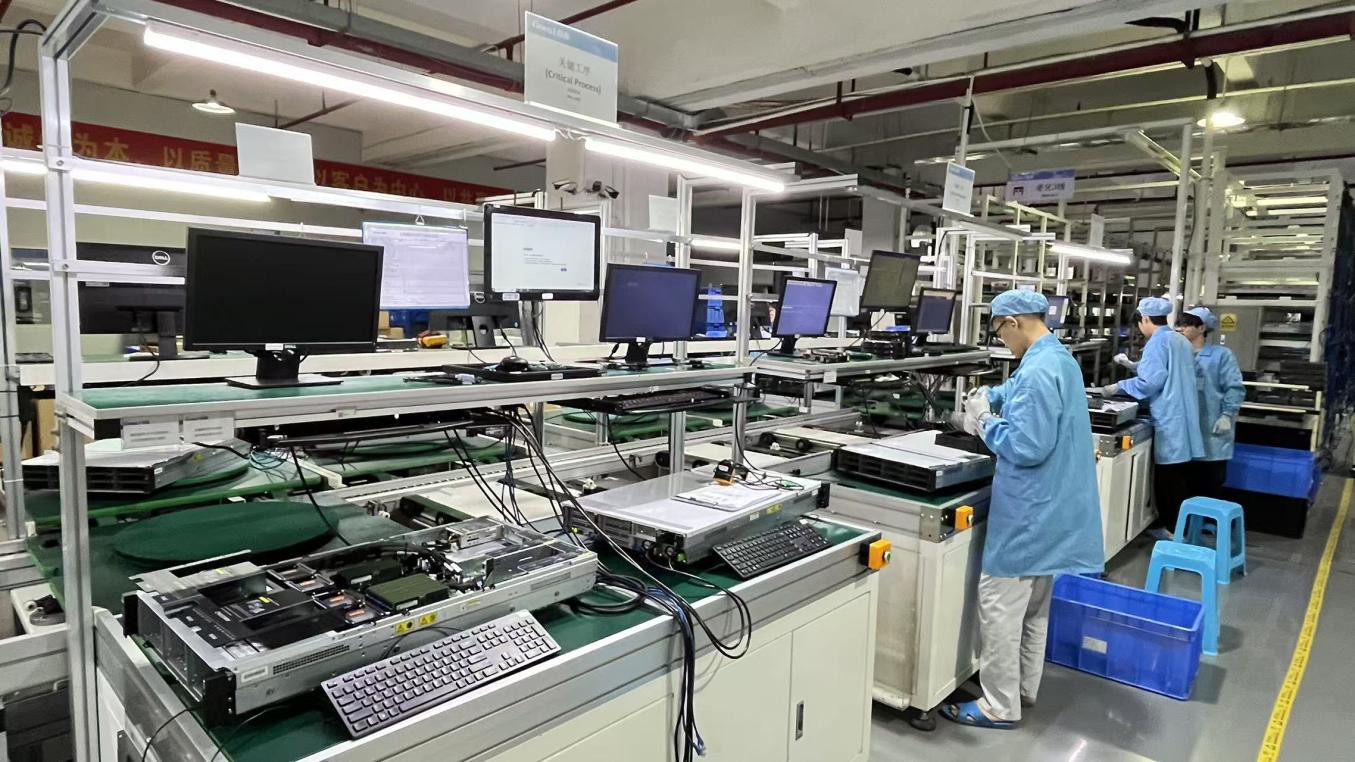
Quality is at the core of our operations. Our quality management system incorporates incoming material inspection, in-process quality control, aging tests, compatibility verification, optical parameter testing, and final product inspection. A professional quality assurance team of 32 inspectors ensures every product meets strict international standards before shipment.
The company maintains long-term cooperation with more than 850 supply chain partners, enabling stable sourcing, efficient production, and rapid delivery capabilities. Our flexible manufacturing system supports OEM, ODM, private label, customized firmware, customized labeling, and packaging services to satisfy diverse customer requirements.
As a company with strong independent R&D capabilities, advanced testing equipment, and a customer-oriented approach, Xelivor serves distributors, system integrators, telecommunications operators, data center providers, network equipment vendors, and enterprise customers worldwide. Driven by innovation, quality, and partnership, Xelivor Optoelectronics Co., Ltd. remains committed to providing cost-effective, reliable, and future-ready optical communication solutions for global networking infrastructure.

Anticipating the hardware adaptations necessary for upcoming next-generation cloud architectures.
The fast-paced evolution of network hardware means that modern connector solutions must adapt to meet high demands. Sourcing and engineering teams should prepare for these three emerging technical trends:
As transfer rates exceed 1.6 Terabits per second, traditional copper traces on PCBs experience severe signal loss. CPO relocates the optoelectronic engine directly onto the CPU/ASIC substrate. Despite this transition, pluggable SFP/QSFP structures remain vital for flexible, user-serviceable client-side links, creating hybrid designs that combine both architectures.
Traditional passive aluminum heat sinks are reaching their limits. Future cages will incorporate heat-pipe arrays and phase-change materials to transfer thermal energy away from the optical engines. This design maintains operating temperatures below 70°C, ensuring optimal performance and service life.
High data rates require tighter EMI shielding. The industry is moving toward advanced multi-point contact grounding fingers and integrated EMI gaskets. These designs ensure electromagnetic energy does not leak and interfere with adjacent high-speed circuits on high-density line cards.
Technical answers to key sourcing and implementation questions regarding SFP cages, connectors, and transceivers.
A second selection of our highly reliable network interfaces, vertical connectors, and high-frequency SFP cages.