Xelivor
Xelivor
Xelivor
As fiber-to-the-home (FTTH), 5G telecommunications, and hyperscale data centers expand, safeguarding delicate optical fiber splices is paramount. A dome fiber closure acts as the physical fortress protecting vital data intersections against environmental stress.
A Dome Fiber Closure (also known as a dome splice closure or vertical splice closure) is designed to protect optical fiber splices in aerial, underground, and direct-buried environments. Engineered with high-strength polycarbonate or polypropylene, these closures are hermetically sealed to withstand extreme moisture, temperature fluctuations, and mechanical impact. Unlike inline closures, the dome configuration allows for a single-ended entry scheme, simplifying re-entry and expansion.
For telecommunication service providers and EPC contractors, selecting top-tier dome fiber closure manufacturers is not just about unit price. It directly impacts network reliability, longevity, and maintenance cycle costs. By utilizing robust sealing mechanisms—such as mechanical gel seals or heat-shrink shrinkable sleeves—modern dome closures maintain an IP68 protection rating over several decades.
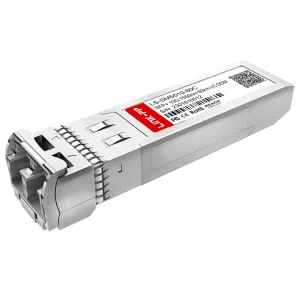
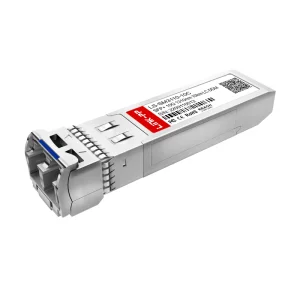
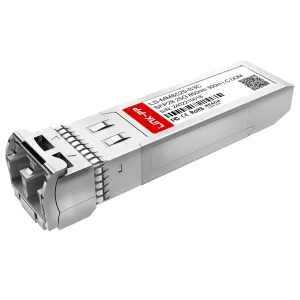
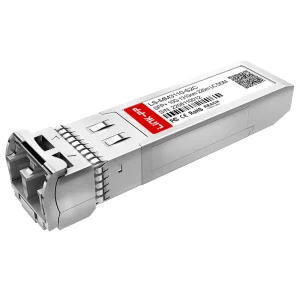
Furthermore, these closures work in tandem with advanced transmission hardware. High-speed signals leaving active data centers via 10GBASE-ZR SFP+ modules or 25G SFP28 transceivers depend on clean, low-attenuation fiber links. The passive physical infrastructure—anchored by dome closures—must provide absolute environmental stability to prevent micro-bends and localized losses that degrade signal integrity.
As space in underground ducts and aerial poles becomes increasingly restricted, manufacturers are forced to optimize internal tray mechanics. Modern dome fiber closures must house more splices within smaller footprints. This trend is driving the adoption of ribbon fiber splice trays, capable of managing 12 or 24 fibers in a single ribbon structure, dramatically reducing installation time.
Historically, heat-shrink methods dominated dome closures, requiring technicians to carry blowtorches or heat guns into tight workspaces. Today's network operators favor mechanical gel seals. They allow for tool-less re-entry, drastically minimizing human error during network upgrades and lowering operational expenditures (OpEx).
The rise of smart cities and remote fiber monitoring systems (RFMS) is introducing pressure sensors and RFID tracking into premium dome closures. These smart components alert central offices to moisture entry or mechanical movement in real-time, preventing network downtime before the optical physical layer is compromised.
For international network operators, EPCs, and distributors, purchasing optical equipment is a balancing act of standards compliance, lead time, and supply chain trust.
A high-quality dome fiber closure manufacturer must comply with stringent test protocols. The primary framework is Telcordia GR-771-CORE, which defines requirements for fiber optic splice closures in various environments (aerial, pedestal, handhole, manhole). Closures are subjected to thermal aging, freeze-thaw cycles, water immersion, and impact tests to guarantee a 20-year service life.
For European and Asian markets, compliance with IEC 61753-1 and RoHS is essential. This ensures that the heavy-duty plastic housings contain no hazardous substances and can withstand localized pollution and underground contaminants.
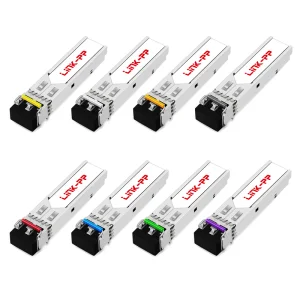
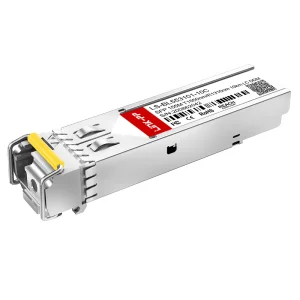
Active network performance depends on passive infrastructure integrity. If a dome closure allows humidity to penetrate, micro-condensation on splice sleeves can cause attenuation fluctuations. This affects high-sensitivity transceivers, such as the Cisco SFP-10G-LR-S Compatible 10G LR module or CWDM links like the 1000BASE CWDM SFP Module. Modern procurement directors evaluate fiber systems holistically, ensuring patch panels, closures, and transceivers operate within a unified tolerance budget.
Aligning with the industry's demand for high-integrity optical links, Xelivor Optoelectronics Co., Ltd. delivers high-performance optical communication products worldwide, bridging active transceivers with passive termination systems.
Established in 2016, Xelivor Optoelectronics Co., Ltd. is a professional manufacturer of optical transceivers and fiber connectivity solutions, dedicated to serving global data center, telecom, enterprise network, and cloud computing industries. Operating from a modern manufacturing facility covering 386 m², we have built a strong reputation for delivering reliable, high-performance optical communication products globally.
With over 8 years of industry experience and 6 years of export experience, Xelivor has achieved annual export revenues exceeding USD 12 million. Our products are exported to customers across North America, Europe, Southeast Asia, the Middle East, and South America, supporting a wide range of networking applications from enterprise infrastructure to hyperscale data centers.
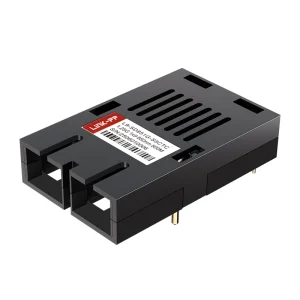
Xelivor specializes in the design, development, and production of optical transceivers, including SFP, SFP+, SFP28, QSFP28, QSFP-DD, OSFP, DAC, and AOC solutions. Backed by a dedicated R&D team of 68 engineers, the company continuously invests in innovation and launched more than 85 new products in the past year to meet the evolving demands of high-speed optical networks.
Quality is at the core of our operations. Our quality management system incorporates incoming material inspection, in-process quality control, aging tests, compatibility verification, optical parameter testing, and final product inspection. A professional quality assurance team of 32 inspectors ensures every product meets strict international standards before shipment.
Maintaining long-term cooperation with more than 850 supply chain partners enables stable sourcing, efficient production, and rapid delivery capabilities. Our flexible manufacturing system supports OEM, ODM, private label, customized firmware, customized labeling, and packaging services to satisfy diverse customer requirements.
As a company with strong independent R&D capabilities, advanced testing equipment, and a customer-oriented approach, Xelivor serves distributors, system integrators, telecommunications operators, data center providers, network equipment vendors, and enterprise customers worldwide.
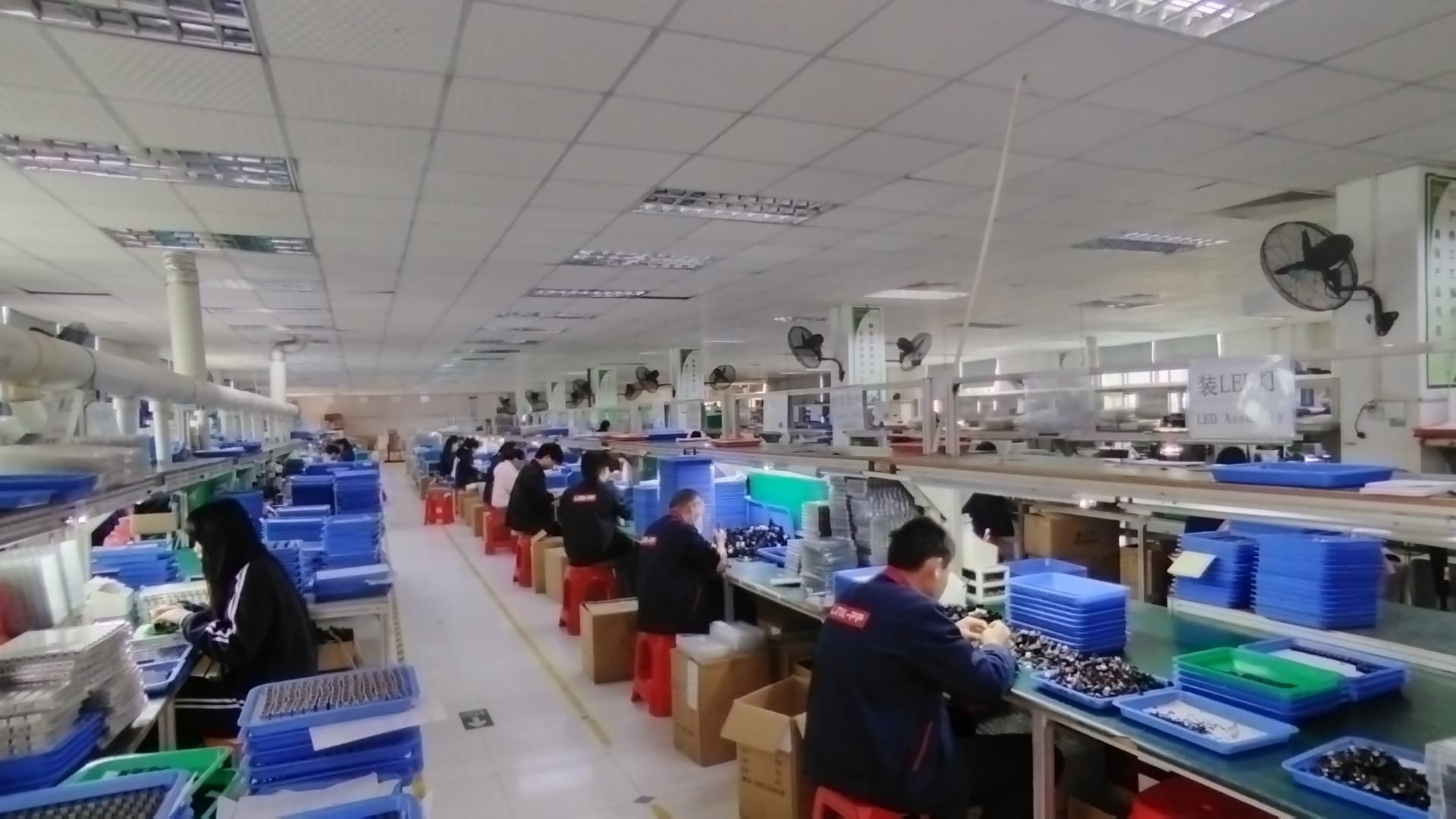
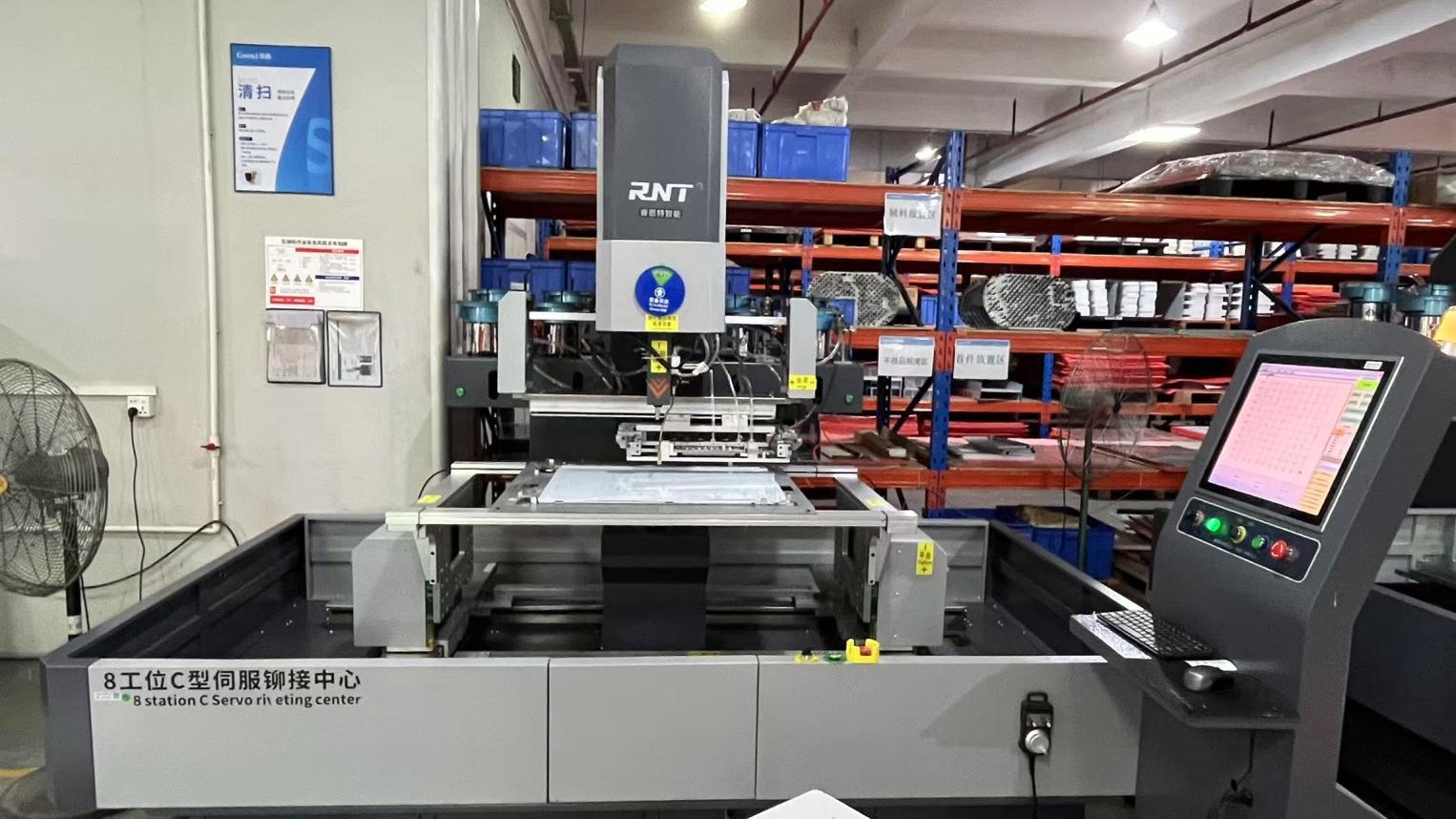
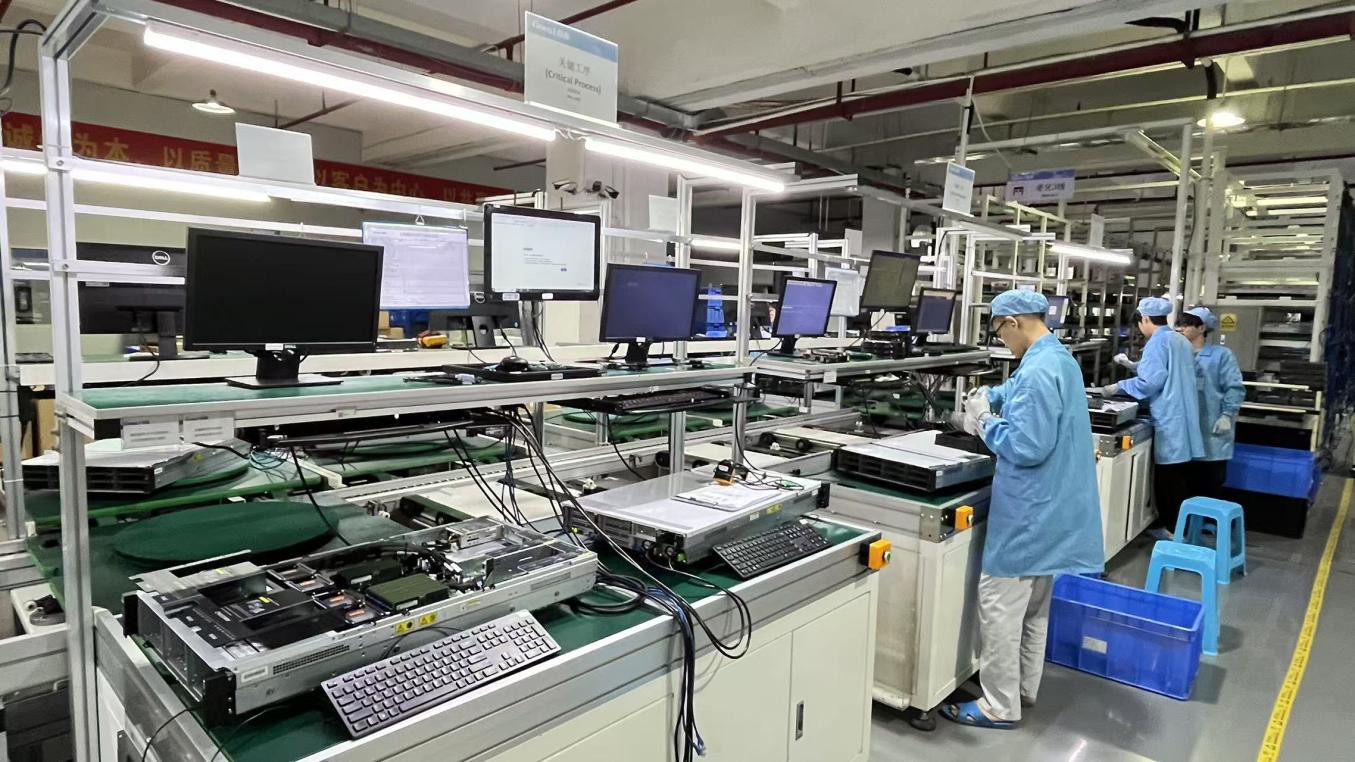
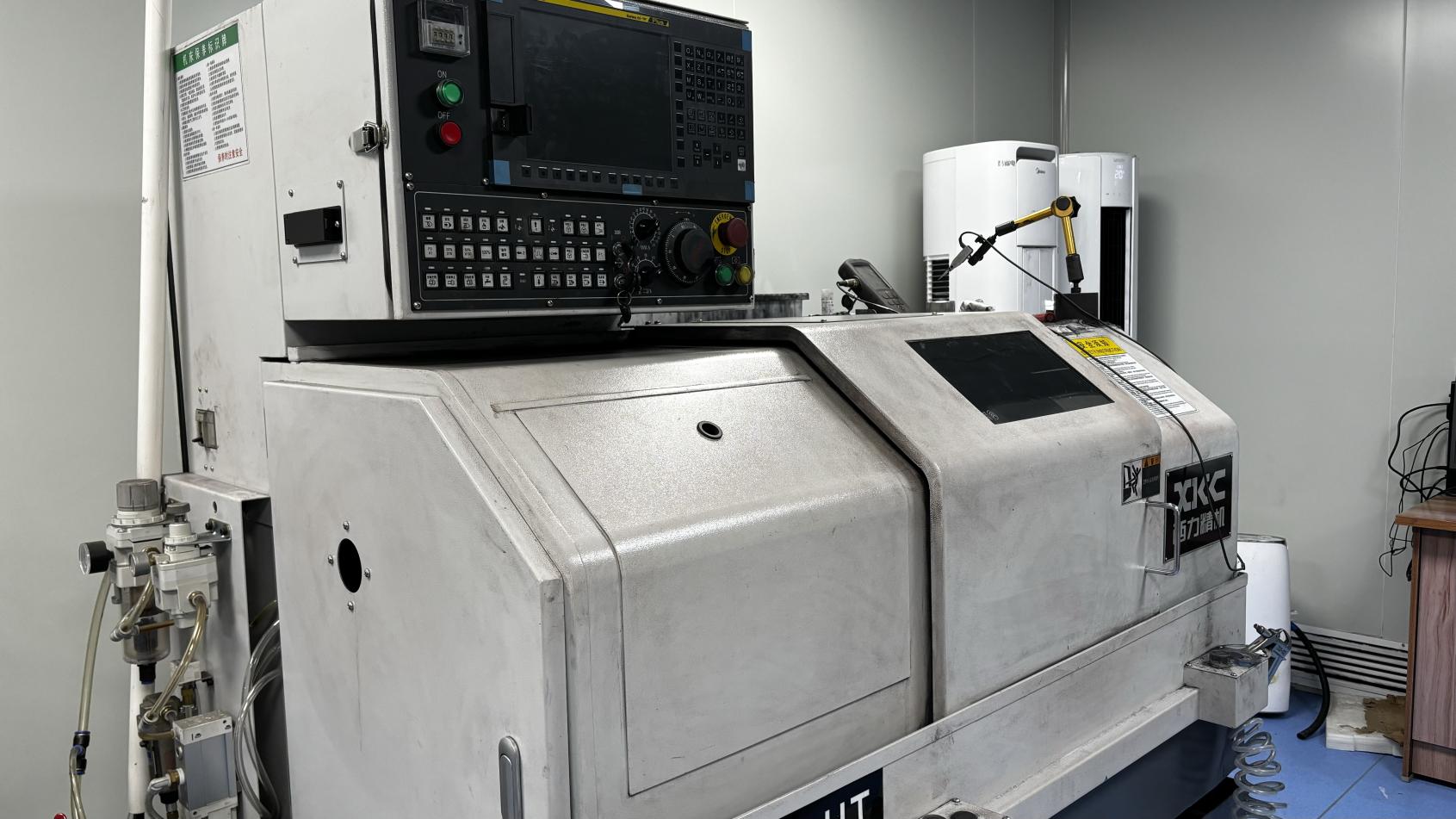
The shift towards Industry 4.0 technologies has redefined Chinese fiber optic manufacturing. Manufacturers are combining cost efficiency with automated quality management to meet strict international standards.
The mechanical reliability of dome closures rests on injection molding precision. Factory 4.0 environments use automated molding machines that monitor pressure, raw material viscosity, and cooling rates in real-time. This eliminates micro-structural defects, guaranteeing that the polymer housing survives physical stresses over decades.
Advanced manufacturing centers use integrated quality check stations. Sealed chambers test pressure retention and water tightness, while optical components (such as fiber couplers or connectors) undergo automated insertion loss (IL) and return loss (RL) testing. This digital tracking minimizes defective units before shipping.
China's manufacturing hubs offer immediate access to raw plastics, vulcanized rubbers, precision silicones, and metal mounting brackets. For companies like Xelivor, this ecosystem of over 850 partners enables agile raw material sourcing and quick adaptation to custom client designs.
Dome fiber closures must perform consistently in various harsh environments worldwide. Engineers select specific configurations based on local conditions.
In metropolitan networks, closures are deployed in underground utility vaults. These spaces are prone to seasonal flooding, mud accumulation, and pest infestations. A vertical dome design naturally sheds debris, and mechanical gel seals resist constant water immersion, protecting internal splices.
Aerial deployments expose dome closures to direct sunlight, high winds, and freezing conditions. Specialized dome designs utilize UV-stabilized formulations to prevent cracking under intense sun. Their aerodynamic profiles also reduce wind resistance, protecting poles and cables from physical strain.
For last-mile fiber networks (FTTH), technicians must perform frequent adjustments and connect new subscribers. Dome closures with individual drop cable entry ports allow installer access without disrupting existing active connections, maintaining consistent network uptime.
Substation automation relies on fiber links running along high-voltage transmission lines. In these environments, dome closures protect fiber splices from electromagnetic interference (EMI) and power surges. Specialized non-metallic configurations eliminate grounding concerns, ensuring safe operation near high-voltage lines.
Dome closures feature a vertical design where all cable entry ports are located at the base. This layout reduces water ingress points compared to inline designs, which have seals at both ends. Additionally, the dome hood can be removed without disturbing the base seal, making overhead maintenance and routine inspections easier for technicians.
Telcordia GR-771-CORE is the industry standard for fiber optic splice closures. It tests closures against environmental stresses, including water tightness (IP68), thermal cycling, impact resistance, and chemical exposure. Selecting a manufacturer that meets these standards ensures a reliable service life of 20+ years, minimizing maintenance costs.
The two primary sealing methods are heat-shrink and mechanical gel sealing. Heat-shrink seals use hot-melt adhesive sleeves, providing a highly reliable seal but requiring a heat source (like a torch) and making re-entry difficult. Mechanical gel seals use silicone gel compression to seal around cables, allowing for tool-less re-entry and simplified cable management.
High-speed active transceivers, such as SFP+ or QSFP28, rely on a stable, low-attenuation optical path. Passive closures protect the fiber splices and connections from environmental degradation. Any dust or moisture ingress at the splice point can cause signal loss, impacting transceiver performance. A reliable passive network is essential for active transmission hardware to function correctly.
Direct-buried dome closures must withstand soil weight, frost heave, acidity, and rodent damage. Manufacturers utilize high-impact polypropylene (PP) or polycarbonate resins with UV-stabilized additives. Grounding hardware is also integrated to ensure proper electrical isolation for armoring elements in metallic cables.
Yes, premium dome fiber closures feature modular interior chassis options. Splice trays can be swapped or combined, allowing standard single-core splice holders to sit alongside high-density ribbon splice slots. This versatility is ideal for transitions between high-capacity distribution cables and local drop links.
Advanced factories offer comprehensive OEM/ODM services, including custom splice trays, specific mechanical port sizes, tailored labeling, and pre-installed fiber splitters. In addition, for active components like transceivers, manufacturers like Xelivor provide customized firmware to ensure compatibility with major OEM network switch platforms.
Bending optical fiber past its critical radius leads to macro-bending losses, causing light leakage and signal attenuation. Quality dome closures feature internal routing channels and splice trays that maintain a minimum bending radius of 30mm. This is crucial for protecting high-speed optical transceivers from link budget failures.