Xelivor
Xelivor
Xelivor
Engineered for seamless signal extension, impedance matching, and high-frequency network connectivity across extensive deployments.
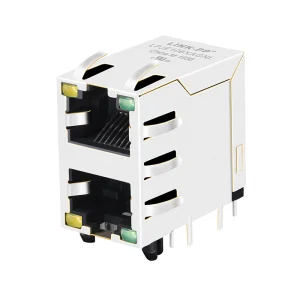
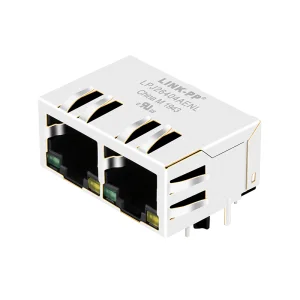
An in-depth look into bridging distance limitations and ensuring signal integrity in enterprise-grade networks.
Standard copper UTP networks are limited to 100 meters (328 feet). Ethernet extension protocols like VDSL2, G.hn coax, and Fiber Media Conversion allow high-speed data transmission over miles of physical media without signal degradation.
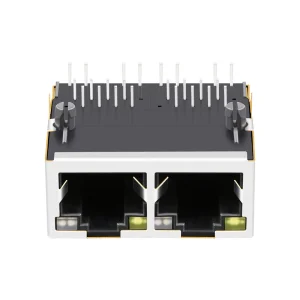
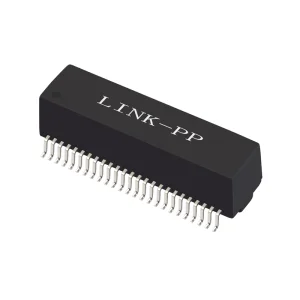
Extending copper runs introduces significant EMI risk. Modern extenders and couplers utilize integrated magnetics (like Telecom Transformer Modules) to isolate circuits, protect hardware, and filter out high-frequency noise.
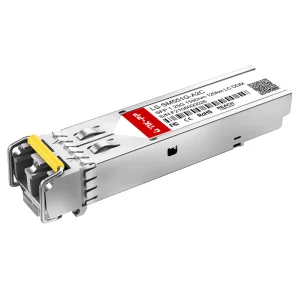
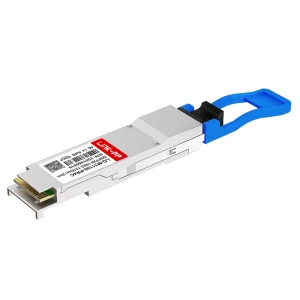
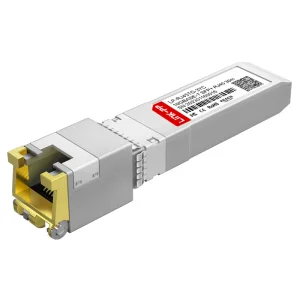
For extreme distances and absolute immunity to electrical interference, converting copper signals to optical via SFP and QSFP modules is the industry standard, extending ranges up to 120 kilometers.
Xelivor Optoelectronics Co., Ltd. is a professional manufacturer of optical transceivers and fiber connectivity solutions, dedicated to serving global data center, telecom, enterprise network, and cloud computing industries. Established in 2016, the company operates from a modern manufacturing facility covering 386 m² and has built a strong reputation for delivering reliable, high-performance optical communication products worldwide.
With over 8 years of industry experience and 6 years of export experience, Xelivor has achieved annual export revenues exceeding USD 12 million. Our products are exported to customers across North America, Europe, Southeast Asia, the Middle East, and South America, supporting a wide range of networking applications from enterprise infrastructure to hyperscale data centers.
Quality is at the core of our operations. Our quality management system incorporates incoming material inspection, in-process quality control, aging tests, compatibility verification, optical parameter testing, and final product inspection. A professional quality assurance team of 32 inspectors ensures every product meets strict international standards before shipment.
Xelivor specializes in the design, development, and production of optical transceivers, including SFP, SFP+, SFP28, QSFP28, QSFP-DD, OSFP, DAC, and AOC solutions. Backed by a dedicated R&D team of 68 engineers, the company continuously invests in innovation and launched more than 85 new products in the past year to meet the evolving demands of high-speed optical networks.
The company maintains long-term cooperation with more than 850 supply chain partners, enabling stable sourcing, efficient production, and rapid delivery capabilities. Our flexible manufacturing system supports OEM, ODM, private label, customized firmware, customized labeling, and packaging services to satisfy diverse customer requirements.
Understanding why Chinese factories lead the global supply chain in telecom, Ethernet extenders, and transceivers.
Unlike regional assembly plants, factories in Shenzhen and the Yangtze River Delta have access to an entire component ecosystem within a 50km radius. From raw optical lasers and precision silicon wafers to magnetic transformers and copper shielding, raw materials are sourced locally, drastically reducing cycle times and minimizing supply disruption risks.
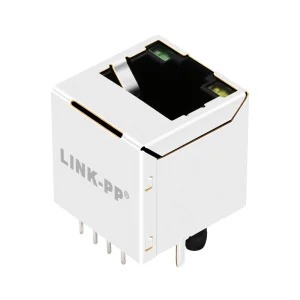
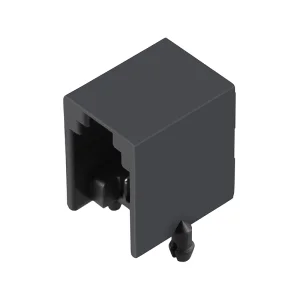
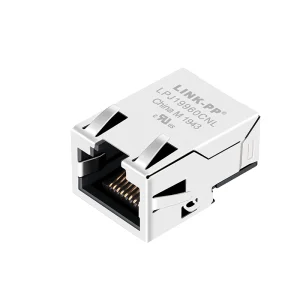
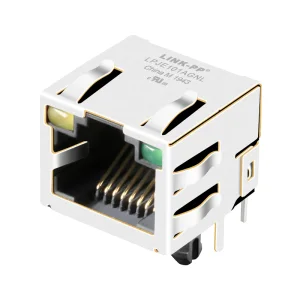
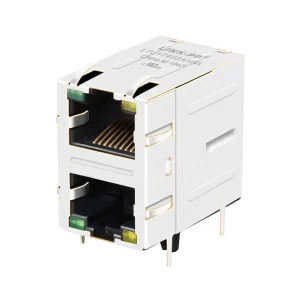
With R&D teams consisting of dozens of specialized physical-layer and firmware engineers (such as Xelivor's 68-engineer R&D center), custom designs transition from schematic to prototype in days. This agile structure allows factories to configure custom pinouts on RJ45 modular jacks, specialized heat-sink configurations, and custom optical transceivers for multi-vendor hardware compatibility.
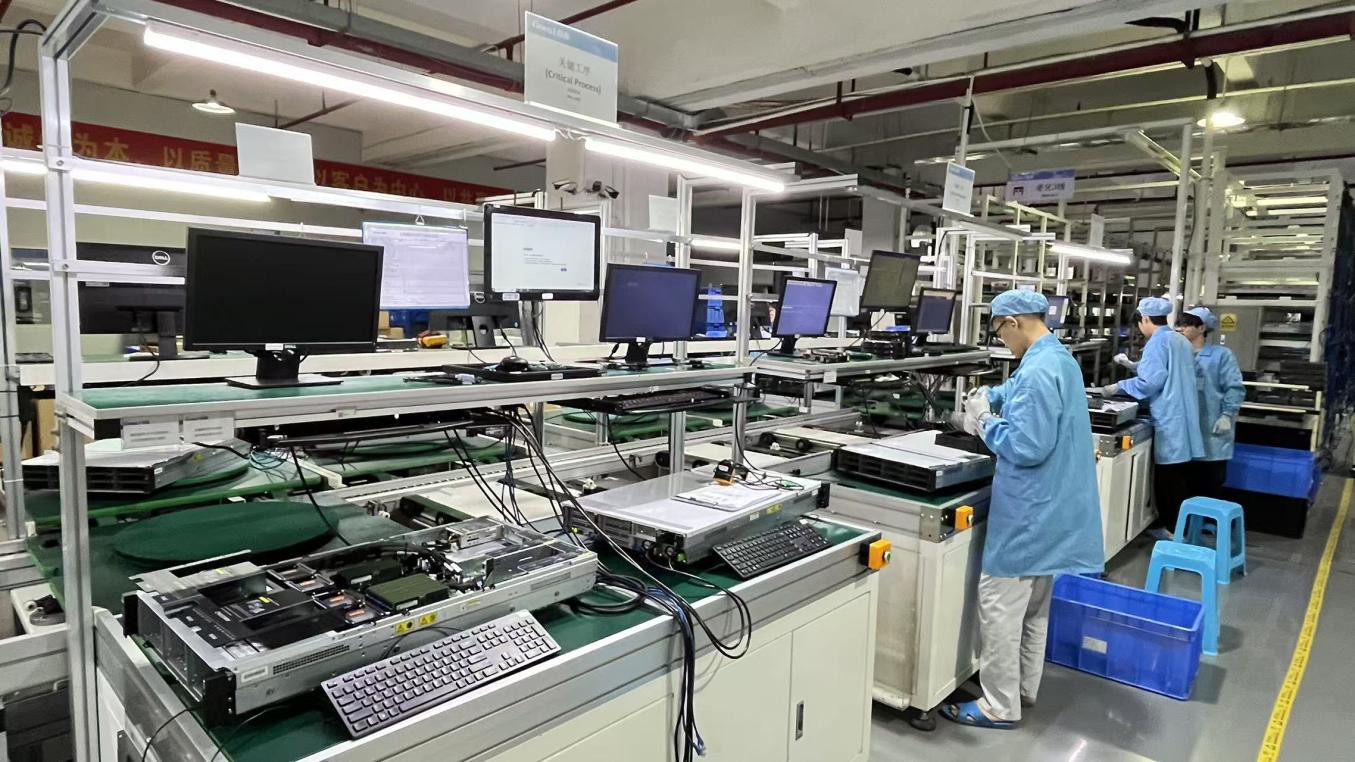
To serve strict European and North American enterprise markets, leading Chinese factories invest heavily in verification suites. State-of-the-art diagnostic platforms test for Bit Error Rate (BER), optical eye diagrams, electromagnetic shielding (EMI), and VDSL/G.hn SNR margins. Ensuring compliance with CE, FCC, RoHS, and UL guidelines ensures absolute reliability upon deployment.
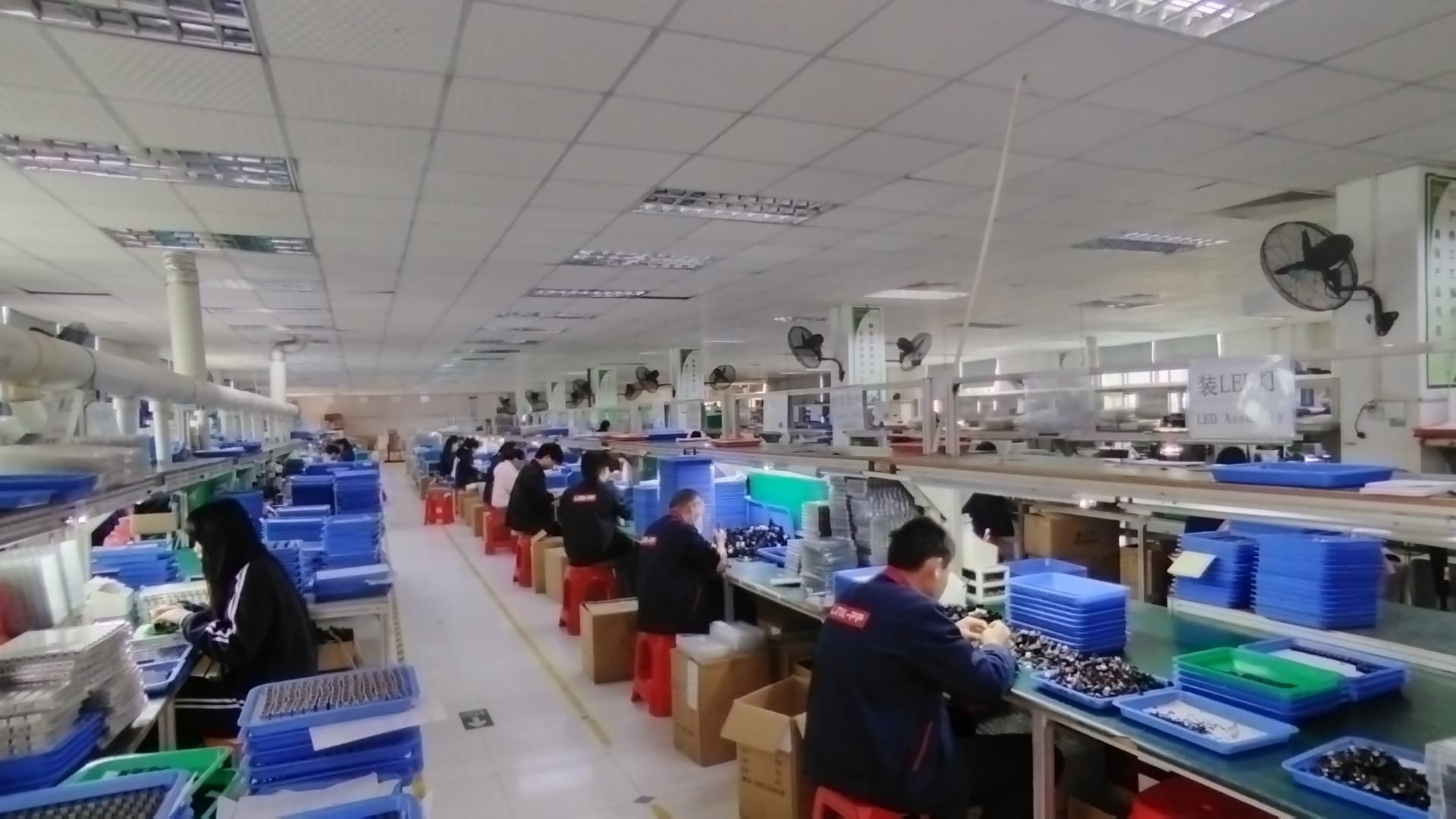
Whether fulfilling multi-million unit orders for national telecom rollouts or delivering custom low-volume runs for specific enterprise systems, factories operate flexible assembly lines. Automated surface mount technology (SMT) and modular hand-assembly ensure high reliability at reduced unit costs.
Deploying reliable extenders and high-performance components across demanding environments.
IP security cameras are often placed far beyond the 100-meter threshold (e.g., parking structures, perimeter walls). Extenders convert PoE signals over standard copper runs, maintaining HD video feeds without latency.
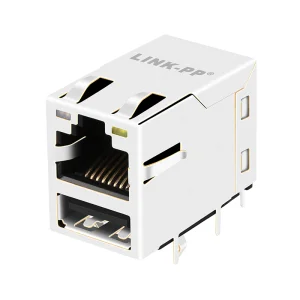
In manufacturing plants, heavy machinery produces massive electromagnetic interference. Extender architectures employing shielded RJ45 modules and high-isolation magnetic transformers prevent signal dropout and ESD damage.
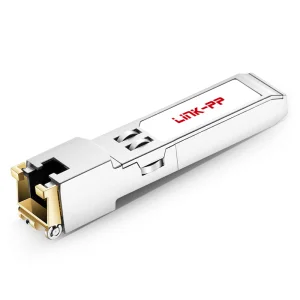
Extending networking links along railway tracks and station terminals requires ruggedized physical media converter nodes. These rely on specialized SFP copper modules capable of industrial temperature thresholds (-40°C to +85°C).
Expert insights into signal limits, magnetic shielding, and hardware compatibility protocols.
The 100m restriction is driven by signal attenuation and propagation delay. Over longer distances, high-frequency electrical signals weaken, leading to high packet loss and late collisions. To extend beyond this limit, an active media converter or extender is required to regenerate the electrical or optical signal.
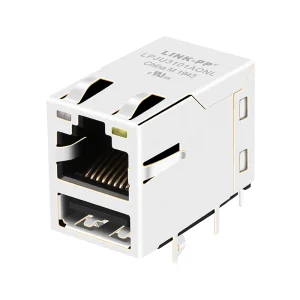
Integrated magnetics (like the 1000Base-T Telecom Transformer Modules) isolate the physical network link from the internal PHY controller chip. They provide electrical isolation of at least 1500V, suppress common-mode noise, and protect network devices against static discharge and surge currents.
Manufacturers customize the EEPROM firmware on transceivers to match vendor codes (e.g., Cisco, Juniper, TE, or HP). This allows the host switch to accept the module. Quality manufacturers verify each batch of transceivers on physical host devices to confirm DOM (Digital Optical Monitoring) functionality.
Passive extension simply relays signals over copper couplers, providing no extension past the 100-meter spec, while risking impedance mismatch. Active extension actively processes, amplifies, and packetizes data (using protocols like VDSL2 or fiber transceivers) to achieve lengths of several miles.
Essential sub-components, transceivers, and cages supporting advanced high-performance data systems globally.
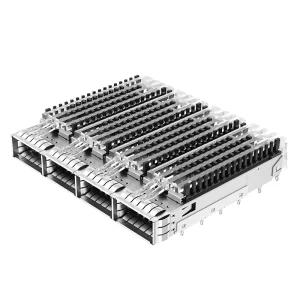
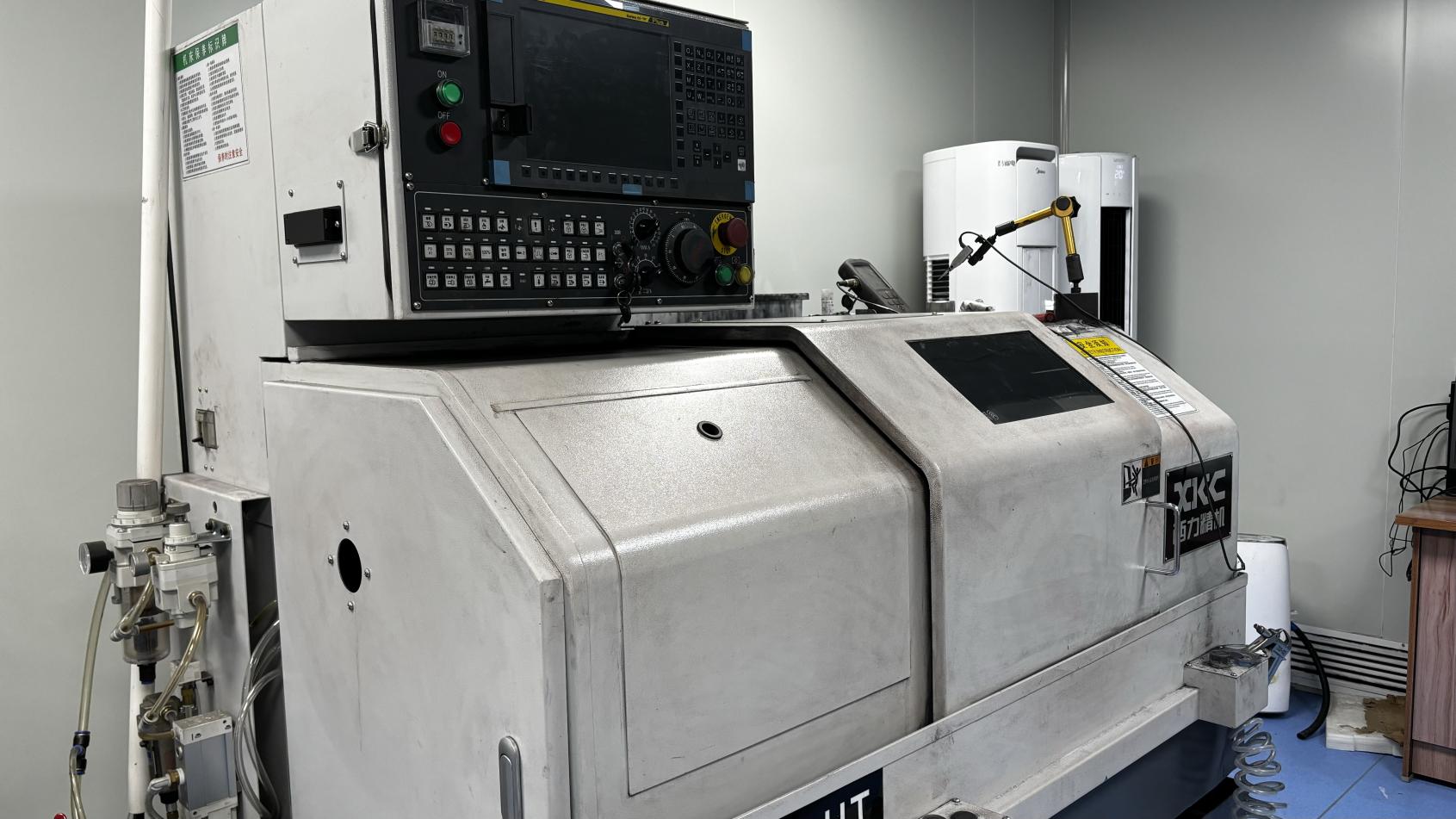
Inside our specialized manufacturing assembly lines and validation test setups, ensuring standard compliance across environments.