Xelivor
Xelivor
Xelivor
Industrial-grade transceiver modules, magnetics, and SFP containment systems optimized for low-latency Ethernet switches.
An in-depth look at signal integrity, thermal dissipation, and physical interface compatibility in high-density networking nodes.
Next-generation Ethernet switches require rigid electromagnetic shielding (EMI) to maintain low bit-error rates. Using press-fit SFP cages and multi-port shielded RJ45 modules with integrated magnetics directly reduces crosstalk, facilitating cleaner high-frequency signal paths across the PCB fabric.
Modern access switches handle high wattage workloads (up to 90W per port under IEEE 802.3bt). Implementing RJ45 connectors with integrated PoE capabilities reduces components footprint, minimizes thermal build-up, and guarantees stable power distribution to peripheral devices like Wi-Fi 6 APs and IP cameras.
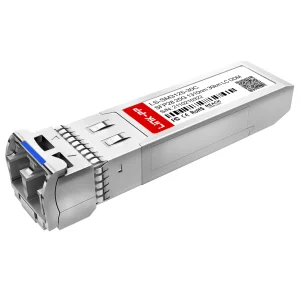
Switches must adapt to mixed topologies. Integrating modular optical transceivers (10G/25G SFP28/100G QSFP) enables operators to scale core links dynamically. Leveraging single-mode bidirectional transceivers doubles physical fiber usage, cutting optical infrastructure expenditures by up to 50%.
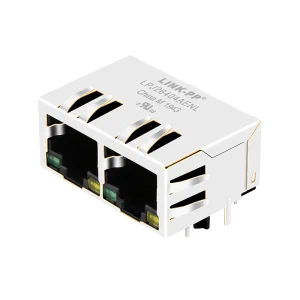
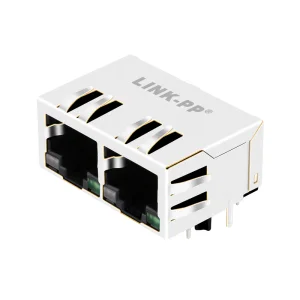
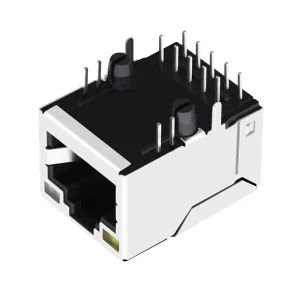
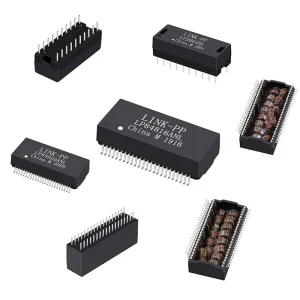
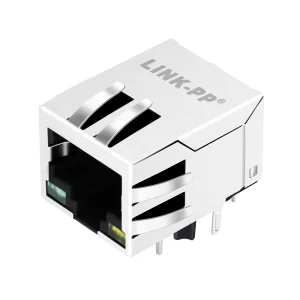
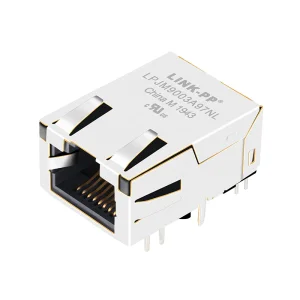
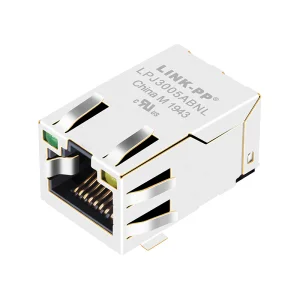
In high-density Ethernet platforms, isolating Ethernet PHY chips from external line surges and common-mode noise is critical. Integrated Connector Modules (ICMs) solve this challenge by wrapping isolation transformers, common-mode chokes, and status LEDs inside a shielded RJ45 housing. This integration saves up to 50% PCB space, eliminates routing complexities, and delivers predictable electromagnetic performance. The application of TE-compatible SFP cages and specialized RJ45 magnetic sockets guarantees seamless interchangeability, lowering system integration hurdles for global OEM customers.
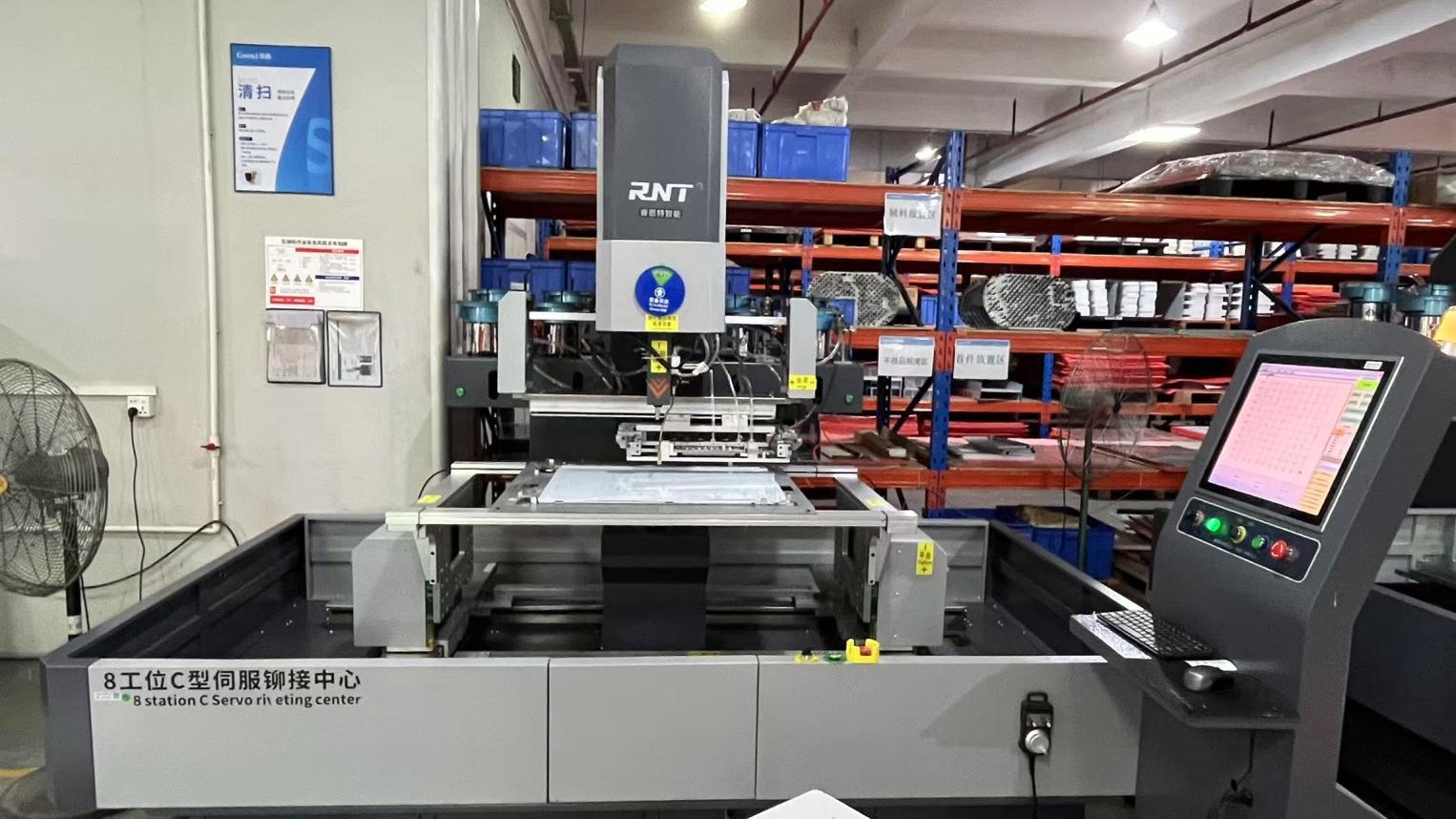
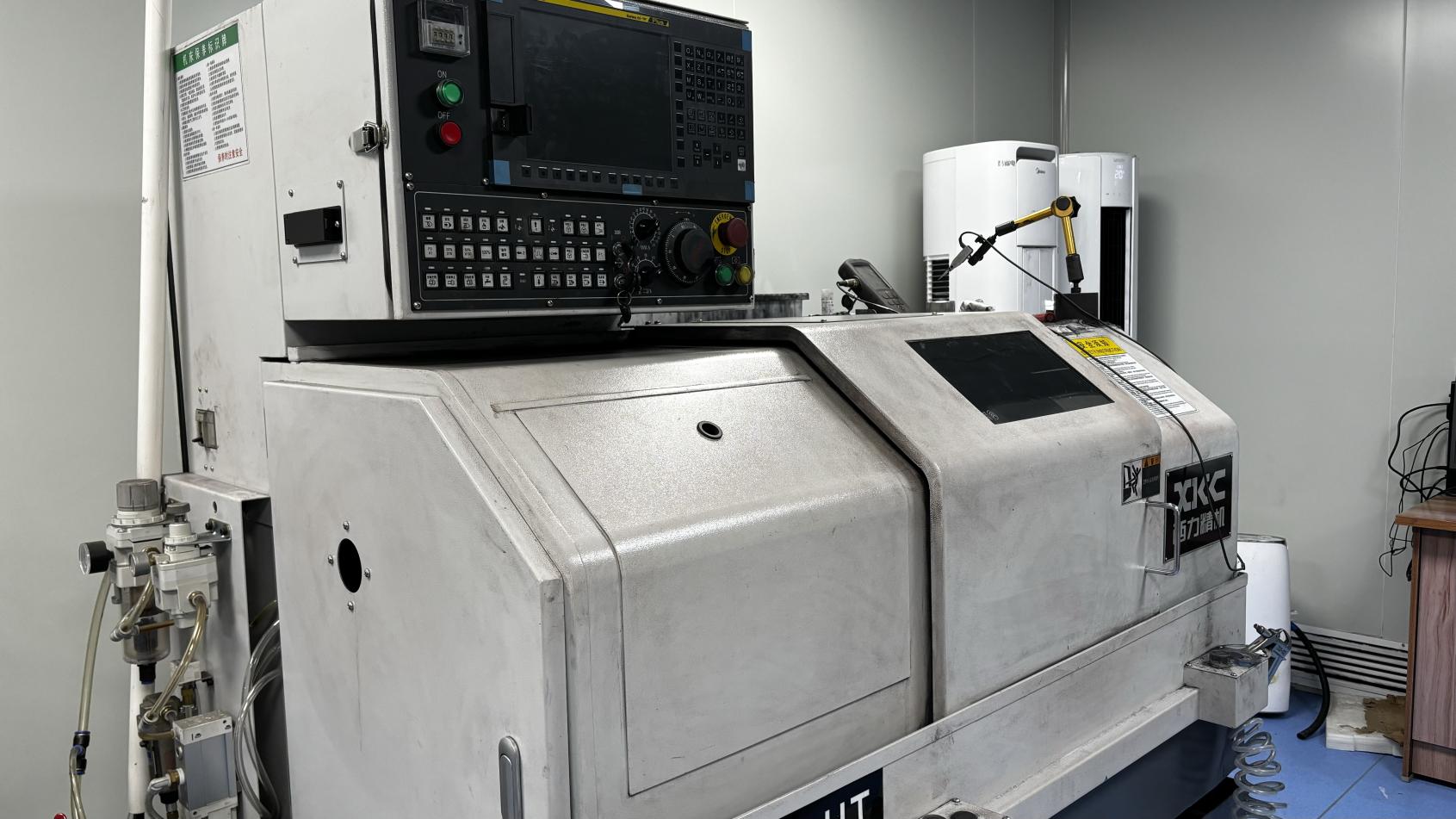
As global demand for data centers and smart optical infrastructure spikes, sourcing from a consolidated electronic cluster in China provides unmatched supply chain resilience. High-speed automation lines, rigorous compliance standards, and local availability of raw materials yield significant advantages.
Established in 2016, Xelivor Optoelectronics Co., Ltd. is a high-technology manufacturer of optical transceivers and advanced copper/fiber connectivity hardware. Headquartered in a dedicated, high-efficiency specialty facility, we design and distribute systems for major global network segments.
With 8+ years of industry experience and 6+ years of international export footprint, we drive over USD 12 million in annual export revenues. Our global logistics supply to North America, Europe, the Middle East, and South America.
R&D & QA Density:
68 Design Engineers / 32 QA Inspectors / 85+ New Products Launched Annually.
Empirical data demonstrating our operational capacity and dedication to industry-leading uptime.
Deploying targeted Ethernet hardware configurations to address diverse market segments, from enterprise campus structures to edge telecommunications nodes.
Enabling modern workspaces with multi-gigabit access switches. Incorporating high-performance 1000Base-T magnetic jacks and low-profile connectors secures reliable connection points for access control, unified communications, and high-bandwidth local area networks.
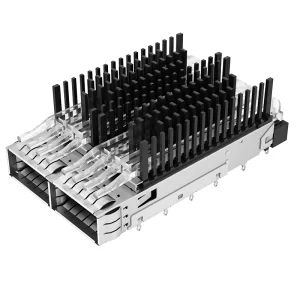
Supporting leaf-spine architectures with high-density physical layer components. Our SFP/SFP+ cages and 25G transceivers guarantee low latency, robust signal recovery, and strict heat sink integration, keeping server rack environments running with minimal downtime.
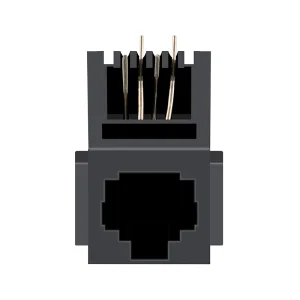
Delivering heavy-duty networking solutions for manufacturing floors. Designed to withstand extreme ambient temperatures, vibration, and EMI, our unshielded and shielded vertical RJ11/RJ45 connectors provide consistent device communication in harsh industrial applications.
| Application Scenario | Key Network Requirement | Recommended Physical Component | Technical Benefit |
|---|---|---|---|
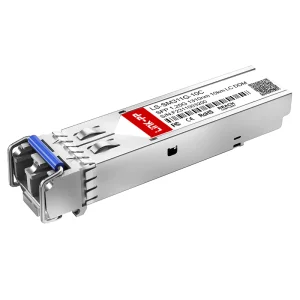
| Edge Cloud & Telecom Networks | Long-distance optical backhaul (10-30km) | SMF 25G SFP28 / 10G SFP+ Transceiver | DDM monitoring, low dispersion loss, dual LC SMF config |
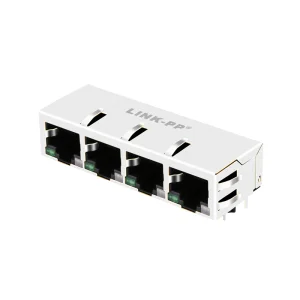
| Enterprise Core Switches | High density, high insertion life-cycle | 1x4 Multi-port / Tab-Up Low Profile RJ45 Jacks | Reduced board real estate, modular upgrade pathways |
| Security Surveillance (PoE) | Integrated power & data lines (IEEE 802.3at/bt) | RJ45 Magnetic Connectors with PoE/PoE+ | Eliminates external power cables, direct device supply |
The transformation of local and wide-area networking depends on developments in transceiver density, electrical isolation, and raw speeds.
Legacy 1G and 10G aggregation points are steadily migrating to 25G and 100G lanes to meet the processing demands of artificial intelligence workloads. SFP28 modules (using 25G NRZ modulation) allow legacy fiber routes to handle higher throughputs without costly physical cable upgrades. This shift requires precise, low-tolerance SFP+ cages and thermal components to prevent optical power degradation under heavy traffic.
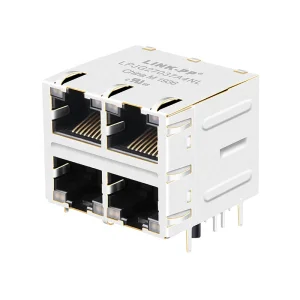
As switches pack more ports into a standard 1U chassis, internal space decreases. Low-profile, tab-up magnetic RJ45 connectors allow PCB layouts to remain compact. Additionally, press-fit SFP cages facilitate faster assembly while ensuring structural integrity and strong grounding interfaces that mitigate EMI leakage.
Energy-efficient Ethernet standard (IEEE 802.3az) demands that modern switches power down ports when idle. Our components support low standby power profiles. Furthermore, using optical transceivers with low power consumption (<1.2W for 10G/25G transceivers) reduces the overall thermal footprint, enabling dense installations without expensive liquid cooling infrastructures.
Modern system administrators require real-time diagnostics on optical links. Digital Diagnostic Monitoring (DDM) integrated into SFP modules allows monitoring of optical input/output power, transceiver temperature, laser bias current, and transceiver supply voltage. This capability enables operators to resolve optical link degradation issues before they impact network uptime.
In-depth technical answers addressing system integration, electromagnetic shielding, and global supplier standards.
Integrated magnetics (also known as Integrated Connector Modules or ICMs) combine isolation transformers, common-mode chokes, resistors, and capacitors within the RJ45 shell. This design isolates Ethernet PHY transceivers from common-mode noise, static buildup, and voltage spikes on the twisted-pair cable. It ensures clean signal transmission, improves electrostatic discharge (ESD) protection, and reduces board space compared to using discrete components on the switch's main PCB.
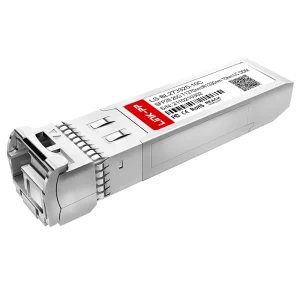
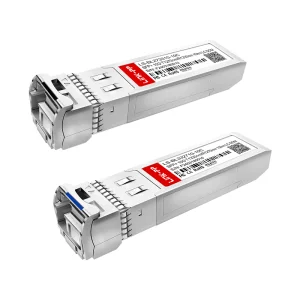
BiDi transceivers use wavelength-division multiplexing (WDM) to transmit and receive signals over a single strand of optical fiber (SMF). They employ two distinct wavelengths (e.g., 1270nm TX / 1330nm RX and vice versa). This approach doubles the capacity of existing fiber infrastructure without laying new physical cables, cutting fiber lease and deployment costs in half for network operators.
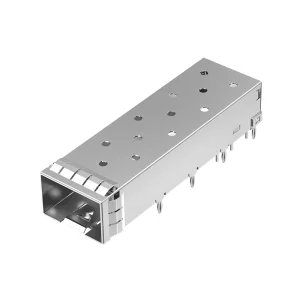
Through-hole cages rely on traditional wave soldering, which provides a strong mechanical bond but requires manual labor and can introduce soldering flux residue. Press-fit cages use compliant pins that are pressed into the PCB’s plated through-holes. This solderless connection offers a fast, clean assembly, reduces thermal stress on the PCB, and ensures consistent ground connections for high-frequency signal integrity.
DDM (also known as DOM) provides real-time access to operational parameters like transceiver temperature, laser bias current, optical TX power, optical RX power, and transceiver voltage. By comparing these values against configured threshold limits, network administrators can detect fiber degradation, laser aging, or power abnormalities and schedule preventive maintenance before a link fails entirely.
Xelivor provides comprehensive OEM/ODM solutions. This includes writing custom firmware to ensure SFP compatibility across third-party switches, designing custom labels and packaging, and configuring specific magnetics or LED behaviors in RJ45 housings. This ensures physical components integrate smoothly into client switch chassis designs.
Reliable components designed for telecom racks, edge switch designs, and high-frequency network backplanes.
A look at the processes that ensure consistent performance, strict quality standards, and reliable operation across all of our connectivity products.
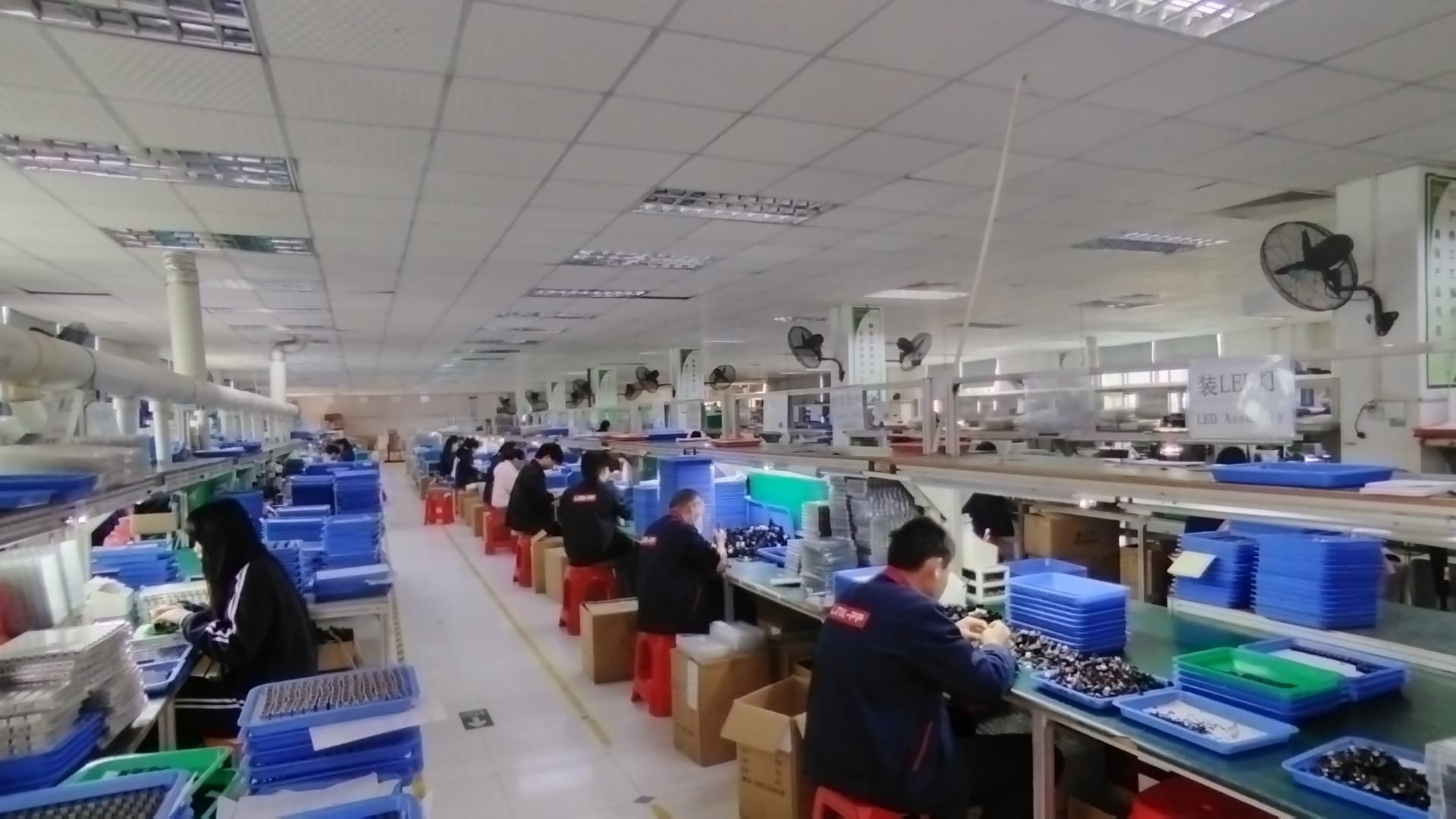
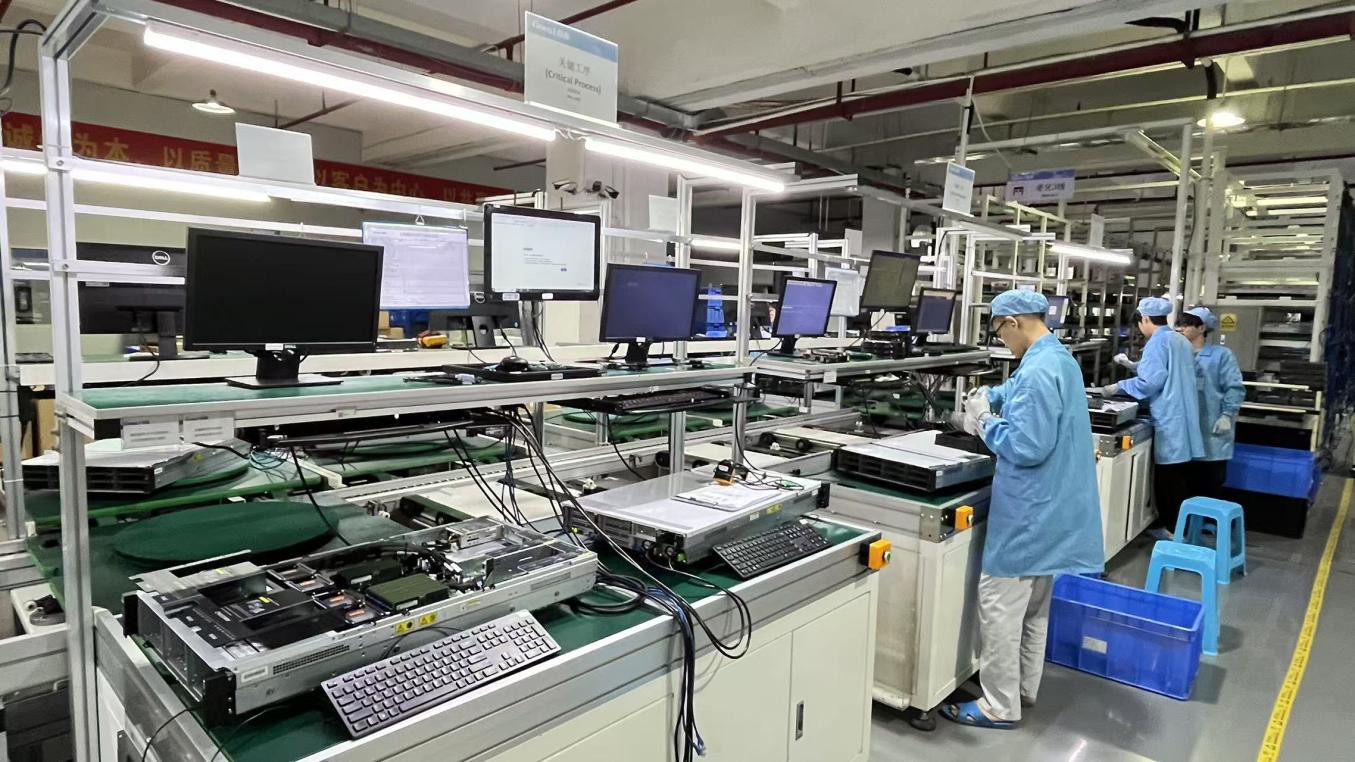
Our quality management workflow incorporates multi-stage quality gates, including incoming material qualification, in-process sub-assembly inspection, strict aging tests, optical parameter verification, and pre-shipment compatibility audits. Supported by a specialized team of 32 QA inspectors, we guarantee that every batch of RJ45 magnetic sockets, SFP cages, and optical transceivers aligns with demanding international network performance standards.