Xelivor
Xelivor
Xelivor
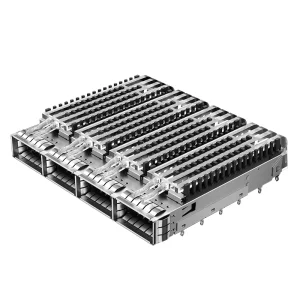
As modern networks transition to hyperscale architectures, Edge cloud systems, and 5G backhauls, the integrity of the physical layer (Layer 1) has become paramount. A tiny fraction of decibel loss in a fiber splice or a minor impedance mismatch in an RJ45 patch panel can paralyze enterprise systems. This shift has redefined the requirements for network cable testers and physical connection verification equipment.
Historically, basic wiremap testing was sufficient for Category 5 (Cat5) infrastructure. However, today’s networks require validation of Cat6A, Cat8, and advanced single-mode and multi-mode fiber systems. A reliable manufacturer must design testing tools that go beyond checking continuity. Modern devices analyze parameters like insertion loss, return loss, Near-End Crosstalk (NEXT), Far-End Crosstalk (FEXT), and evaluate optical fiber properties using Optical Time-Domain Reflectometry (OTDR).
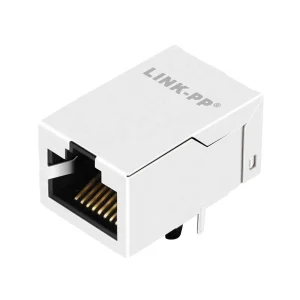
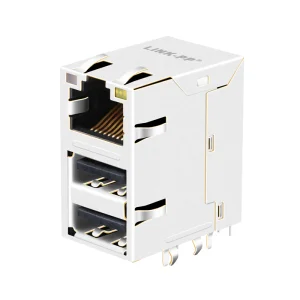
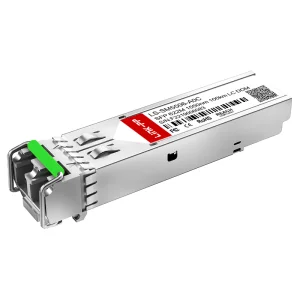
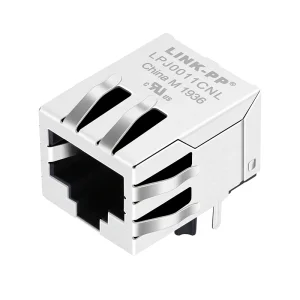
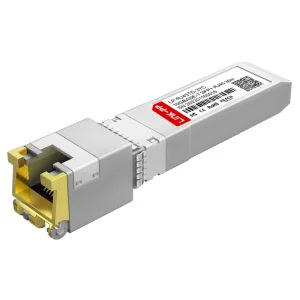
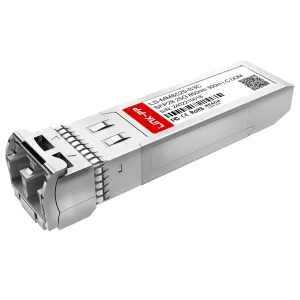
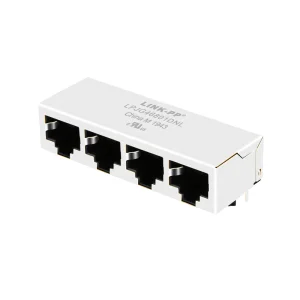
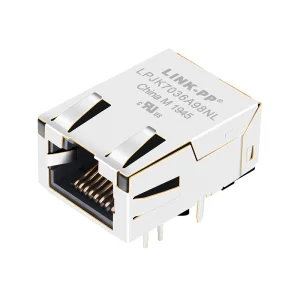
As a global leader in optical communications and copper connector manufacturing, Xelivor understands this balance. Ensuring that connection components (such as our high-performance RJ45 magnetic modules, low-profile modular jacks, and high-frequency SFP+ optical transceivers) align with these validation criteria is central to our manufacturing process.
To help engineers identify and analyze physical transmission bottlenecks, we have detailed the critical testing values across optical and copper network infrastructures:
| Transmission Medium | Standard Interface Type | Critical Parameter Checked | Acceptable Threshold Standard | Testing Method / Instruments |
|---|---|---|---|---|
| Cat6A / Cat8 Copper | RJ45 Modular Jacks (SMT, Stacked) | NEXT / FEXT / Insertion Loss | < 43.8 dB @ 500 MHz (NEXT) | Digital Analyzer (Wiremap, Channel/Permanent Link) |
| Multi-Mode Fiber (MMF) | SFP+ LC Duplex (e.g., 10GBASE-SR) | Optical Power Loss, Spectral Width | Total Link Budget < 2.6 dB (850nm) | Optical Power Meter (OPM) / Light Source |
| Single-Mode Fiber (SMF) | LC Duplex / Simplex (up to 120km) | Reflection, Splice Loss, Return Loss | Optical Return Loss > 50 dB | Optical Time-Domain Reflectometer (OTDR) |
| PoE/PoE++ Systems | Vertical PoE RJ45 (e.g., HFJV1) | DC Resistance Unbalance | < 3% variation between pairs | DC Resistance Tester / PoE Load Simulator |
Enterprise procurement teams, system integrators, and CTOs look for specific, proven criteria when choosing a manufacturing partner. Selecting a network cable testing and connectivity vendor is a long-term investment. Organizations evaluate providers based on these key pillars:
Operating from China’s leading electronic manufacturing cluster gives Xelivor an advantage in serving global markets. This structure allows us to offer cost-effective, high-quality, and agile solutions to our customers:
Our access to localized raw materials—including copper alloys, custom gold plating, high-durability plastic housings, and optoelectronic chips—helps us maintain stable lead times.
We offer full customization options, including custom firmware, layout modifications, and customized labels. This supports clients building specialized physical layer testing configurations.
Every active transceiver and passive magnetic RJ45 jack goes through rigorous testing, including eye-diagram verification and physical layer stress tests, before shipping.
Deploying infrastructure globally requires complying with regional regulatory standards. As an exporter, Xelivor structures its design and manufacturing stages to meet these compliance guidelines:
Through our dedicated R&D team of 68 engineers and a QA group of 32 inspectors, Xelivor ensures that every product is tested and ready for deployment in complex environments worldwide.
Our network solutions and high-performance components are designed for diverse, demanding environments:
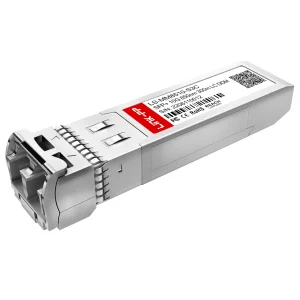
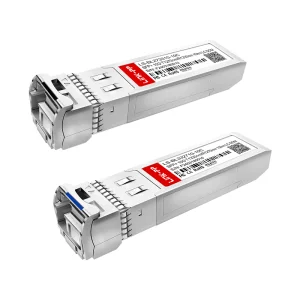
Data centers demand zero packet loss and low latency. Utilizing 10GBASE-SR SFP+ Duplex MMF and 25G SFP28 transceivers requires precise fiber-optic line testing. During setup, installers use dual-wavelength fiber test kits to verify insertion loss parameters, ensuring maximum signal throughput across connections.
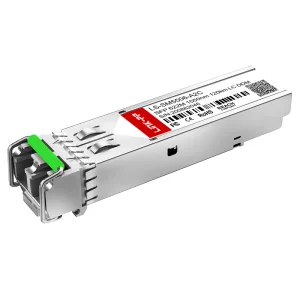
Long-haul telecom deployments rely on transceivers like our 1550nm Single Mode 120km LC duplex modules. For these installations, engineers use OTDR testers to check fiber spans for physical disruptions, macrobends, or splice issues, safeguarding communication quality across extended distances.
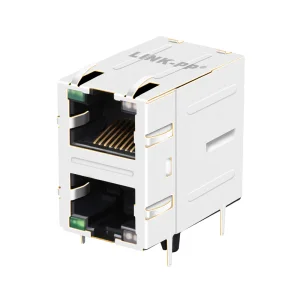
Deploying smart infrastructure, such as IP cameras, VoIP phones, and wireless access points, requires robust connectivity. Using HFJV1-2450-L12RL PoE RJ45 jacks helps ensure steady power and data transmission. Technicians use PoE-enabled cable testers to verify that the copper cabling can handle the current load without dropping signals.
As networks evolve, several key trends are driving the future of testing and physical connectivity:
For high-frequency copper networks (Cat6A up to 500 MHz and Cat8 up to 2000 MHz), a professional tester must analyze: Wiremap (continuity, short circuits, split pairs), Insertion Loss (signal attenuation over distance), Near-End Crosstalk (NEXT), Power Sum NEXT, Return Loss (reflection of signal caused by impedance variance), and DC Resistance Unbalance, which is particularly critical for PoE applications.
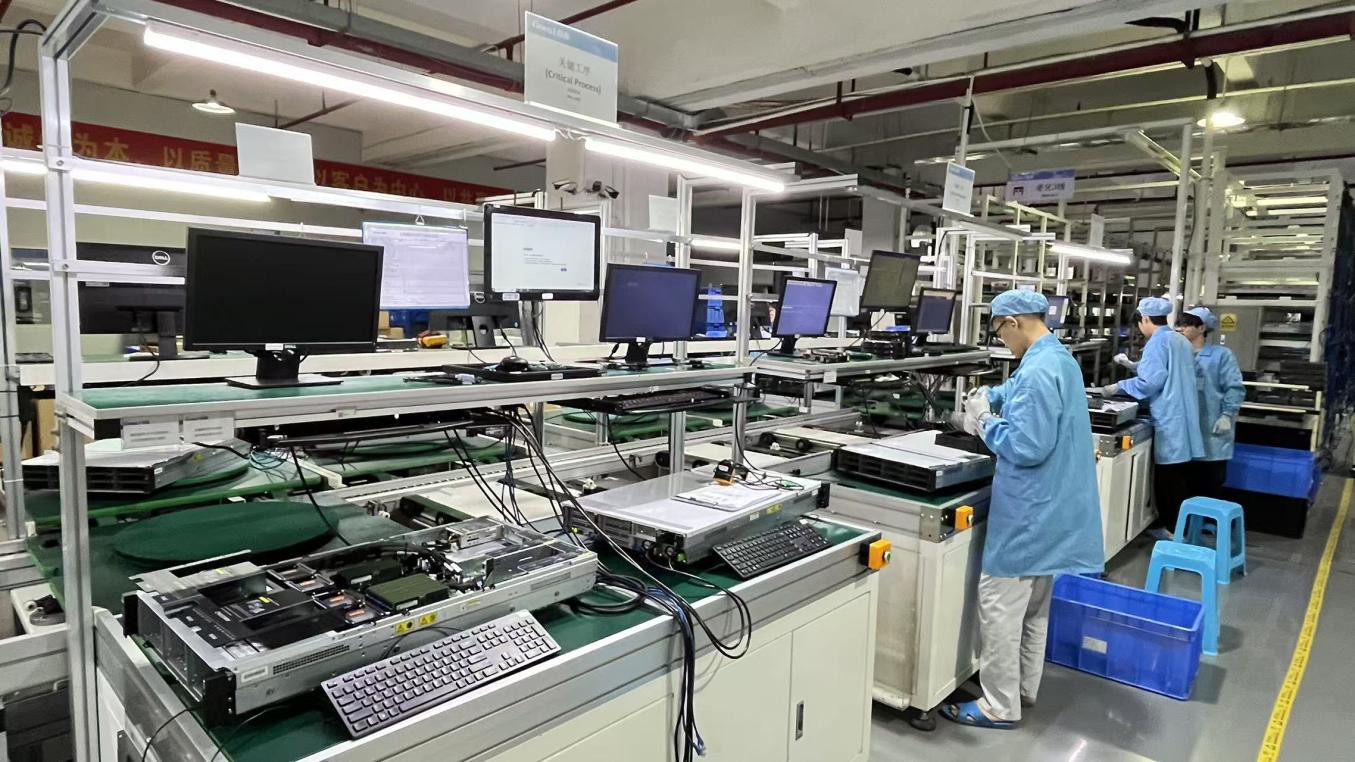
We maintain an advanced Quality Assurance process. Every transceiver—from standard 10G SFP+ to 25G SFP28 and long-distance single-mode modules—is tested on-site using eye-diagram analysis, spectral width tests, and bit-error-rate (BERT) testers. We also verify compatibility across major switch brands, including Cisco, Juniper, Arista, and HP, inside our test labs.
Integrated magnetic modules (MagJacks) provide high-voltage isolation, protecting connected devices from static discharge and power surges. They also contain low-pass filters that reduce electromagnetic interference (EMI) and cross-talk, which helps maintain high signal integrity and keeps packet loss to a minimum.
Multi-mode fiber testing typically focuses on insertion loss at 850nm and 1300nm wavelengths using optical light sources and power meters. Single-mode testing (such as for our 120km SFP modules) is performed at 1310nm and 1550nm, often requiring an Optical Time-Domain Reflectometer (OTDR) to identify splice anomalies and reflection peaks along long-distance links.
Yes, Xelivor offers comprehensive OEM and ODM support. We assist clients with layout changes, custom PCB layouts, specialized housing dimensions, customized firmware for specific switch ecosystems, and custom packaging. This flexible process helps clients design custom products that align with their testing and connection requirements.
Under load, unplugging an active RJ45 connection can cause tiny electrical arcs that damage the gold-plated contacts. Our PoE and PoE++ vertical modular jacks are designed with specialized contact geometries that relocate this wear away from the critical data transmission points, ensuring long-term connection stability and reliable operation.
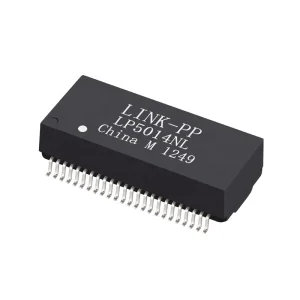
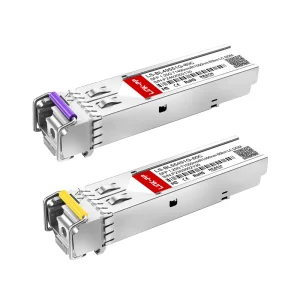
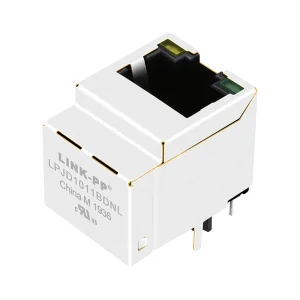
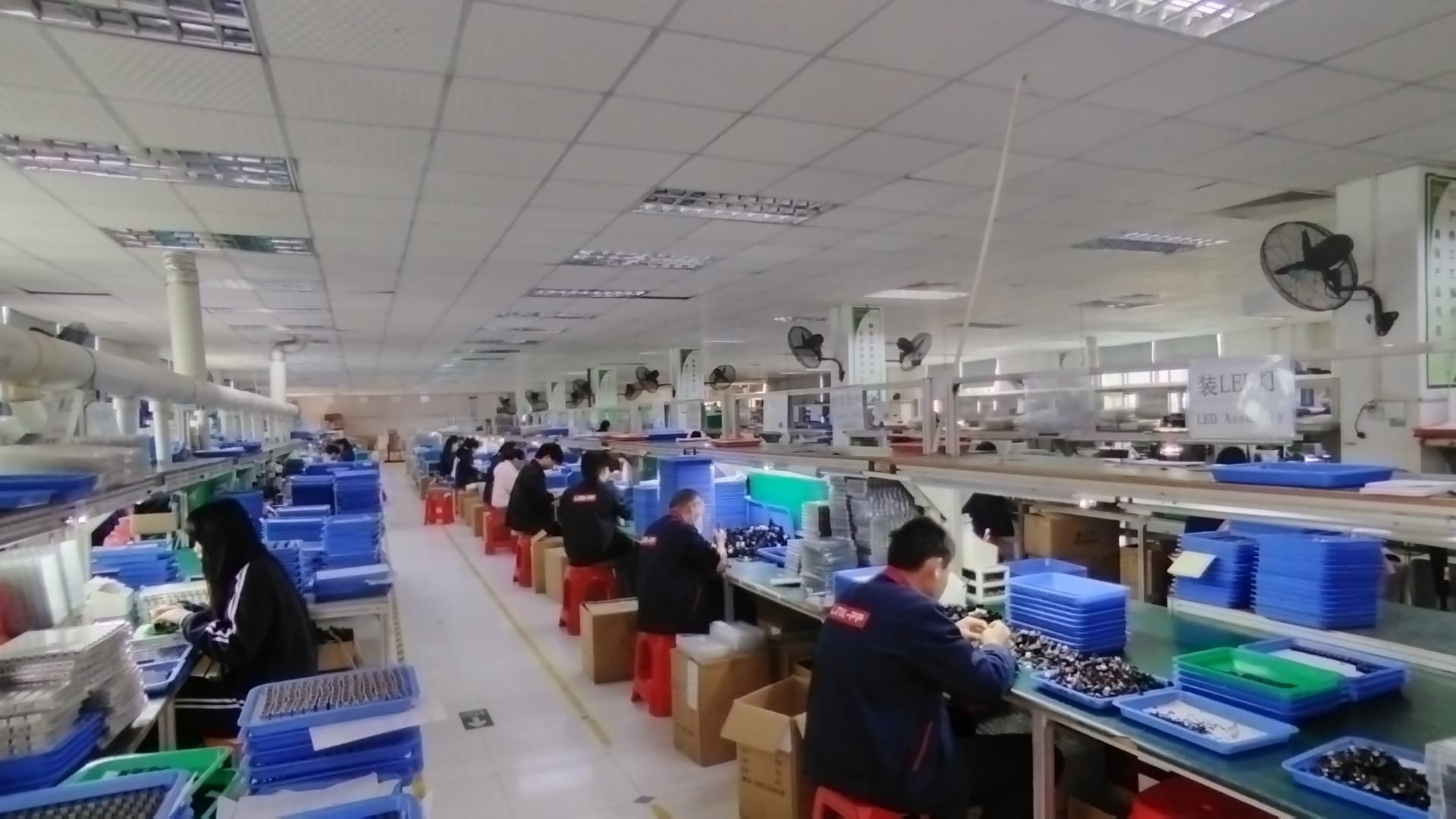
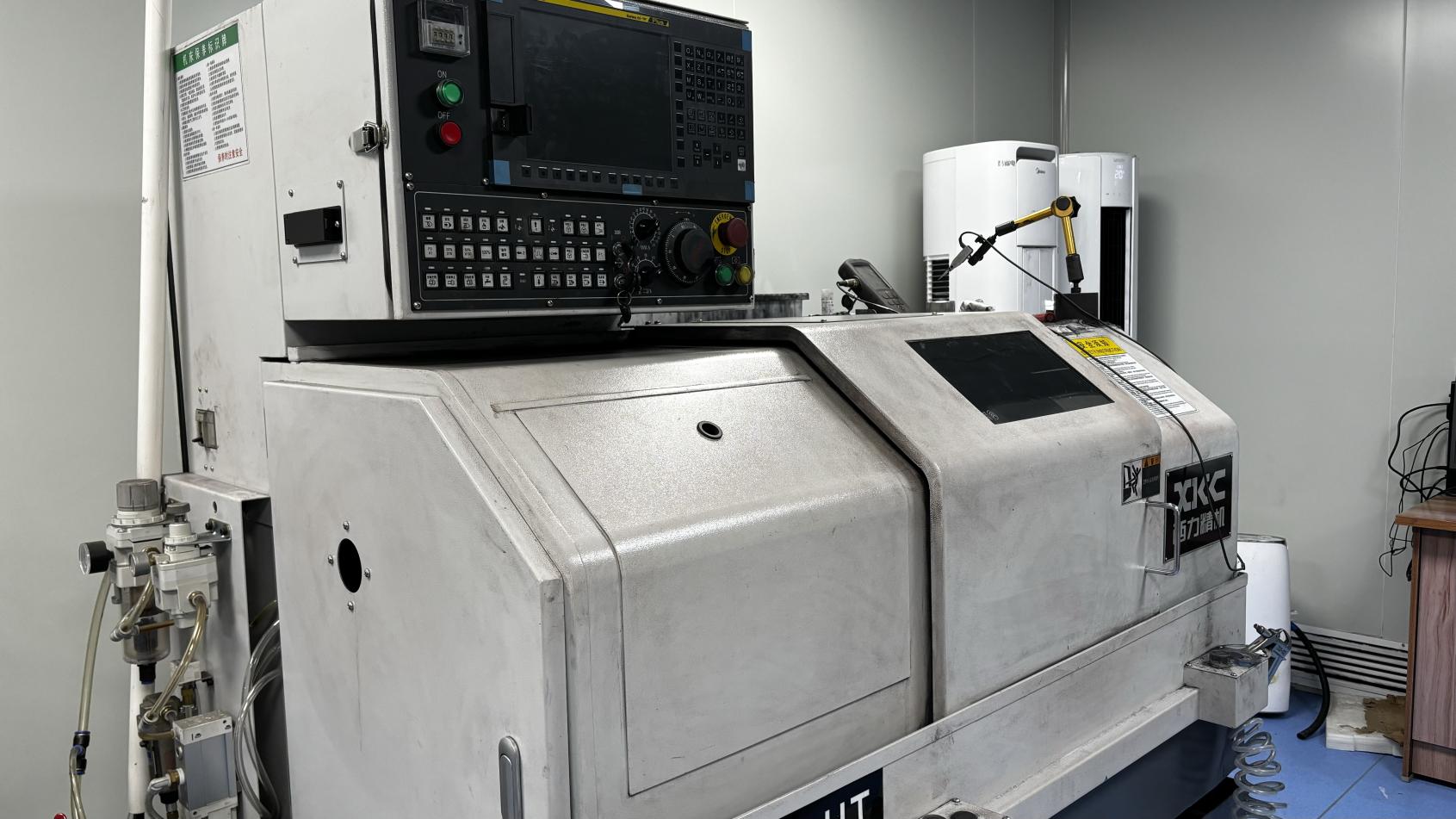
Xelivor Optoelectronics Co., Ltd. is a professional manufacturer of optical transceivers and fiber connectivity solutions, dedicated to serving global data center, telecom, enterprise network, and cloud computing industries. Established in 2016, the company operates from a modern manufacturing facility covering 386 m² and has built a strong reputation for delivering reliable, high-performance optical communication products worldwide.
With over 8 years of industry experience and 6 years of export experience, Xelivor has achieved annual export revenues exceeding USD 12 million. Our products are exported to customers across North America, Europe, Southeast Asia, the Middle East, and South America, supporting a wide range of networking applications from enterprise infrastructure to hyperscale data centers.
Xelivor specializes in the design, development, and production of optical transceivers, including SFP, SFP+, SFP28, QSFP28, QSFP-DD, OSFP, DAC, and AOC solutions. Backed by a dedicated R&D team of 68 engineers, the company continuously invests in innovation and launched more than 85 new products in the past year to meet the evolving demands of high-speed optical networks.
Quality is at the core of our operations. Our quality management system incorporates incoming material inspection, in-process quality control, aging tests, compatibility verification, optical parameter testing, and final product inspection. A professional quality assurance team of 32 inspectors ensures every product meets strict international standards before shipment.
The company maintains long-term cooperation with more than 850 supply chain partners, enabling stable sourcing, efficient production, and rapid delivery capabilities. Our flexible manufacturing system supports OEM, ODM, private label, customized firmware, customized labeling, and packaging services to satisfy diverse customer requirements.
As a company with strong independent R&D capabilities, advanced testing equipment, and a customer-oriented approach, Xelivor serves distributors, system integrators, telecommunications operators, data center providers, network equipment vendors, and enterprise customers worldwide.