Xelivor
Xelivor
Xelivor
Select from our primary selection of enterprise-grade transceivers, fully compatible with global switch brands and optimized for the environmental conditions of the Australian market.
As Australia's primary financial capital and tech hub, Sydney is experiencing an unprecedented expansion in data centers, metro transport systems, and smart industrial parks. From Macquarie Park's technology corridor to the newly developing Western Sydney Aerotropolis, reliable physical layer network transceivers are critical to supporting high-capacity data transmission.
While 10G, 40G, and 100G networks dominate hyperscale cloud environments, the 1.25G SFP (Small Form-factor Pluggable) module remains the workhorse of industrial control systems, regional NBN (National Broadband Network) nodes, enterprise CCTV backhauls, and municipal water/power management systems throughout New South Wales.
Sydney’s unique geography—ranging from high-density urban areas like the CBD and North Sydney to vast suburban and industrial corridors in the West—requires optical components that can withstand hot outdoor cabinets, maintain low latencies over long distances (up to 120km+), and guarantee 100% interoperability with existing multi-vendor core networks.
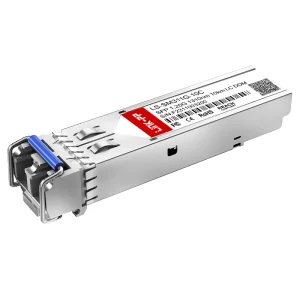
Duplex LC & Simplex BiDi Transceiver Systems engineered for stable transmission up to 160km over SMF.
How global sourcing patterns, industrial automation upgrades, and supply chain resilience are shaping SFP transceiver procurement for enterprise networks.
Global system integrators demand transceivers coded to bypass vendor lock-ins on Cisco, Aruba, Juniper, and Allied Telesis switches, minimizing inventory overhead.
Sydney's outdoor enclosures experience massive heat variance. Industrial temperature modules (-40°C to 85°C) are replacing standard commercial grades for stability.
Digital Optical Monitoring (DOM) real-time data allows operators in Sydney network centers to proactively monitor RX/TX power, temperature, and supply voltage.
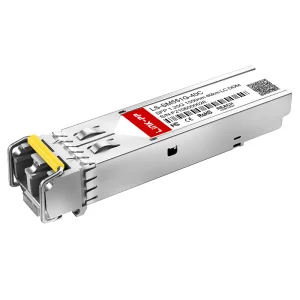
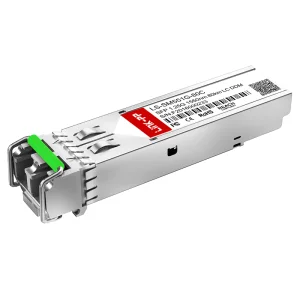
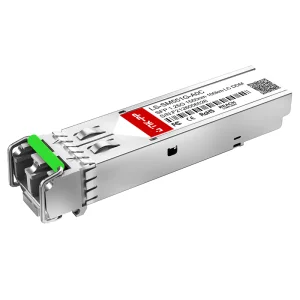
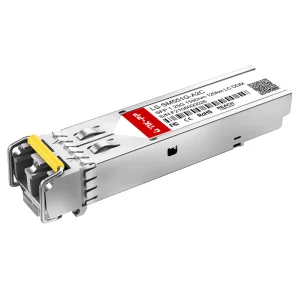
New Optical Products Launched in the Past 12 Months
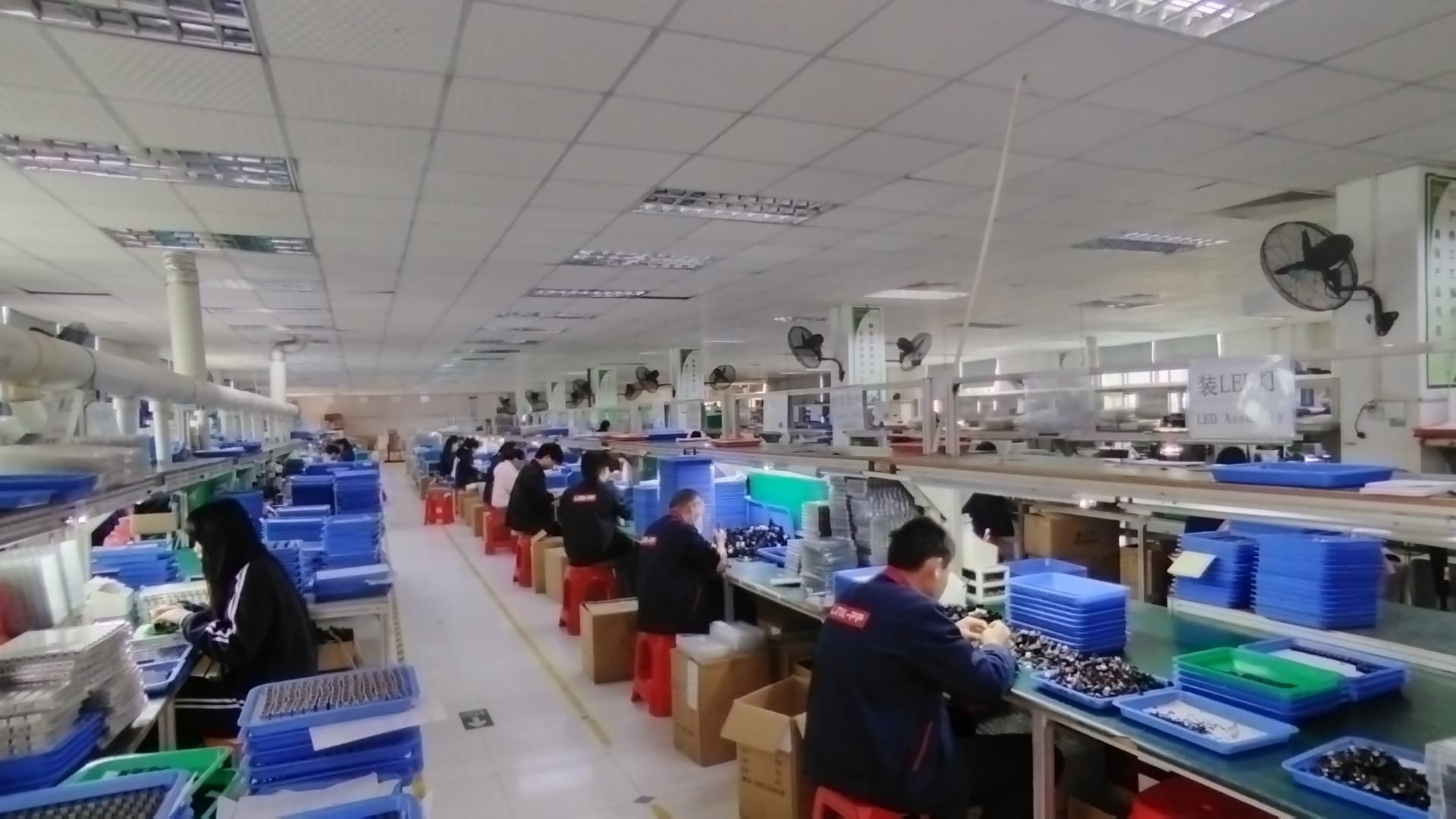
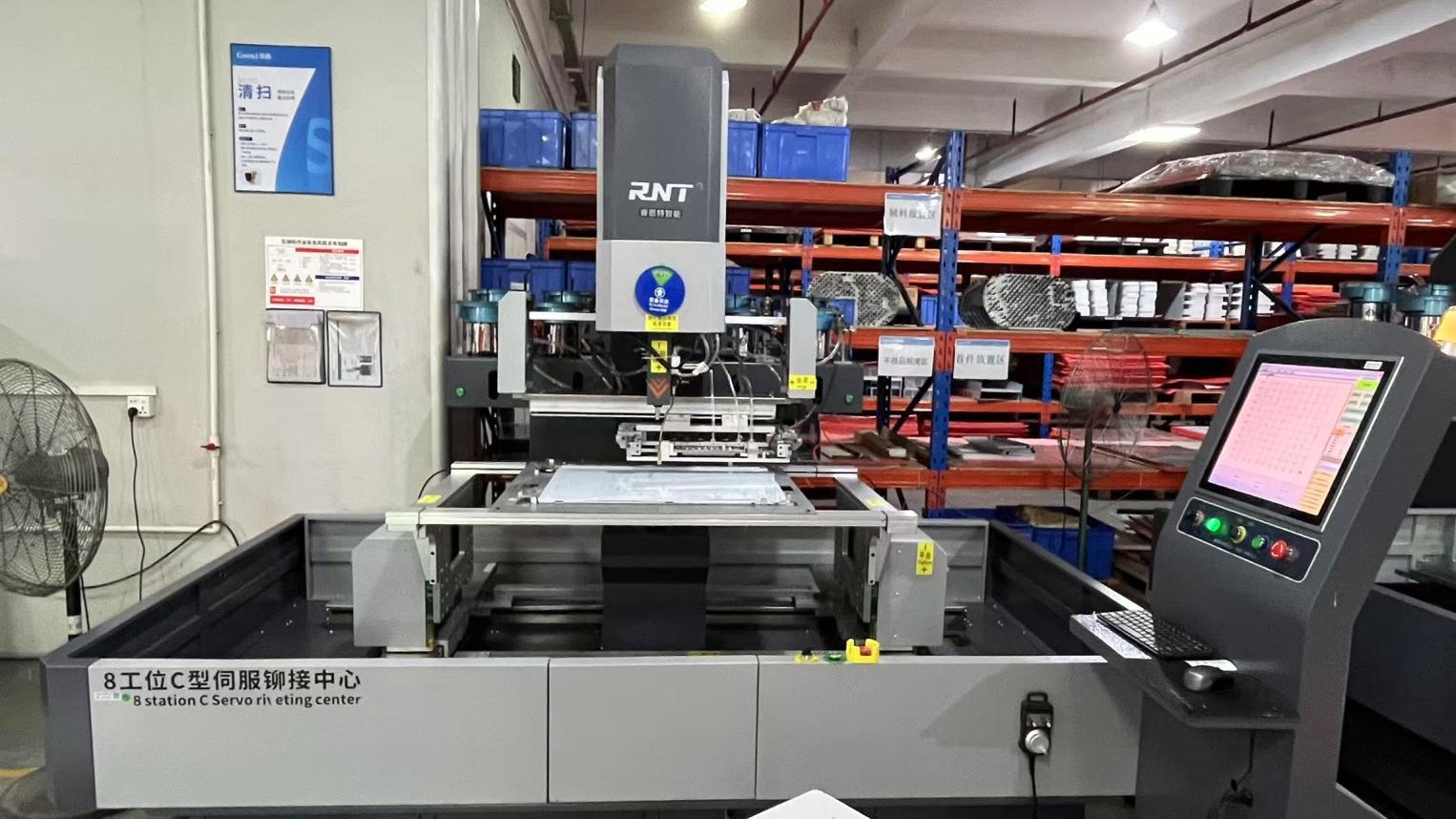
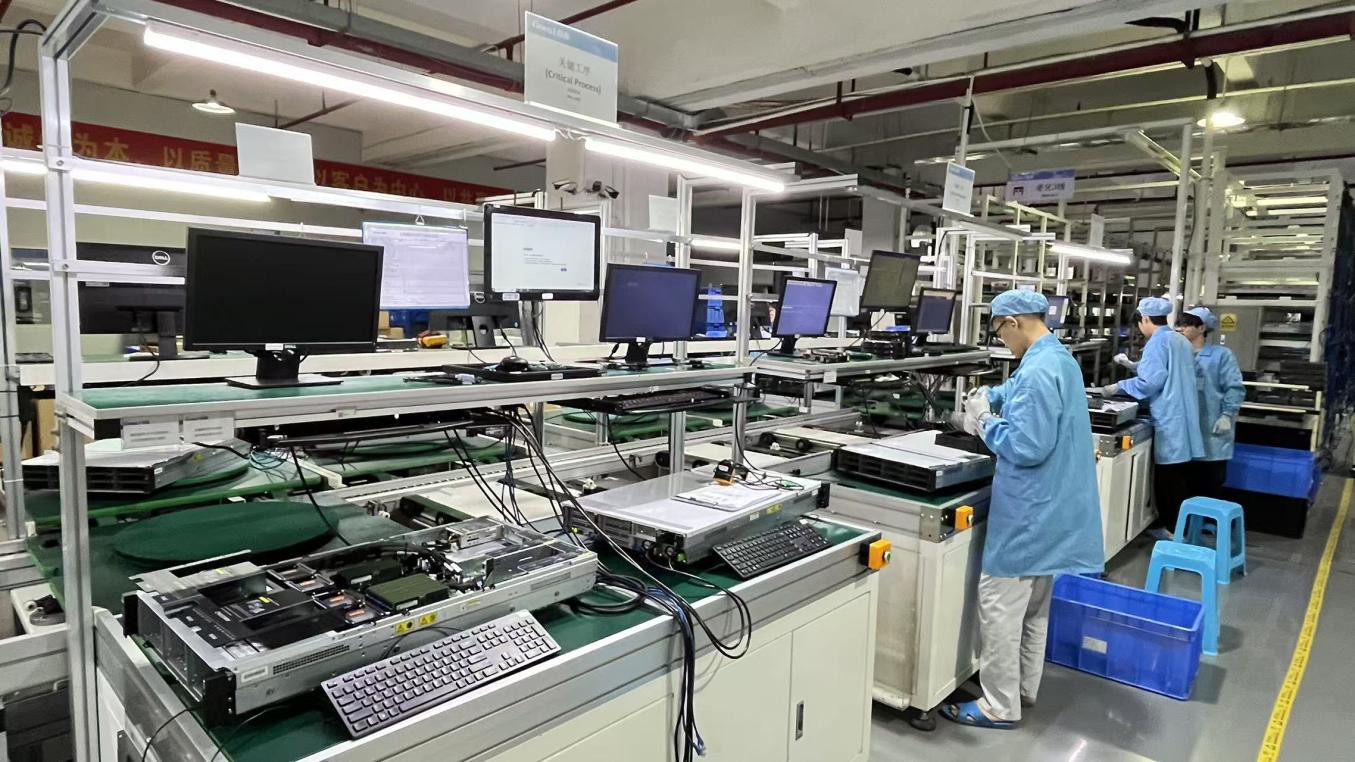
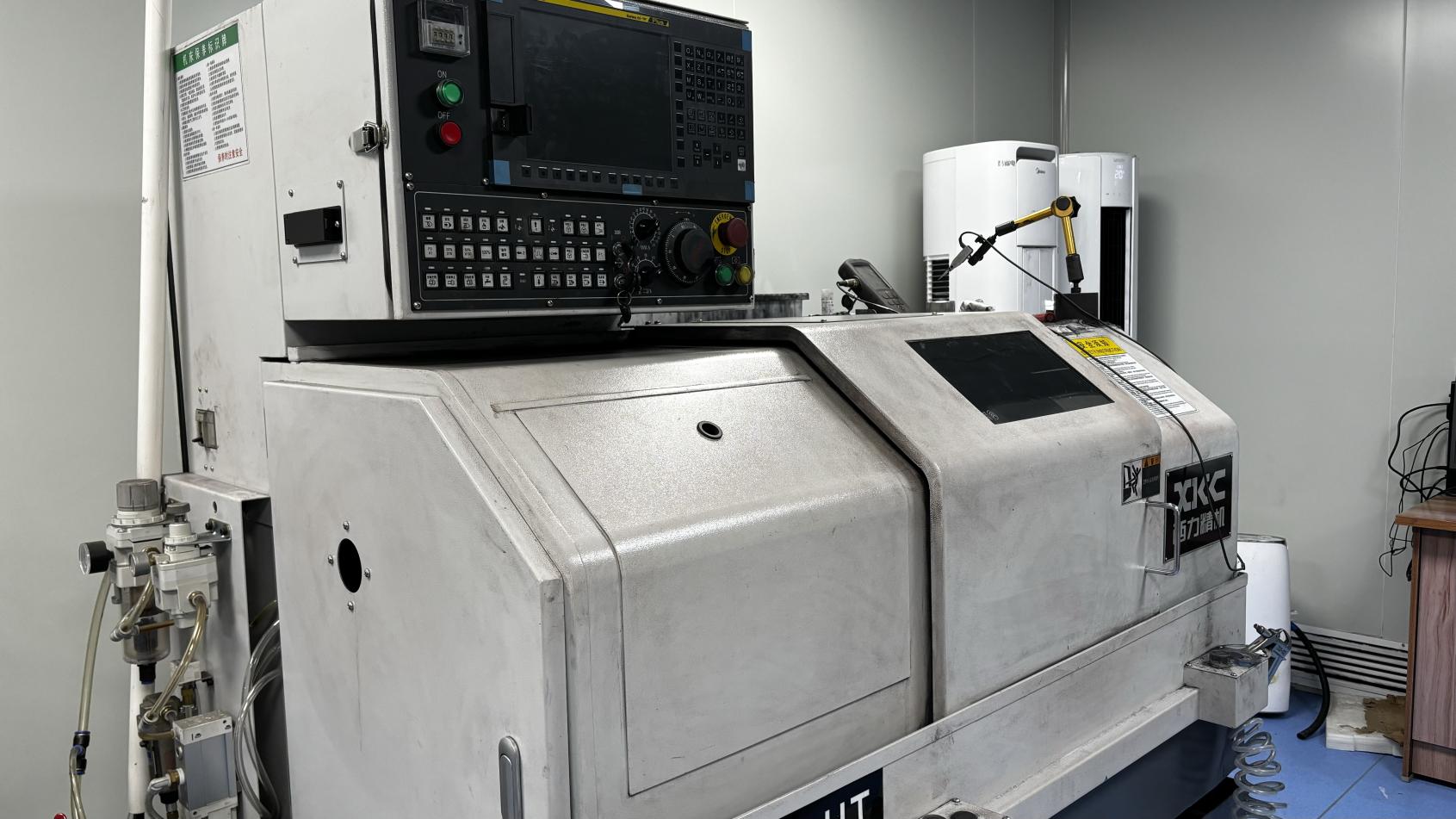
At Xelivor Optoelectronics Co., Ltd., our production capabilities reflect the forefront of high-precision optical transceiver manufacturing. Operating a modern facility designed specifically for micro-assembly and optical coupling, we bridge the gap between design flexibility and large-scale manufacturing output.
Our infrastructure leverages over 850 verified supply chain partners, ensuring that sourcing bottlenecks are eliminated and raw materials—such as high-grade laser diodes, TOSA/ROSA components, and advanced PCB micro-controllers—remain steadily available. This allows us to guarantee rapid lead times even when global markets experience semiconductor tightness.
Our quality control protocols incorporate strict automated testing routines, including high-temperature aging chambers, bit error rate (BER) testers, eye diagram analyzers, and real-time switch configuration verification. By employing 32 full-time QA inspectors, we achieve field-failure rates of less than 0.01%, offering Sydney integrators the reliability they need to back their SLA guarantees.
Explore how engineering teams, municipal services, and ICT departments implement our 1.25G SFP transceivers to resolve specific architectural demands throughout Sydney and regional NSW.
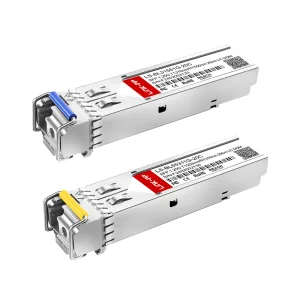
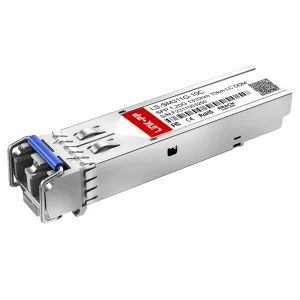
Transport for NSW relies on heavy-duty camera links spanning motorways like the M4, M5, and M8. Our BiDi Single Mode 20km and 40km SFP modules allow for bi-directional video feeds over a single strand of fiber, saving 50% on fiber cabling installation and lease costs.
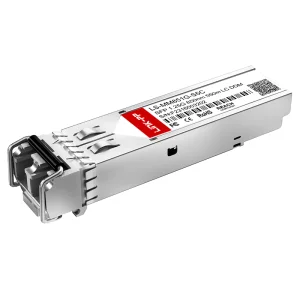
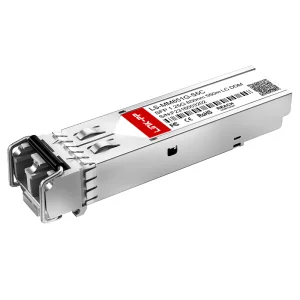
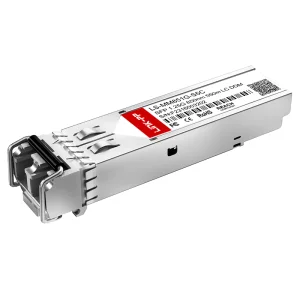
For massive commercial parks housing multinational tech companies, multi-mode duplex fiber (using 850nm 550m SFPs) delivers cost-effective, high-throughput backend links between floor switches and server closets without requiring expensive single-mode fiber installations.
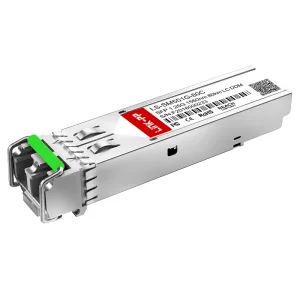
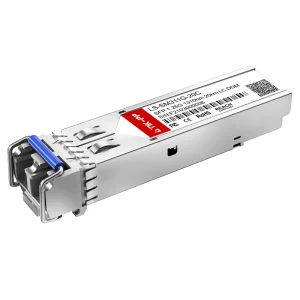
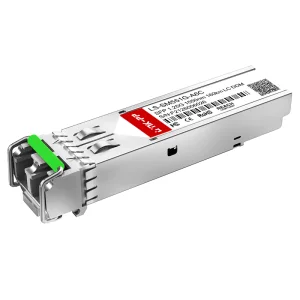
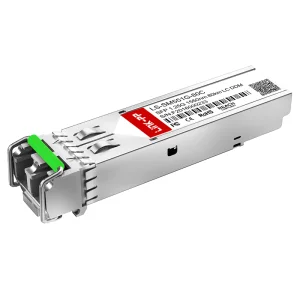
Utilities tracking infrastructure data across remote pumping stations require long-haul 80km to 120km 1.25G SFP transceivers. Operating on the 1550nm band, these modules navigate extreme signal loss margins without needing expensive inline optical regenerators.
Our factory manufactures a comprehensive range of transceivers, matching custom distance, wavelength, and DOM capabilities required by network operators in Sydney.
Xelivor Optoelectronics Co., Ltd. is a professional manufacturer of optical transceivers and fiber connectivity solutions, dedicated to serving global data center, telecom, enterprise network, and cloud computing industries. Established in 2016, the company operates from a modern manufacturing facility covering 386 m² and has built a strong reputation for delivering reliable, high-performance optical communication products worldwide.
With over 8 years of industry experience and 6 years of export experience, Xelivor has achieved annual export revenues exceeding USD 12 million. Our products are exported to customers across North America, Europe, Southeast Asia, the Middle East, and South America, supporting a wide range of networking applications from enterprise infrastructure to hyperscale data centers.
Xelivor specializes in the design, development, and production of optical transceivers, including SFP, SFP+, SFP28, QSFP28, QSFP-DD, OSFP, DAC, and AOC solutions. Backed by a dedicated R&D team of 68 engineers, the company continuously invests in innovation and launched more than 85 new products in the past year to meet the evolving demands of high-speed optical networks.
Quality is at the core of our operations. Our quality management system incorporates incoming material inspection, in-process quality control, aging tests, compatibility verification, optical parameter testing, and final product inspection. A professional quality assurance team of 32 inspectors ensures every product meets strict international standards before shipment.
Frequently asked technical questions by network engineers, purchasing directors, and distributors sourcing SFP hardware for projects in New South Wales.
Minimize network deployment overheads, eliminate system compatibility issues, and secure a resilient supply line directly from our ISO 9001 certified optical transceiver plant.