Xelivor
Xelivor
Xelivor
Optimized optical transceiver units specifically calibrated for the high thermal environments of Qatari network systems and Lusail Smart City integration projects.
As the economic core of Qatar, Doha is experiencing an unprecedented digital transformation fueled by the Qatar National Vision 2030. From the hyperscale networks powering the West Bay Financial District to the smart-grid systems of Lusail City, the requirement for high-density, reliable fiber optic backbones has grown exponentially. Optical networks serve as the nervous system for municipal surveillance, high-speed FTTH, and petrochemical command centers.
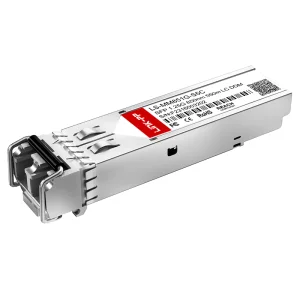
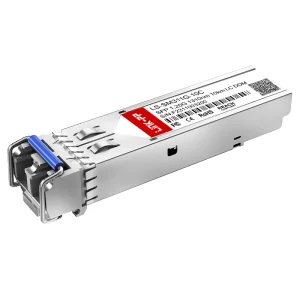
Within this localized infrastructure, 1.25G SFP (Small Form-factor Pluggable) modules remain the critical standard for Gigabit Ethernet networks. They offer a highly stable balance of bandwidth, thermal dissipation efficiency, and deployment cost. Local projects managed by the Public Works Authority (Ashghal) and major telecom providers like Ooredoo and Vodafone Qatar demand physical layer interfaces that strictly adhere to international multi-source agreements (MSA) and can survive local environmental demands.
The Doha Environmental Challenge: Ambient summer temperatures in Doha routinely exceed 45°C. Inside outdoor telecom enclosures, temperatures can easily surge past 75°C. This makes commercial-grade SFP transceivers vulnerable to thermal runaway, causing link errors or premature laser failure. As a leading manufacturer, Xelivor addresses this by supplying industrial-grade SFP modules equipped with Digital Optical Monitoring (DOM) and extended operating ranges (-40°C to 85°C).
Procuring raw fiber components within Qatar often involves multi-tier distribution channels, leading to inflated prices, limited customization options, and delayed lead times. By building a direct partnership with Xelivor Optoelectronics—a specialized Chinese optical component factory—system integrators and contractors in Doha unlock significant strategic advantages:
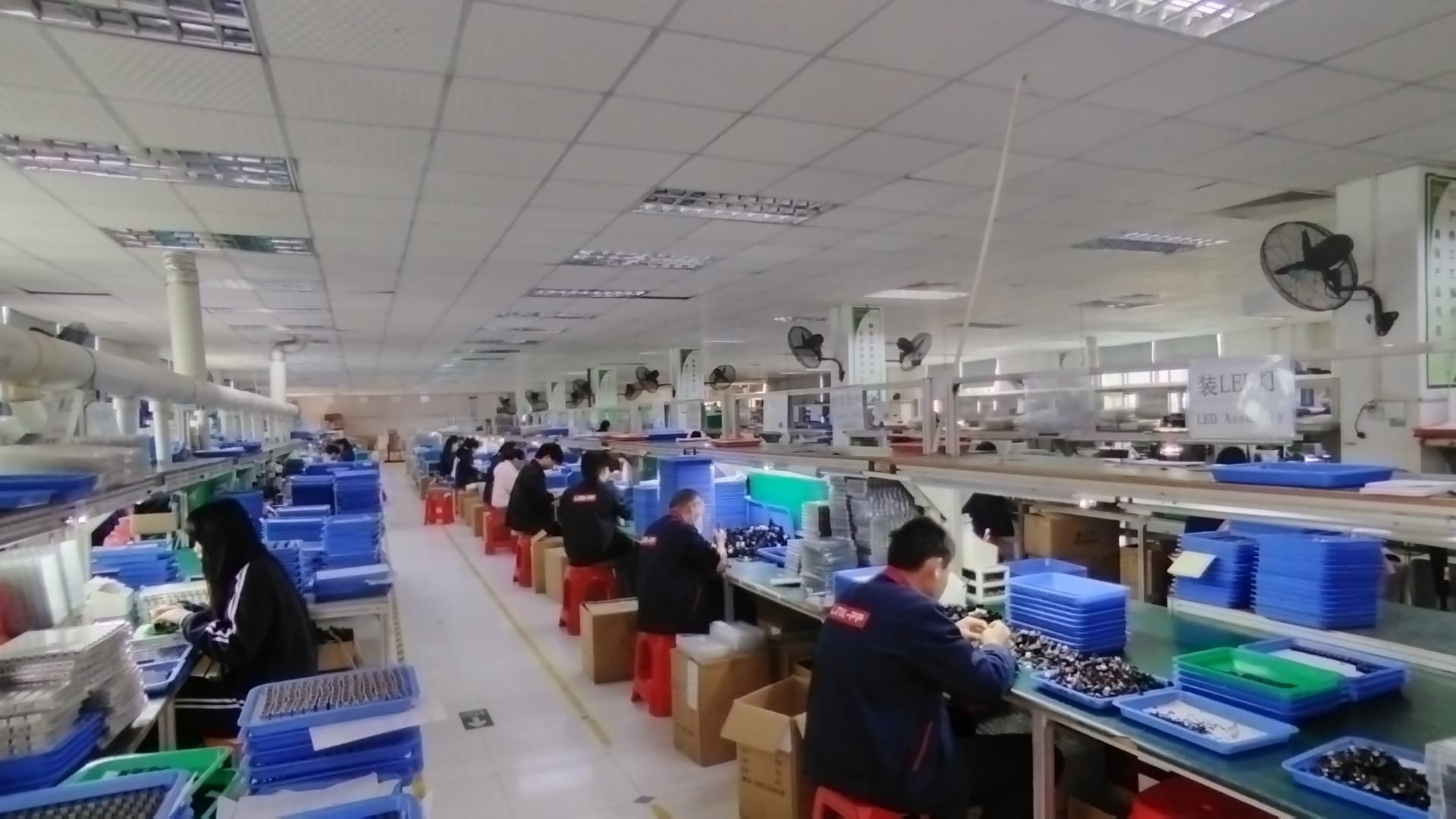
Xelivor Optoelectronics Co., Ltd. is a professional manufacturer of optical transceivers and fiber connectivity solutions, dedicated to serving global data center, telecom, enterprise network, and cloud computing industries. Established in 2016, the company operates from a modern manufacturing facility covering 386 m² and has built a strong reputation for delivering reliable, high-performance optical communication products worldwide.
With over 8 years of industry experience and 6 years of export experience, Xelivor has achieved annual export revenues exceeding USD 12 million. Our products are exported to customers across North America, Europe, Southeast Asia, the Middle East, and South America, supporting a wide range of networking applications from enterprise infrastructure to hyperscale data centers.
Xelivor specializes in the design, development, and production of optical transceivers, including SFP, SFP+, SFP28, QSFP28, QSFP-DD, OSFP, DAC, and AOC solutions. Backed by a dedicated R&D team of 68 engineers, the company continuously invests in innovation and launched more than 85 new products in the past year to meet the evolving demands of high-speed optical networks.
Manufacturing Experience
Annual Export Value
Expert R&D Engineers
Supply Chain Partners
Quality is at the core of our operations. Our quality management system incorporates incoming material inspection, in-process quality control, aging tests, compatibility verification, optical parameter testing, and final product inspection. A professional quality assurance team of 32 inspectors ensures every product meets strict international standards before shipment.
The company maintains long-term cooperation with more than 850 supply chain partners, enabling stable sourcing, efficient production, and rapid delivery capabilities. Our flexible manufacturing system supports OEM, ODM, private label, customized firmware, customized labeling, and packaging services to satisfy diverse customer requirements.
As a company with strong independent R&D capabilities, advanced testing equipment, and a customer-oriented approach, Xelivor serves distributors, system integrators, telecommunications operators, data center providers, network equipment vendors, and enterprise customers worldwide.
In areas like Lusail Smart City, thousands of edge devices, smart utility meters, and IP cameras are interconnected via fiber. Standardizing on 1.25G SFP transceivers allows cost-efficient scaling across wide areas with low maintenance requirements.
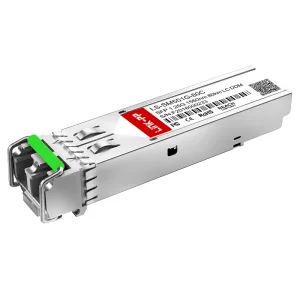
Doha's surrounding petrochemical facilities (Mesaieed, Ras Laffan) use distributed SCADA systems for pipeline and extraction monitoring. Xelivor's industrial temperature 1.25G SFPs deliver uninterrupted long-reach links up to 160km through extreme outdoor heat.
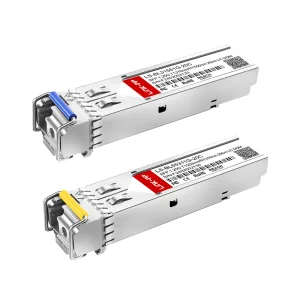
Supporting Ooredoo GPON/FTTH expansion, our 1G Bidi SFP transceivers allow double the data throughput over a single fiber strand, dramatically reducing fiber leasing and cabling costs inside Doha's urban core.
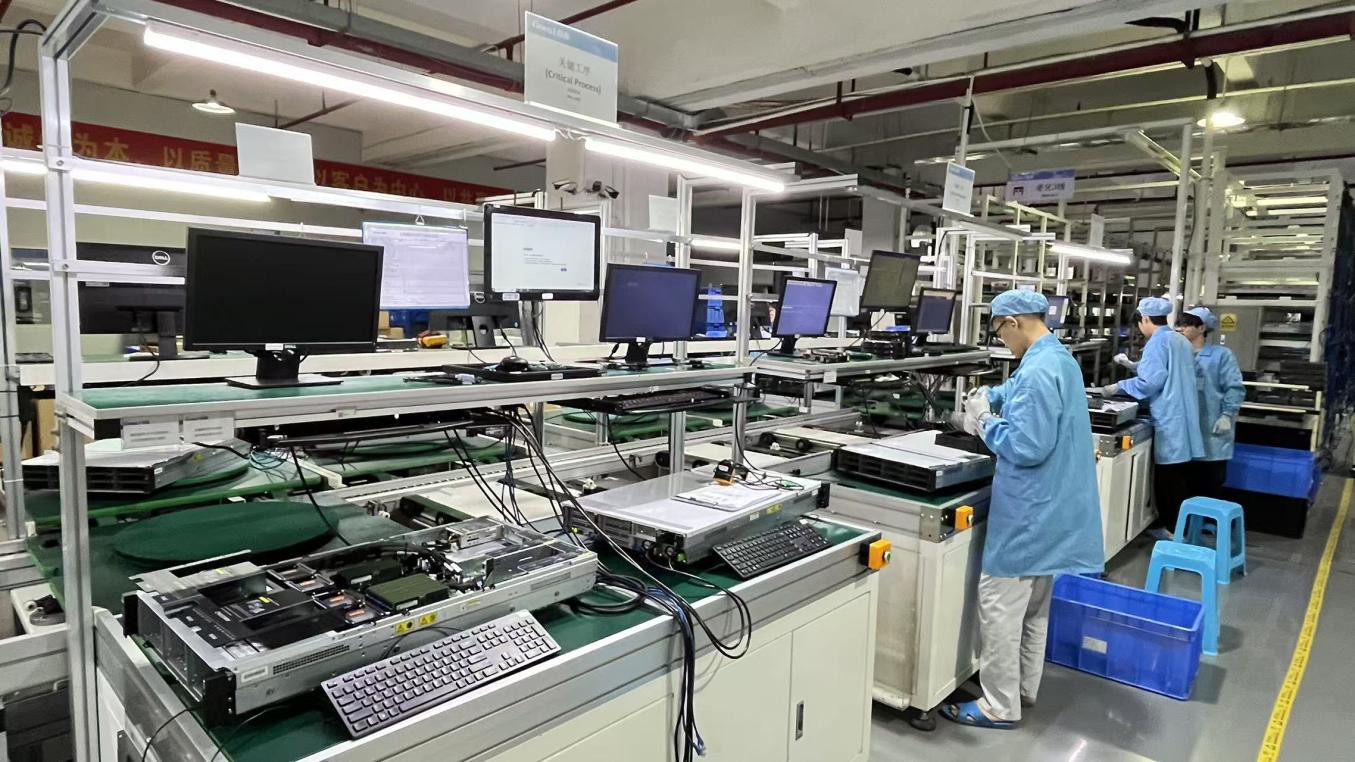
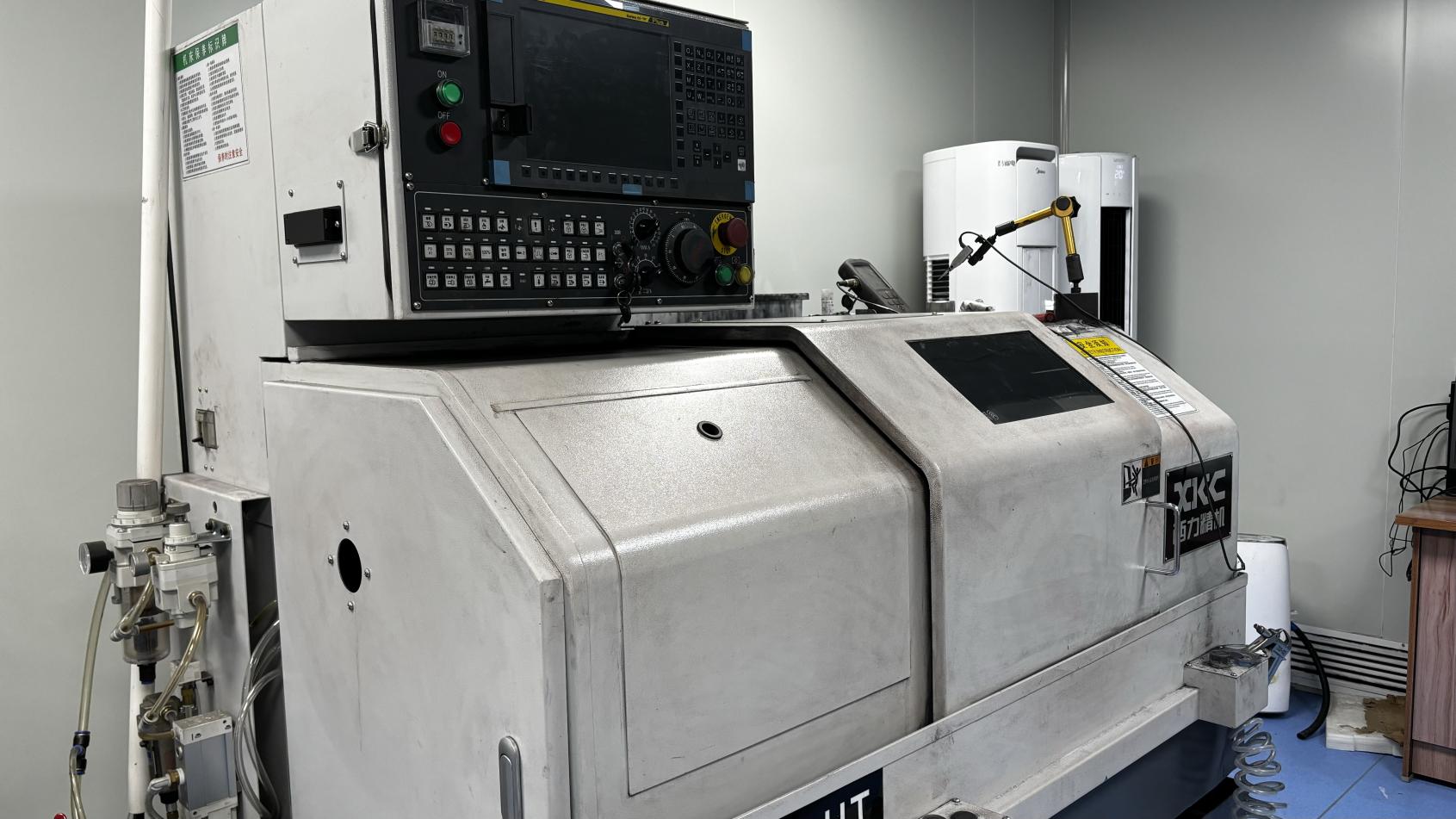
Precision manufacturing is essential to prevent optical loss and ensure stable transmit power. At Xelivor, cleanrooms feature state-of-the-art automated optical alignment machinery, real-time wave analysis equipment, and temperature cycling test chambers.

Selecting the right transceivers requires matching physical layer architectures with network topologies. Below are the design specifications Xelivor engineers integrate into our 1.25G optical transceiver lines:
Depending on target distances, Xelivor implements different laser components:
Every transceiver leaving the Xelivor factory floor is subjected to rigorous testing procedures:
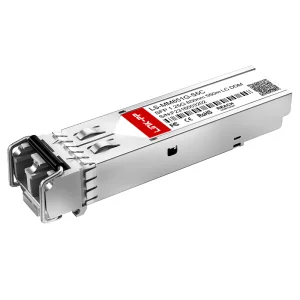
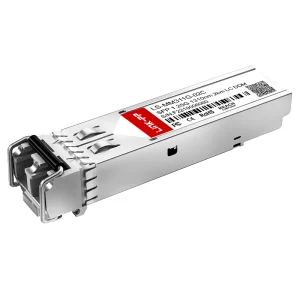
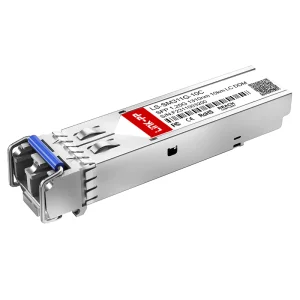
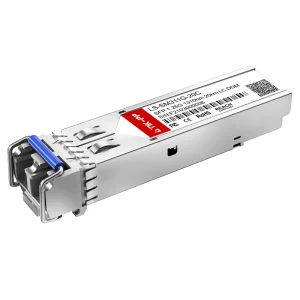
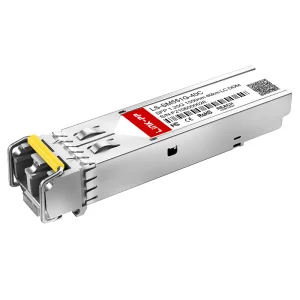
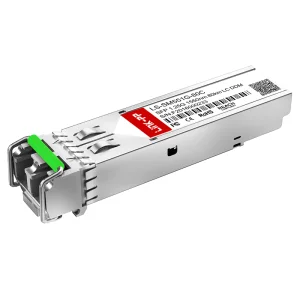
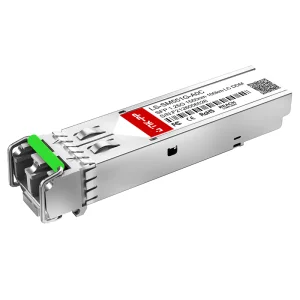
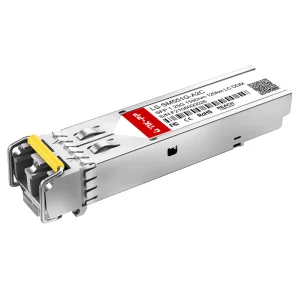
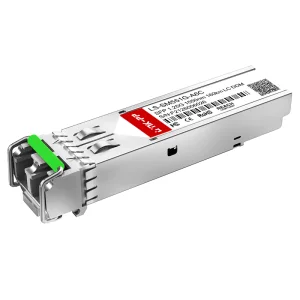
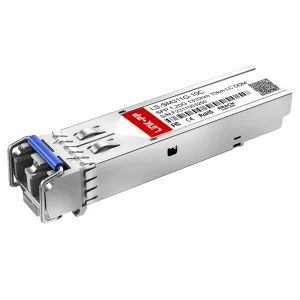
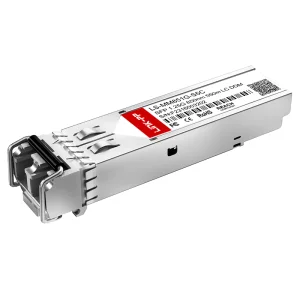
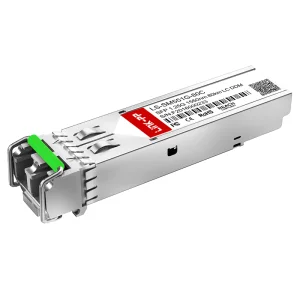
Explore our diverse selection of optical transceivers, carrying different distance tolerances and optical wavelengths suited for custom network links.