Xelivor
Xelivor
Xelivor
Premium 1.25G SFP transceivers engineered for optimal stability under tropical network environments, maintaining carrier-grade reliability.
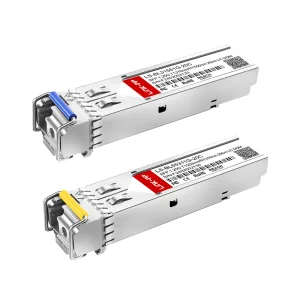
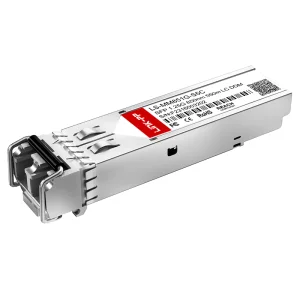
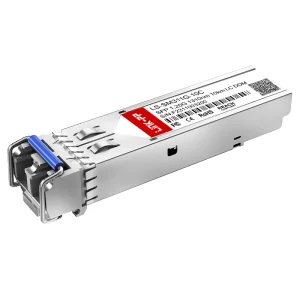
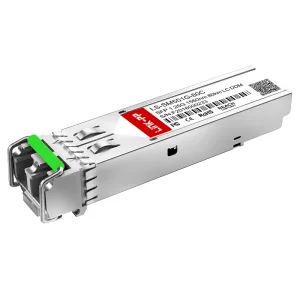
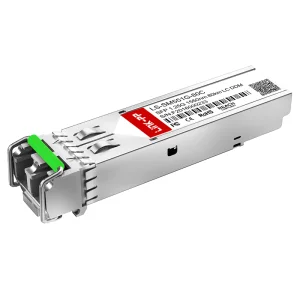
The telecommunications geography of the Philippines presents unique operational challenges. Consisting of over 7,000 islands, building a resilient network topology requires a blend of undersea cables, terrestrial optical fibers, and robust local access distribution. Under the push of the "National Broadband Plan" and massive private telco capital expenditures from operators like PLDT, Globe Telecom, Converge ICT, and Dito Telecommunity, the demand for highly reliable, cost-efficient 1.25G SFP optical modules has escalated to unprecedented heights.
While the industry discusses 100G and 800G optical lines for core datacenters, the backbone of enterprise networks, regional optical distribution networks (ODN), industrial IP video surveillance, and Last-Mile fiber-to-the-home (FTTH) architectures across Luzon, Visayas, and Mindanao remains heavily reliant on 1.25G SFP transceivers. These components balance cost, power consumption, and optical budgets perfectly, enabling high-density edge switches to operate without thermal bottlenecks.
Unlike Western deployments, optical network terminals in the Philippines are often housed in outdoor cabinets exposed to extreme relative humidity (exceeding 85% year-round) and high ambient temperatures. Thermal buildup inside pole-mounted cabinets can push internal SFP module temperatures to +85°C. Xelivor’s specialized SFP modules for the Philippine market feature Industrial Grade hardware components and strict testing cycles, guaranteeing flawless laser performance from -40°C to +85°C, preventing link degradation and CRC errors.
Ensuring cross-vendor compatibility is the most critical hurdle for network engineers and system integrators in Manila, Cebu, and Davao. Our 1.25G SFP transceivers strictly adhere to the SFF-8472 Multi-Source Agreement (MSA) standards. This guarantees hardware compatibility with switches, routers, and media converters from Cisco, Huawei, Juniper, HP, Edge-Core, H3C, and MikroTik.
Furthermore, Xelivor integrates Digital Diagnostic Monitoring (DDM), also known as Digital Optical Monitoring (DOM), across our entire catalog. This allows network administrators in Philippine network operation centers (NOCs) to monitor real-time SFP parameters such as optical output power, input optical power, laser bias current, temperature, and transceiver supply voltage. This capability transforms reactive maintenance into proactive link optimization, saving valuable field technician dispatch costs across isolated provinces.
Targeted optical transceiver solutions addressing key growth sectors across the Philippines.
Deploying robust 10km and 20km Duplex Single Mode SFPs to link decentralized smart factories, logistics hubs, and assembly lines in Laguna and Cavite PEZA economic zones back to the central server clusters with zero packet loss.
Delivering high-density, low-latency multimode (850nm) and single-mode (1310nm) SFP transceivers optimized for high-bandwidth VoIP, virtual desktop interfaces (VDI), and cloud access platforms within BPO towers in BGC, Makati, and Cebu IT Park.
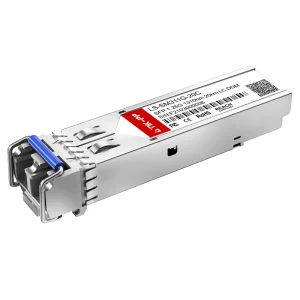
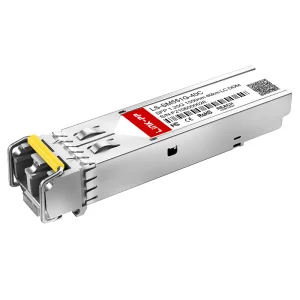
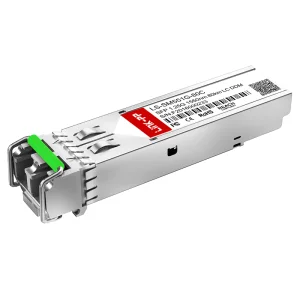
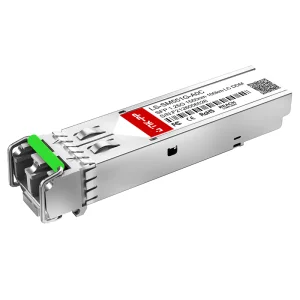
Leveraging 80km (ZX), 100km (EZX), and ultra-long 120km/160km DOM optical modules to bridge fiber switches over regional networks, ensuring reliable backhaul capabilities across complex inter-island topologies without active repeaters.
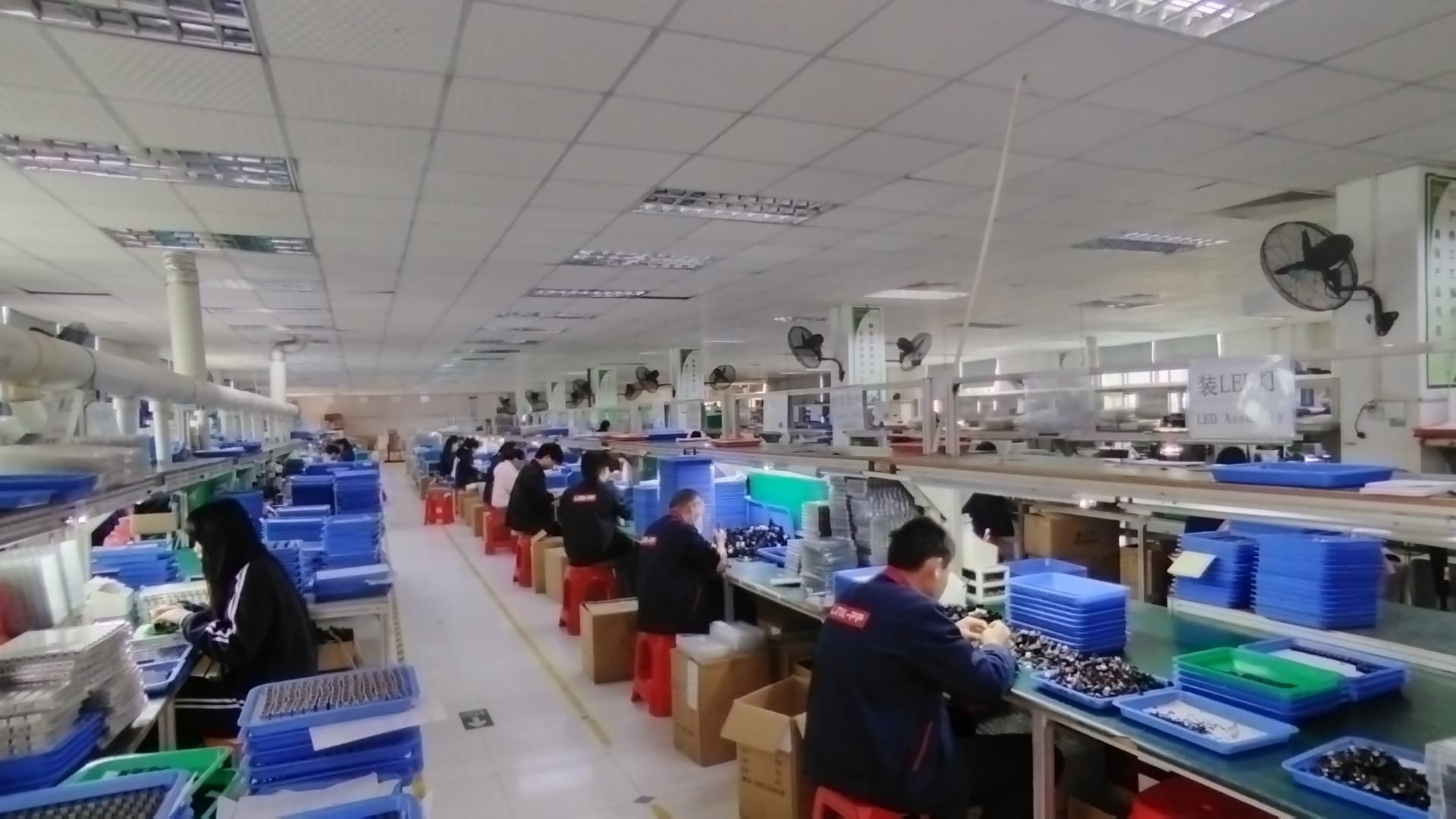
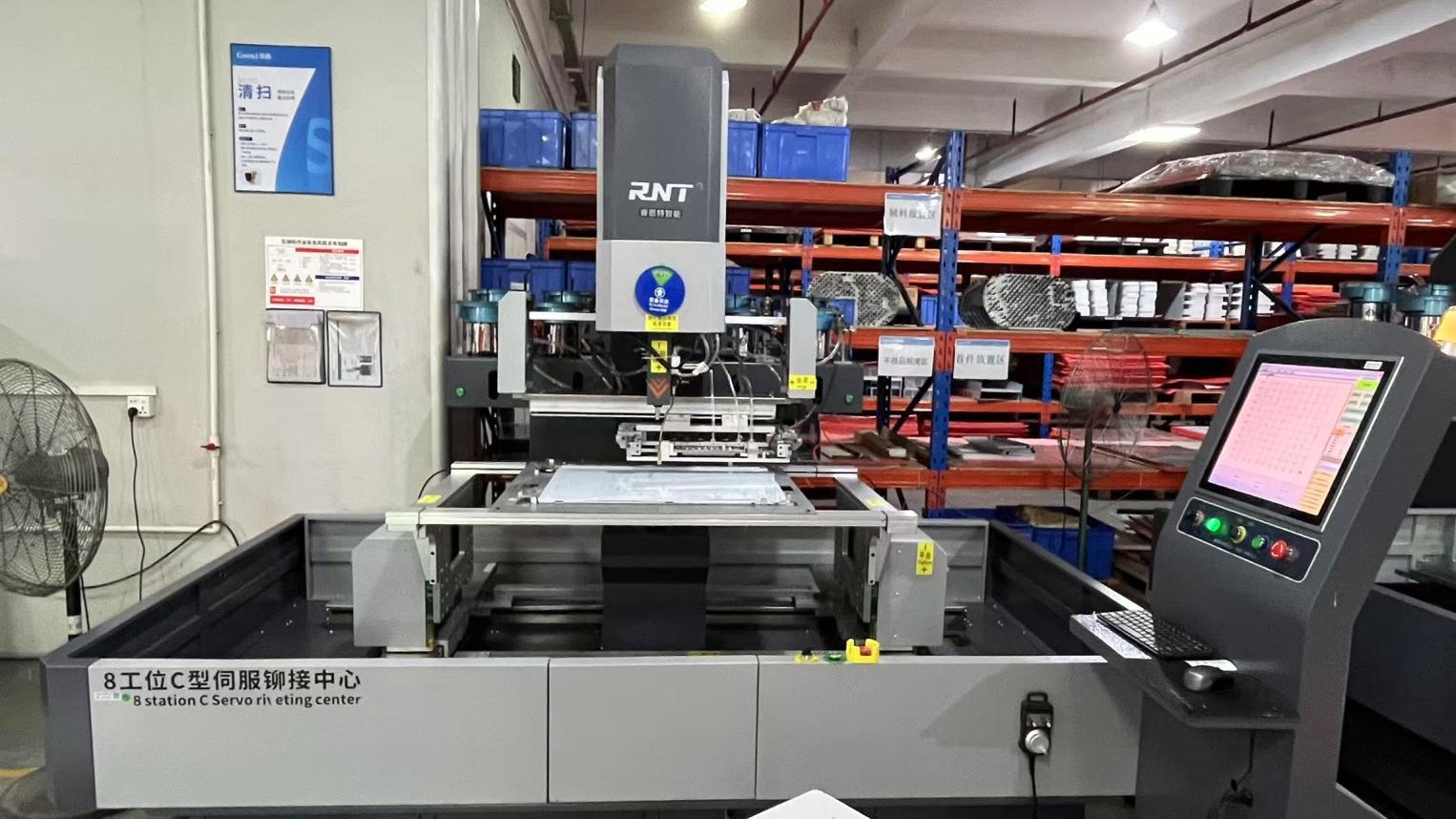
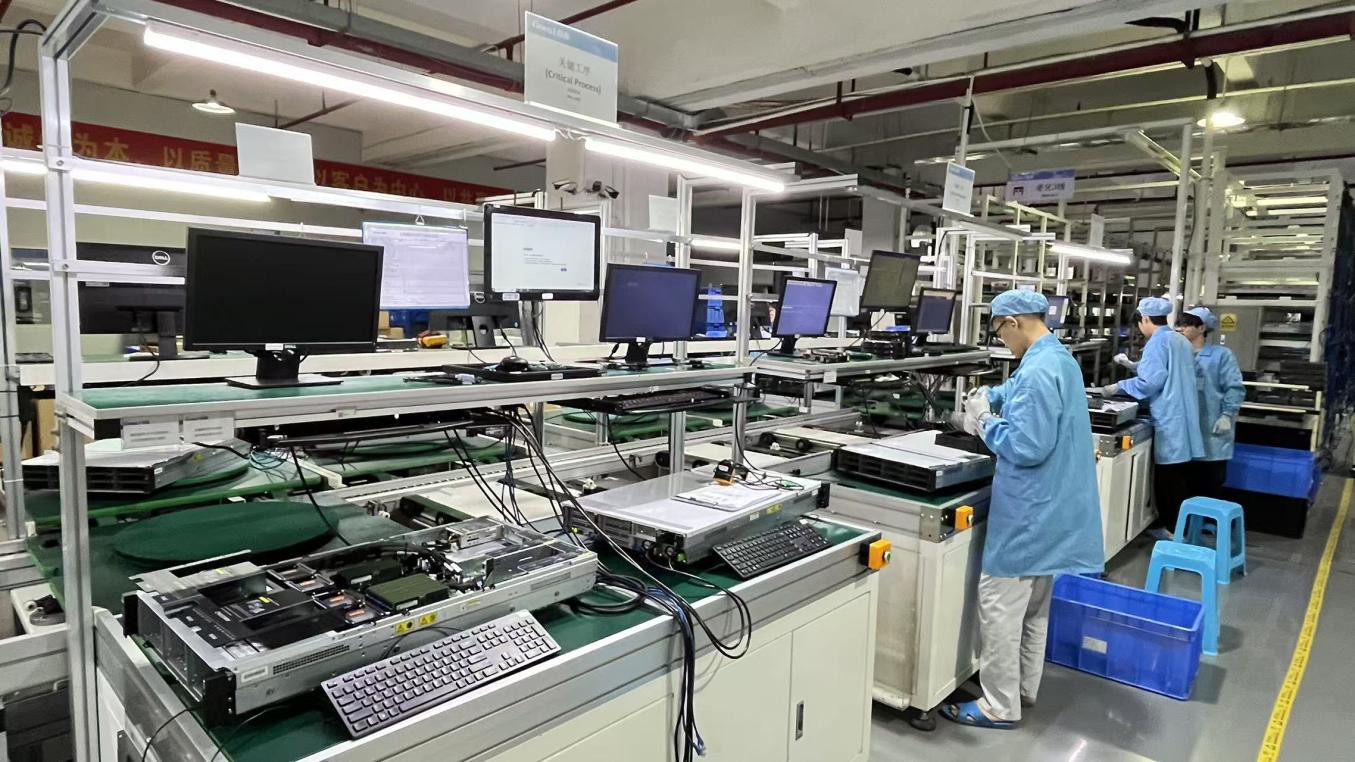
Xelivor Optoelectronics Co., Ltd. is a leading manufacturer of high-performance optical transceivers and fiber connectivity solutions. Established in 2016, our advanced 386 m² testing and customization facility is outfitted with the latest state-of-the-art diagnostic equipment. Backed by an in-house R&D team consisting of 68 engineers, we successfully designed, tested, and commercialized over 85 new optical communication products this past year alone.
Our commitment to rigorous quality control is demonstrated through a dedicated department of 32 QA inspectors who ensure every 1.25G SFP module meets strict global performance specifications. With solid relationships across 850 supply chain partners, we guarantee reliable access to premium raw materials. This operational framework allows us to generate over USD 12 million in annual export revenues, facilitating seamless delivery schedules to telecom operators and system integrators worldwide, with a strong focus on the Philippine market.
Whether you require standard OEM branding, custom firmware optimization to prevent switch lockout, or tailored labeling and packaging designs, our production system adapts to small batches and mass rollouts alike.
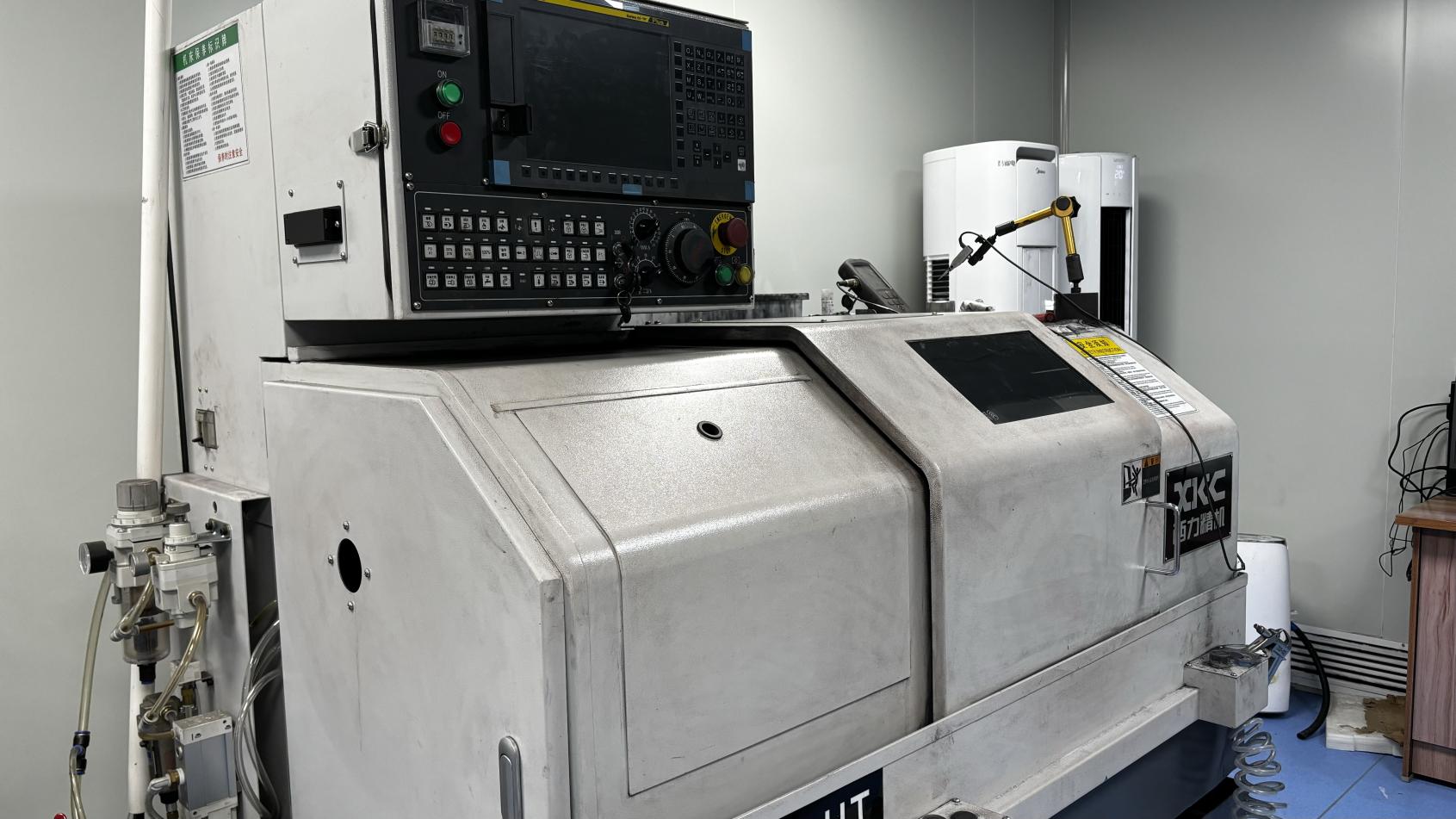
Understanding the transition to higher data rates while maintaining backward legacy support.
As the Philippine network ecosystem prepares for wider 5G rollouts and edge computing integration, optical networks are undergoing a significant evolution. While 10G SFP+ and 25G SFP28 links are increasingly adopted for wireless base stations and aggregation centers, the 1.25G SFP remains an indispensable legacy standard. Most GPON and EPON backhaul systems, legacy DSLAM equipment, and industrial controller networks in manufacturing hubs continue to rely on the dependability of the 1G SFP port.
Xelivor’s forward-looking roadmap focuses on hybrid design improvements. Our modern 1.25G SFP transceivers are equipped with advanced chipsets that support dual-rate configurations (100M/1000M/1.25G auto-negotiation) to allow older access technologies to communicate smoothly with contemporary switches. By choosing modules that are built to withstand high levels of thermal strain and voltage fluctuations common in regional grids, buyers in the Philippines can ensure their investments remain viable through multiple generation cycles.
Detailed technical answers addressing compatibility, import logistics, and environmental challenges.
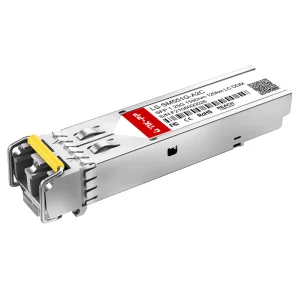
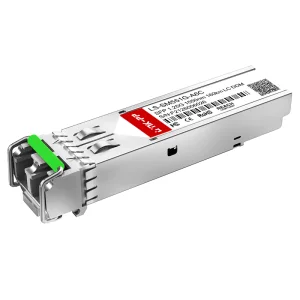
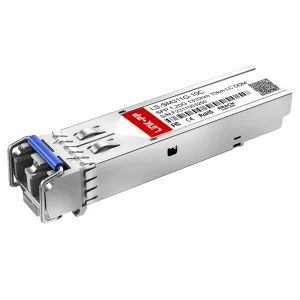
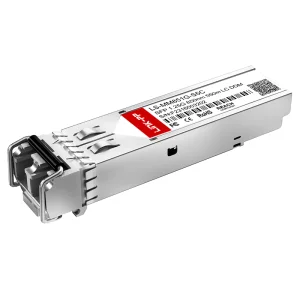
Explore our full range of single-mode, multi-mode, copper, and ultra-long-haul transceivers configured for regional network operators.
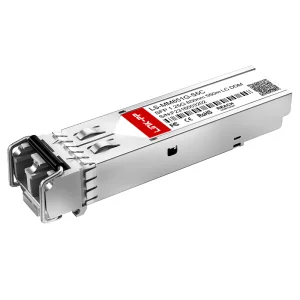
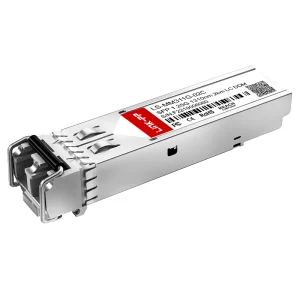
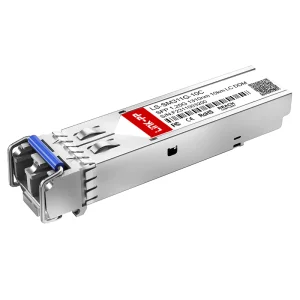
Request custom compatibility coding, tailored labeling, and direct-to-destination freight rates for PEZA zones or local telecom depots. Speak directly with an optical engineer.
Send Inquiry Now