Xelivor
Xelivor
Xelivor
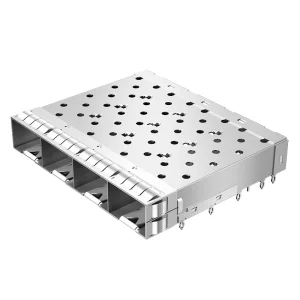
As Finland accelerates its digital infrastructure development—driven by expansion in Helsinki, Espoo, and Oulu—the requirement for space-saving, thermally stable, and EMI-resilient physical layer hardware has become critical. 1xN (Ganged) Port structures provide the essential architectural scaffolding needed to support high-density SFP, SFP+, and QSFP form factors in modern networking platforms.
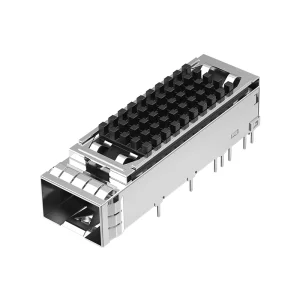
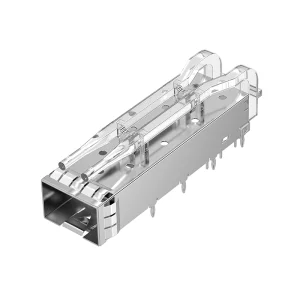
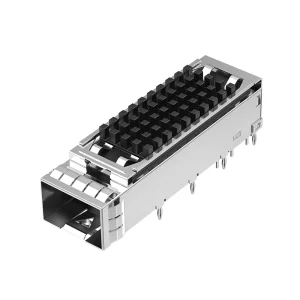
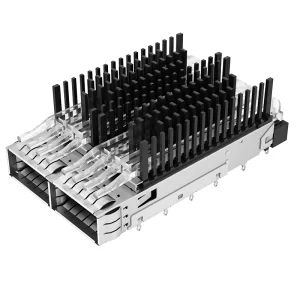
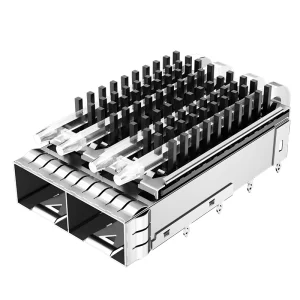
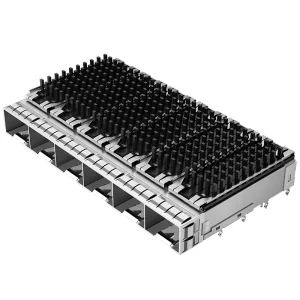
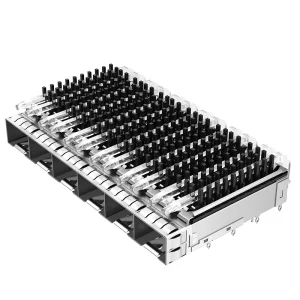
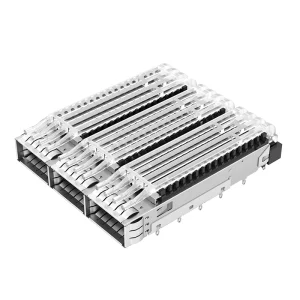
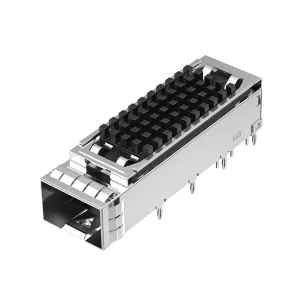
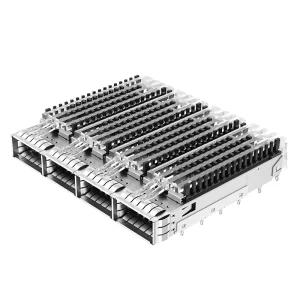
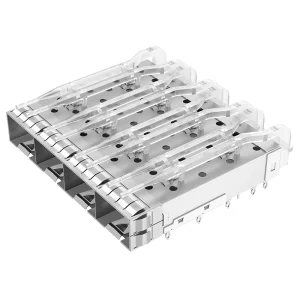
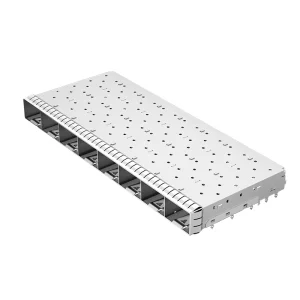
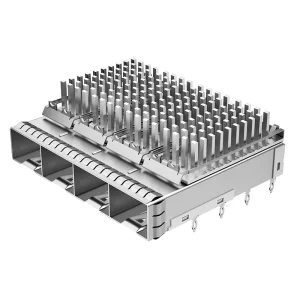
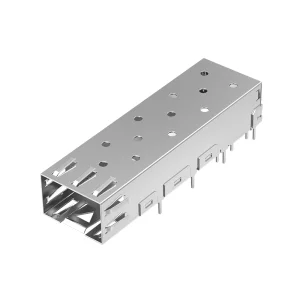
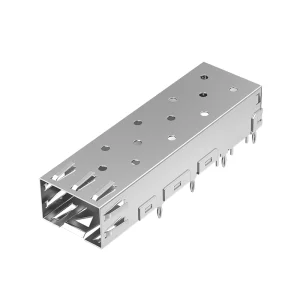
Below are four featured mechanical and EMI shielding cage units engineered to deliver high reliability under sustained thermal loads, specifically tailored for the demanding Northern European industrial and telecom landscape.
Analysis of the Nordic Datacenter and Telecom Infrastructure Landscape
Finland has emerged as a global hub for hyperscale and colocation datacenters. Tech giants and local operators leverage the region's cold climate and carbon-neutral energy grids. A defining characteristic of Finnish installations is the integration of datacenter waste heat into municipal district heating systems (e.g., in Espoo and Kirkkonummi). This requires infrastructure to run at optimal thermodynamic states.
For network switches and routers, this operational philosophy places strict limits on component operating temperatures. 1xN (Ganged) cages housing active SFP+ or QSFP transceivers must utilize highly engineered thermal transfer accessories, such as pin-fin or ride-on heatsinks, to dissipate localized heat without over-relying on power-hungry forced-air cooling. Our SFP cage assemblies feature advanced alloy options and specialized thermal interface materials to optimize heat transfer pathways, aiding compliance with Nordic sustainability directives.
Subsea projects such as the C-Lion1 submarine cable, linking Helsinki directly to Rostock, Germany, demand massive throughput at terrestrial landing stations and backbone routing facilities. Here, PCB edge space is at a premium. Transitioning from individual single-port SFP cages to 1x4, 1x6, or 1x8 ganged configurations allows system designers to multiply port count per line card by up to 800% within the same panel width.
However, clustering multiple high-speed optical modules closely increases the risk of Electromagnetic Interference (EMI) and signal crosstalk. In high-speed 10G SFP+ and 25G SFP28 systems, structural EMI integrity is crucial. The integration of elastomeric gaskets, metal spring fingers, and multi-point grounding pins on our replacement cages ensures that even in 1x8 ganged setups, emissions remain well below CISPR 22 / EN 55022 Class B thresholds.
The shift toward high-integrity press-fit connection, EMI containment, and MSA compliance
Modern telecommunication switch architectures have largely migrated from traditional Through-Hole Technology (THT) wave soldering to compliant press-fit pins. Press-fit technology prevents thermal stress on multilayer PCBs during manufacturing and allows for easier field rework. It ensures a gas-tight interface that prevents oxidation in high-humidity or coastal maritime environments, such as Finland's Gulf of Bothnia ports.
At high data rates, high-frequency harmonics escape through any structural gap in the cage assembly. Ganged 1xN ports require localized shielding between adjacent ports inside the cage housing. Utilizing beryllium copper (BeCu) or stainless steel EMI fingers on the cage front flange, along with internal shielding walls, ensures port-to-port isolation, preserving signal integrity for adjacent channels.
Visual status monitoring is essential for remote system administration in automated facilities. 1xN ganged cages must integrate optical light pipes that route LED signals from the host PCB to the front panel. Using optical-grade polycarbonate, these light pipes are designed to route light around heat sinks while preventing EMI leakage through the display ports.
To ensure global interoperability, our cages comply with Multi-Source Agreements (MSA) and the Small Form Factor Committee standards, including SFF-8431, SFF-8432, and SFF-8472. This guarantees that replacement parts—whether substituting TE Connectivity, Amphenol, or Molex components—fit perfectly on existing footprints, matching mechanical alignments and board thickness specifications.
| Ganged Port Configuration | Typical Footprint Standard | EMI Shielding Method | Recommended Airflow | Key Local Applications in Finland |
|---|---|---|---|---|
| 1x2 Ports (SFP/SFP+) | SFF-8432 MSA Compliant | Metal Spring Fingers / PCB Pins | > 1.5 m/s (Recommended) | Edge Routers & Oulu Smart-Factory IoT Gateways |
| 1x4 Ports (SFP/SFP+) | SFF-8432 / High-Density | Elastomeric Gasket / Grounding Tabs | > 2.0 m/s with Heatsink | Helsinki Colocation Datacenter Top-of-Rack Switches |
| 1x6 Ports (SFP/SFP+) | SFF-8432 High-Density | Beryllium Copper EMI Gaskets | > 2.5 m/s with Fin Heatsink | Telecom Access Nodes & Metropolia Core Switching |
| 1x8 Ports (SFP/SFP+) | SFF-8432 Custom Density | 360-Degree Contact Gaskets & Internal Walls | > 3.0 m/s / Forced Convection | Hyperscale Cloud Backbones & Subsea Landing Gear |
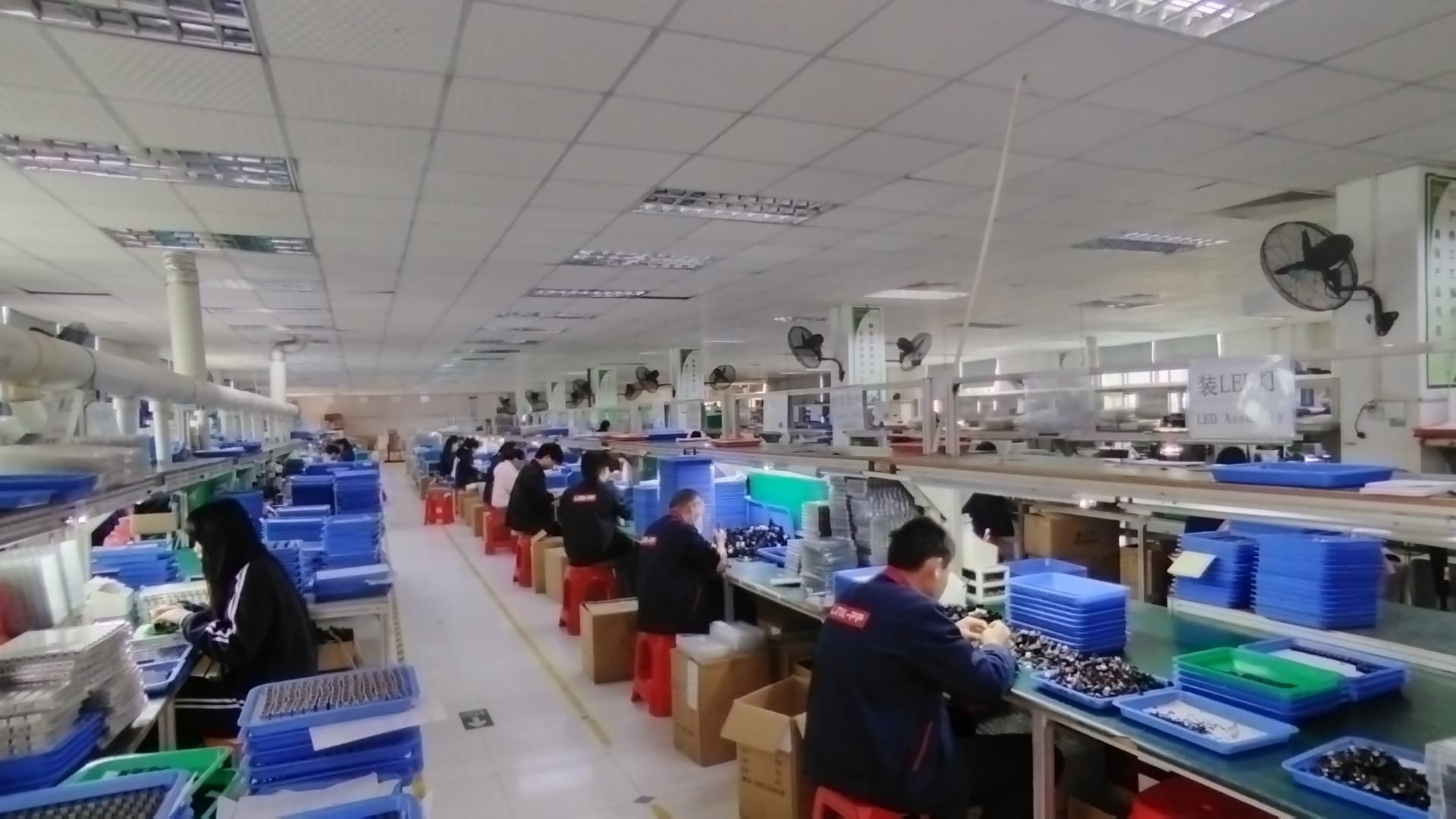
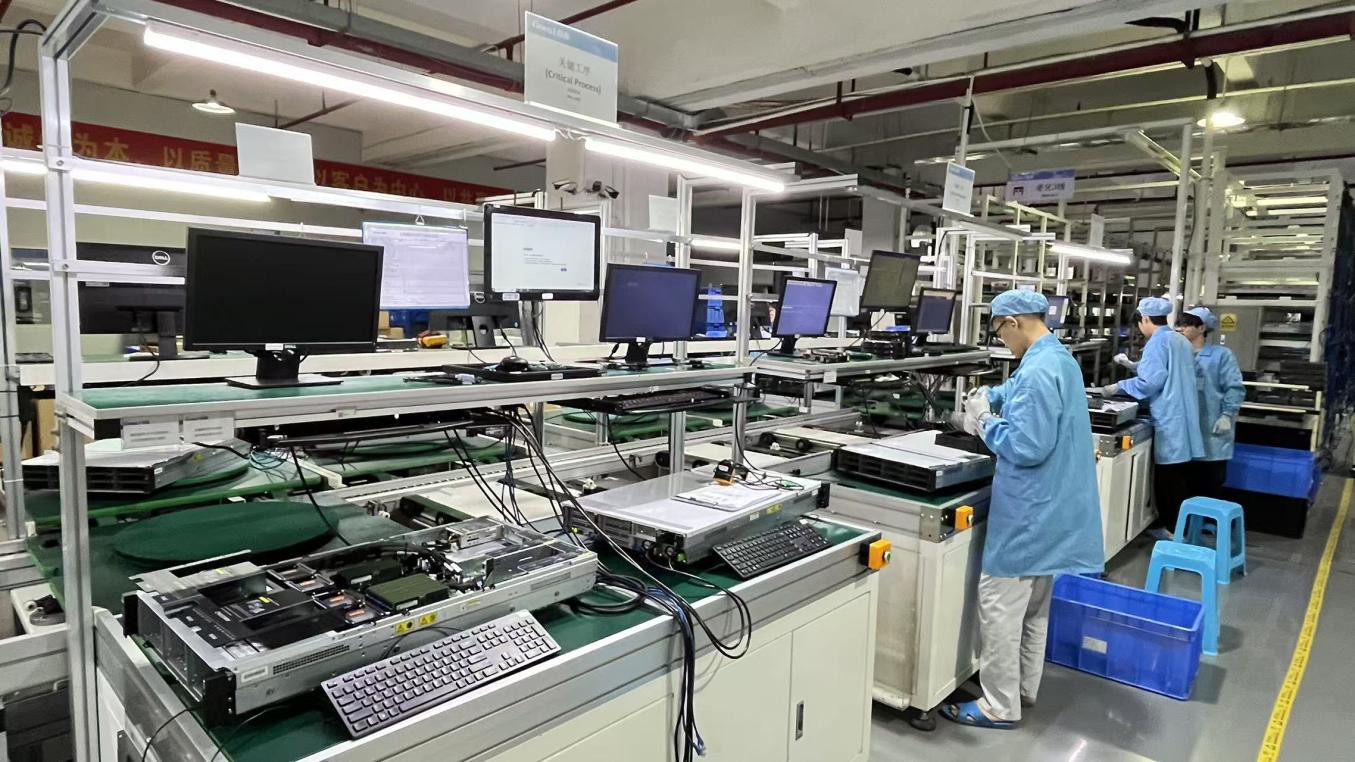
Xelivor Optoelectronics Co., Ltd. is a professional manufacturer of optical transceivers and high-density fiber connectivity solutions, dedicated to serving global data centers, telecom operators, enterprise networks, and cloud computing providers. Founded in 2016, our engineering teams build physical layer components designed to meet strict electrical and mechanical standards.
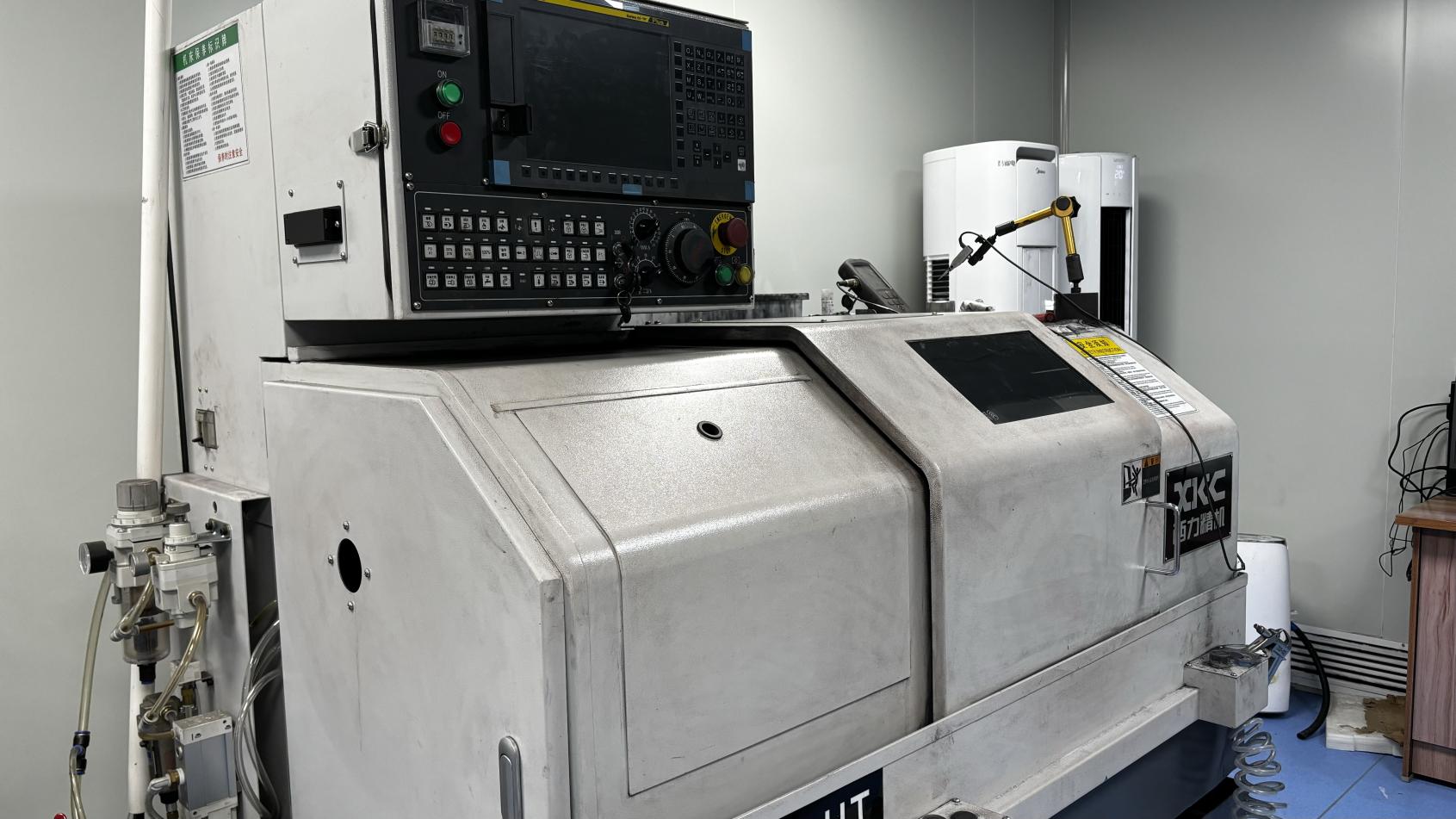
Our quality management system spans incoming material inspection (IQC), in-process quality control (IPQC), thermal aging tests, mechanical tolerance validation, and comprehensive optical parameter verification. This ensures each 1xN ganged SFP cage provides reliable shielding, low contact resistance, and mechanical durability over 100+ mating cycles.

How local telecom and industrial firms deploy 1xN ganged configurations
In remote wind installations across Northern Ostrobothnia, fiber-to-the-antenna (FTTA) and optical terminal units must withstand vibration and extreme cold. 1x2 and 1x4 SFP cages with press-fit pins prevent joint fatigue caused by thermal cycling down to -40°C.
Transport networks require low-latency video monitoring and signaling systems. Using EMI-shielded 1x6 and 1x8 ganged SFP+ cages on backbone switches prevents signal loss caused by high-power electromagnetic interference from rolling stock.
Embedded hardware boards deployed on heavy harvesting machinery use ganged cages to combine high-speed camera streams and lidar tracking. Stainless-steel spring fingers provide vibration resistance on rough terrain.
Select the mechanical footprint that matches your PCB routing and EMI/thermal requirements.
Answers to engineering and mechanical questions regarding 1xN physical interface systems
The primary benefit is PCB footprint density and structural integration. By combining multiple ports into a single, unified metal cage housing, the required spacing between adjacent ports is minimized. This allows system engineers to maximize the number of transceiver connections along the edge of the line card. Additionally, ganged configurations feature unified EMI grounding structures, reducing the number of individual grounding points required on the PCB bezel interface.
Press-fit (compliant pin) cages offer superior high-frequency grounding consistency because they form cold, gas-tight mechanical connections inside the plated through-holes of the PCB. This contact has uniform impedance and reduces parasitic inductance compared to wave-soldered pins, where solder thickness and coverage can vary. For 10Gbps SFP+ and higher frequencies, press-fit technology is preferred to maintain a continuous, low-impedance path to the system ground plane.
While external ambient air in Finland is cool, modern closed-cabinet switch gears and dense servers operate at high temperatures. In systems utilizing waste heat extraction, the cooling air input temperature can be higher than in standard datacenters. Using 1xN ganged ports with integrated, customized riding heatsinks (with pin-fin configurations) ensures that active transceivers do not cross their maximum rated operating temperatures (typically 70°C for commercial, 85°C for industrial grade), preventing link degradation and fiber link dropout.
Light pipes require openings in the top or rear of the metal cage to capture light from surface-mount LEDs on the PCB. If not designed correctly, these openings can act as slot antennas, allowing high-frequency EMI leakage. Our cages use optimized geometries and integrated metal hoods over the light pipe entry points to route optical signals while keeping RF energy contained inside the shielded cage volume.
Our engineering team can customize heatsink profiles, EMI gasket materials, and pin lengths to match your PCB layouts. Contact us to receive specification drawings, 3D STEP files, or physical evaluation samples for your prototypes in Finland.
Send Inquiry Now