Xelivor
Xelivor
Xelivor
High-density SFP/SFP+ copper cage assemblies designed to meet rigorous thermal, grounding, and EMI mitigation demands in high-altitude environments.
How advanced physical layer infrastructure accelerates telecommunications development and industrial automation in the Mountain Kingdom.
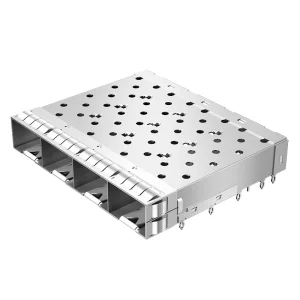
Lesotho's strategic focus on the National Broadband Policy and e-Government Infrastructure projects demands a robust physical optical transport layer. Transitioning municipal architectures in Maseru, Leribe, and Mafeteng to gigabit and multi-gigabit capabilities requires high-density switches and routers. This transition is highly reliant on ganged cage solutions to optimize port layout density while protecting delicate silicon switches from signal degradation.
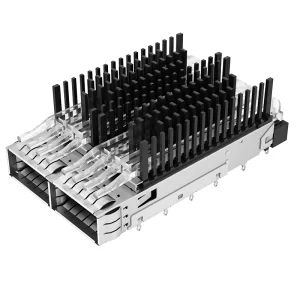
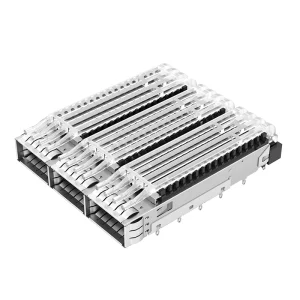
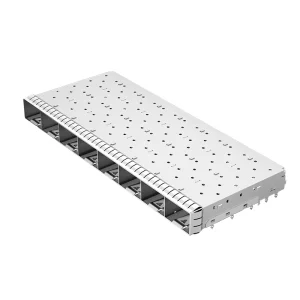
Deploying 1xN ganged ports allows local network operations to maximize faceplate density on localized optical terminals. By utilizing Xelivor's robust SFP cages, local providers prevent structural port collapse and electrical mismatches common in mountainous, fluctuating dry-climate environments.
Lesotho's premier mining sector, including the prominent Letšeng and Kao diamond mines, operates under extreme environmental stresses. Situated at elevations exceeding 3,000 meters above sea level, mining telecommunication relays face low atmospheric density. Standard cooling systems suffer from diminished convective heat dissipation in thin air, posing a significant risk of optical module failure.
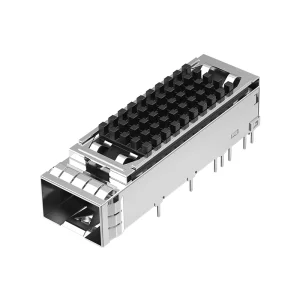
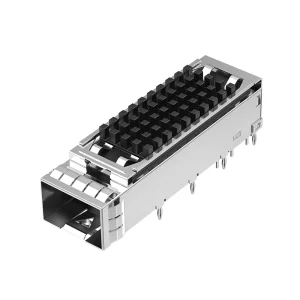
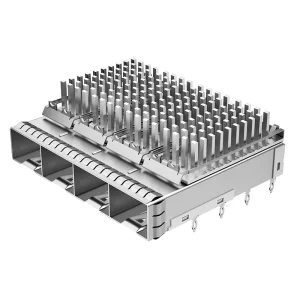
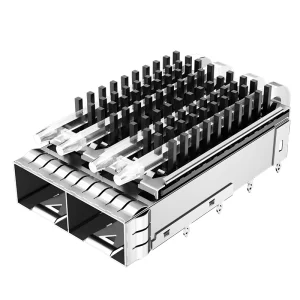
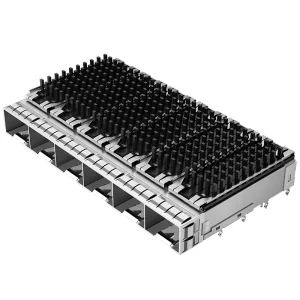
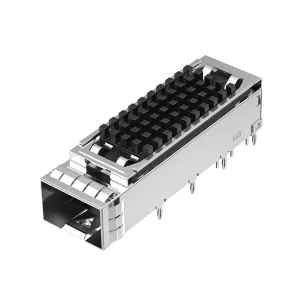
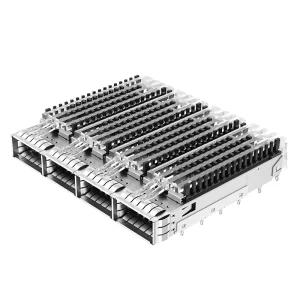
Xelivor's integrated thermal heat sink solutions paired with 1xN ganged ports are designed specifically to overcome these thermal challenges. By integrating custom-engineered copper heat sinks directly onto the metal cages, we ensure optimal heat dissipation paths, keeping internal transceivers within safe thermal envelopes.
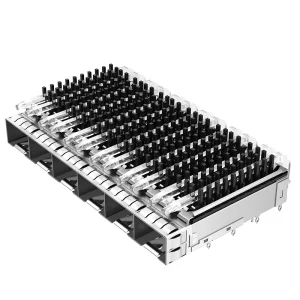
Lesotho relies on cross-border optical fibers traversing South Africa to reach international submarine landing stations (such as Mtunzini and Melkbosstrand). The edge switches deployed at border gate routing installations (Maseru Bridge, Maputsoe) act as high-capacity aggregation hubs. Implementing EMI-shielded 1x6 and 1x8 ganged SFP+ cages ensures that adjacent channel signal noise is suppressed, maintaining error-free packet transmissions over thousands of kilometers of regional transit backhaul.
Detailed architecture showcasing EMI mitigation, physical retention, and long-term signal integrity.
High-speed data lanes operating at 10Gbps to 28Gbps generate high-frequency electromagnetic interference. Our cages utilize specialized elastomeric or metal spring-finger gaskets at the bezel interface to prevent EMI radiation leakage, complying with strict FCC and CE limits.
Eliminating the thermal stresses of hand soldering, press-fit (compliant pin) terminations provide reliable electrical and mechanical contact with the PCB. Our press-fit pins are designed with precision tolerances to avoid damaging multi-layer board vias during installation.
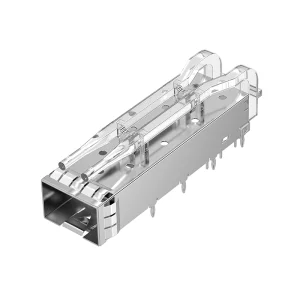
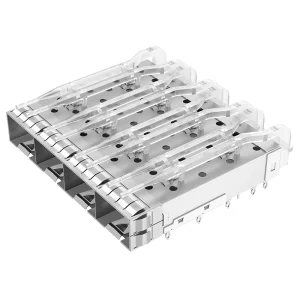
Integrated optical light pipes route visual status indicators from the PCB surface to the front bezel. Available in various profiles (standard, low-profile, round, or square) to accommodate different faceplate layouts.
| Feature Parameter | 1x2 Ganged Port Configurations | 1x4 / 1x6 Ganged Configurations | 1x8 Multi-Port Aggregators |
|---|---|---|---|
| Supported Data Rates | 1Gbps - 16Gbps (SFP / SFP+) | 10Gbps - 28Gbps (SFP+ / SFP28) | 10Gbps - 28Gbps High-Density |
| EMI Containment | Spring Fingers (Standard) | Spring Fingers & Elastomeric Gasket | Advanced Dual-Shielding Gasket |
| Mounting Options | Press-Fit & Through-Hole Solder (THT) | Press-Fit Only (Precision Compliant) | Press-Fit Only (High Insertion Force) |
| Thermal Solutions | Standard Heat Sink (Optional) | Pin-Fin / Riding Heat Sinks | Custom High-Flow Fin Configuration |
| Typical Application | Edge routers, small-office gateways | Metro-Aggregation switches, core gateways | Enterprise Core, Hyperscale Datacenters |
Targeted designs supporting localized rural telecom centers, power distribution systems, and legacy infrastructure upgrades.
Aligning custom design options with the specific operational demands of regional network infrastructure.
For central offices and optical line terminals (OLT) deployed in Maseru and Leribe, maximizing the density of physical GPON ports is paramount. We recommend using 1x6 or 1x8 SFP+ ganged assemblies with riding heat sinks. This ensures that when transceiver modules run at full capacity, heat is conducted away instantly, avoiding packet drop and optical degradation.
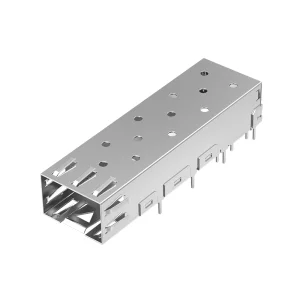
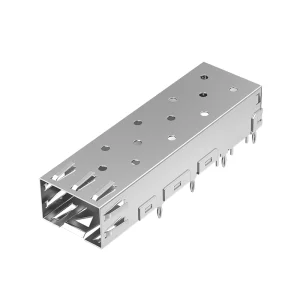
Rugged operations like those in Letšeng require hardware that can withstand dust ingress, continuous vibration, and extreme temperatures. Utilizing THT (Through-Hole Technology) Solder Cages provides a superior mechanical bond to the PCB compared to standard surface-mount options, ensuring connectivity is maintained even under heavy physical vibration.
How Xelivor Optoelectronics leverages specialized engineering expertise and rigid QA controls to support world-class network deployments.
Established in 2016, Xelivor Optoelectronics Co., Ltd. is a dedicated designer and manufacturer of high-performance optical transceiver modules, cages, and fiber connectivity solutions. Operating from our specialized precision facility, we have built a global reputation for serving enterprise network markets, cloud data centers, and major telecom carriers.
With over 8 years of industry experience and 6 years of export expertise, Xelivor has achieved annual export revenues exceeding USD 12 million. Our strategic supply chain spans more than 850 partners, securing stable components, fast manufacturing lead times, and reliable delivery capabilities to clients worldwide, including the Southern African Development Community (SADC) region.
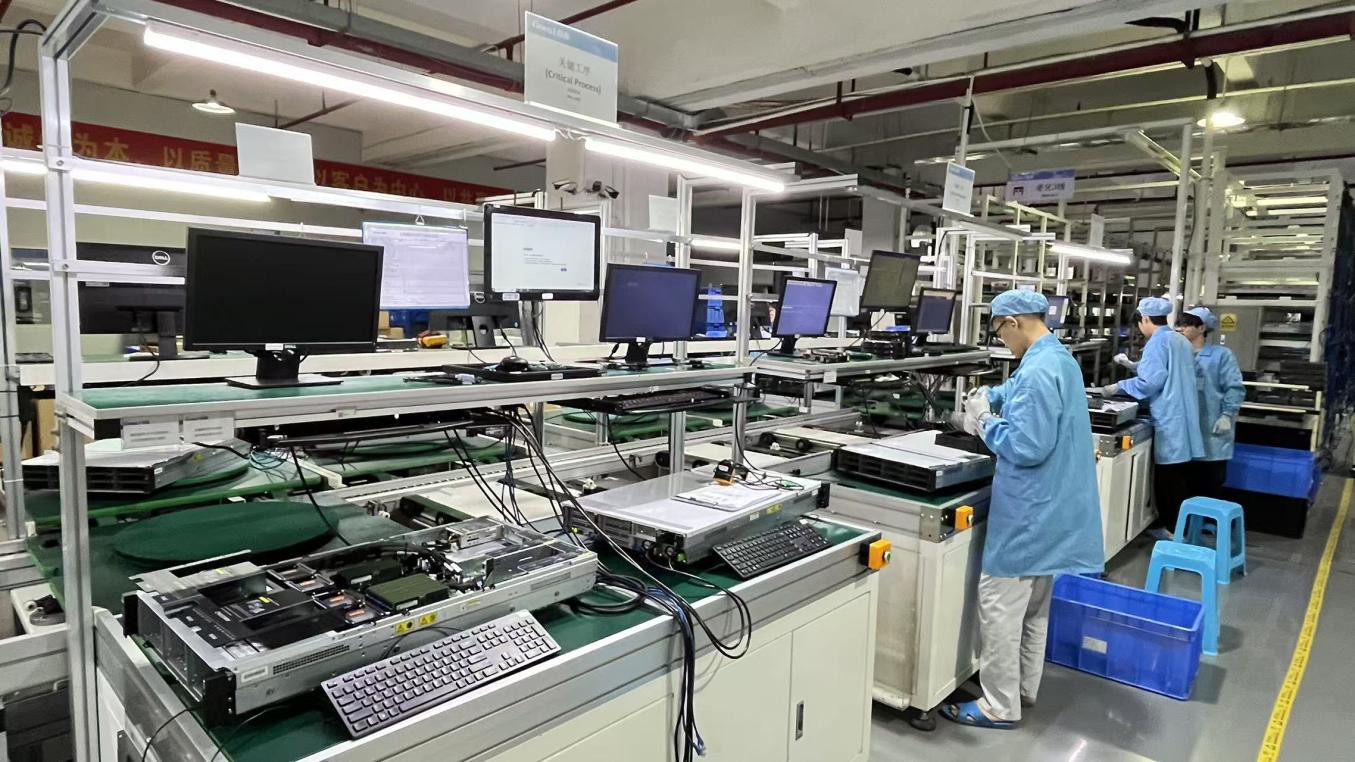
Our R&D team consists of 68 engineers focused on innovating physical-layer connectivity. We released over 85 new products last year, including next-generation high-density cages and high-speed transceivers. Supported by 32 dedicated QA inspectors, we implement rigorous quality checks at every step—from incoming raw materials to final optical parameter verification.
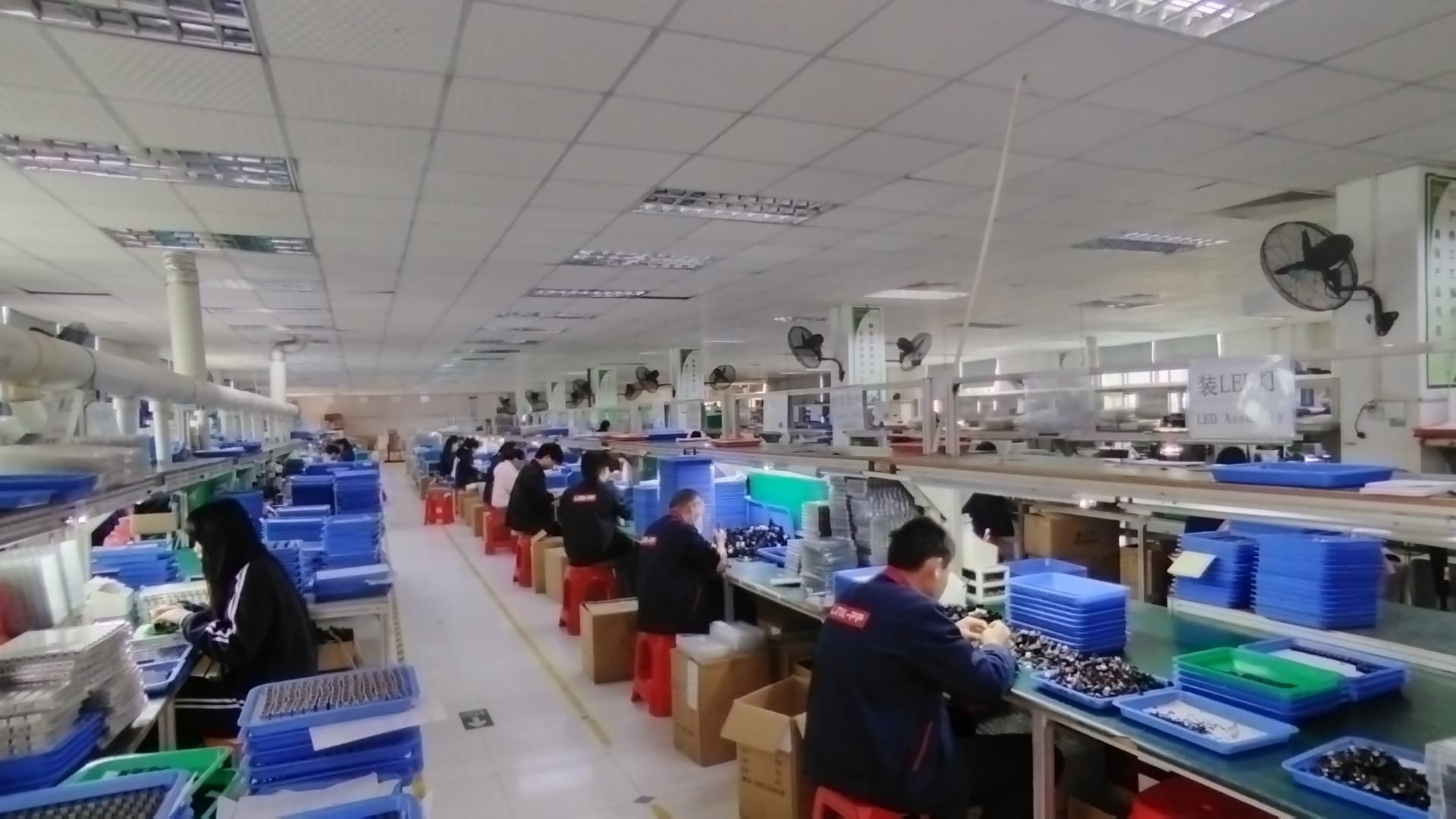
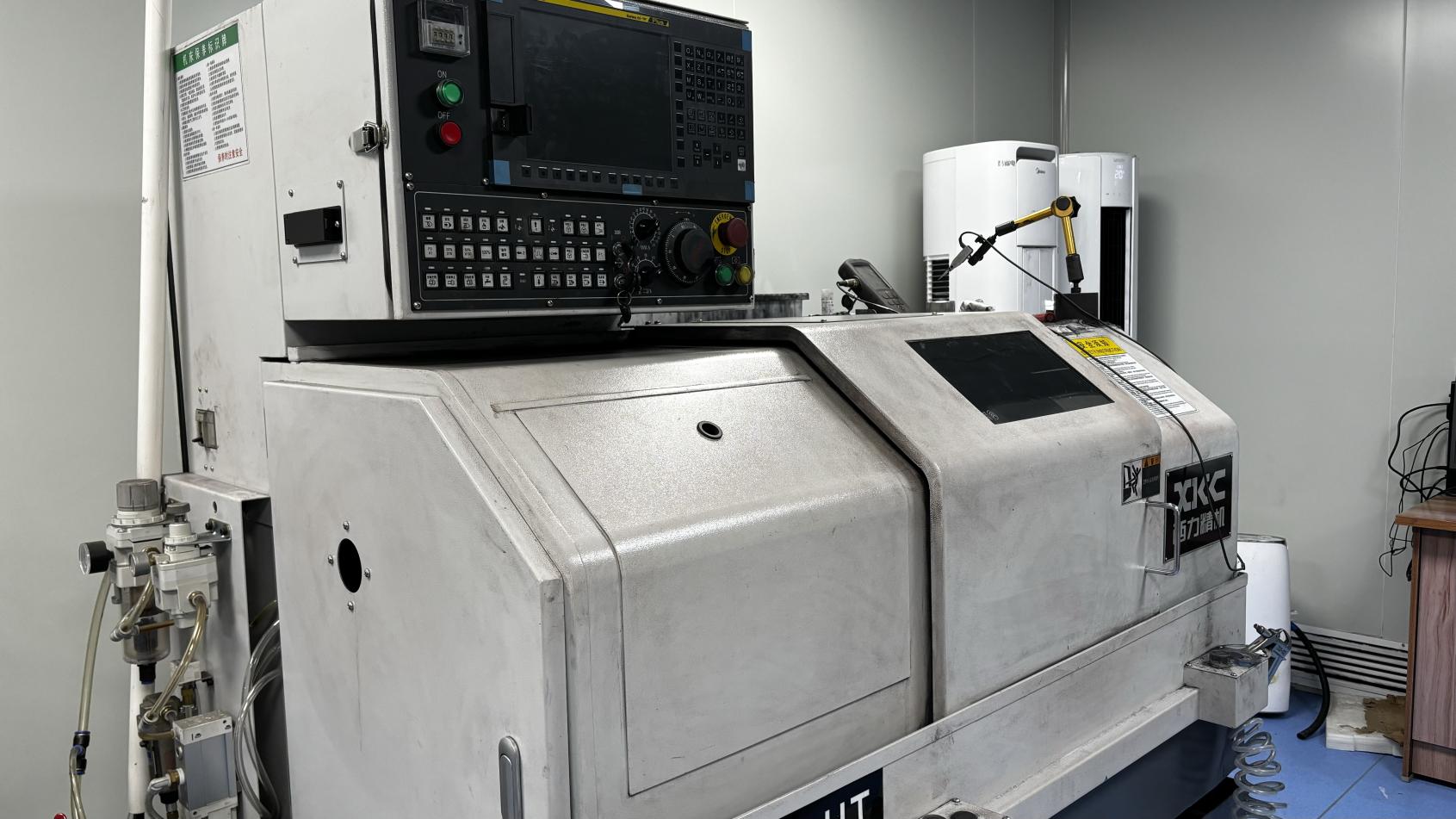
While many factories focus on sheer volume, Xelivor's modern facility is engineered for specialized, high-yield production runs. By optimizing our manufacturing layout, we achieve extreme efficiency and quality control, ensuring that every 1xN ganged cage meets exact mechanical tolerances.
For the Lesotho market, this precision translates to reliable board assembly and easy integration with existing systems. Our operations are fully compliant with RoHS and REACH standards, ensuring environmental sustainability alongside high technical performance.
Ensuring smooth importing, customs clearance, and adherence to telecom standards in Lesotho and Southern Africa.
All our SFP/SFP+ cages and optical components comply with international standards such as UL 94V-0 (flammability), RoHS (restriction of hazardous substances), and REACH. They are fully compatible with telecom gear adhering to SADC regulatory guidelines and regional standards like ICASA in South Africa.
Shipments destined for Maseru, Maputsoe, or Mafeteng are routed through the Port of Durban in South Africa, followed by secure overland transit via Bloemfontein. We manage all documentation for Southern African Customs Union (SACU) entry points, minimizing customs delays and ensuring on-time delivery.
We support extensive customization, including custom length press-fit pins, custom heat sink heights for tight enclosures, and integrated light pipe modifications. Additionally, we offer custom packaging and labeling options to simplify local deployments.
Explore our range of multi-port cage assemblies, engineered for high-density networking and long-term reliability.
Providing clear answers to common technical and sourcing questions for our customers in Lesotho and the wider SADC region.
Explore our manufacturing, testing, and R&D departments, where every component is engineered to meet international standards.

Whether you are designing a high-capacity telecom routing board or upgrading a municipal data center, our technical engineers can assist with custom component selection, testing parameters, and compliance details.