Xelivor
Xelivor
Xelivor
High-speed optical engines optimized for Algerian national telecom infrastructure and private enterprise networks.
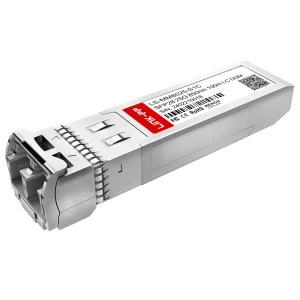
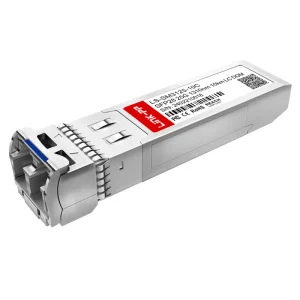
Unlocking high-bandwidth connectivity for North Africa's fastest-growing digital economy.
Algeria is experiencing an unprecedented digital transformation led by the state utility Algérie Télécom and national mobile operators. To support the "Digital Algeria 2025" strategic framework, infrastructure builders are transitioning from legacy 10G networks directly to 25G and 100G architectures. The massive roll-out of Fiber-to-the-Home (FTTH) networks and municipal broadband requires high-reliability transceivers that can withstand diverse environmental conditions, from Mediterranean coastal humidity to the harsh temperature swings of the Saharan interior.
SFP28 optical modules, operating at a nominal rate of 25.78 Gbps, have emerged as the standard building block. They offer telecom operators a seamless migration path, using existing fiber infrastructure without requiring a costly overhaul of structured cabling systems.
The energy sector, spearheaded by state-owned giant Sonatrach, is heavily investing in private industrial networks for remote telemetry, process automation, and pipeline monitoring. These networks span thousands of kilometers across rugged terrains, demanding ruggedized, extended-temperature (industrial grade) 25G SFP28 transceivers (like BiDi and DWDM variants) to connect processing plants with corporate headquarters in Algiers.
Concurrently, local cloud hosting centers and financial hubs in Algiers, Oran, and Constantine are deploying 32G Fibre Channel SFP28 modules. These systems power Storage Area Networks (SANs) that process massive transaction volumes for banks and administrative services, ensuring low-latency data access and absolute synchronization reliability.
Why SFP28 is the globally preferred form factor for edge, access, and enterprise data center layers.
Unlike 40G interfaces that require four parallel 10G lanes (QSFP+), SFP28 operates on a single 25Gbps lane using Non-Return-to-Zero (NRZ) modulation. This single-channel approach minimizes cost, power consumption, and optical component complexity, making it highly efficient for high-density switches.
For storage networks, the 32G SFP28 form factor provides backwards compatibility with 16G and 8G FC networks. It enables data centers to double their bandwidth footprint without expanding their physical physical rack space, supporting high-speed NVMe storage arrays.
Globally, telecom operators are adopting 25G SFP28 eCPRI (enhanced Common Public Radio Interface) transceivers for 5G fronthaul networks. These modules deliver the critical bandwidth required to link base stations with remote radio heads under low-latency limits.
| Transceiver Type | Form Factor | Data Rate | Wavelength (nm) | Max Distance | Fiber Type | Primary Application |
|---|---|---|---|---|---|---|
| 25G SFP28 SR | SFP28 | 25.78 Gbps | 850nm | 100m (OM4) | MMF (Multi-mode) | Intra-rack data center connections |
| 25G SFP28 LR | SFP28 | 25.78 Gbps | 1310nm | 10km | SMF (Single-mode) | Enterprise LAN / Metro access |
| 25G SFP28 ER | SFP28 | 25.78 Gbps | 1310nm | 40km | SMF (Single-mode) | Long-haul campus & carrier links |
| 25G SFP28 BiDi | SFP28 | 25.78 Gbps | 1270Tx / 1330Rx | 10km - 40km | SMF (Simplex) | Fiber-constrained 5G/FTTH links |
| 32G FC SFP28 | SFP28 | 28.05 Gbps | 850nm / 1310nm | Up to 10km | MMF / SMF | Storage Area Networks (SAN) |
Empowering global supply chains with industry-leading production speed, precision quality control, and custom integration.
China's optical communications manufacturing ecosystem is the most advanced in the world, offering unmatched cost-efficiencies, component availability, and rapid customization turnaround times. Xelivor Optoelectronics Co., Ltd. sits at the intersection of this high-tech manufacturing hub and the global distribution network, delivering premium transceivers engineered to meet the highest Western and Middle Eastern engineering standards.
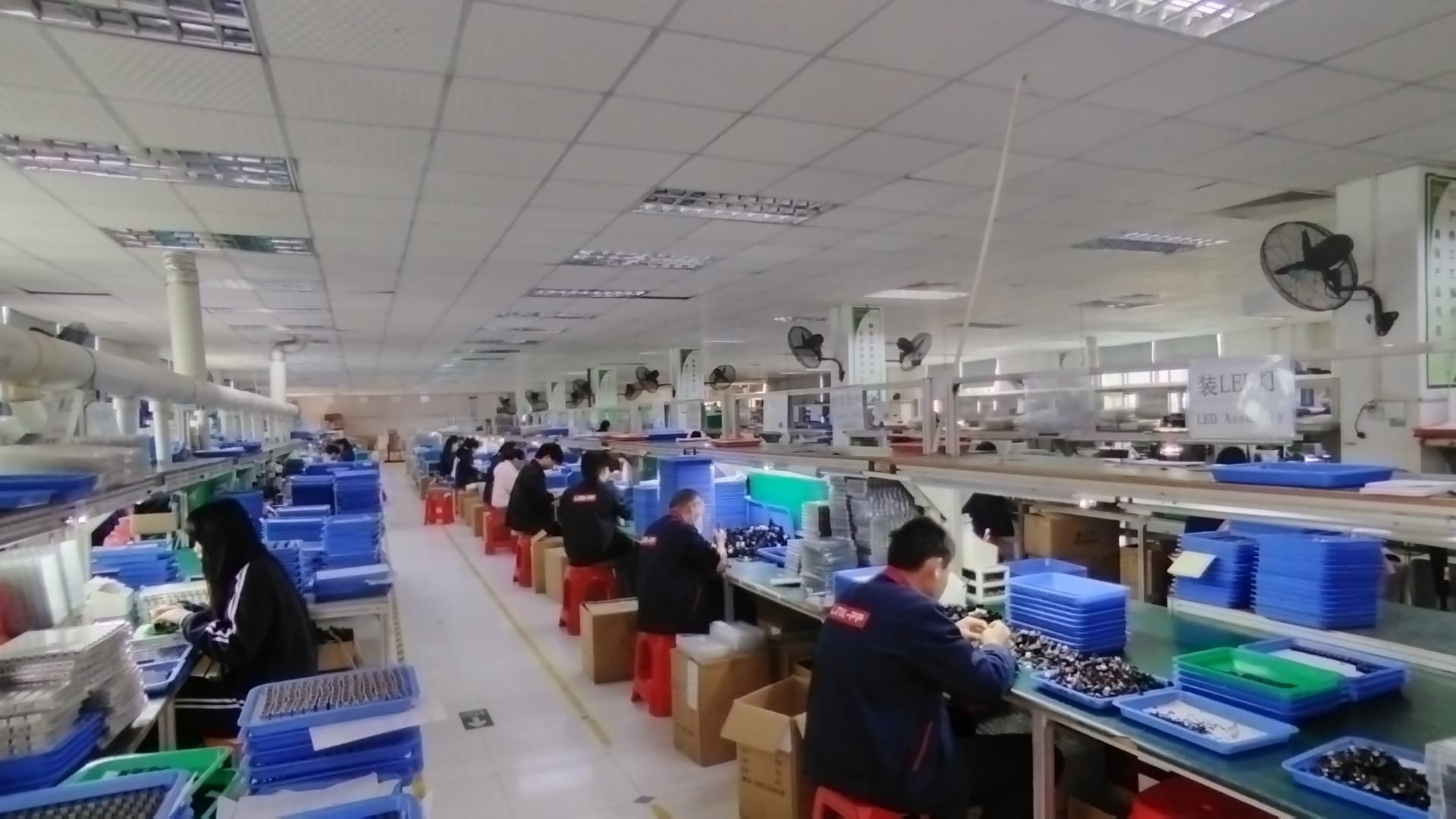
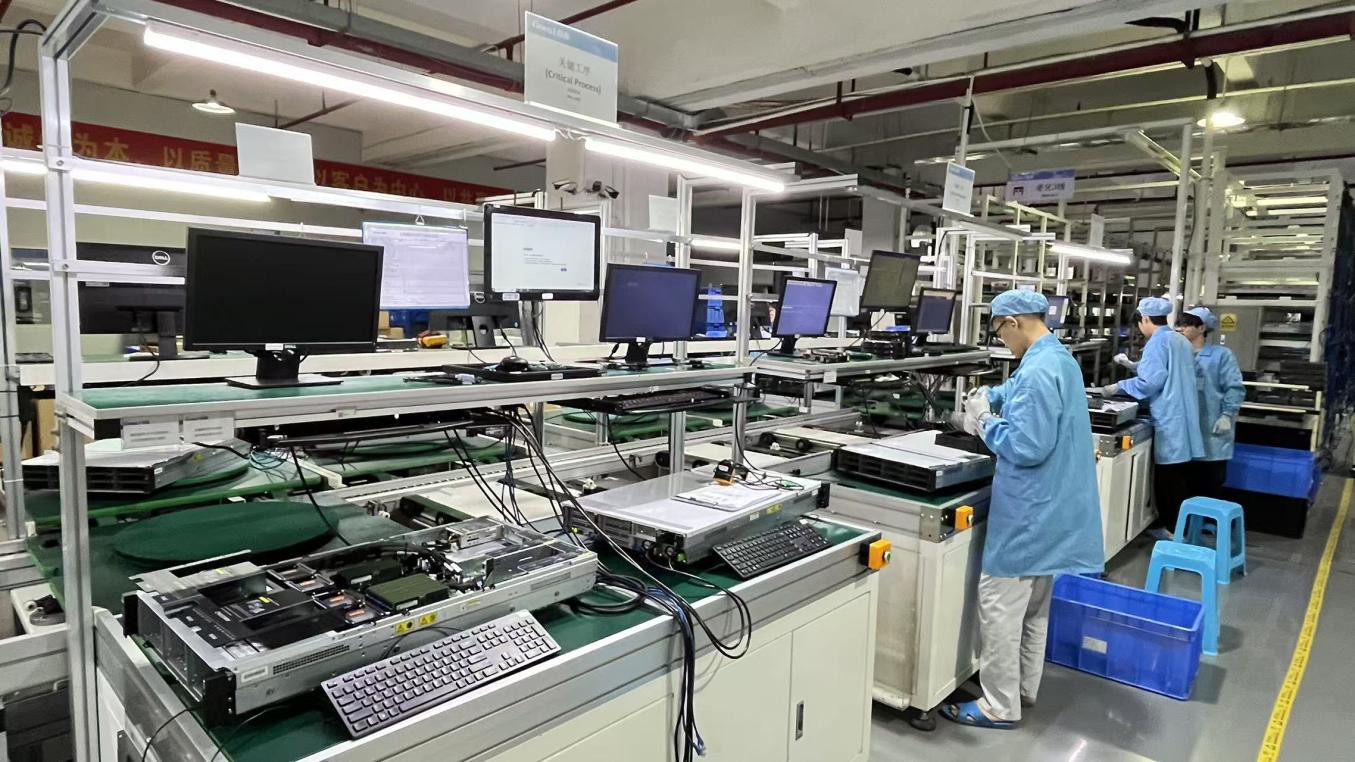
At our advanced facility, Xelivor operates a comprehensive testing and compatibility lab. Our 68 R&D engineers develop bespoke firmware configurations to ensure 100% compatibility with over 100 networking OEM brands, including Cisco, Huawei, Juniper, Nokia, and Arista. This capability allows Algerian network administrators to deploy cost-effective third-party modules without voiding their original equipment guarantees.
Quality control is maintained through a highly structured 32-inspector assurance team. Every module goes through a multi-stage validation matrix before packaging. Because network failure in remote Saharan industrial operations or metropolitan banking centers is not an option, we implement strict hardware verification measures:

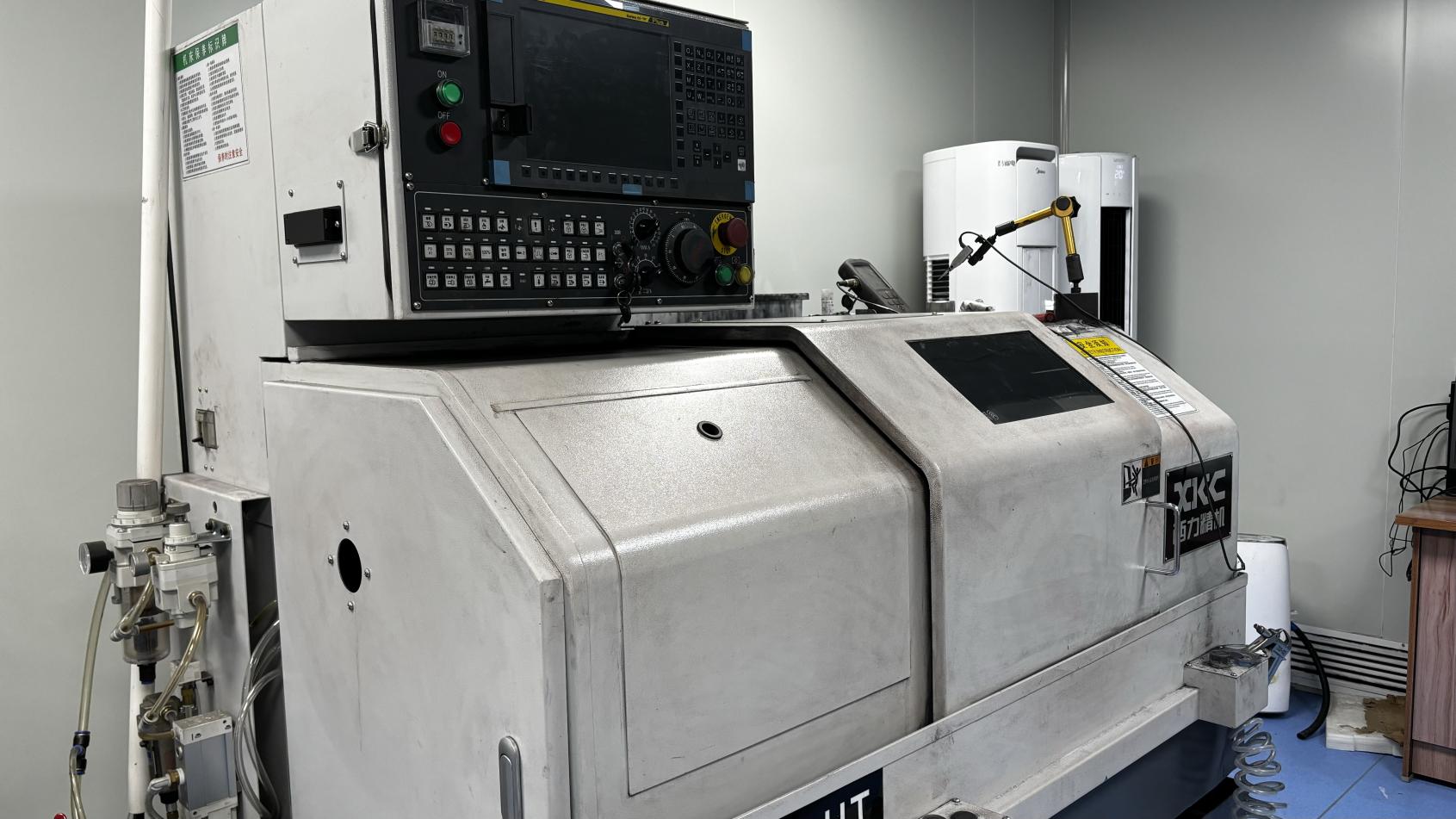
How system integrators and telecom contractors deploy SFP28 architectures locally.
High-density multi-tenant data centers in the capital require massive interconnect bandwidth. Using **25G SFP28 SR** and **Cisco-compatible 10/25G CSR** modules allows providers to interconnect leaf-spine switches with top-of-rack server arrays over OM4 multimode fiber up to 400 meters, maximizing port throughput while lowering power budgets.
Pipeline networks run across remote areas where fiber cores are limited. System integrators utilize **25G BiDi (Bidirectional) SFP28** modules. BiDi technology transmits and receives signals on a single fiber strand using different wavelengths (e.g., 1270nm and 1330nm), effectively saving 50% on fiber cabling costs while providing high-speed telemetry links over 20km or 40km distances.
To connect regional hubs like Constantine, Setif, and Batna to the central backbone, operators use **25G SFP28 DWDM (Dense Wavelength Division Multiplexing)** and **LWDM (LAN WDM)** modules. These transceivers enable multiple channels to run over a single single-mode fiber link, facilitating cost-effective regional bandwidth scaling.
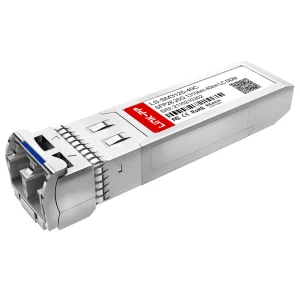
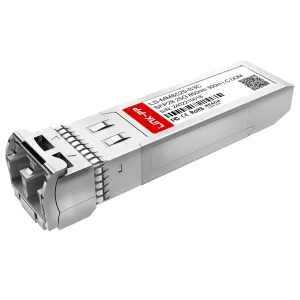
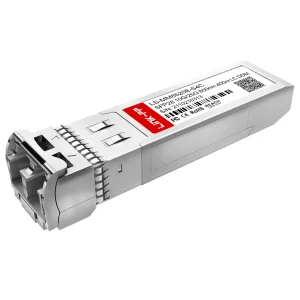
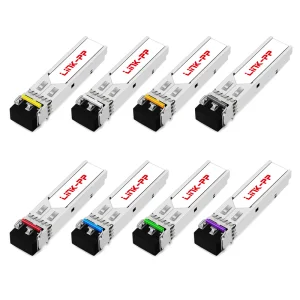
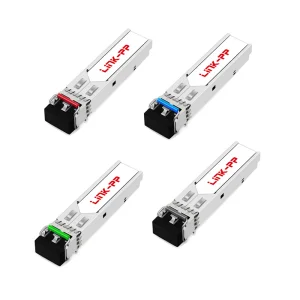
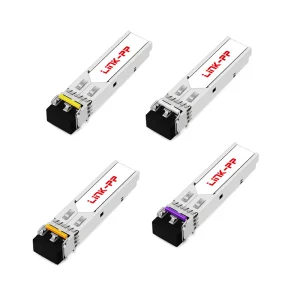
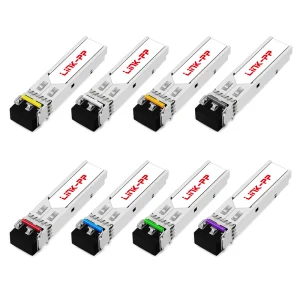
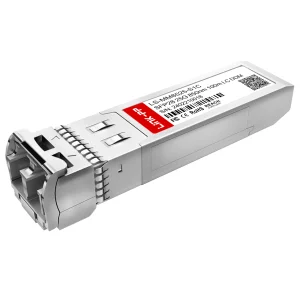
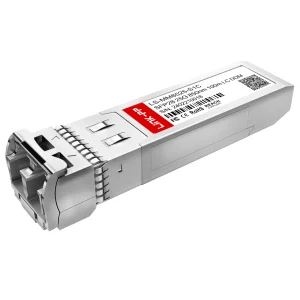
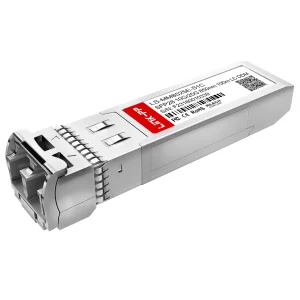
Select from our range of 25G and 32G optical modules, designed to fit custom enterprise architectures.
Clear, expert answers to key technical questions for sourcing and deploying optical modules.