Xelivor
Xelivor
Xelivor
Engineered to support Panama's premier transoceanic transport, financial routing networks, and enterprise cloud zones.
Geographically favored and strategically developed, Panama operates as the primary digital crossroads of Central and South America. High-capacity submarine fiber cables converge across the Isthmus, creating a vital link for trans-Pacific, trans-Atlantic, and regional optical networks. Cable landing systems such as MAYA-1, ARCOS-1, SAC/MAC, and PAC interconnect here, transforming Panama City and the Colon Free Zone into high-density peering hubs.
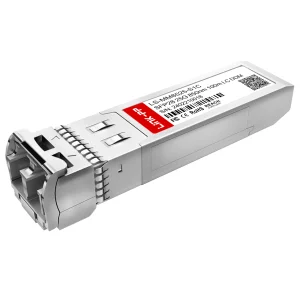
As regional telecom operators, ISPs, and multinational enterprises expand their infrastructure to support 5G rollouts, cloud computing, and real-time transaction processing, standard 10G networks face immense bandwidth bottlenecks. The migration to 25G SFP28 and 32G Fibre Channel (SFP28 FC) has emerged as the definitive path for network architects seeking backward compatibility with 10G SFP+ form factors, while achieving a 2.5x to 3.2x increase in throughput without requiring costly fiber recabling.
The SFP28 form factor represents an optimized balance of cost, power consumption, and density. Operating on a single 25Gbps or 28Gbps lane, it eliminates the complexity of multi-lane architectures (like the 4x10G layout of QSFP+) and matches the physical footprint of SFP+. This means existing switches and patch panels in Panama’s corporate campuses and data center facilities can be upgraded progressively.
For critical maritime operations along the Panama Canal and logistics parks, ultra-low latency is indispensable. SFP28 optical modules deliver the minimal latency profile required for automated port machinery, real-time customs database synchronization, and algorithmic financial trading in the Banking District.
Selecting the optimal optical parameters based on fiber type, distance, and local environmental factors in tropical regions.
| Module Category | Connector Type | Fiber Type & Wavelength | Maximum Reach | Primary Industrial Use Case in Panama |
|---|---|---|---|---|
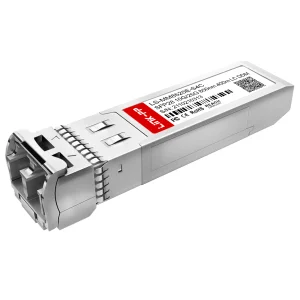
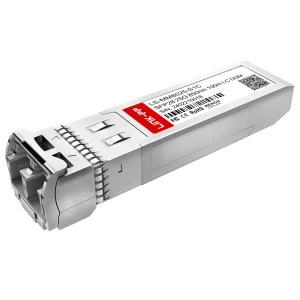
| 25G SFP28 SR | Duplex LC | MMF (OM3/OM4) @ 850nm | 70m (OM3) / 100m (OM4) | Intra-rack data center switching & SAN storage aggregation. |
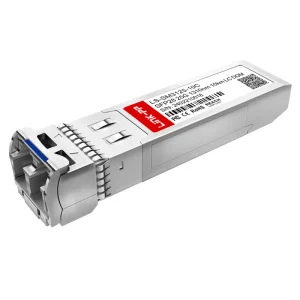
| 25G SFP28 LR | Duplex LC | SMF @ 1310nm | 10km | Inter-facility links, campus backbones, and metro ISP access nodes. |
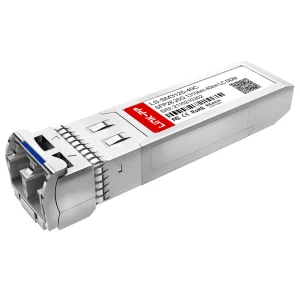
| 25G SFP28 ER | Duplex LC | SMF @ 1310nm / 1550nm | 30km / 40km | Cross-Isthmus transport links, connecting Atlantic & Pacific logistics hubs. |
| 25G SFP28 CWDM/DWDM | Duplex LC | SMF (Wavelength Specific) | 10km to 40km | Fronthaul expansion for 5G NR networks without deploying new fiber lines. |
| 32G SFP28 Fibre Channel | Duplex LC | MMF / SMF | Varies (up to 10km) | High-frequency financial banking storage networks & critical backup vaults. |
*Note: Due to Panama's warm, humid, tropical marine environment, optical parameters must account for temperature-induced drift and fiber degradation. Industrial-grade modules operating between -40°C and 85°C are highly recommended for outdoor telecom cabinets and unconditioned terminal hubs along the Canal Zone.
Xelivor Optoelectronics Co., Ltd. delivers global-standard optical transceiver manufacturing tailored for Latin American integration.
Our modules feature custom-programmed EEPROM microcode, ensuring seamless plug-and-play operation with Cisco, Juniper, Arista, Huawei, Dell, and HPE switches deployed in Panamanian enterprise environments.
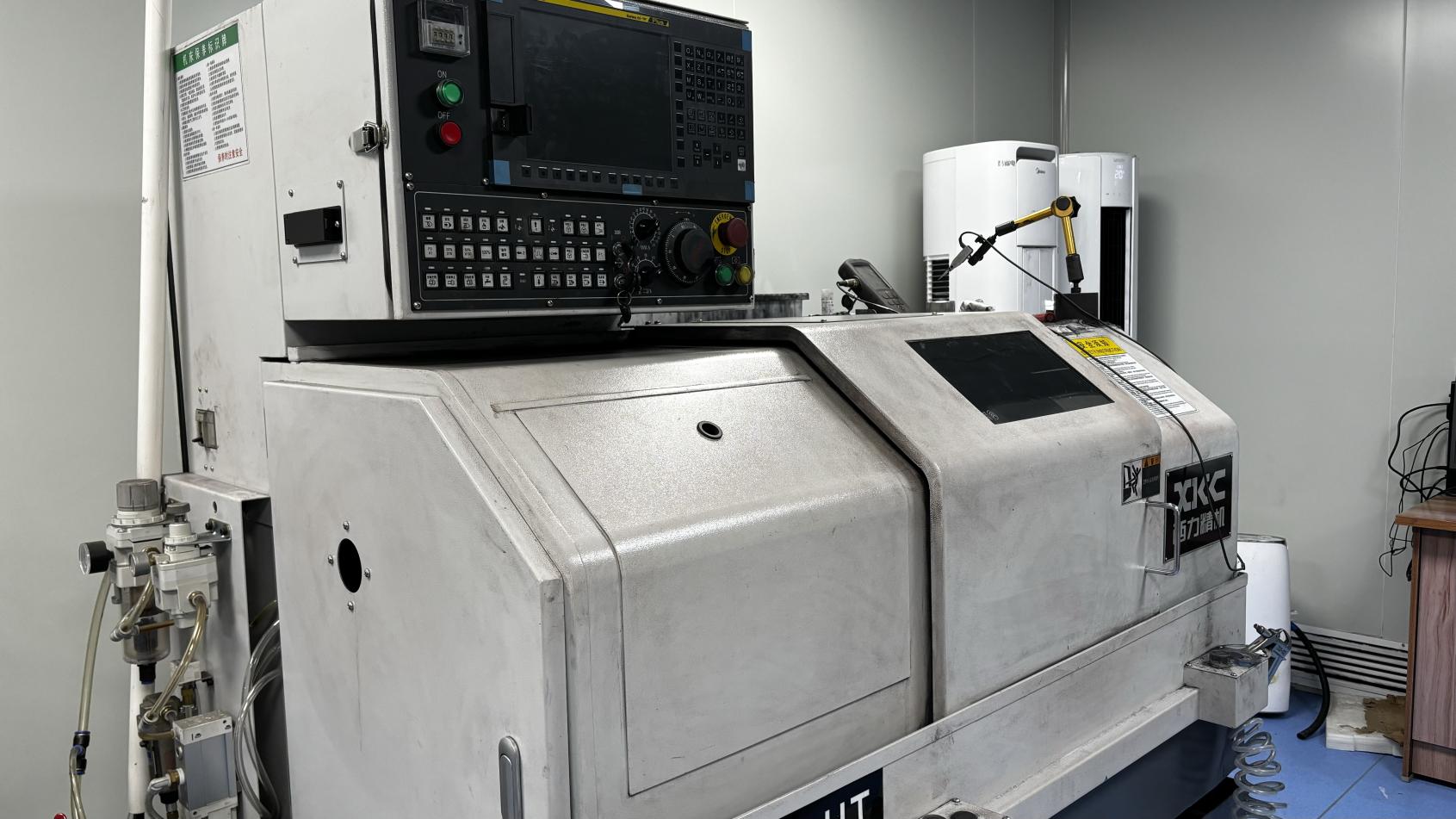
Each 25G/32G module undergoes rigorous optical parameter verification, eye-diagram checks, and extended thermal chamber burn-in. This guarantees stability against the humidity fluctuations characteristic of Central America.
Leveraging efficient maritime and air routes, we deliver bulk optical modules directly to local distributors and integration projects, minimizing delivery lead times and clearing processes.
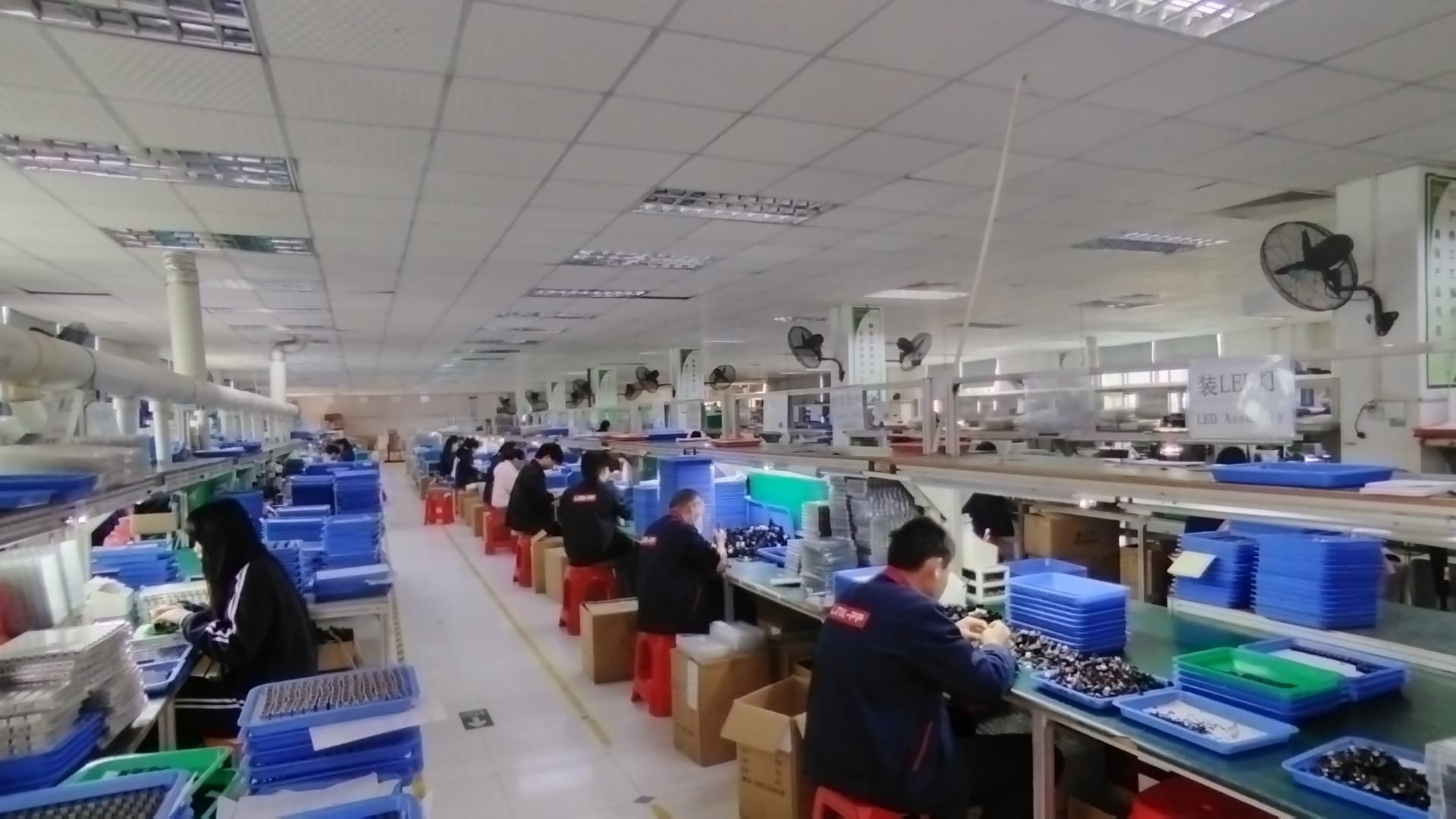
Xelivor Optoelectronics Co., Ltd. is a professional manufacturer of optical transceivers and fiber connectivity solutions, dedicated to serving global data center, telecom, enterprise network, and cloud computing industries. Established in 2016, the company operates from a modern manufacturing facility covering 386 m² and has built a strong reputation for delivering reliable, high-performance optical communication products worldwide.
With over 8 years of industry experience and 6 years of export experience, Xelivor has achieved annual export revenues exceeding USD 12 million. Our products are exported to customers across North America, Europe, Southeast Asia, the Middle East, and South America, supporting a wide range of networking applications from enterprise infrastructure to hyperscale data centers.
Backed by a dedicated R&D team of 68 engineers, the company continuously invests in innovation and launched more than 85 new products in the past year to meet the evolving demands of high-speed optical networks. Quality is at the core of our operations; our quality management system incorporates incoming material inspection, in-process quality control, aging tests, compatibility verification, optical parameter testing, and final product inspection overseen by 32 QA inspectors.


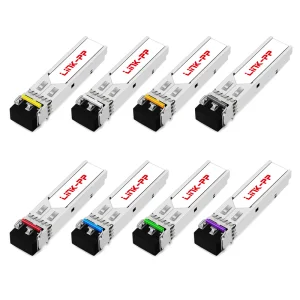
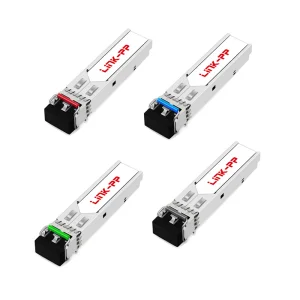
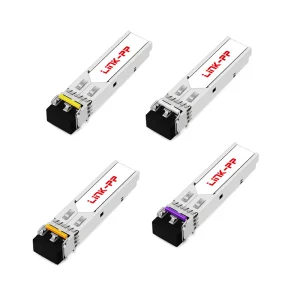
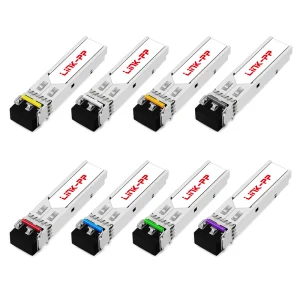
Explore our complete range of specialized transceivers, including BiDi, CWDM, DWDM, and LWDM optical modules.
Deploying specialized 25G and 32G optical modules to support critical logistics, financial operations, and regional data routing.
Modern container terminals on both the Pacific and Atlantic entry points of the Panama Canal rely on real-time crane automation, OCR container identification, and high-definition video surveillance. Single-mode 25G SFP28 LR and ER modules connect outdoor terminal cameras and remote operating systems back to the central server room, maintaining low latency and zero packet loss even in environments subject to electromagnetic interference from port machinery.
Panama City serves as the financial hub for Latin America, housing dozens of international banks. Real-time transaction processing and continuous database synchronization require high-speed Storage Area Networks. Upgrading from 16G Fibre Channel to 32G SFP28 FC doubles the storage bandwidth without altering the existing physical layout of the SAN fabric, ensuring low-latency data replication and disaster recovery capability.
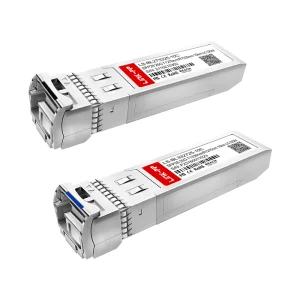
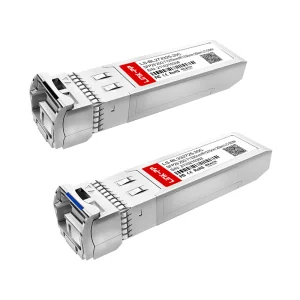
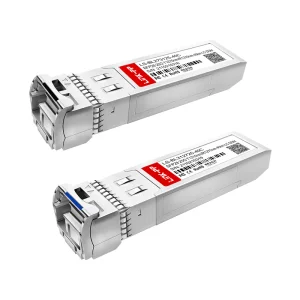
As telecommunications operators in Panama expand their mobile infrastructure, they face the challenge of connecting baseband units (BBUs/DU) to remote radio heads (RRH/RU). 25G SFP28 BiDi transceivers solve this by transmitting and receiving signals over a single fiber strand, doubling fiber efficiency and reducing the cost of leasing or deploying new fiber paths along highway corridors.
Designing optical transceivers capable of maintaining structural and optical performance under challenging tropical conditions.
Operating fiber networks in Central America requires careful planning to prevent performance degradation caused by high humidity, salt spray, and high ambient temperatures. Unlike climate-controlled data centers, outdoor distribution hubs and street cabinets experience extreme heat and humidity.
Xelivor supplies optical modules engineered with high-specification internal lasers (EML or DFB) and photodetectors. These components are designed to withstand temperatures ranging from -40°C to +85°C, preventing wavelength drift and output power degradation caused by thermal accumulation in closed outdoor cabinets.
At 25G speeds, signal dispersion increases, making the use of Forward Error Correction (FEC) essential. Our SFP28 transceivers are fully compatible with IEEE 802.3by standards, operating seamlessly with host-side RS-FEC (Clause 108) or BASE-R FEC (Clause 74) to correct transmission errors and maintain a stable Bit Error Rate (BER).
Answers to technical and logistical questions for IT directors and network engineers.
Generally, no. A 25G SFP28 module cannot run in a dedicated 10G SFP+ port because the port cannot supply the necessary clock rate. However, the reverse is supported: most 25G SFP28 ports on modern switches are backward compatible and can accept a 10G SFP+ module, automatically auto-negotiating down to 10G speeds. Dual-rate 10G/25G SFP28 modules are also available to simplify this transition.
We operate a dedicated compatibility testing laboratory equipped with original switches from Cisco, Juniper, HPE, Dell, Arista, and other leading manufacturers. Each module is coded with verified manufacturer signatures and tested under traffic conditions to ensure it is recognized by the host switch and operates without generating CLI errors.
25G BiDi modules transmit and receive signals over a single strand of single-mode fiber by utilizing two different wavelengths (e.g., 1270nm and 1330nm). This effectively doubles the capacity of existing fiber runs, allowing network operators to expand bandwidth without the high cost of laying new optical fiber.
For standard items, our manufacturing facility can ship orders within 3 to 7 business days. We provide comprehensive export documentation, including detailed commercial invoices, packing lists, and Certificates of Origin, facilitating smooth customs clearance at Tocumen Airport or the Colon Free Zone ports.
Whether you are upgrading data center infrastructure in Panama City, automating port logistics, or expanding regional broadband access, our engineering team is here to assist. Contact us today to discuss your project requirements, request product samples, or receive a detailed quotation.