Xelivor
Xelivor
Xelivor
Engineered for immediate deployment across San Francisco bay area high-capacity optical networks and cloud exchanges.
Global engineering expertise meeting rigorous carrier-grade demands with industry-validated metrics.
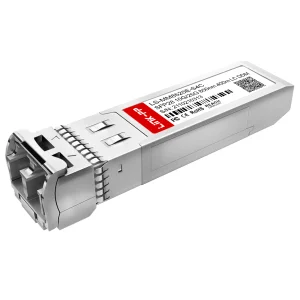
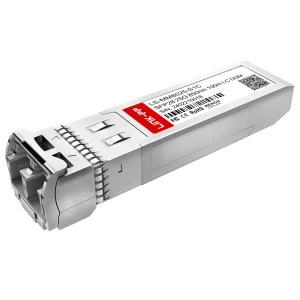
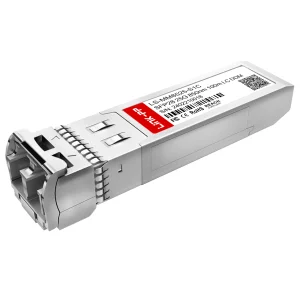
The San Francisco Bay Area remains the global epicenter for artificial intelligence development, machine learning optimization, and hyperscale cloud infrastructure. As software giants and innovative startups deploy massive LLMs (Large Language Models), physical networks require a rapid transition from legacy 10G frameworks to high-density 25G and 32G configurations. SFP28 transceivers serve as the critical hardware bridge, offering 2.5 times the bandwidth of SFP+ while maintaining backwards compatibility and identical space-saving form factors.
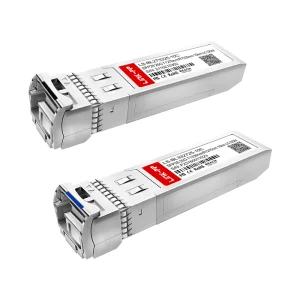
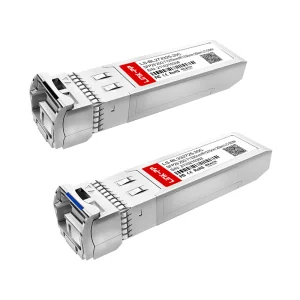
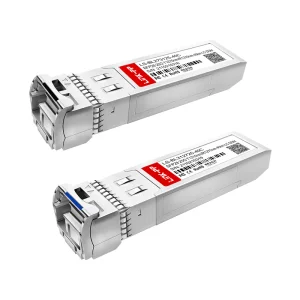
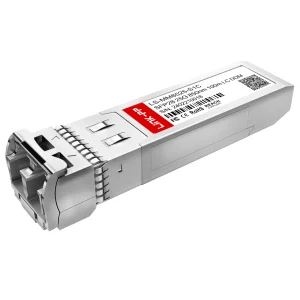
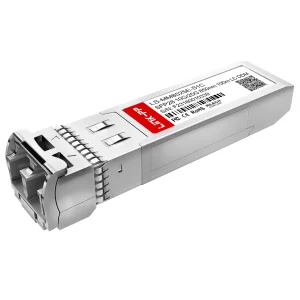
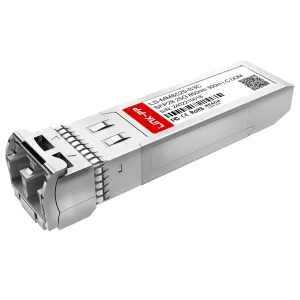
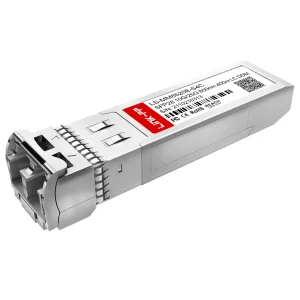
Our 25G SFP28 and 32G Fibre Channel transceivers are engineered precisely for these high-throughput environments. By offering optimized power dissipation (less than 1W per port) and superior thermal dissipation, these modules enable SF network architects to maximize operational density and run highly resilient, latency-sensitive computing topologies without incurring massive cooling overheads.
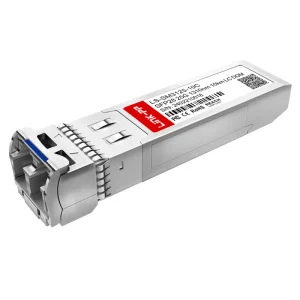
Deploy SFP28 LR/ER modules to support distributed edge compute nodes and multi-access edge computing (MEC) across the SF Municipal network.
Our 32G SFP28 Fibre Channel solutions offer the predictable, jitter-free performance required by financial nodes and storage area networks in downtown SF.
Why next-generation networks rely on SFP28 architecture for bandwidth scaling and media-intensive applications.
SFP28 utilizes the same mechanical dimensions as the widely deployed SFP+ (10G) module. This allows data centers to scale port density up to 2.5x without changing switch dimensions, utilizing existing fiber runs and patch panels.
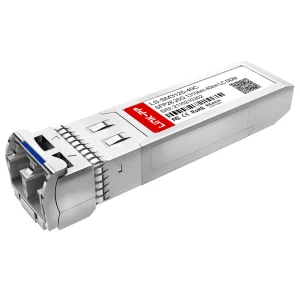
By implementing RS-FEC (Reed-Solomon) or FC-FEC, SFP28 optics compensate for signal degradation over longer distances. This makes 10km (LR), 20km (BiDi), and 40km (ER) extensions stable under high temperature variations.
Specifically tuned to support FC-PI-6 specifications, 32G transceivers are ideal for high-speed NVMe storage systems. They guarantee error-free, lossless database storage and replication across redundant SAN fabrics.
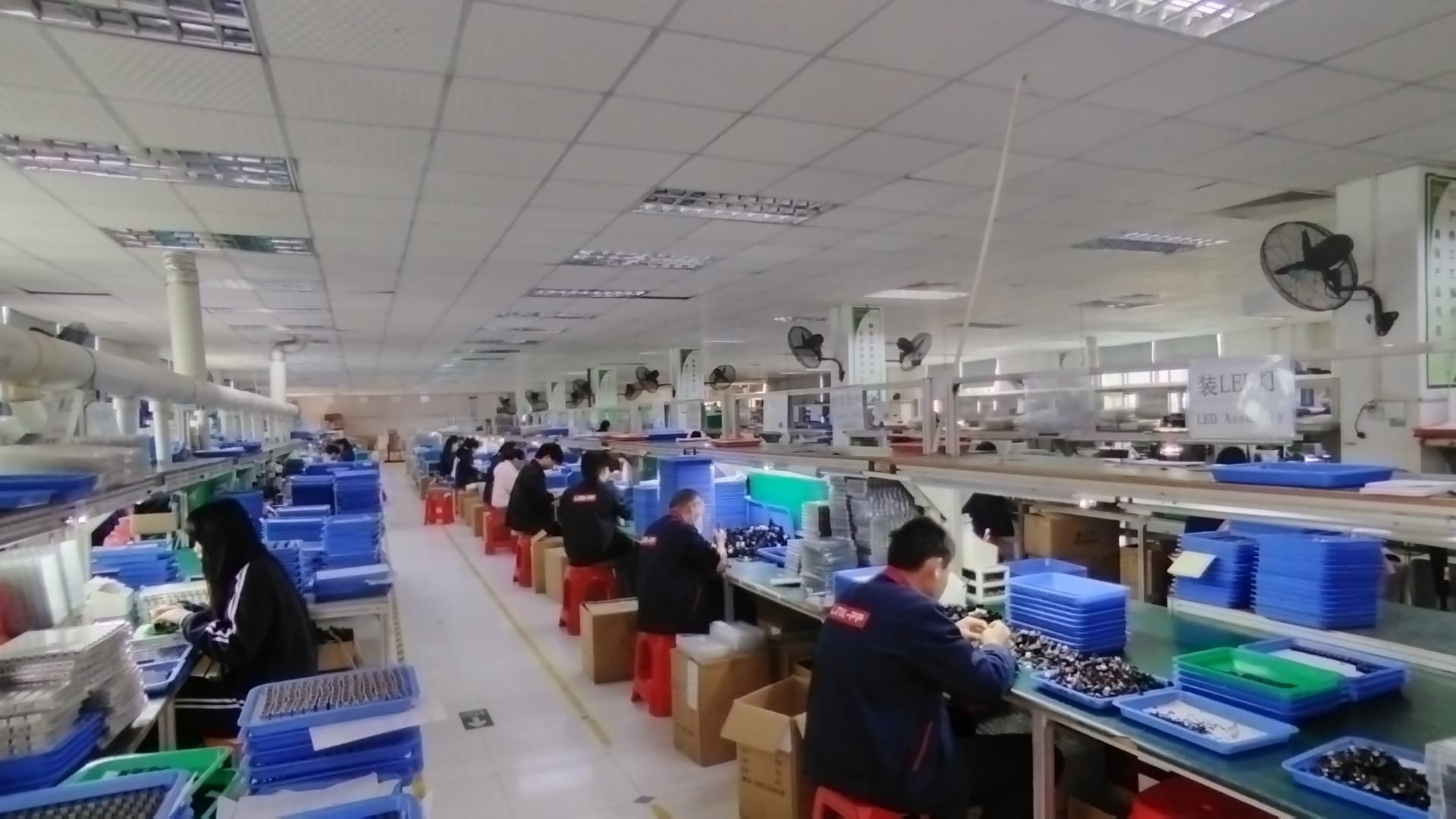
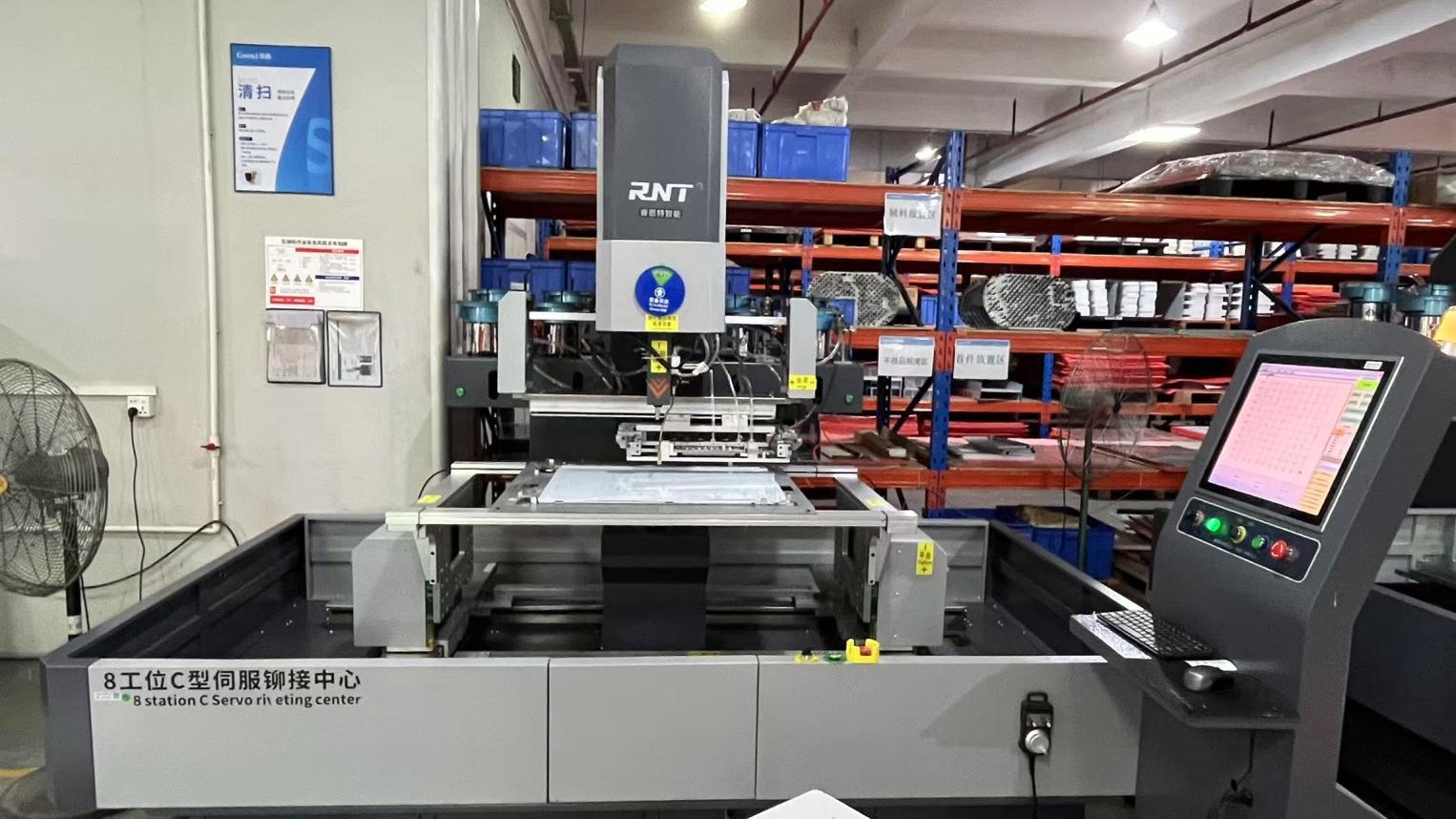
At Xelivor Optoelectronics Co., Ltd., we combine state-of-the-art intelligent manufacturing (Industry 4.0 processes) with resilient material sourcing. Operating from a highly specialized, cleanroom-equipped facility, we host 68 optical R&D engineers developing custom firmware, hardware, and structural variations of high-frequency transceivers.
By partnering with over 850 verified component vendors, we protect our production pipelines from material shortages. Every transceiver undergoes 100% full-process quality testing, including multi-temperature aging tests, optical eye-diagram analysis, and exact compatibility sweeps on switches from over 120 brands (including Cisco, Arista, Juniper, Dell, and HPE).
Reduce your TCO by up to 60%. Get bulk custom quotes, OEM labeling configurations, and guaranteed compatibility testing.
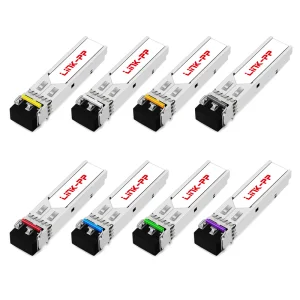
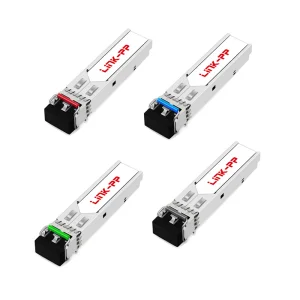
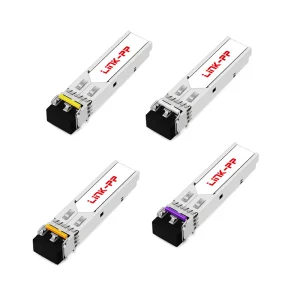
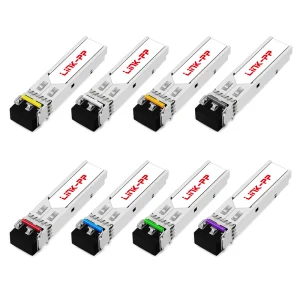
Send Inquiry NowFull selection of Single Mode, Multimode, BiDi, CWDM, DWDM, and LWDM optical modules.
Operating under rigorous testing environments to eliminate optical loss, bit errors, and system lockups.
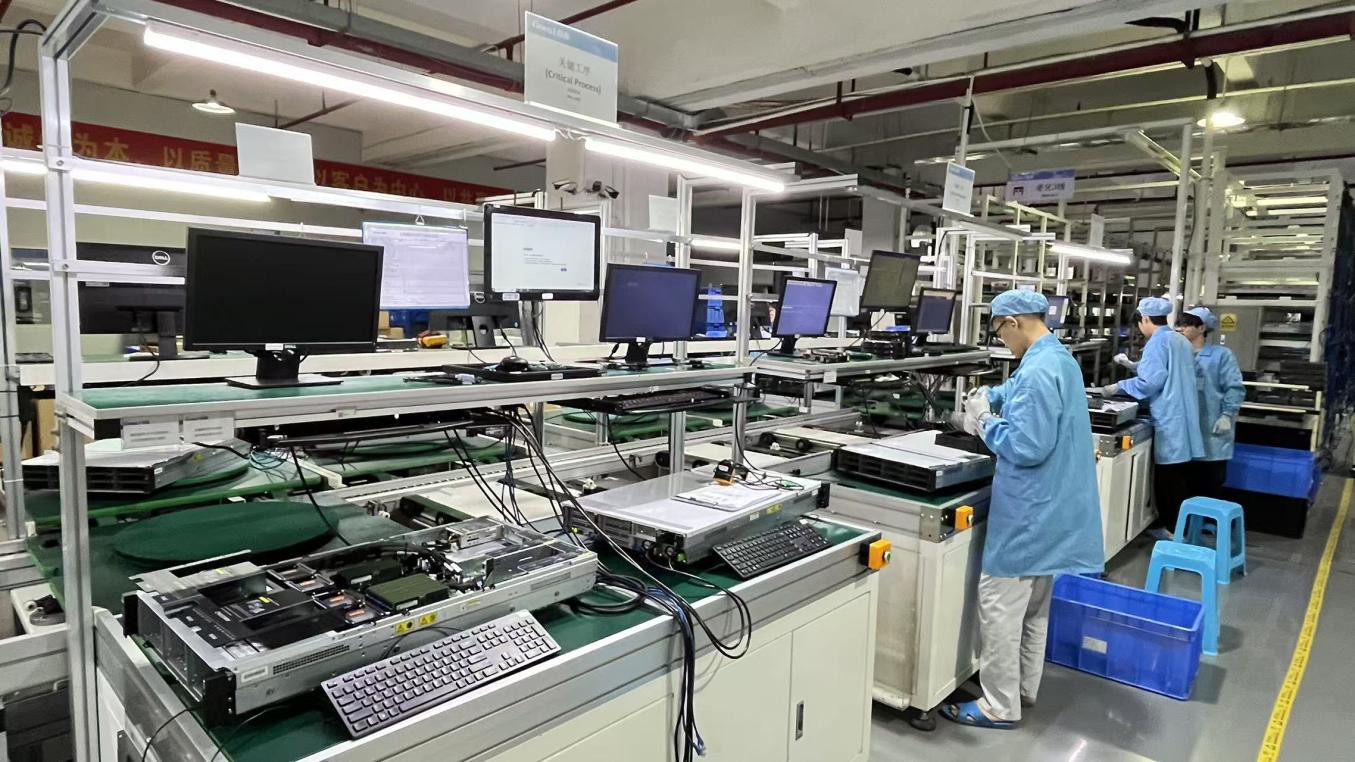
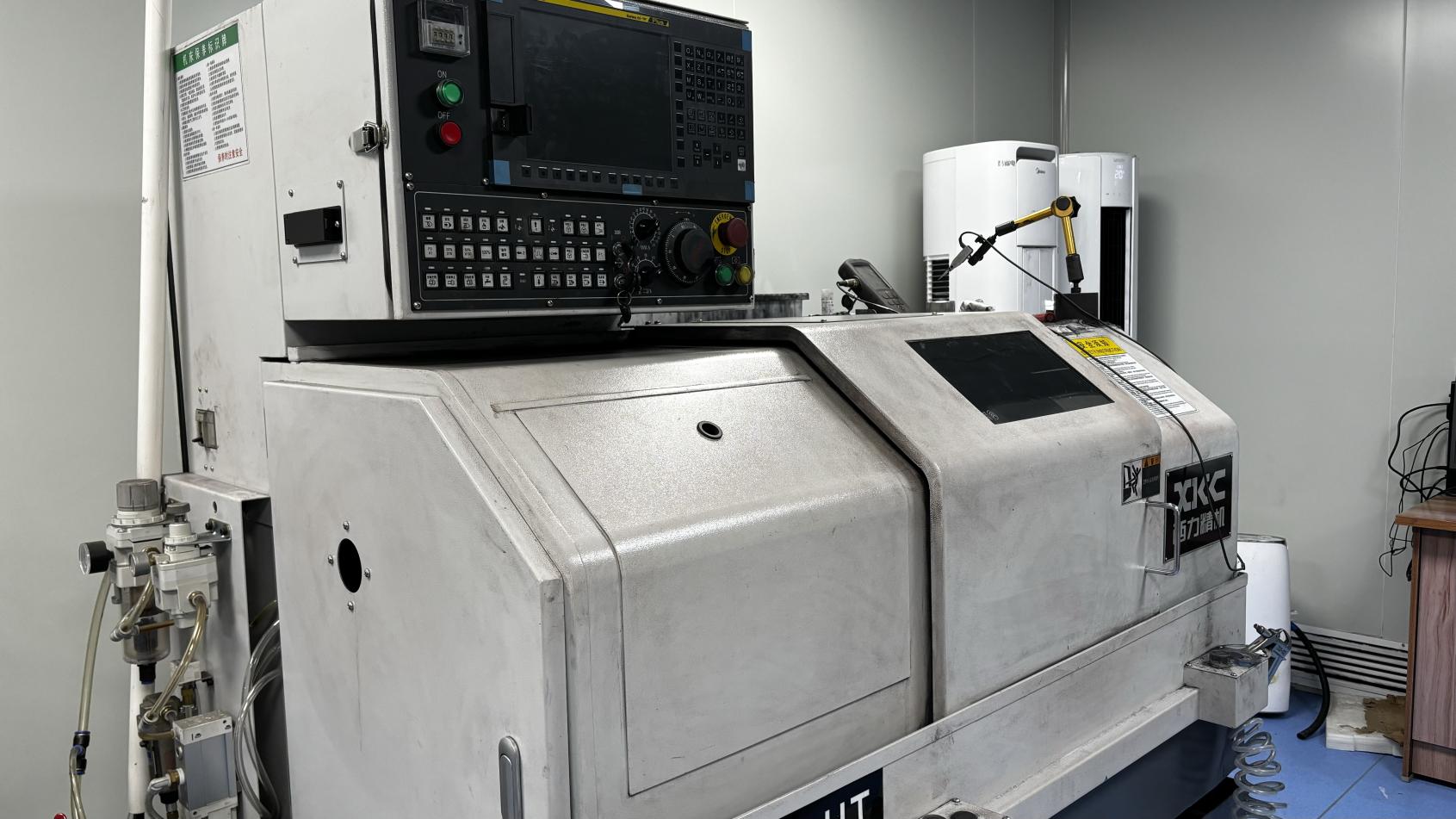
At Xelivor, reliability is not a marketing term; it's a rigorous manufacturing standard. Our facility incorporates incoming material inspections, optical component parameter verification, live aging simulations inside high-temperature chambers, and software compatibility coding.
We maintain a library of proprietary OS codes to match your target host switch. Whether you operate Cisco Nexus Series switches, Arista 7000 Series cloud platforms, or Edgecore whitebox setups, our custom-written EEPROM firmware eliminates standard "non-certified transceiver" warnings and ensures continuous telemetry reading.
With over 6 years of international exporting, we handle expedited air shipping to the West Coast and custom tax clearance processes. We deliver stable packaging, customized labels, and serialized tracking numbers to maintain transparency from assembly lines to SF operations hubs.
Clear, authoritative information regarding SFP28 deployment, performance criteria, and compatibility logistics.
Yes, many SFP28 transceivers support dual-rate configuration (10G/25G). However, the port itself must support data rate configuration. You must configure the host switch interface speed to 10G using command line configurations (CLI), and the remote end must also run at 10G to establish optical synchronization.
Although they utilize the identical mechanical form factor (SFP28), they target different protocols. Standard 25G SFP28 complies with the IEEE 802.3by Ethernet protocol, whereas 32G Fibre Channel transceivers comply with the FC-PI-6 protocol. Fibre Channel transceivers run at 28.05 Gbps to carry lossless storage block traffic across SANs.
Our dedicated compatibility lab uses original switches from Cisco, Arista, Juniper, Dell, and HPE. Our engineers customize the EEPROM chip inside the SFP28 module, matching the vendor identification keys and checksum requirements of the target system. This ensures seamless plug-and-play operations without causing system flags or configuration errors.
DDM (Digital Diagnostics Monitoring) or DOM (Digital Optical Monitoring) is supported across all our SFP28 modules. This real-time telemetry allows network engineers to monitor critical parameters like optical input/output power, module temperature, operating voltage, and laser bias currents directly from their operating systems to predict fiber line anomalies before outages occur.
Yes. The IEEE 802.3by specification details that 25G Ethernet networks using multimode fiber (SR) or single-mode fiber (LR) require either FC-FEC or RS-FEC to guarantee bit error rate (BER) levels of 1E-12 or better. You must ensure FEC settings on host ports match on both ends of the fiber link to establish optical links.
Connect with our technical sales engineers for customized firmware configurations and pricing tables.
Send Inquiry Now