Xelivor
Xelivor
Xelivor
Reliable, unshielded and custom modular jacks tailored for New Zealand regional telecommunication matrices and specialized electronics manufacturing.
Analyzing the localized commercial demands for legacy physical layers and modern digital transformations within the Oceania region.
Over the last decade, New Zealand has successfully deployed its Ultra-Fast Broadband (UFB) initiative, reaching over 87% of the population with high-speed fiber-to-the-premises (FTTP). Despite this widespread fiber penetration led by network operators like Chorus, Enable, and Northpower, a critical requirement remains for legacy physical layer interfaces. Systems such as analog telephone adapters (ATAs), rural telemetry arrays, and customer-premises equipment (CPE) require high-grade RJ11 interfaces to connect back-end digital transceivers with traditional telephone-line physical inputs.
Industrial sectors in Auckland, Christchurch, and Wellington depend heavily on RJ11/RJ12 wiring for alarm monitoring systems, emergency lift communications, and older copper-line dialers. Our range of RJ11 modular jacks provides a reliable bridging mechanism for hardware manufacturers designing hybrid devices that combine modern fiber optics with legacy interfaces.
New Zealand's unique geography presents challenging environmental conditions for electronic components. High relative humidity, salt-spray exposure in coastal regions, and varying temperatures require hardware that resists corrosion and oxidization. Standard connectors can fail in these environments, leading to signal degradation or circuit discontinuity.
To address this, our exported RJ11 and RJ45 jacks feature premium selective gold plating, ranging from gold flash up to 50 micro-inches, over nickel-plated phosphor bronze contacts. This ensures stable contact resistance (under 20 milliohms) and a long operational lifespan, making them suitable for use in local agricultural sensors, weather monitoring arrays, and marine communication systems.
How imported components meet the strict regulatory guidelines of the New Zealand and Australian markets.
Telecommunication cabling products in New Zealand must comply with the AS/CA S008 standard. This dictates physical dimensions, plastic insulation properties, and contact pin configurations to ensure reliable connection with local network boundaries.
The Regulatory Compliance Mark (RCM) is essential for integrating electronic components into consumer products sold in Australia and New Zealand. Our lead-free manufacturing process complies with RoHS directives, ensuring environmental safety during recycling.
Safety is critical in high-density telecom enclosures. Our RJ11 modular jacks use high-performance engineering plastics (such as LCP, PBT, or PA46) rated to UL94 V-0 flame-retardant standards to minimize fire risks.
| Specification Parameter | Standard / Requirement | Xelivor Component Advantage | NZ Application Benefit |
|---|---|---|---|
| Contact Resistance | < 30 mΩ max | < 20 mΩ (initial test) | Maintains signal integrity across long rural loops |
| Insulation Resistance | > 500 MΩ (at 500V DC) | > 1000 MΩ | Prevents crosstalk and leakage in high-humidity zones |
| Gold Plating Thickness | Flash to 50u" (inches) | Custom options (3u", 6u", 15u", 30u", 50u") | Corrosion resistance in coastal Auckland and Tauranga |
| Dielectric Strength | 1000V AC RMS 60Hz, 1 min | 1500V AC protection capacity | Protects networks from lightning surges on rural lines |
| Housing Material | Standard Thermoplastic | High-temp LCP / PA46 (Lead-free Reflow) | Withstands surface mount technology (SMT) processes |
How direct collaboration with a specialized manufacturer reduces procurement lead times and minimizes tariff barriers.
For New Zealand network integrators, electronics designers, and distributors, finding reliable components involves balancing cost, quality, and delivery speed. Relying on local distributors can introduce delays and markups. Sourcing directly from China-based manufacturers like Xelivor Optoelectronics Co., Ltd. helps optimize the supply chain.
Thanks to the China-New Zealand Free Trade Agreement (FTA), import tariffs on most telecommunication and connection components are eliminated. This enables cost-effective procurement. Our experienced export team manages all customs documentation, ensuring smooth transit through ports in Auckland, Tauranga, and Lyttelton.
Additionally, our network of over 850 supply chain partners ensures stable access to raw materials, helping us maintain consistent production even during global material shortages.
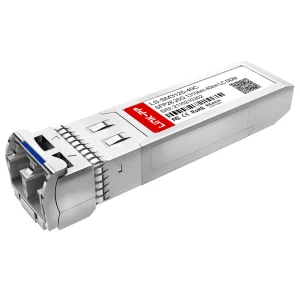
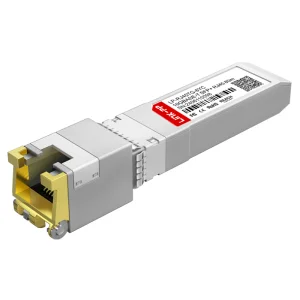
We offer both legacy copper RJ11 components and high-speed optical transceivers to support hybrid network upgrades throughout New Zealand.
Examining how these legacy interfaces support critical modern systems in local sectors.
In New Zealand's agriculture sector, environmental monitoring is key. Many soil moisture sensors, weather stations, and telemetry systems use RJ11/RJ12 interfaces for analog data transmission due to their simplicity and reliability. Our unshielded 6P6C/6P4C connectors link sensor probes to battery-powered LoRaWAN gateways, facilitating remote data collection in regional areas.
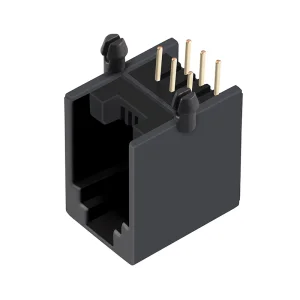
Many legacy security systems in commercial buildings rely on dial-up telephone connections to communicate with monitoring centers. As traditional copper lines are retired, system integrators use VoIP-based adapters and cellular dialers that still interface via RJ11 ports. Our high-durability through-hole jacks provide reliable physical connections in these setups.
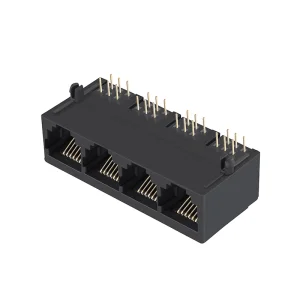
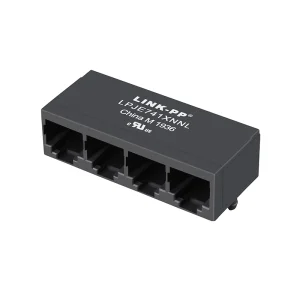
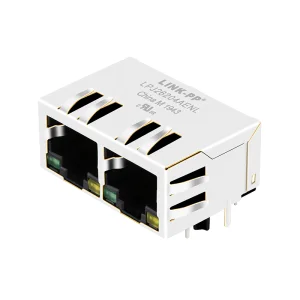
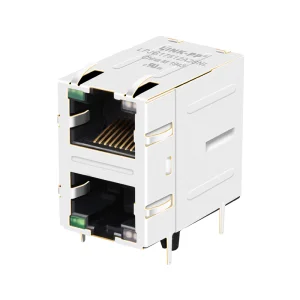
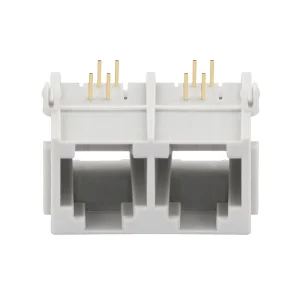
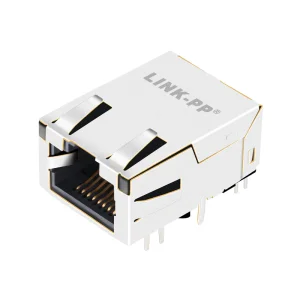
Electric, gas, and water meters in remote or suburban areas often use modular phone line connectors for diagnostics and wired communications. The robust design of our 1x4 and 1x1 multi-port jacks ensures these interfaces continue to function reliably in outdoor and industrial enclosures over long operational lifecycles.
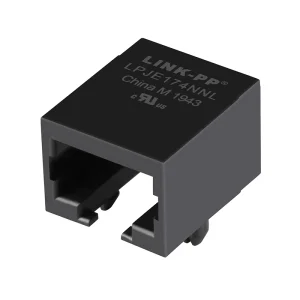
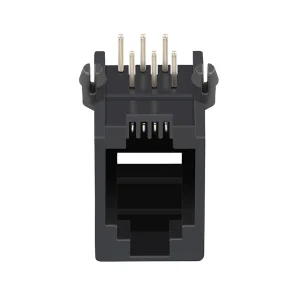
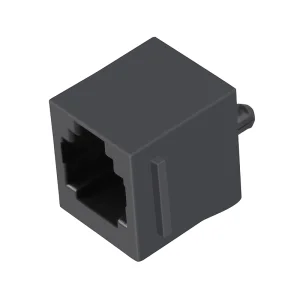
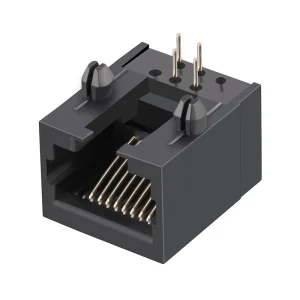
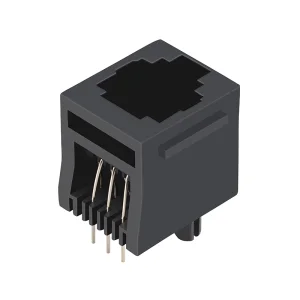
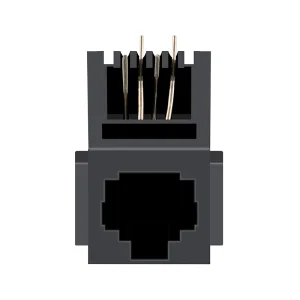
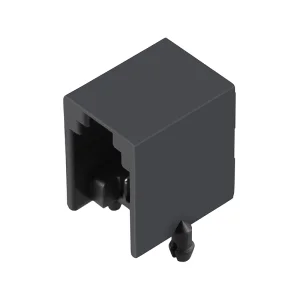
We supply a variety of configurations, including unshielded, side entry, top entry, and multi-port options, to meet different PCB layout requirements.
The evolution of copper connectivity: How legacy modular interfaces are adapting to modern network demands.
Modern printed circuit board assembly (PCBA) relies on Automated Optical Inspection (AOI) and high-speed surface-mount technology (SMT) reflow lines. Older connector designs that only support through-hole soldering can create assembly bottlenecks. To address this, modern RJ11 and RJ45 jacks are designed with heat-resistant materials like Liquid Crystal Polymers (LCP), allowing them to withstand temperatures up to 260°C during reflow processes.
Additionally, modern board designs require low-profile, right-angle, and space-saving orientations. Inverted (Tab-up) layouts help optimize component layout on multi-layer PCBs, giving design engineers more flexibility.
For demanding industrial environments, standard modular jacks are often housed in IP67 or IP68 rated enclosures to protect against dust and water ingress. This is particularly important for outdoor telecommunication boxes and agricultural sensors in New Zealand, where moisture and dust can lead to connection failures.
Our connectors maintain precise physical tolerances that ensure tight fits within protective shells, helping system designers secure reliable IP-rated seals for their end products.
A reliable partner for optical transceivers and high-performance physical connectivity solutions globally.
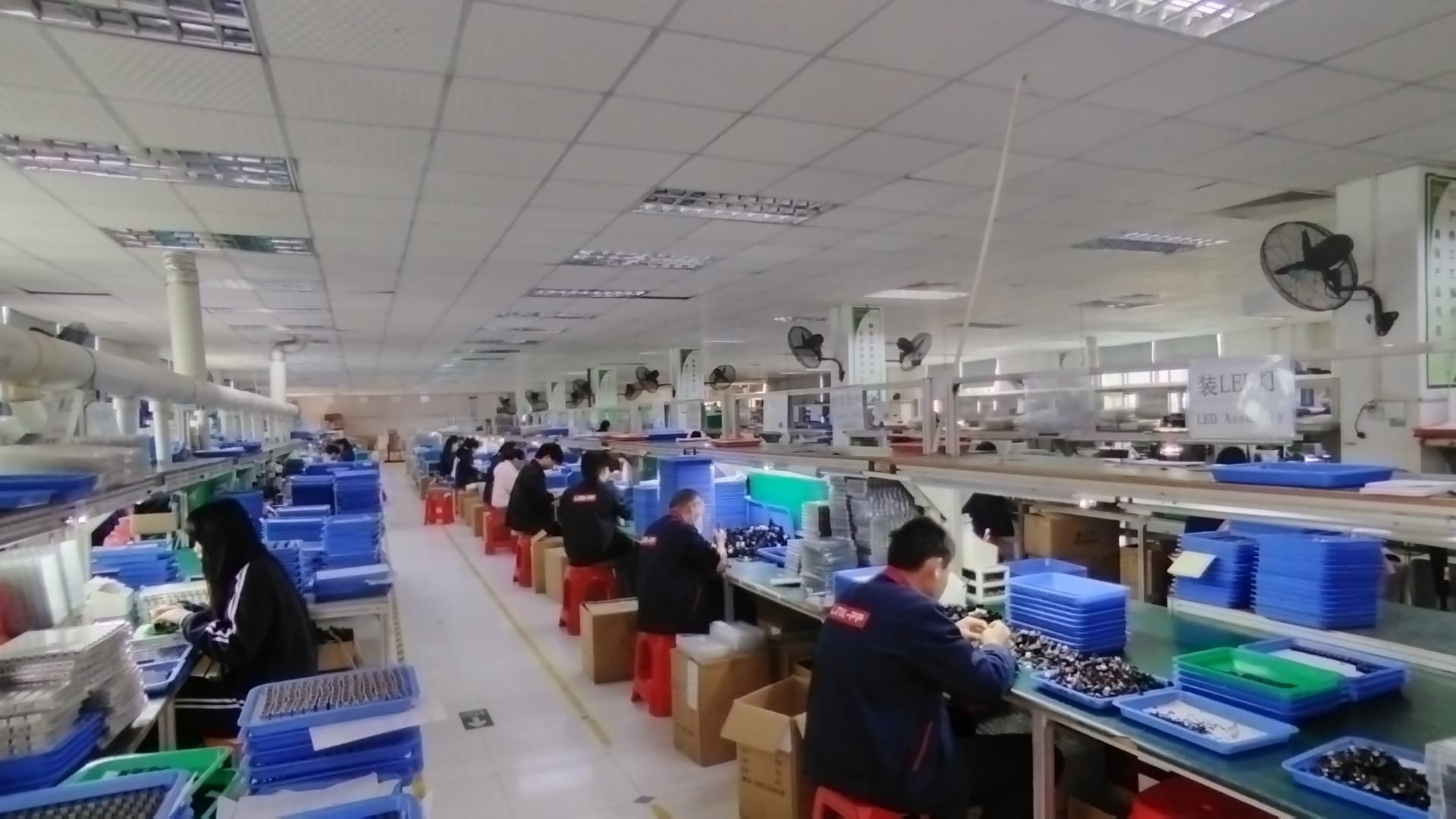
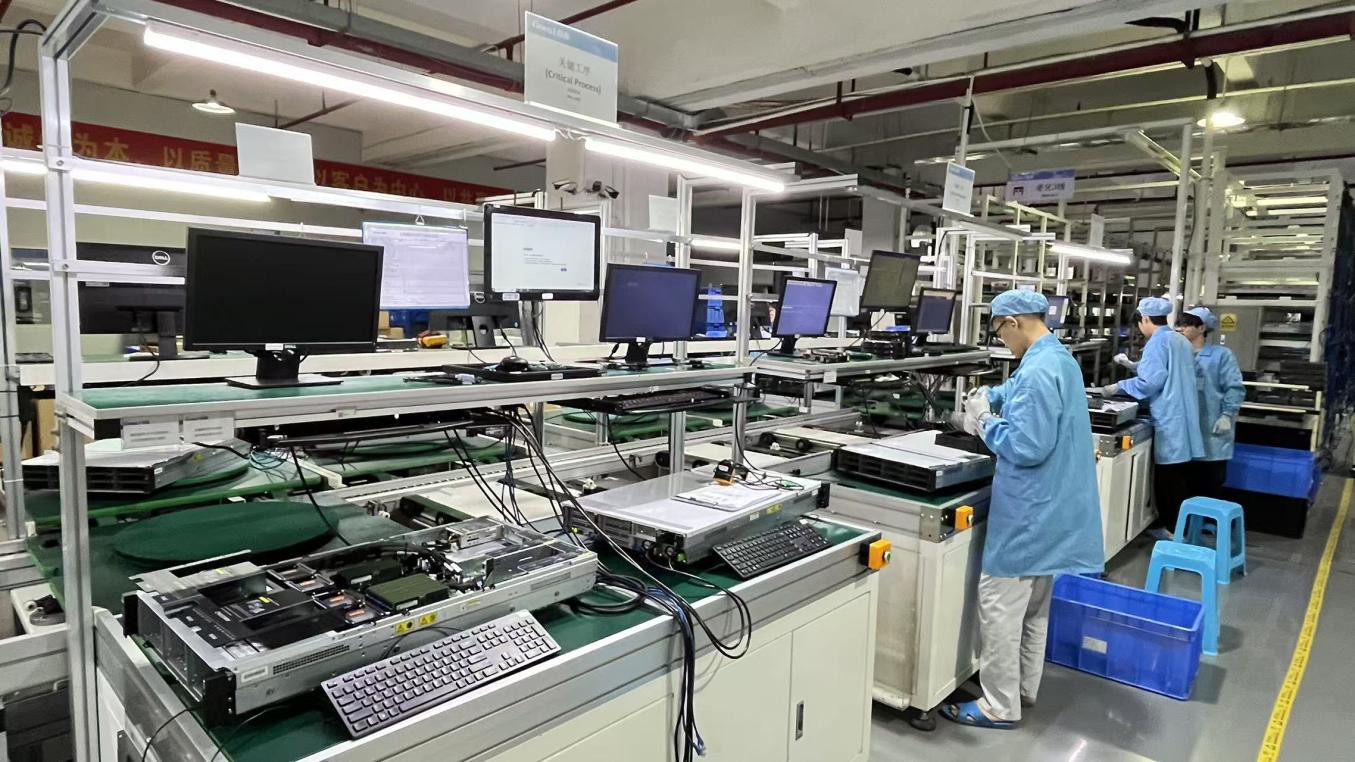
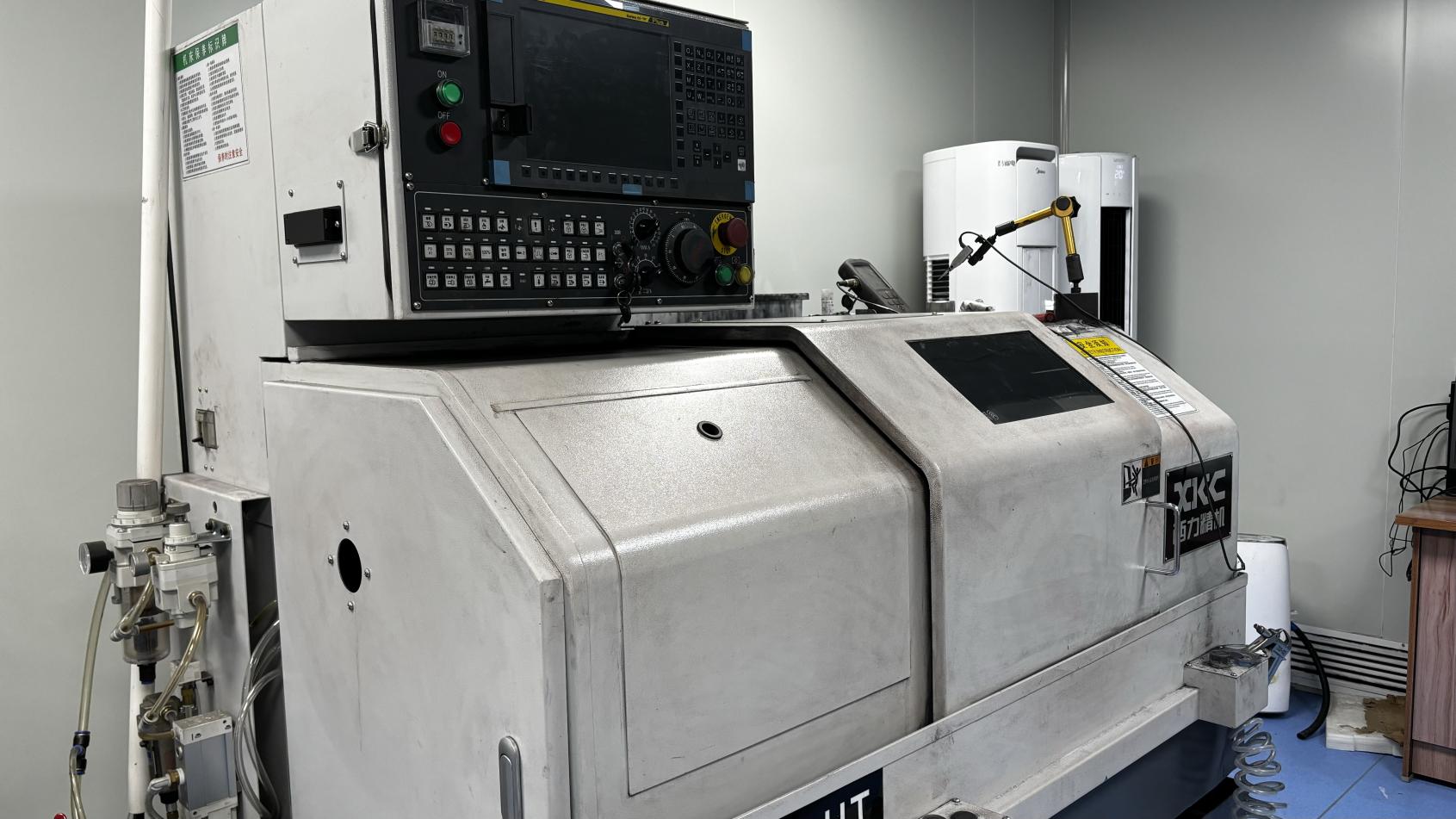
Established in 2016, Xelivor Optoelectronics Co., Ltd. is a manufacturer of optical transceivers, fiber connectivity solutions, and physical layer copper interfaces. Operating from a modern manufacturing facility covering 386 m², we serve the global data center, telecom, enterprise network, and cloud computing industries.
With over 8 years of industry experience and 6 years of export experience, Xelivor has reached an annual export revenue of over USD 12 million. Our products are exported to North America, Europe, Southeast Asia, the Middle East, and South America, supporting a wide range of network applications.
We specialize in the design, development, and production of connectivity products, including SFP, SFP+, SFP28, QSFP28, QSFP-DD, OSFP, DAC, and AOC solutions. Backed by our R&D team of 68 engineers, we continuously invest in product innovation and launched more than 85 new products last year to support high-speed networks.
Quality is a core focus of our operations. Our quality management system includes incoming material inspection, in-process quality control, aging tests, compatibility verification, optical parameter testing, and final inspections. A dedicated quality assurance team of 32 inspectors ensures every batch of products meets international standards before shipment.
We maintain long-term partnerships with more than 850 supply chain partners, enabling stable raw material sourcing, efficient production, and reliable delivery. Our production processes support OEM, ODM, private label, customized firmware, and customized packaging services to meet diverse customer needs.

Answering common technical, regulatory, and logistics questions about sourcing RJ11 connectors for New Zealand.
Whether you are designing a new IoT monitoring device for the agritech sector or updating network hardware for New Zealand's telecom infrastructure, we can supply the necessary connectivity components. Contact us for technical datasheets, free samples, and wholesale pricing.
Send Inquiry Now