Xelivor
Xelivor
Xelivor
Optimized for high-density switches, media soundstages, and local edge computing architectures.
Los Angeles is not just a hub of cultural expression; it is one of the world's most critical carrier-neutral network connection centers. With massive facilities such as the landmark One Wilshire building acting as the primary gateway for transpacific undersea cables, Southern California demands robust hardware solutions to handle hyperscale workloads. The rapid expansion of local media streaming hubs (Netflix, Disney, Warner Bros. Discovery in Burbank and Hollywood), aerospace R&D nodes in El Segundo, and the "Silicon Beach" technology cluster in Venice and Santa Monica has pushed local connectivity demands to new thresholds.
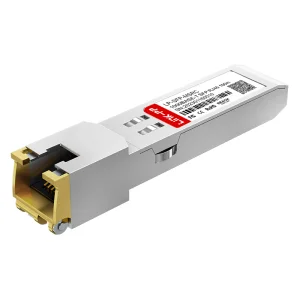
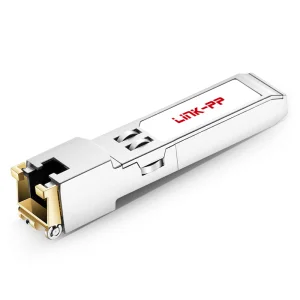
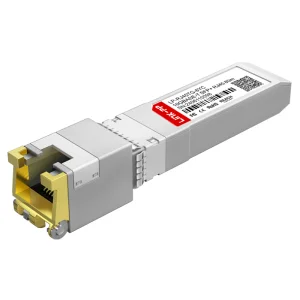
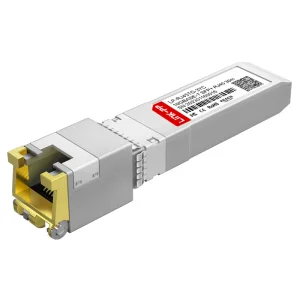
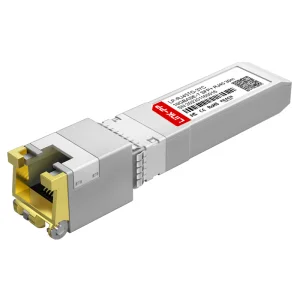
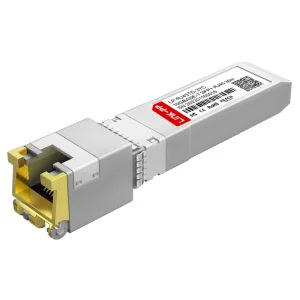
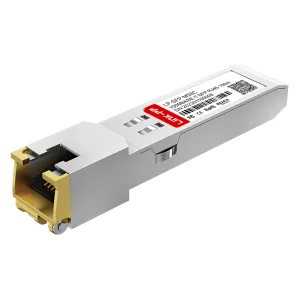
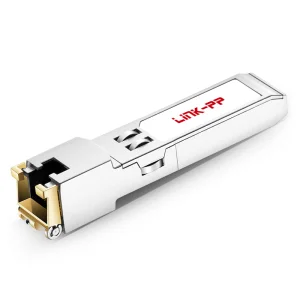
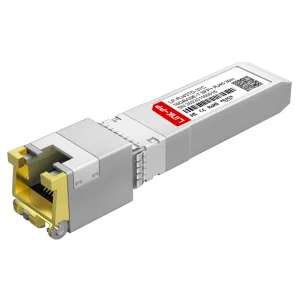
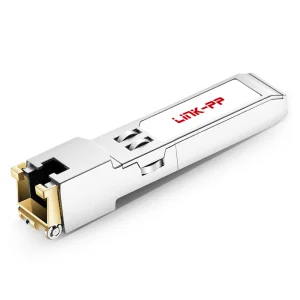
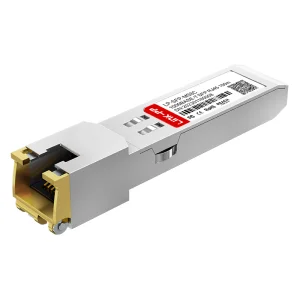
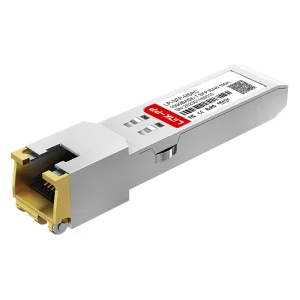
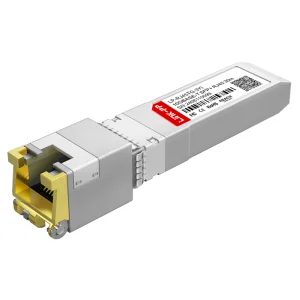
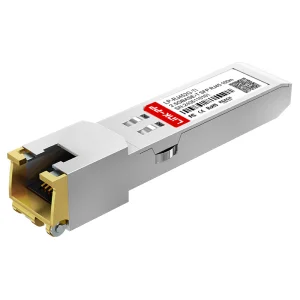
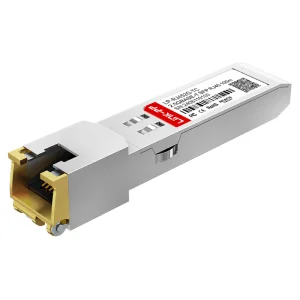
For network architects in Los Angeles, replacing entire structured copper backbones with fiber optic lines isn't always financially viable or logistically feasible, especially in historic commercial zones. This is where high-quality RJ45 Copper SFP (Small Form-factor Pluggable) transceivers become indispensable. By allowing standard Ethernet Cat6a and Cat7 copper cables to bridge into high-speed SFP+ cages, they offer a highly cost-efficient interface conversion that maximizes existing infrastructure investments.
Many LA post-production audio/video studios and local enterprise centers rely heavily on localized high-speed storage (NAS) units. Transitioning to SFP+ copper modules allows engineers to directly interface 10GBASE-T storage arrays with core SFP+ switches over distances up to 30m, 80m, or even 100m without the thermal bottlenecks typically associated with legacy copper modules.
"With local media post-production pipelines moving from 4K to 8K, latency and reliable throughput on RJ45 interconnects are non-negotiable. MSA compatibility and heat control are the critical parameters defining successful network deployments."
Exploring the physics of heat dissipation, physical layer (PHY) chips, and auto-negotiation in modern copper modules.
Early iterations of 10GBASE-T SFP+ copper modules consumed up to 2.5W, leading to thermal shutdowns in dense switch configurations. Modern designs leverage advanced low-power PHY chipsets (like Marvell or Broadcom), bringing consumption down to 1.6W or lower, and enabling full deployment across adjacent switch ports.
With integrated SGMII (Serial Gigabit Media Independent Interface) and tri-speed support (10/100/1000Mbps), these transceivers seamlessly auto-negotiate between legacy networking gear and modern backbone hardware, reducing deployment overhead and configuration errors.
High-density data centers suffer from significant Electromagnetic Interference (EMI). Premium RJ45 SFPs feature heavily shielded, die-cast zinc alloy housings that isolate internal signals and protect against crosstalk, ensuring clean transmission over longer run lengths.
While 10GBASE-T remains the gold standard for backbone aggregation, the industry is witnessing an exponential surge in Multi-Gigabit Ethernet deployments. Driven by Wi-Fi 6/6E/7 access point installations and next-generation IoT edge devices, enterprise networks are shifting to 2.5G and 5G speeds. Standardizing on multi-rate SFP+ copper modules allows network operators to dynamically adjust link speeds without buying new hardware modules. This flexibility is critical for organizations throughout Greater Los Angeles that are scale-proofing office towers and campuses for hybrid workloads.
Navigating the global procurement landscape for network transceivers requires a deep understanding of compliance frameworks, hardware compatibility protocols, and supply chain logistics. For Los Angeles procurement managers, choosing an exporter is not just about price—it's about long-term reliability and compatibility assurances.
Multi-Source Agreement (MSA) Compliance: SFP transceivers must conform strictly to MSA guidelines to guarantee standard electrical interfaces, physical form factors, and signaling protocols. Without strict compliance, modules run the risk of lock-out on proprietary switch OS environments (such as Cisco IOS or Juniper Junos). As a trusted exporter, we ensure each batch undergoes strict cross-platform coding and verification testing, generating customized firmware to bypass vendor lock-ins.
Regulatory Certifications: Imports into the US market must satisfy FCC Part 15 Class B emissions standards, CE marking, and RoHS environmental declarations. Ensuring these safety and environmental protocols are verified at the source mitigates regulatory and delays at ports of entry like the Port of Los Angeles and LAX cargo hubs.
By leveraging established logistics lanes directly into Southern California, we optimize delivery timelines, bypassing multi-tiered local distribution costs.
Every module is programmed and tested in-house on target hardware (including Cisco, Arista, HPE, Juniper, and Ubiquiti) to guarantee plug-and-play performance.
Our global exporter services include standard multi-year replacement warranties and real-time remote engineering diagnostic support.
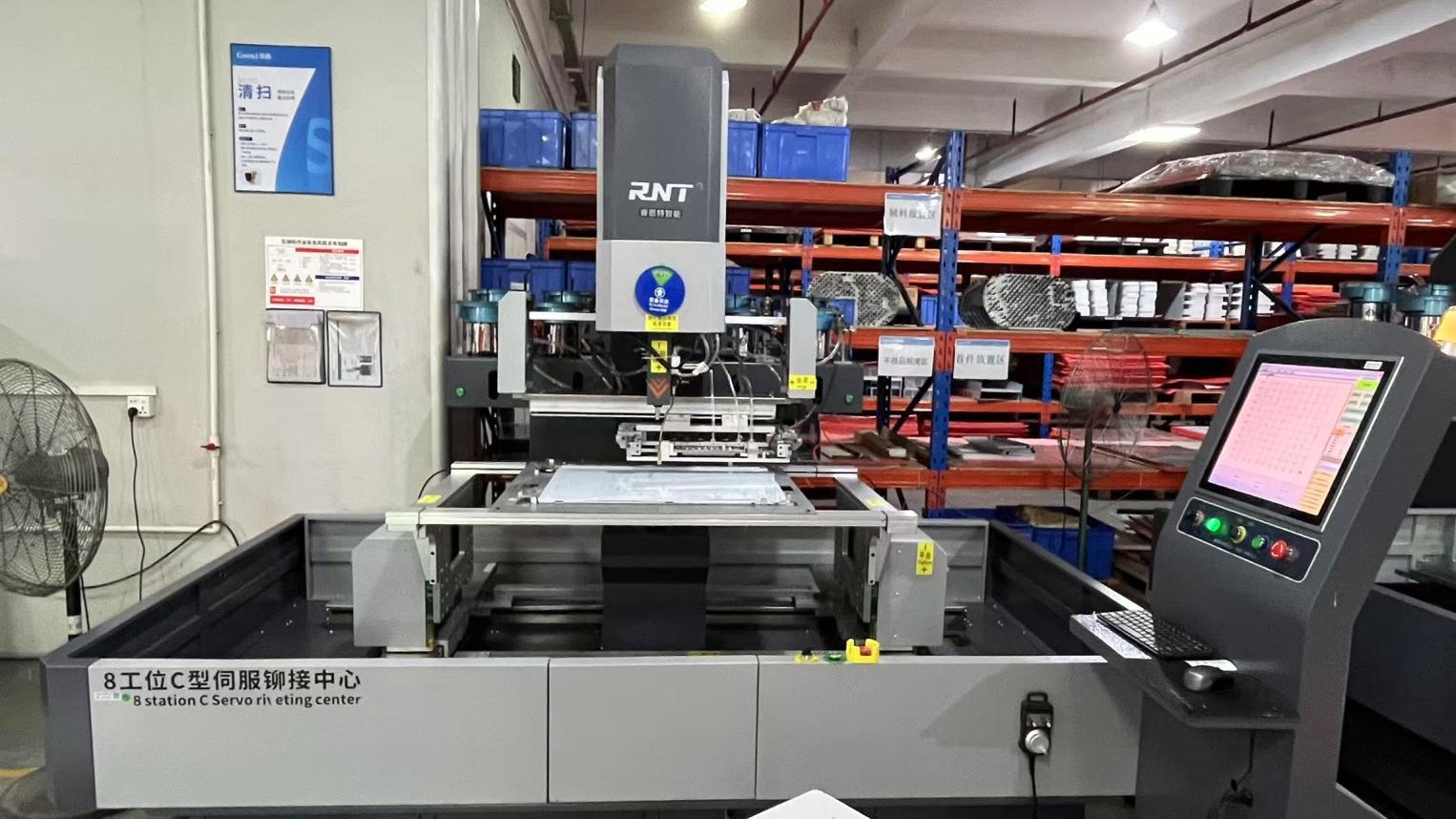
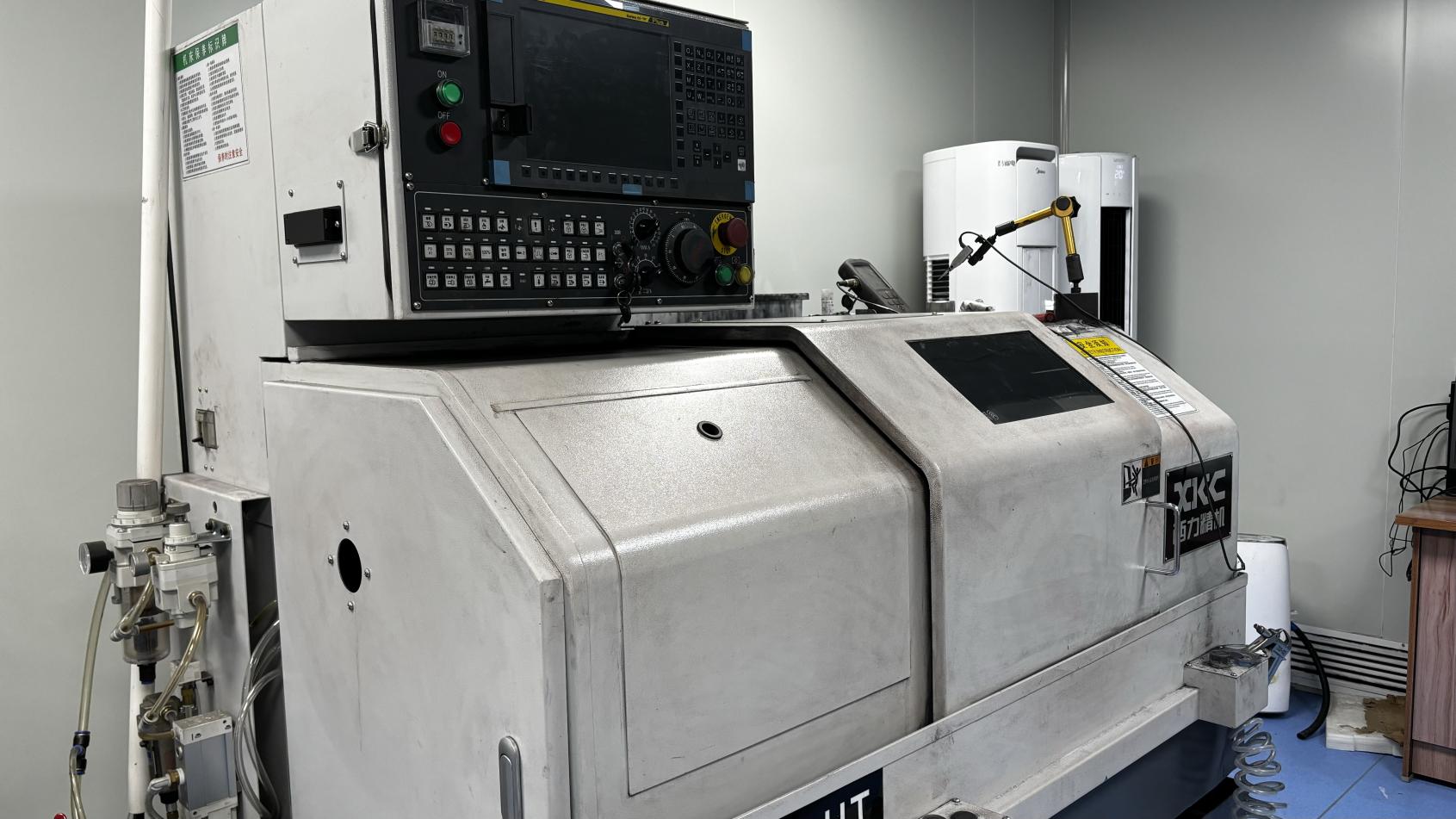
Empowering global connectivity through strict quality systems, research innovation, and robust manufacturing facilities.
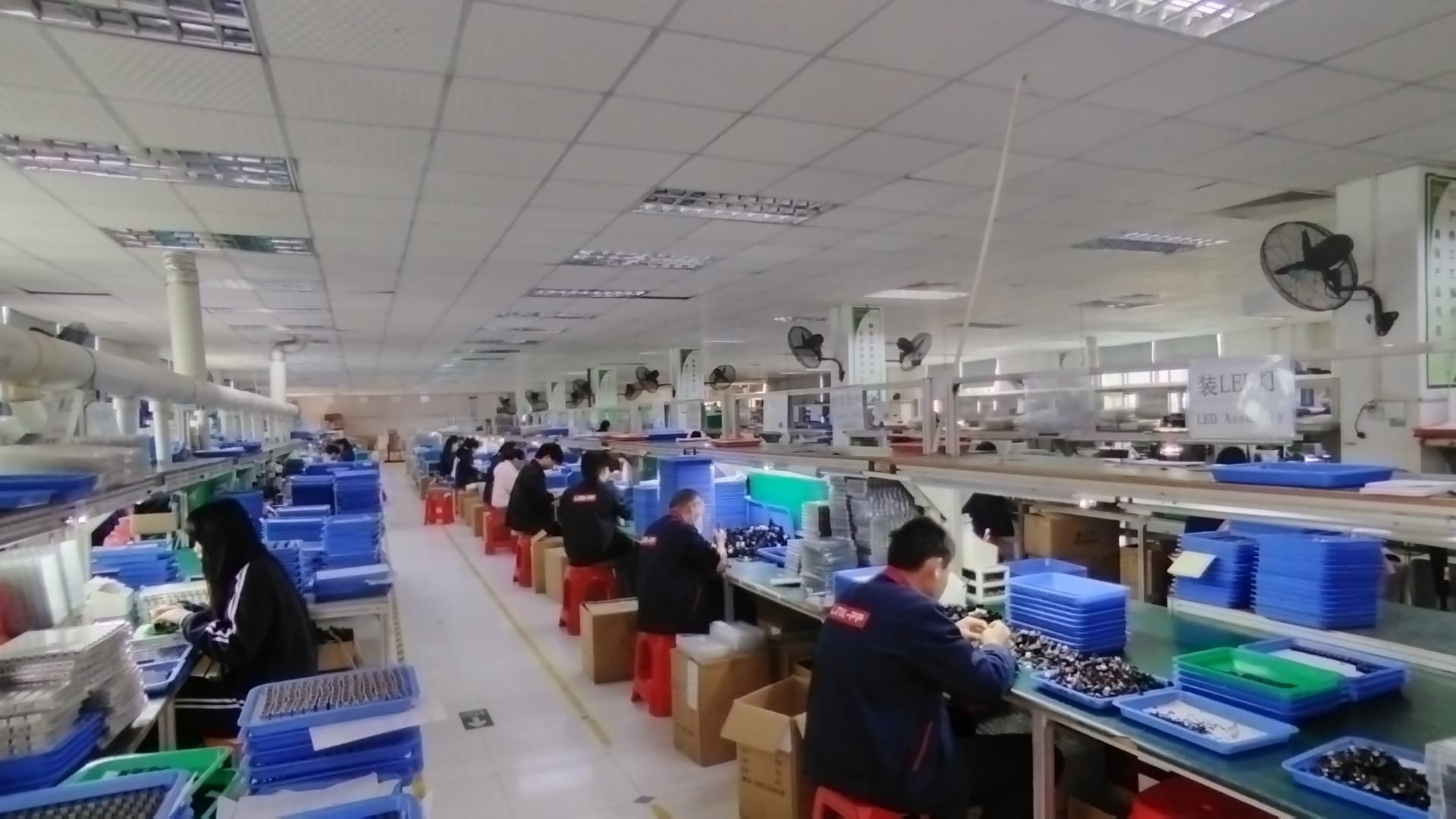
Xelivor Optoelectronics Co., Ltd. is a professional manufacturer of optical transceivers and fiber connectivity solutions, dedicated to serving global data center, telecom, enterprise network, and cloud computing industries. Established in 2016, the company operates from a modern manufacturing facility covering 386 m² and has built a strong reputation for delivering reliable, high-performance optical communication products worldwide.
With over 8 years of industry experience and 6 years of export experience, Xelivor has achieved annual export revenues exceeding USD 12 million. Our products are exported to customers across North America, Europe, Southeast Asia, the Middle East, and South America, supporting a wide range of networking applications from enterprise infrastructure to hyperscale data centers.
Xelivor specializes in the design, development, and production of optical transceivers, including SFP, SFP+, SFP28, QSFP28, QSFP-DD, OSFP, DAC, and AOC solutions. Backed by a dedicated R&D team of 68 engineers, the company continuously invests in innovation and launched more than 85 new products in the past year to meet the evolving demands of high-speed optical networks.
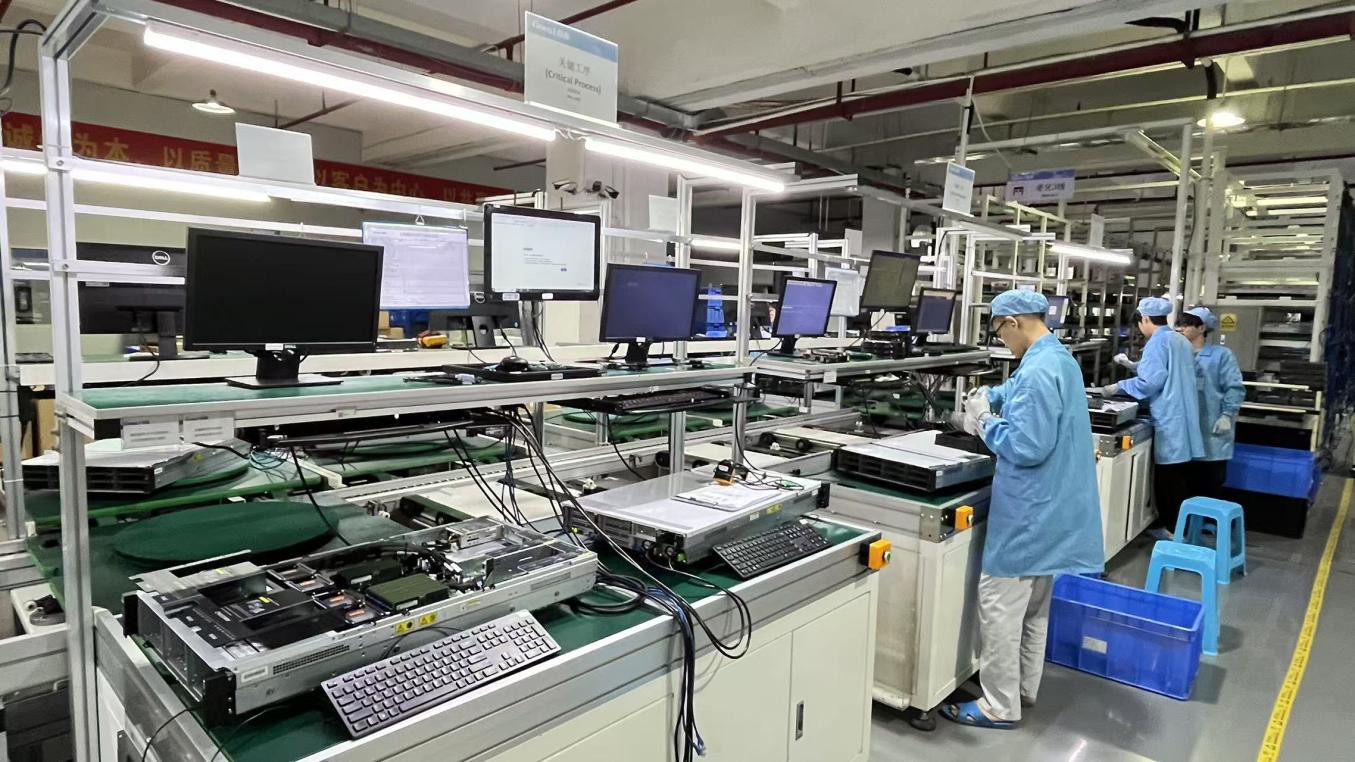
Quality is at the core of our operations. Our quality management system incorporates incoming material inspection, in-process quality control, aging tests, compatibility verification, optical parameter testing, and final product inspection. A professional quality assurance team of 32 inspectors ensures every product meets strict international standards before shipment.
The company maintains long-term cooperation with more than 850 supply chain partners, enabling stable sourcing, efficient production, and rapid delivery capabilities. Our flexible manufacturing system supports OEM, ODM, private label, customized firmware, customized labeling, and packaging services to satisfy diverse customer requirements.
Manufacturing Experience
Dedicated R&D Engineers
Annual Export Value
Supply Chain Partners
Engineered for extreme reliability, fully cross-compatible, and optimized for Los Angeles infrastructure requirements.
How data center density and the rollout of multi-gig configurations shape hardware developments.
As networks scale toward 100G and 400G backbones, physical layers undergo rapid refinement. While optical fibers handle long-haul connectivity, copper components remain essential for short-reach, high-density inter cabinet links. The emergence of the 25GBASE-T standard represents the next frontier, attempting to push standard RJ45-style layouts or specialized copper links up to 30 meters over advanced twisted-pair cabling systems (Cat8).
This technical evolution requires exporters and manufacturing engineers to collaborate closely. From refining signal pre-emphasis in internal PHY chipsets to developing custom-coded digital diagnostics monitoring (DDM) tools, suppliers must adapt to prevent interoperability problems. The modern network designer does not just buy a part; they seek a strategic manufacturing partner who can verify compatibility across complex software ecosystems.
Key technical considerations for network engineers and procurement managers in Los Angeles.
A: Standard 10GBASE-T SFP+ copper modules support distances up to 30 meters over Cat6a/Cat7 cables due to power consumption restrictions (typically limited to 1.6W-2.0W within standard SFP+ slots). However, specialized long-reach models can extend up to 80m or 100m over Cat6a, provided the switches can handle the elevated heat profile and supply sufficient current.
A: Xelivor integrates low-power PHY architectures (under 1.5W per module) and utilizes custom die-cast housings for improved heat dissipation. This design allows operators to install adjacent RJ45 SFP+ modules without risking thermal limits or experiencing packet loss.
A: Yes. All Xelivor transceivers undergo custom EEPROM coding before shipment. We provide specific configuration files matching Cisco GLC-TE, SFP-10G-T-X, or HPE/Aruba J8177D standards, ensuring seamless integration and preventing vendor lock-out alerts.
A: SGMII allows the host interface to communicate with a PHY that operates at different speeds (10/100/1000Mbps). This enables auto-negotiation, letting modern switches connect to legacy routers, industrial machinery, or older servers over simple copper links.
Get in touch with Xelivor's engineering team to configure customized transceivers optimized for your specific hardware architecture and distribution targets in Southern California.