Xelivor
Xelivor
Xelivor
Engineered for low insertion loss, cross-talk attenuation, and structural longevity in mission-critical networks.
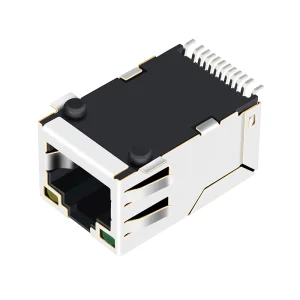
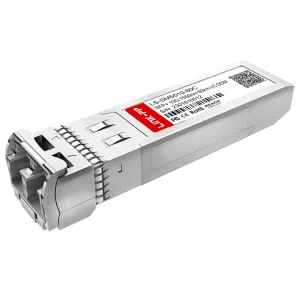
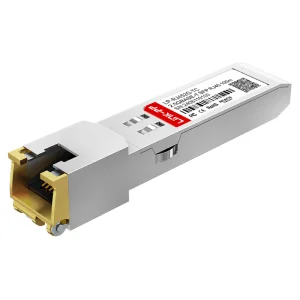
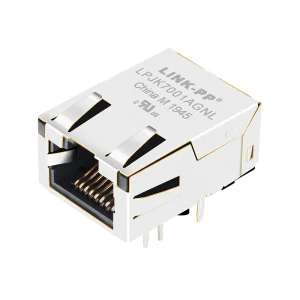
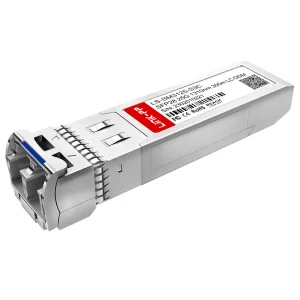
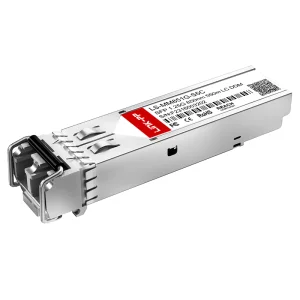
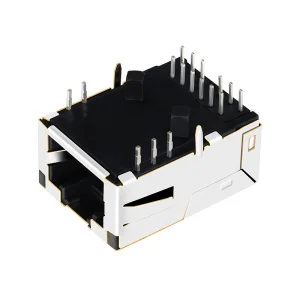
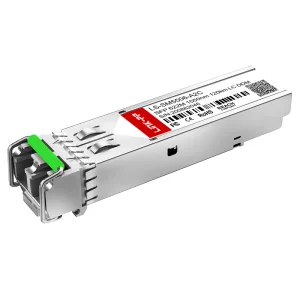
In modern enterprise cabling, the RJ45 patch panel serves as the central neural hub, bridging horizontal distribution cabling to core active switches. Designing and manufacturing patch panels capable of sustaining 10Gbps data streams (Cat6A and Cat8) without signaling degradation demands comprehensive management of high-frequency electromagnetic metrics. Near-End Crosstalk (NEXT), Far-End Crosstalk (FEXT), and Alien Crosstalk (AXT) must be systematically suppressed.
As transmission frequencies escalate from 100 MHz (Cat5e) to 250 MHz (Cat6), 500 MHz (Cat6A), and eventually 2,000 MHz (Cat8), the vulnerability to signal leakage increases exponentially. To combat this, precision manufacturing utilizes differential pair routing within the internal printed circuit board (PCB) of the patch panel. For Cat6A/8 configurations, compensation capacitors and inductors are embedded directly onto the PCB matrix, shifting phase to cancel out differential noise. In unshielded twisted pair (UTP) environments, physical distance layout optimization and metallic structural partitions isolate ports, reducing Alien Crosstalk to margins far exceeding TIA/EIA-568.2-D expectations.
Modern structured cabling does not merely transmit signal; it powers IoT gateways, surveillance arrays, and high-performance wireless access points. Delivering up to 90W-100W of Power over Ethernet (IEEE 802.3bt Type 4) presents significant challenges in thermal accumulation. Xelivor's engineering focuses on contact geometry design and gold-plating thickness. Our contacts leverage 50 micro-inch gold plating over nickel, preventing erosion caused by the electrical arcing that occurs when disconnecting live PoE lines. Furthermore, our metal housing is configured with airflow channels, providing structural support while acting as a passive heat sink to lower localized temperatures by 8–12°C.
An objective breakdown of economic integration, raw material availability, and rigorous standards compliance.
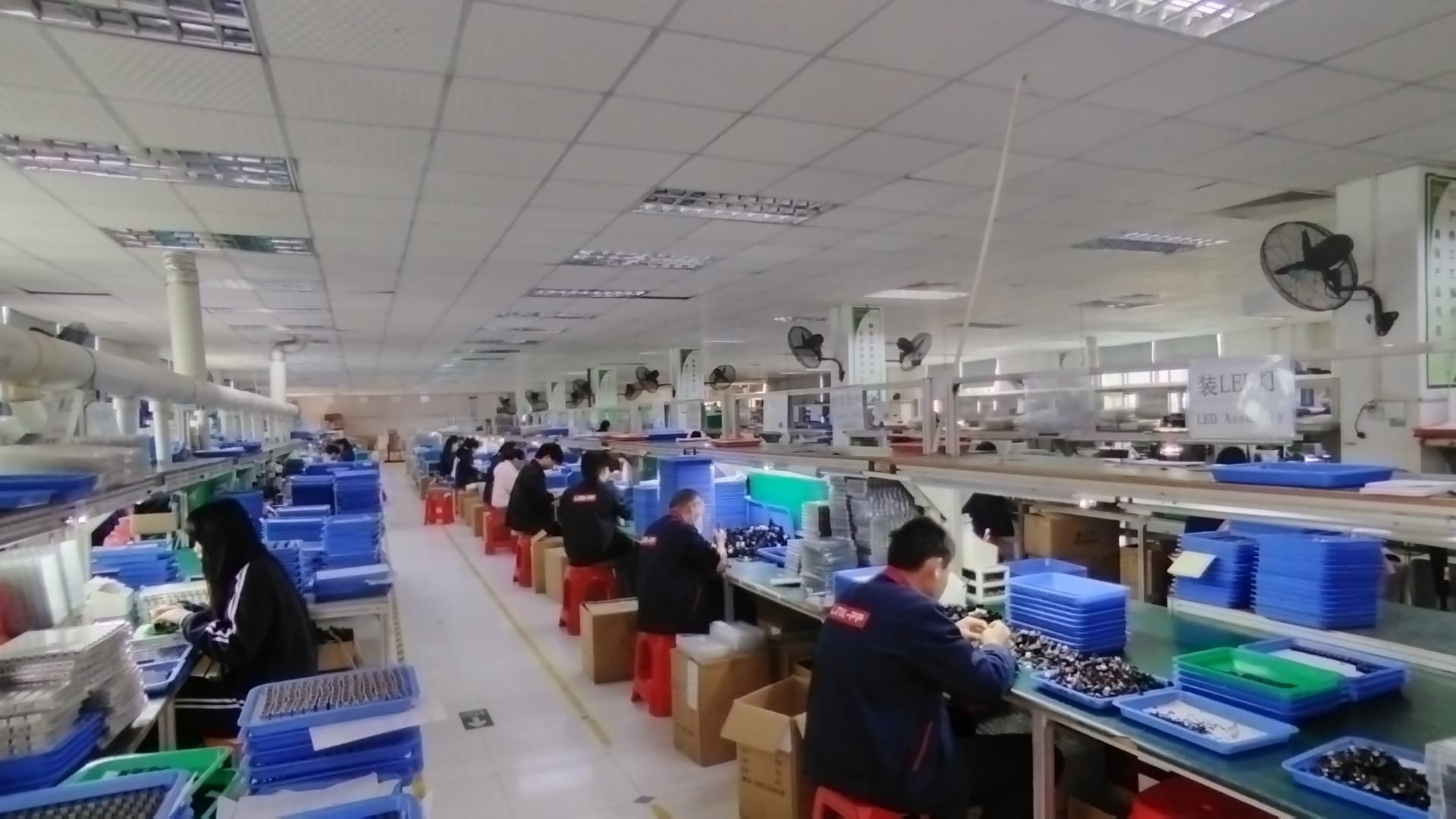
China's industrial zones integrate copper refining, precision stamping, and polymer compounding (such as UL 94V-0 flame-retardant polycarbonate) within tightly grouped regional networks, minimizing logistics lead times and material overhead.
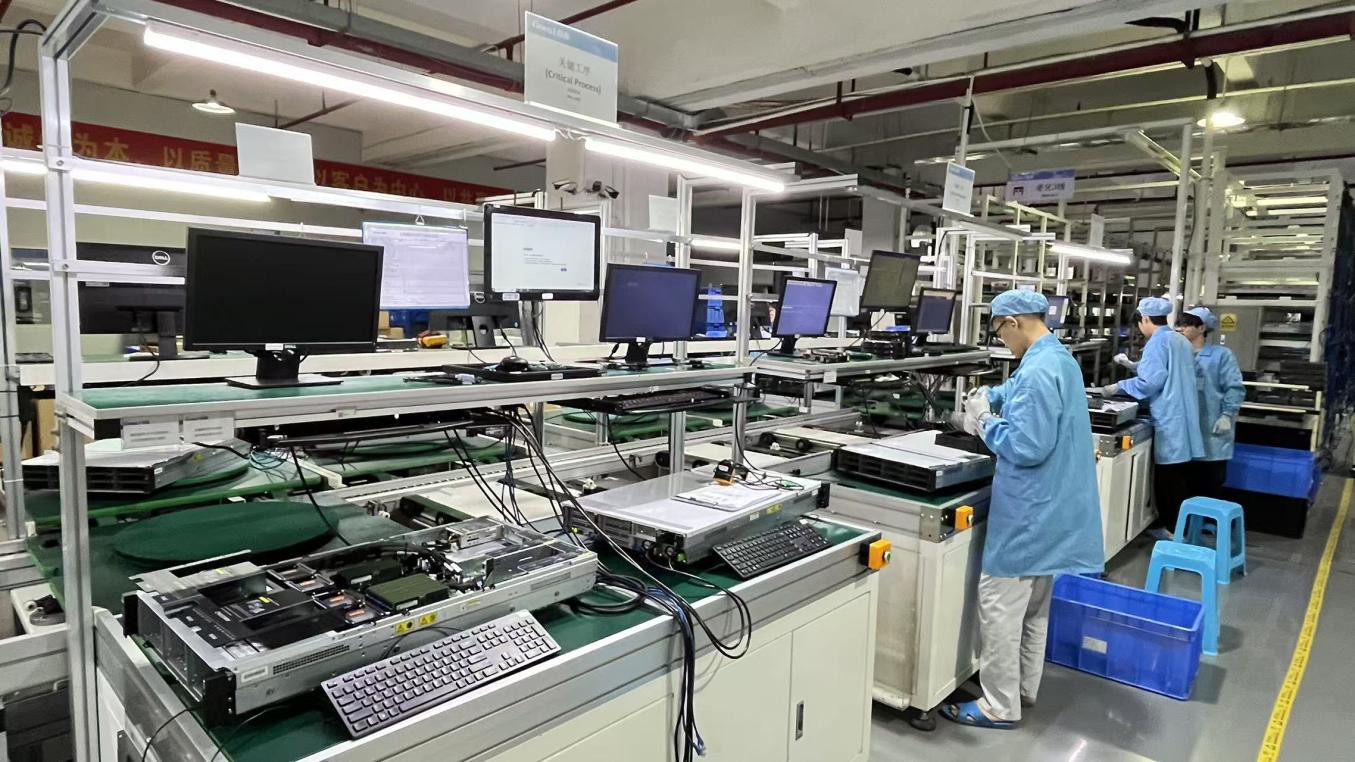
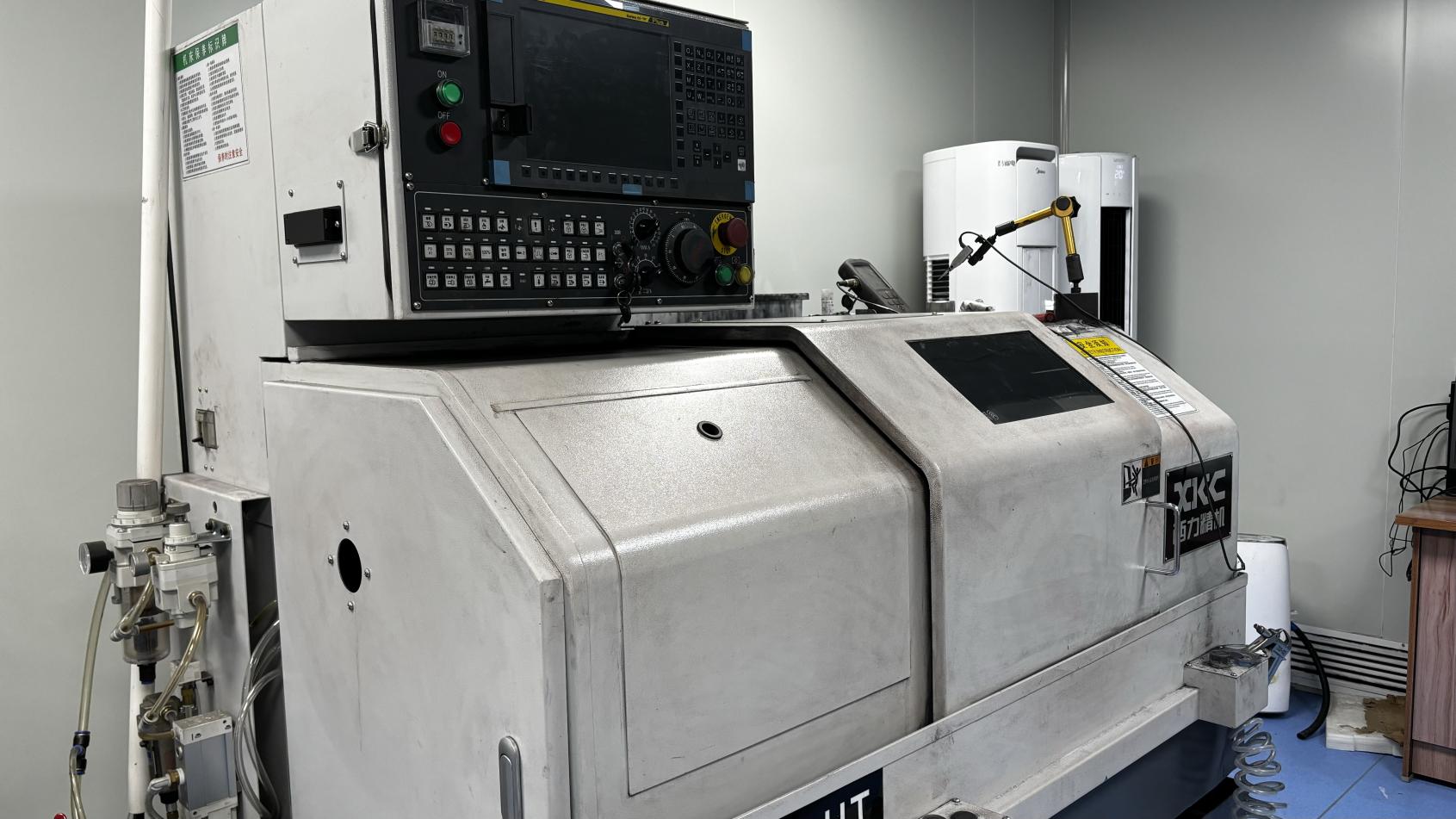
Our facilities employ automated visual inspection (AOI) systems alongside automated terminal crimping. This ensures consistent mechanical tolerances, keeping contact pressure within the 100g minimum requirement standard.
China's export-tier factories support 100% component-level patch panel testing rather than just channel-level testing. This guarantees that each individual port meets ANSI/TIA standards before shipping.
Xelivor Optoelectronics Co., Ltd. is a professional manufacturer of optical transceivers and fiber connectivity solutions, dedicated to serving global data center, telecom, enterprise network, and cloud computing industries. Established in 2016, the company operates from a modern manufacturing facility covering 386 m² and has built a strong reputation for delivering reliable, high-performance optical communication products worldwide.
With over 8 years of industry experience and 6 years of export experience, Xelivor has achieved annual export revenues exceeding USD 12 million. Our products are exported to customers across North America, Europe, Southeast Asia, the Middle East, and South America, supporting a wide range of networking applications from enterprise infrastructure to hyperscale data centers.
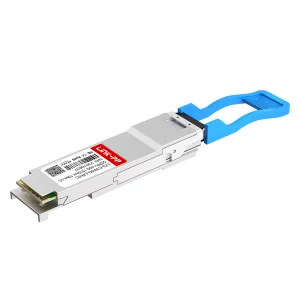
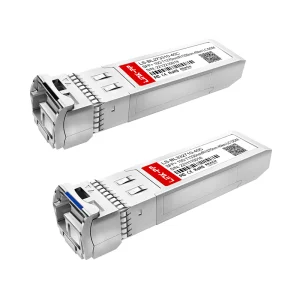
Xelivor specializes in the design, development, and production of optical transceivers, including SFP, SFP+, SFP28, QSFP28, QSFP-DD, OSFP, DAC, and AOC solutions. Backed by a dedicated R&D team of 68 engineers, the company continuously invests in innovation and launched more than 85 new products in the past year to meet the evolving demands of high-speed optical networks.
Quality is at the core of our operations. Our quality management system incorporates incoming material inspection, in-process quality control, aging tests, compatibility verification, optical parameter testing, and final product inspection. A professional quality assurance team of 32 inspectors ensures every product meets strict international standards before shipment.
The company maintains long-term cooperation with more than 850 supply chain partners, enabling stable sourcing, efficient production, and rapid delivery capabilities. Our flexible manufacturing system supports OEM, ODM, private label, customized firmware, customized labeling, and packaging services to satisfy diverse customer requirements.
As a company with strong independent R&D capabilities, advanced testing equipment, and a customer-oriented approach, Xelivor serves distributors, system integrators, telecommunications operators, data center providers, network equipment vendors, and enterprise customers worldwide.

Ensuring cross-border compliance, physical rack-space standards, and regional electrical safety certifications.
Executing physical layer infrastructure deployments on a global scale requires meticulous alignment with regional regulations and installation environments. Enterprise network architectures cannot tolerate installation delays caused by non-conforming mounting dimensions or failed regulatory audits.
Compliance with EIA-310-E standards. All RJ45 patch panels are configured in standard 19-inch widths, with heights of 1U, 2U, or 4U, utilizing exact RU spacing to prevent physical misalignment in European ETSI or US standard server racks.
Mandatory alignment with RoHS (Restriction of Hazardous Substances) and REACH compliance, ensuring zero heavy-metal contamination and minimal off-gassing. Essential for installations within restricted environments like hospitals and schools.
Underwriters Laboratories certifications, including UL 1863 (Communication Circuit Accessories) and UL 94V-0. This ensures that the plastics used self-extinguish within 10 seconds of ignition, preventing fire spread along cable trunks.
Different enterprise environments require distinct patch panel configurations. For instance, in Hyperscale Data Centers, density is paramount. Angular patch panels are preferred here, as they direct cables directly into vertical managers, eliminating the need for horizontal cable management panels and saving valuable rack space. In contrast, Industrial Edge Locations require shielded FTP configurations to protect data transmissions from high-voltage EMI emitted by machinery. For Commercial Office Infrastructure, modular keystone patch panels offer maximum flexibility, allowing installers to mix copper (RJ45) and fiber (LC/SC) connectors within a single physical frame.
Key technologies shaping the future of enterprise structured cabling.
Intelligent patch panels now integrate microcontrollers and LEDs at each port. These systems sense connector insertion and removal, automatically updating the DCIM (Data Center Infrastructure Management) software database in real-time to eliminate mapping errors.
As IoT devices proliferate, Traditional 4-pair cabling is increasingly replaced by Single Pair Ethernet (10Base-T1L). Future patch panel designs will adapt to support these high-density, low-power connections over distances of up to 1,000 meters.
With latency limitations at 10G over copper, enterprise networks are transitioning core uplinks to fiber while maintaining copper for horizontal distribution. Integrated patch panels that support both media types are becoming the industry standard.
Technical answers to critical questions faced by network architects, procurement leads, and installers.
Ensure seamless data routing with our production-certified adapters, transceiver modules, and connectors.