Xelivor
Xelivor
Xelivor
High-performance optical transceivers, RJ45 filtered connectors, and modular jacks engineered to exceed ISO/IEC 11801 and ANSI/TIA-568.2-D Cat6 cabling standards.
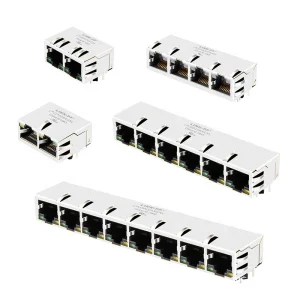
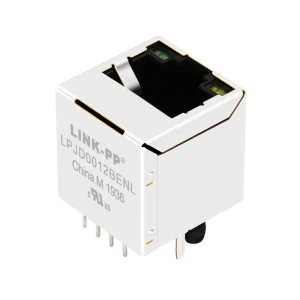
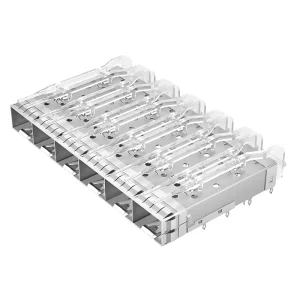
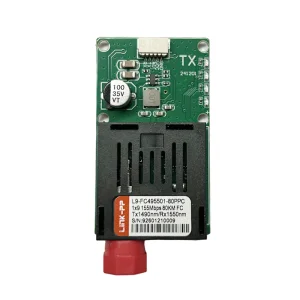
In the modern telecom and enterprise infrastructure sector, the query for a high-performance
While fiber optics dominate long-haul and backhaul networks,
Global market trends highlight an escalating transition to 2.5G/5G/10G Base-T applications. Sourcing from verified Chinese export operations ensures that compliance certifications such as UL, ETL, CE, and RoHS are thoroughly met, ensuring that the physical layer cabling does not become a bottleneck for enterprise networks.
How Chinese copper exporters leverage automated engineering, structural logistics, and rigorous laboratory verification to deliver unmatched compliance.
Utilizing modern high-speed planetary twisting machinery ensures precise helical pitch layouts for each copper pair. This engineering reduces Near-End Crosstalk (NEXT) and Power Sum NEXT, exceeding standard ANSI/TIA limits.
China's tier-1 exporters specify 99.99% Oxygen-Free Copper (OFC) solid conductors. Inferior Copper-Clad Aluminum (CCA) variants are strictly filtered out for enterprise exports, eliminating high DC resistance and fire hazards.
Each production run undergoes structural testing (channel and permanent link testing) using industry-standard Fluke networks analyzers. Exporters provide comprehensive reports validating Insertion Loss, Return Loss, and Delay Skew.
| Electrical Parameter | Cat5e Standard Requirement | Cat6 Standard (250 MHz) | Typical China Export Premium Grade |
|---|---|---|---|
| 100 MHz | 250 MHz | 350 - 550 MHz (Extended Headroom) | |
| ~22 dB @ 100 MHz | ~32.8 dB @ 250 MHz | < 31.2 dB @ 250 MHz (Superior Attenuation) | |
| 35.3 dB | 44.3 dB | > 48 dB (Low Crosstalk) | |
| N/A | 15.6 dB | > 18.5 dB |
Xelivor Optoelectronics Co., Ltd. is a professional manufacturer of optical transceivers and fiber connectivity solutions, dedicated to serving global data center, telecom, enterprise network, and cloud computing industries. Established in 2016, the company operates from a modern manufacturing facility covering 386 m² and has built a strong reputation for delivering reliable, high-performance optical communication products worldwide.
With over 8 years of industry experience and 6 years of export experience, Xelivor has achieved annual export revenues exceeding USD 12 million. Our products are exported to customers across North America, Europe, Southeast Asia, the Middle East, and South America, supporting a wide range of networking applications from enterprise infrastructure to hyperscale data centers.
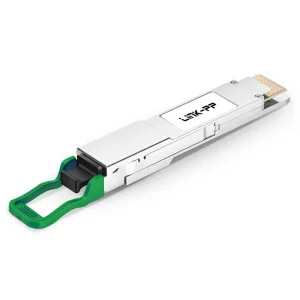
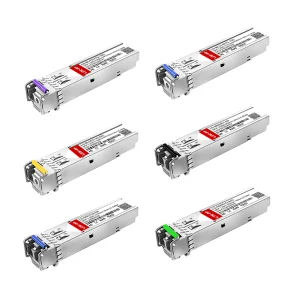
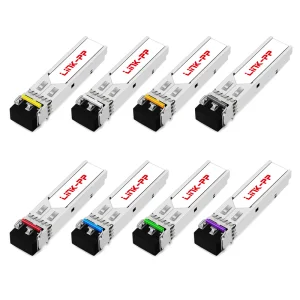
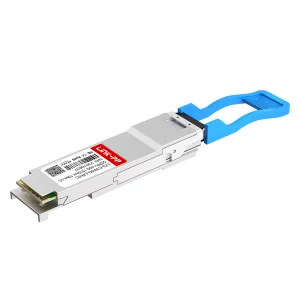
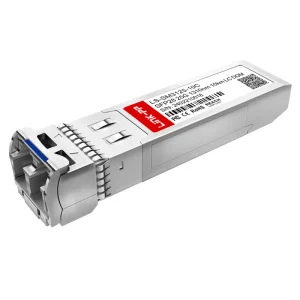
Xelivor specializes in the design, development, and production of optical transceivers, including SFP, SFP+, SFP28, QSFP28, QSFP-DD, OSFP, DAC, and AOC solutions. Backed by a dedicated R&D team of 68 engineers, the company continuously invests in innovation and launched more than 85 new products in the past year to meet the evolving demands of high-speed optical networks.
Quality is at the core of our operations. Our quality management system incorporates incoming material inspection, in-process quality control, aging tests, compatibility verification, optical parameter testing, and final product inspection. A professional quality assurance team of 32 inspectors ensures every product meets strict international standards before shipment.
The company maintains long-term cooperation with more than 850 supply chain partners, enabling stable sourcing, efficient production, and rapid delivery capabilities. Our flexible manufacturing system supports OEM, ODM, private label, customized firmware, customized labeling, and packaging services to satisfy diverse customer requirements.
As a company with strong independent R&D capabilities, advanced testing equipment, and a customer-oriented approach, Xelivor serves distributors, system integrators, telecommunications operators, data center providers, network equipment vendors, and enterprise customers worldwide.


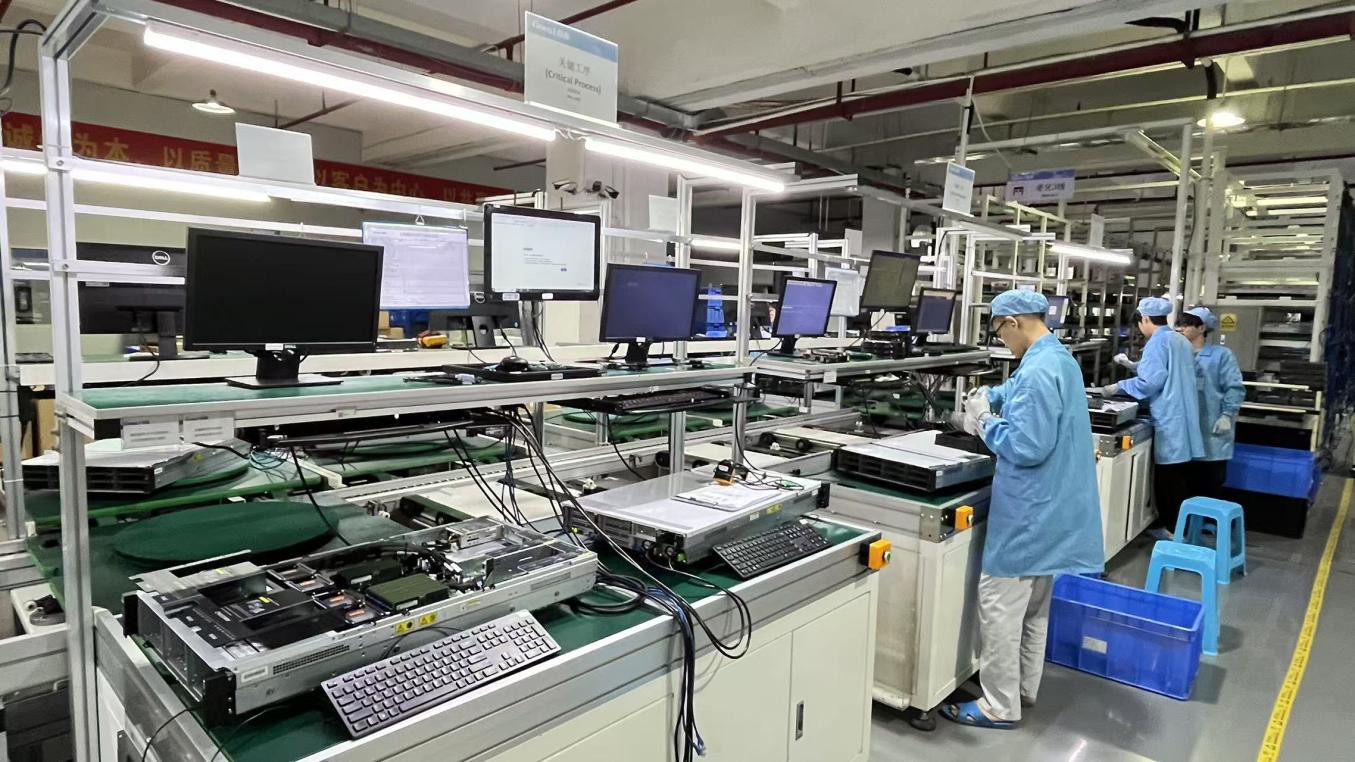
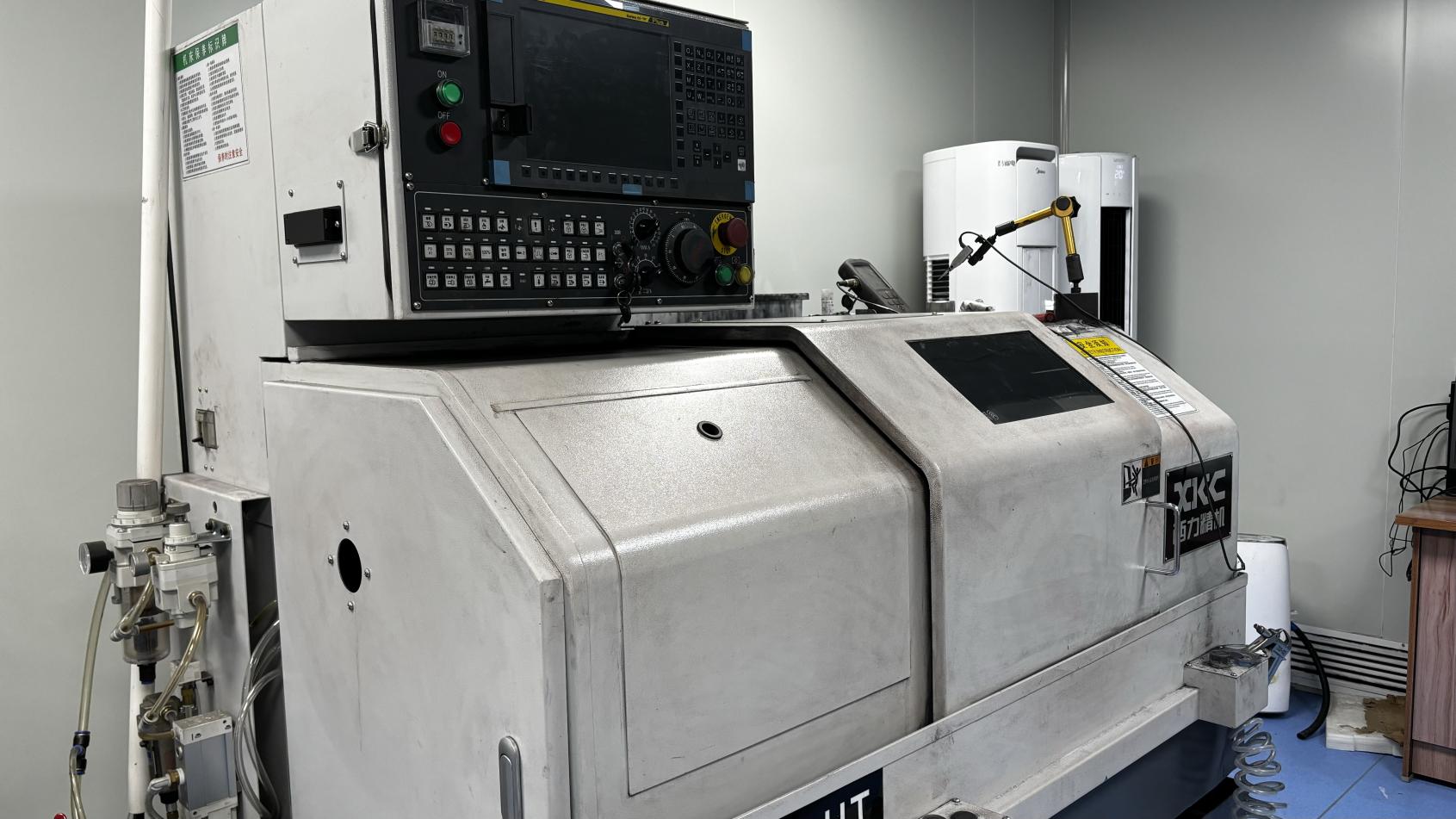
Why structural engineers and project coordinators design cabling layouts with specific shielding topologies for localized application scenarios.
In standard corporate campuses, unshielded (UTP) Cat6 cables are routed through drop ceilings and raised floors. System integrators prioritize plenum-rated (CMP) flame retardant jackets to meet NFPA safety codes while provisioning bandwidth for PoE-driven VoIP devices and centralized database access.
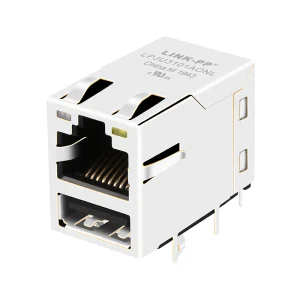
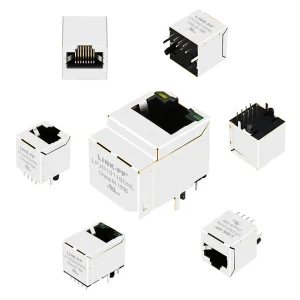
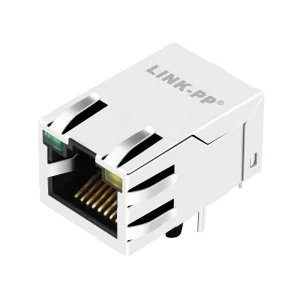
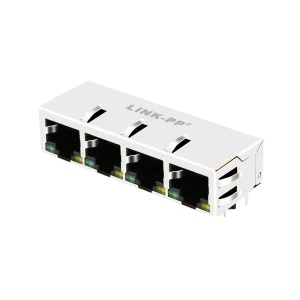
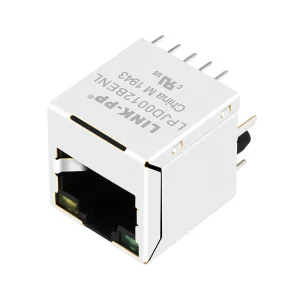
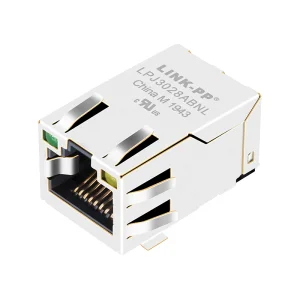
High-density switches utilize RJ45 MagJack filtered connectors in conjunction with localized Cat6/Cat6a patch panels. While fiber handles inter-row core switching, copper provides critical out-of-band management channels, server monitoring ports, and local SAN storage system connections.
Industrial settings are saturated with high-voltage machinery and heavy EMI. Exporters provide specialized overall shielded (F/UTP) and double-shielded (SF/UTP) Cat6 cables equipped with ground wires and drain wires. These structures prevent EMI from corrupting PLC commands and automated assembly networks.
Answering the critical engineering and logistics questions that telecom distributors and network contractors ask during high-volume wholesale procurement.
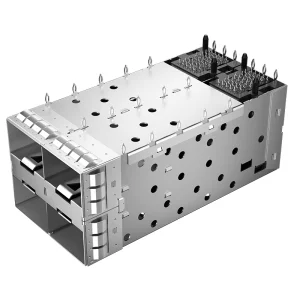
Premium optoelectronic transceivers, SFP cages, and female RJ45 connectors designed for carrier-grade networks and extreme industrial conditions.