Xelivor
Xelivor
Xelivor
Direct from Xelivor's high-speed production line: Standard and customized networking components designed to eliminate packet drop and minimize insertion loss.
In the modern era of cloud infrastructure, high-performance computing (HPC), and Industrial Internet of Things (IIoT), the physical layer remains the bedrock of network reliability. The humble RJ45 connector, evolved far beyond its telephonic origins, has transitioned into a highly sophisticated component. Modern RJ45 Cable Assemblies are engineered to support bandwidths up to 2000 MHz and speeds up to 40 Gbps under stringent standards, including Cat6A, Cat7, and Cat8 specs.
The global demand for high-reliability RJ45 cable assemblies is surging, driven by massive investments in hyperscale data centers, Edge computing sites, and the global roll-out of high-power Power over Ethernet (PoE++ / Type 4 up to 90W) devices. Enterprise buyers no longer view patch cables as simple commodities. Instead, network architects treat these assemblies as precision waveguides where impedance variation, insertion loss, and alien crosstalk (ANEXT) dictate the success of the overall network deployment.
Globally, enterprise procurement departments face challenges regarding signal degradation caused by sub-standard raw copper, poor shield termination, and thin, low-spec gold-plating on contacts. Meeting these demands requires partners who combine advanced mechanical engineering with rigorous electrical characterization and validation protocols.
Expanding Cat6A & Cat8 deployments to handle high-bandwidth backhauls and server-to-switch physical patching without signal attenuation.
Designing copper conductor geometries (22-24 AWG) to mitigate thermal buildup from continuous 90W power deliveries.
Utilizing individual pair shielding (S/FTP) and integrated ground drain wires to resist heavy electrical noise in industrial environments.
China's dominance in the global RJ45 and optical transceiver manufacturing space is built on highly integrated industrial clusters, advanced automated assembly lines, and unmatched supply chain responsiveness. The electronics manufacturing ecosystem in southern China provides instant, local access to raw copper of oxygen-free purity (99.99%), premium polymer formulations for low-smoke zero-halogen (LSZH) jacketing, and precision stamping components.
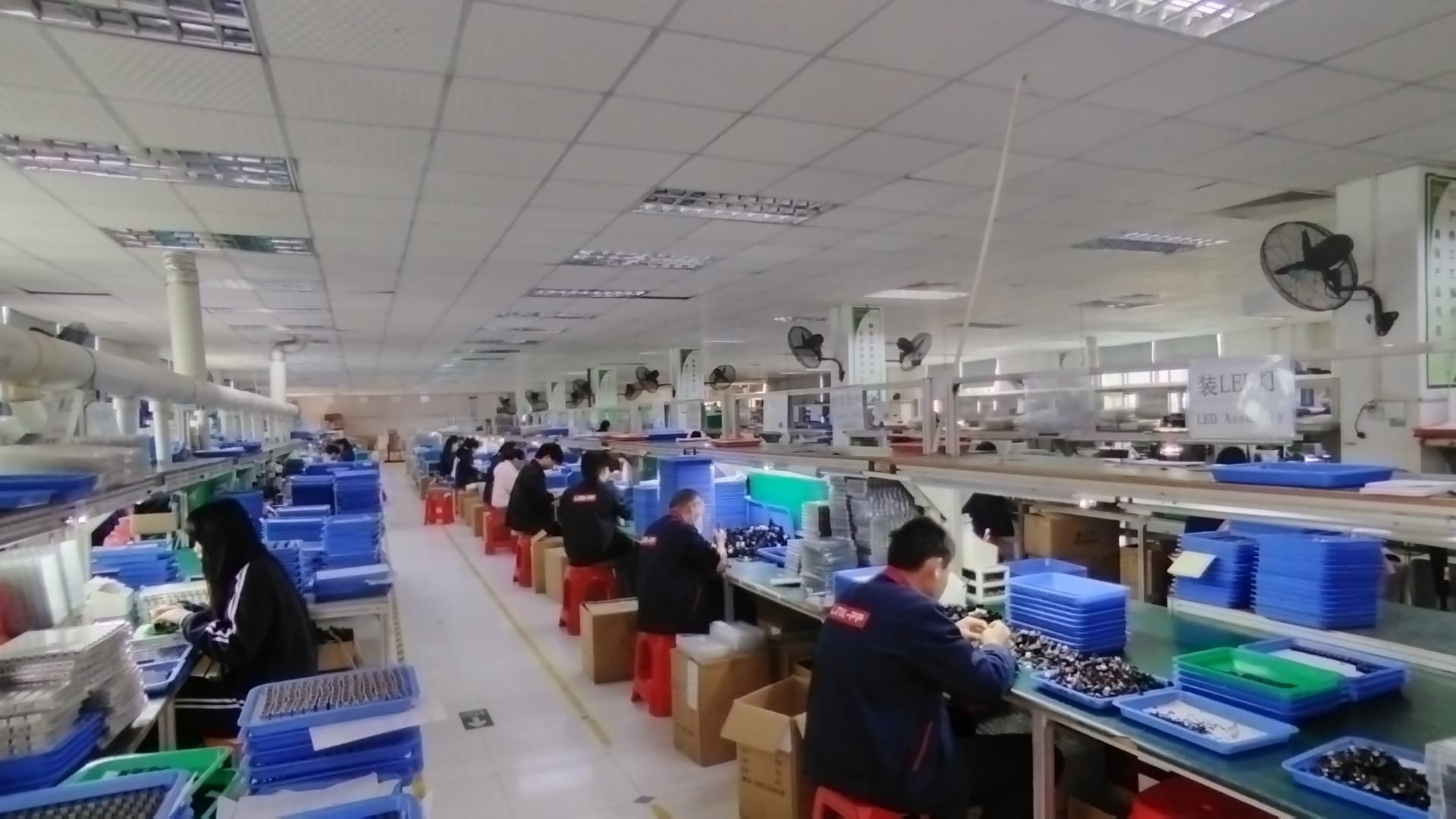
At Xelivor Optoelectronics Co., Ltd., we harness these localized advantages. Our facility operates with a structured management flow designed for rapid prototyping, production scaling, and end-to-end quality assurance. Supported by an experienced R&D team of 68 engineers, we bridge the gap between custom engineering requirements and large-scale manufacturing output. In the past year alone, we launched over 85 new products to address new developments in high-speed optical networks and specialized copper patch cables.
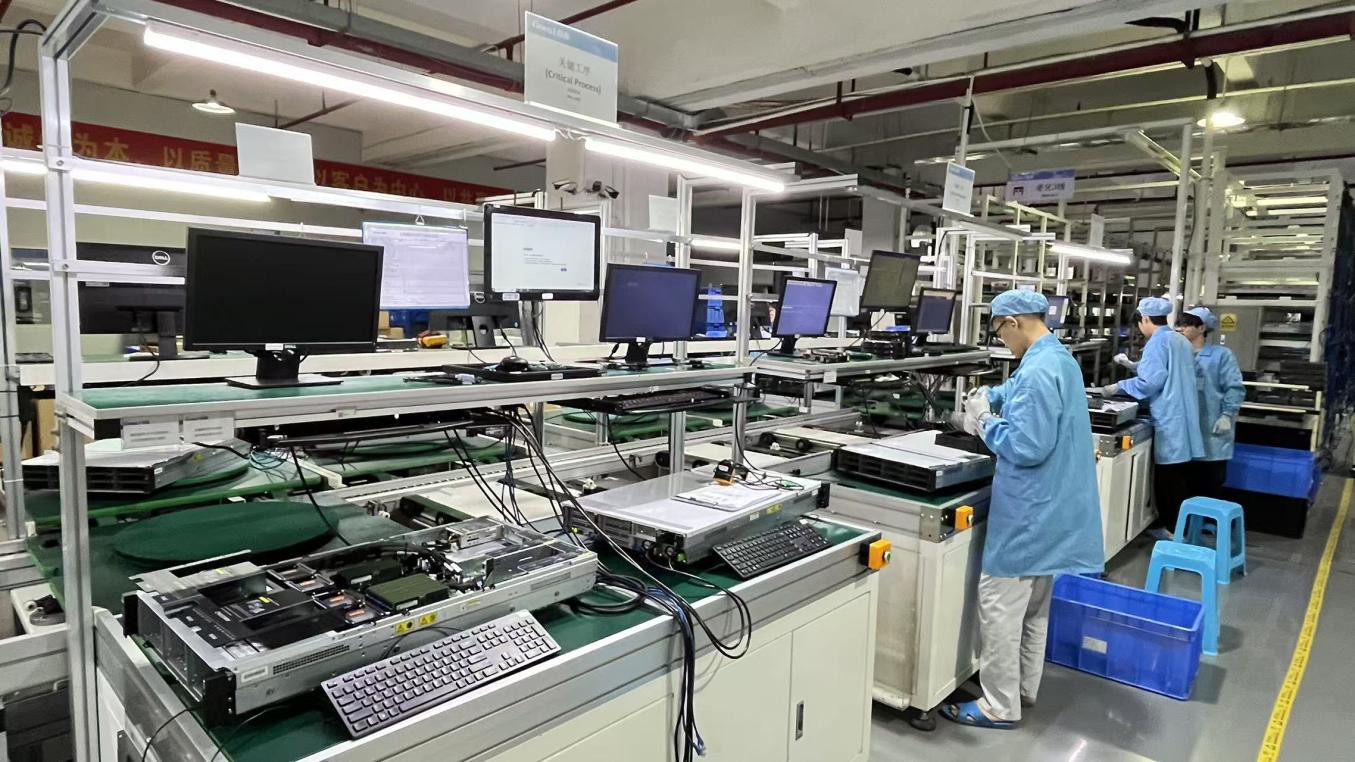
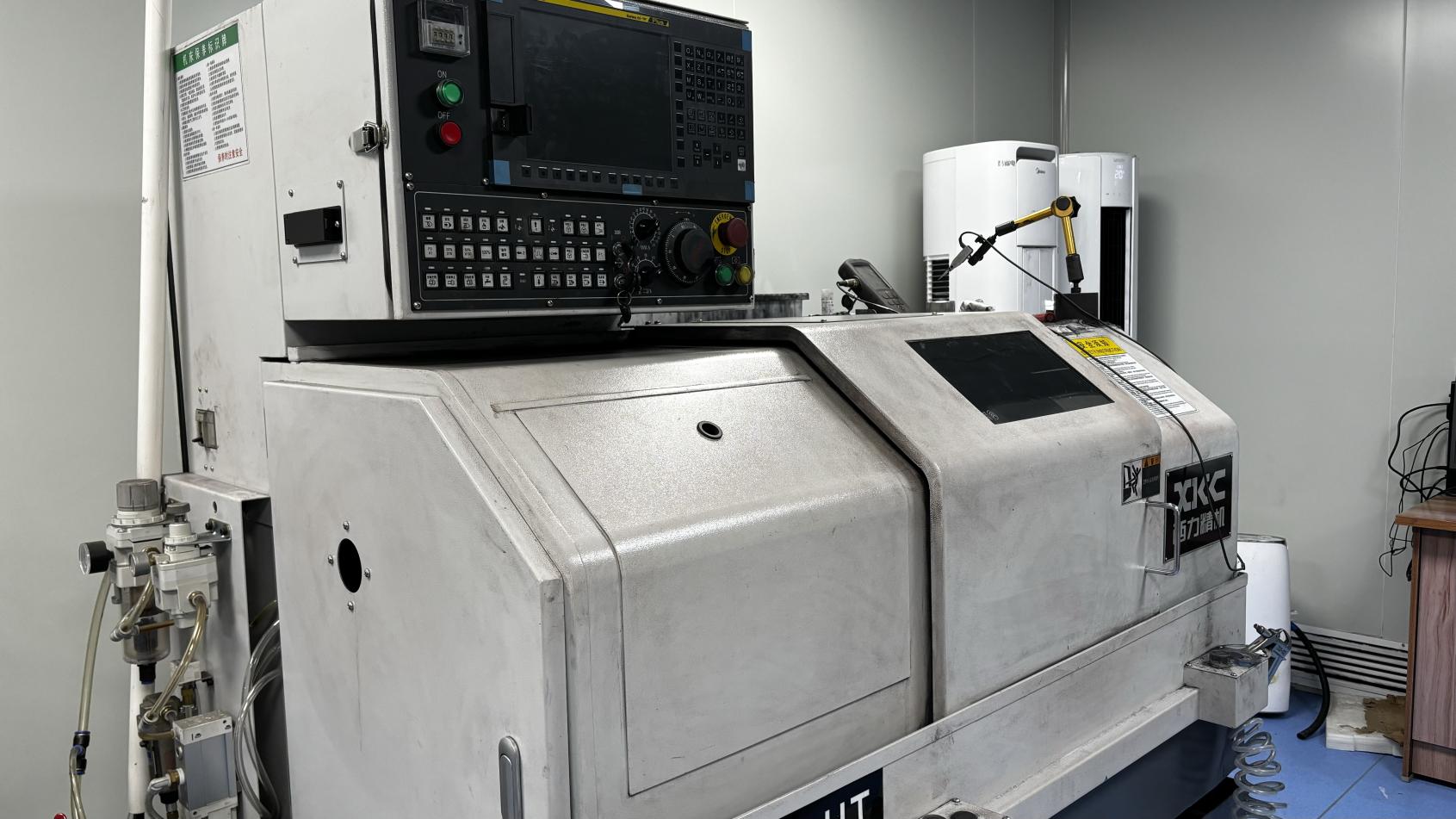
Additionally, our factory utilizes automated terminal crimping machines, automatic optical inspection (AOI) testers, and computerized network analyzers. This ensures that every assembly exhibits precise terminal crimp heights, complete shield coverage, and consistent impedance profiles of 100 ohms (+/- 5 ohms). Our extensive supply chain network of over 850 partners ensures stable material sourcing, protecting buyers from price volatility and lead-time delays.
Industrial and enterprise environments present distinct installation and operational challenges. A standard patch cable will fail prematurely under the mechanical stress of dynamic robotic tracks, the heat of a dense server stack, or the electromagnetic noise of heavy factory machinery. Choosing the right copper assembly requires mapping deployment conditions to specific cable categories and structures:
A technical guide to aligning application bandwidth requirements with physical cable construction parameters.
| Specification Parameter | Category 6 | Category 6A | Category 7 / 7A | Category 8 |
|---|---|---|---|---|
| Maximum Transmission Speed | 1 Gbps (10 Gbps up to 55m) | 10 Gbps | 10 Gbps | 25 Gbps / 40 Gbps |
| Bandwidth Capacity | 250 MHz | 500 MHz | 600 MHz / 1000 MHz | 2000 MHz |
| Standard Cable Construction | UTP / F/UTP | U/FTP or S/FTP | S/FTP (Individually Shielded) | S/FTP (Fully Shielded Pair) |
| Conductor Size Options | 24 AWG - 26 AWG | 23 AWG - 26 AWG | 22 AWG - 24 AWG | 22 AWG - 24 AWG |
| Max Channel Distance | 100 Meters | 100 Meters | 100 Meters | 30 Meters (Data Center only) |
| Target Environment | SOHO / Office LAN | Enterprise LAN / Data Center | Industrial Automation | Hyperscale Switch-to-Server |
For global procurement managers, system integrators, and telecom distributors, sourcing network infrastructure components requires rigorous risk management. A low initial price can be quickly offset by high on-site failure rates, compatibility issues, and shipping delays. Technical buyers prioritize quality, regulatory compliance, and testing verification.
At Xelivor, our Quality Management System covers every stage of production. From incoming material inspections (copper purity verification, gold thickness plating audits) to inline automated stripping and crimping, we enforce high standards. Every batch of our copper patch cables and RJ45 jacks undergoes automated testing, utilizing industry-standard network analyzers and Fluke DSX testers to verify performance. Our testing validates parameters such as:
With an annual export value exceeding USD 12 million and 6 years of export experience, we manage all international regulatory requirements. We provide documentation for RoHS, REACH, CE, and FCC compliance, ensuring smooth customs clearance and product integration for networks worldwide.
Answers to common technical questions from enterprise infrastructure buyers and network engineers.
Inside Xelivor's manufacturing facility: Precision tooling and automated quality checks ensure stable performance for every batch.

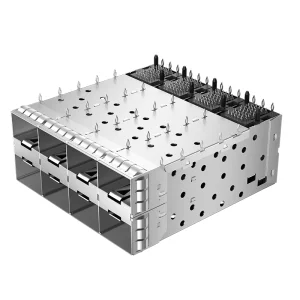
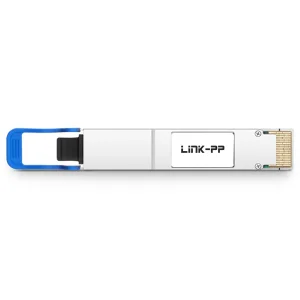
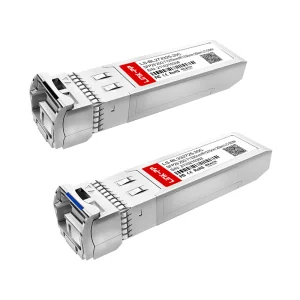
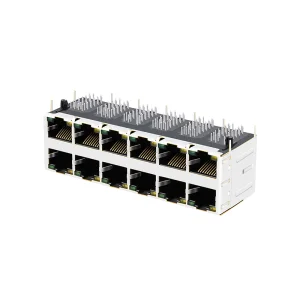
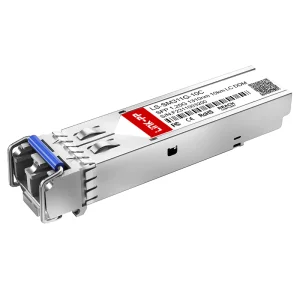
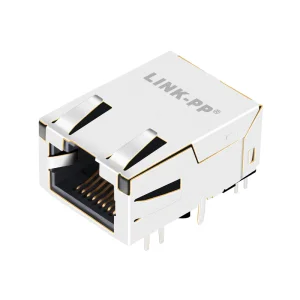
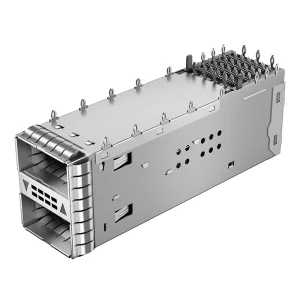
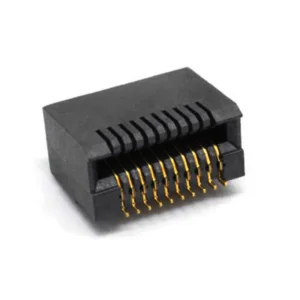
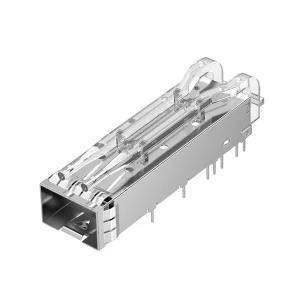
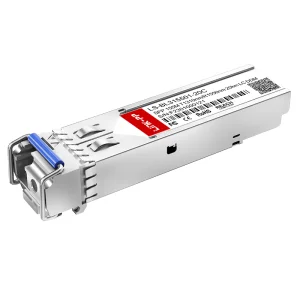
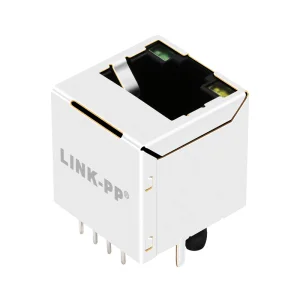
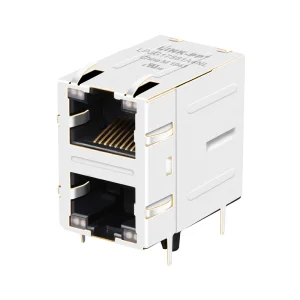
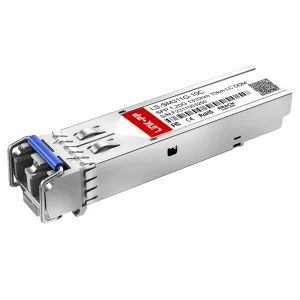
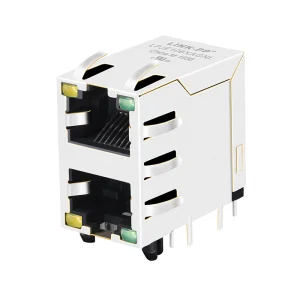
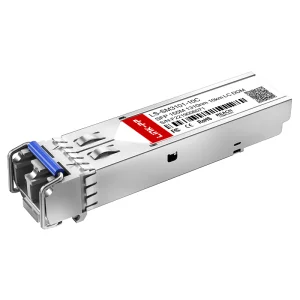
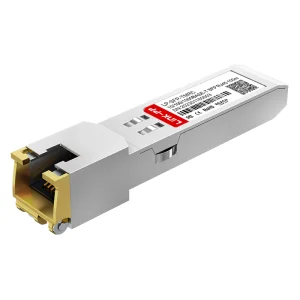
A selection of shielded cages, specialized jacks, and copper-to-fiber transceivers designed for high-density environments.