Xelivor
Xelivor
Xelivor
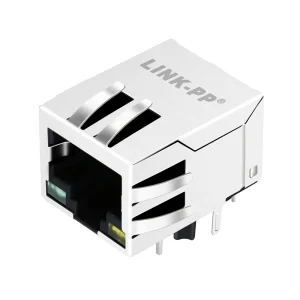
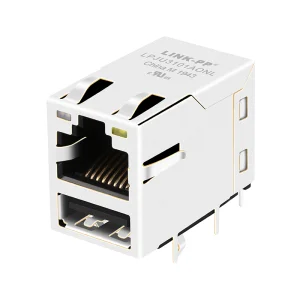
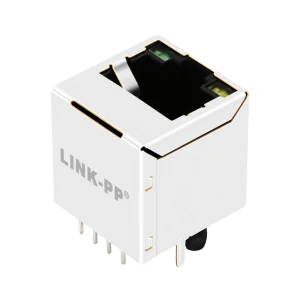
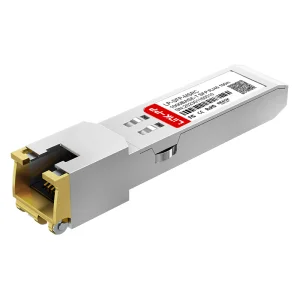
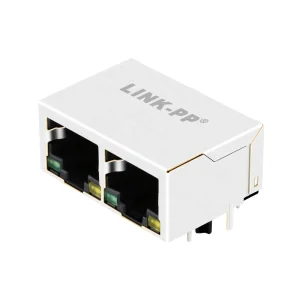
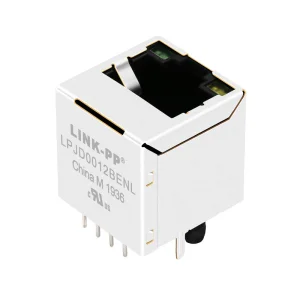
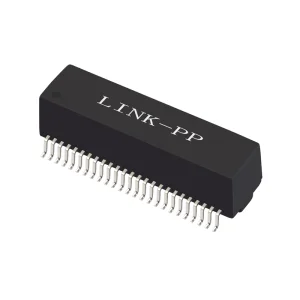
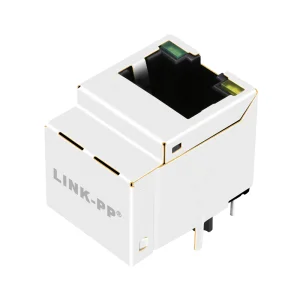
In the rapidly advancing landscape of telecommunications, industrial automation, and enterprise networking, high-speed copper interconnect technology remains a critical cornerstone. While fiber optics dominate long-haul infrastructure, twisted pair copper systems—standardized through advanced RJ45 physical interfaces, magnetic modules, and media conversion transceivers—continue to offer unmatched cost-to-performance efficiency for edge access, localized data distribution, and Power-over-Ethernet (PoE) architectures.
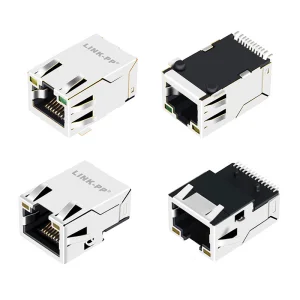
The key trend reshaping the industry is the relentless demand for higher bandwidth over copper cables, shifting legacy networks toward 2.5GBase-T, 5GBase-T, and 10GBase-T Ethernet standards. Managing high frequencies (up to 500 MHz for Category 6A and 2 GHz for Category 8) over twisted pair interfaces introduces severe signal integrity concerns. Engineers must proactively mitigate Near-End Crosstalk (NEXT), Far-End Crosstalk (FEXT), Insertion Loss, and Electromagnetic Interference (EMI). This has shifted manufacturing focus from standard mechanical RJ45 jacks to highly integrated, magnetically isolated components (MagJacks) that incorporate filtering networks, common-mode chokes, and ESD protection directly inside the connector housing.
The push for miniaturization in edge devices, network switches, and IoT gateways requires low-profile, vertical SMT (Surface Mount Technology) connectors that preserve precious PCB real estate while maintaining structural durability.
As Power over Ethernet standards scale to PoE++ (IEEE 802.3bt, delivering up to 90W), connectors must handle higher currents without overheating or suffering contact arcing during unplugging cycles.
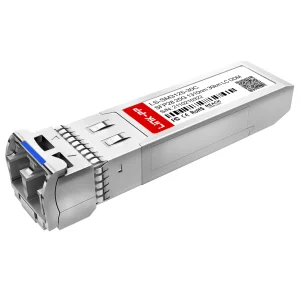
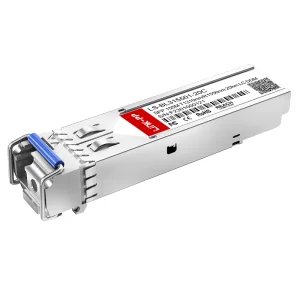
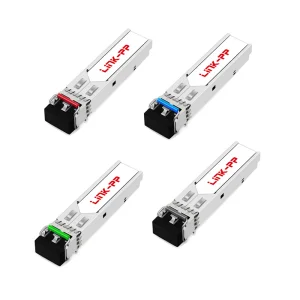
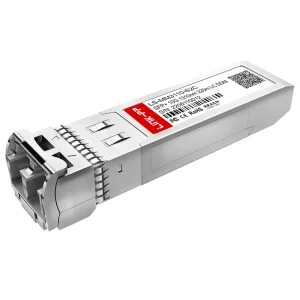
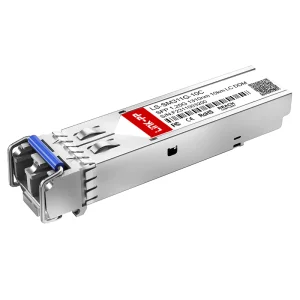
Enterprise and telecom operators are deploying hybrid architectures where copper twisted pairs interface seamlessly with optical backhauls. SFP-to-RJ45 transceivers act as critical physical bridges in these setups.
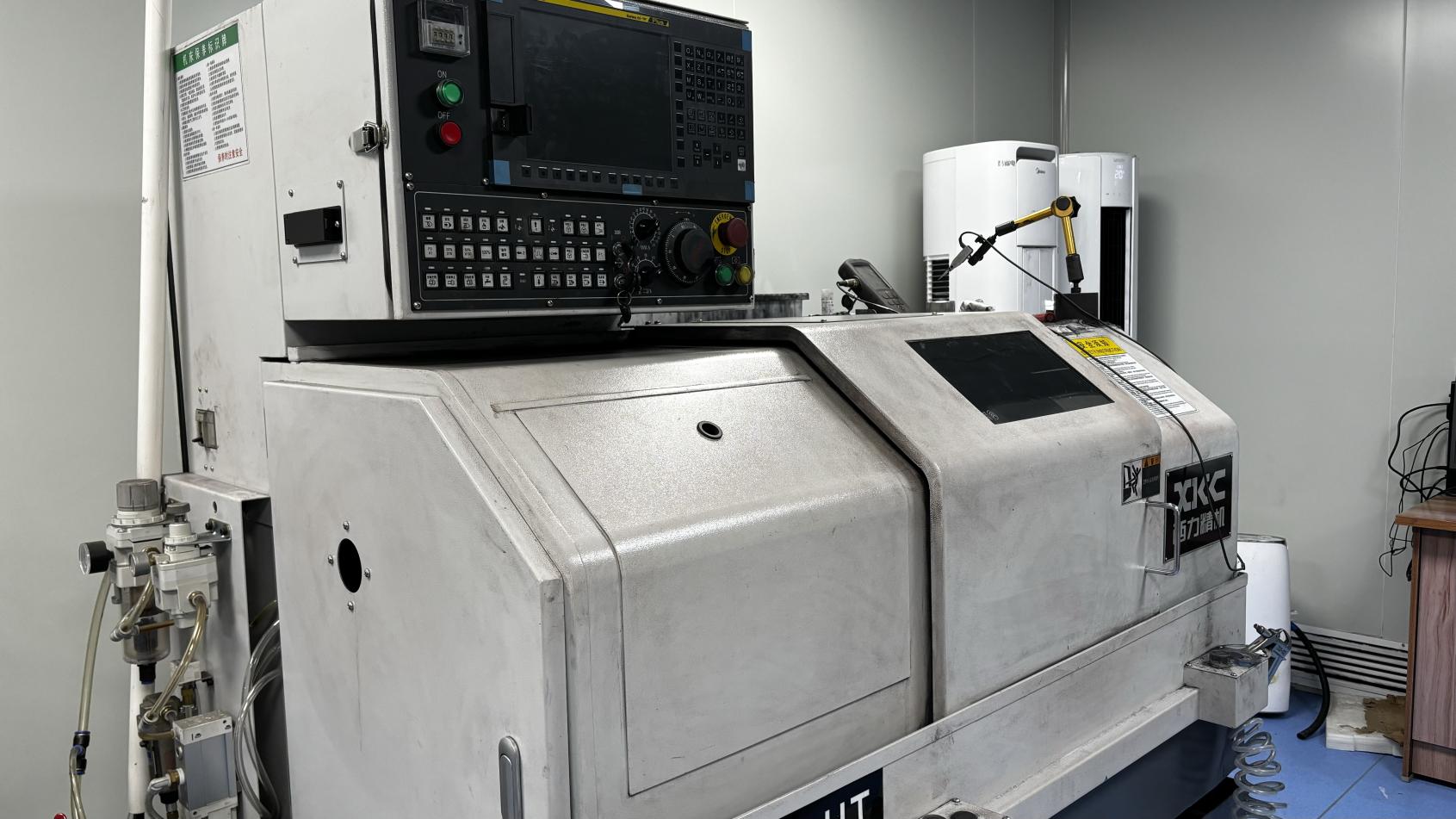
Xelivor Optoelectronics Co., Ltd. is a professional manufacturer of optical transceivers and fiber connectivity solutions, dedicated to serving global data center, telecom, enterprise network, and cloud computing industries. Established in 2016, the company operates from a modern manufacturing facility covering 386 m² and has built a strong reputation for delivering reliable, high-performance optical and copper communication products worldwide.
With over 8 years of industry experience and 6 years of export experience, Xelivor has achieved annual export revenues exceeding USD 12 million. Our products are exported to customers across North America, Europe, Southeast Asia, the Middle East, and South America, supporting a wide range of networking applications from enterprise infrastructure to hyperscale data centers.
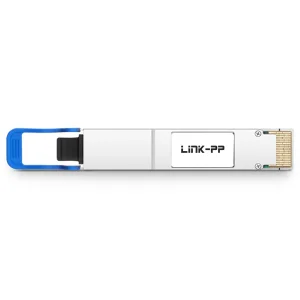
Xelivor specializes in the design, development, and production of optical transceivers, including SFP, SFP+, SFP28, QSFP28, QSFP-DD, OSFP, DAC, and AOC solutions. Backed by a dedicated R&D team of 68 engineers, the company continuously invests in innovation and launched more than 85 new products in the past year to meet the evolving demands of high-speed optical networks.
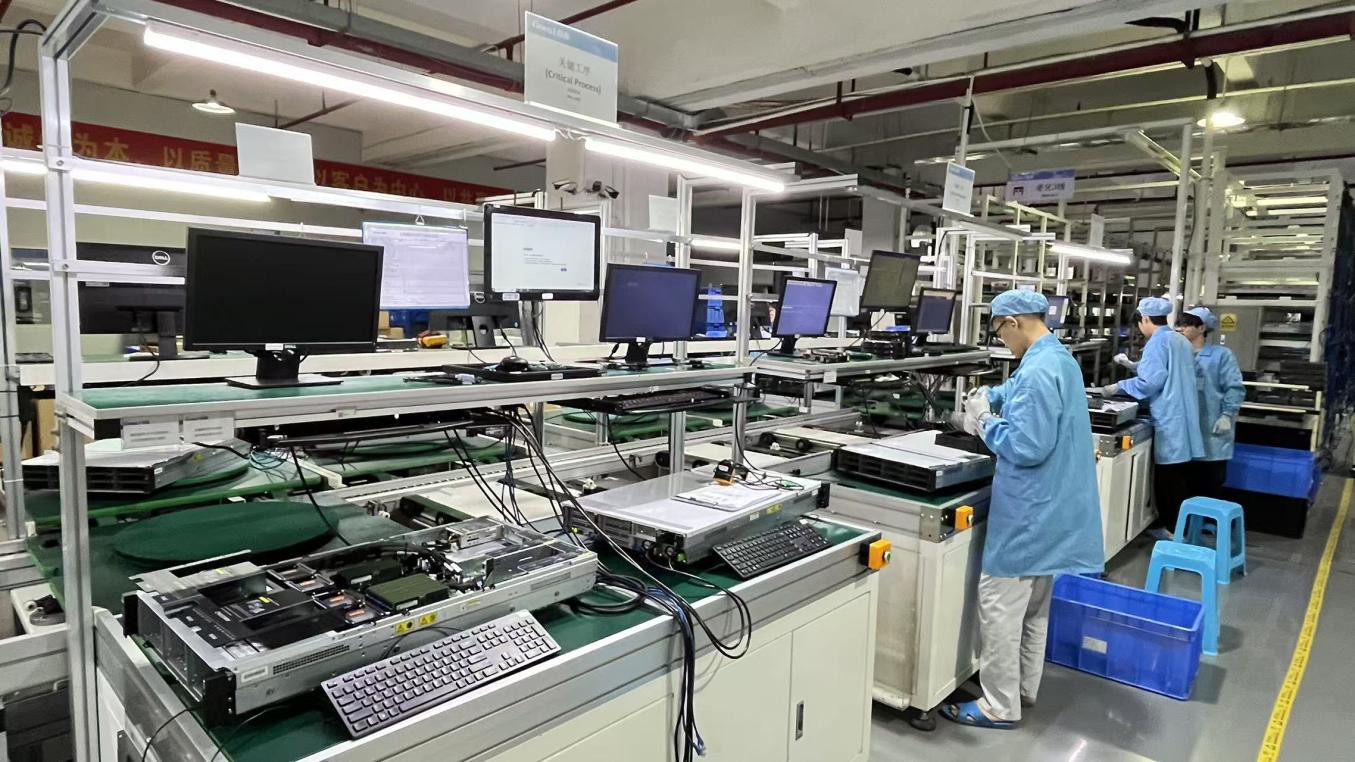
Quality is at the core of our operations. Our quality management system incorporates incoming material inspection, in-process quality control, aging tests, compatibility verification, optical parameter testing, and final product inspection. A professional quality assurance team of 32 inspectors ensures every product meets strict international standards before shipment.
The company maintains long-term cooperation with more than 850 supply chain partners, enabling stable sourcing, efficient production, and rapid delivery capabilities. Our flexible manufacturing system supports OEM, ODM, private label, customized firmware, customized labeling, and packaging services to satisfy diverse customer requirements.


Modern high-density routing systems encounter critical electromagnetic and physical challenges. In any Gigabit Ethernet design, the physical connection between the media access control (MAC) layer / physical layer (PHY) chip and the physical transmission media must be managed meticulously. The primary method of preserving differential signal pairs is implementing custom impedance matching (typically balanced at 100 ohms for twisted-pair wiring). Any mismatch in the trace impedance, contact pin composition, or cable connection points creates signal reflections. These reflections appear as jitter, high Bit Error Rates (BER), and reduced link lengths.
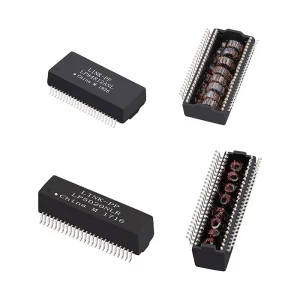
Xelivor's integrated MagJack and LAN magnetic transformer modules solve this by housing specialized common-mode chokes and autotransformers within the connector structure. These magnetic elements decouple the physical line electrically from the PHY transceiver chip, protecting delicate silicon from voltage surges and ground loop noise. Furthermore, they filter out high-frequency common-mode noise, keeping systems fully compliant with FCC Part 15 and EN 55022 EMC standards.
Global system integrators and telecommunications equipment vendors demand highly specific parameters that generic off-the-shelf components cannot satisfy. Xelivor's comprehensive custom design engineering services provide:
Exporting network components to North America, Western Europe, and East Asia requires rigorous compliance frameworks. All Xelivor components align with the strict directives of RoHS (Restriction of Hazardous Substances) and REACH (Registration, Evaluation, Authorisation and Restriction of Chemicals). Our products also meet CE, FCC, and UL safety certifications.
Every single production batch undergoes 100% automated optical inspection (AOI) followed by thorough electrical testing. This protocol measures Return Loss (S11), Insertion Loss (S12), and Common-Mode Rejection Ratio (CMRR) up to the component's maximum rated frequency. This ensures that every RJ45 interface, magnetic module, and optical transceiver arrives at your integration facility completely verified and ready for field deployment.
As the network edge becomes increasingly automated, the industry is transitioning towards Single Pair Ethernet (SPE) for industrial IoT applications. SPE achieves full 1000Base-T speeds over a single twisted pair of copper wires instead of the traditional four pairs. This drastically reduces weight, cost, and complexity in robotics, automotive systems, and automated warehouse routing. Xelivor's engineering team is actively researching next-generation SPE connectors that consolidate power (PoDL - Power over Data Lines) and gigabit data transmission into ruggedized, miniature form factors.
Simultaneously, co-packaged optics (CPO) and ultra-high-speed transceivers (400G and 800G QSFP-DD/OSFP) are shifting standard architectures in data centers. In response, our product roadmap emphasizes developing hybrid transceiver interfaces. These designs blend copper high-speed differential signal design with laser-diode drivers, offering seamless media conversion at optimal efficiency.
A standard passive RJ45 jack is simply a physical mechanical connection housing the contact pins. An integrated MagJack (or magnetic RJ45) incorporates the actual electrical isolation components—including common-mode chokes, transformers, and noise-filtering capacitors—directly within the shielded housing. This protects the PHY transceiver chip from ESD events, dampens common-mode noise, and maintains signal integrity while saving PCB layout space.
To support PoE, PoE+, and PoE++ (IEEE 802.3af/at/bt) standards, our connectors utilize thick 50u" gold-plated phosphor bronze contacts to mitigate arcing damage. The internal magnetic transformers are engineered with high-induction cores capable of handling DC bias currents up to 720mA per pair (and up to 1A for PoE++) without magnetic core saturation, which would otherwise degrade standard data signals.
Yes. Through our specialized R&D engineering lab, we offer custom firmware encoding. This ensures our SFP, SFP+, and SFP28 transceivers (both optical and copper RJ45 interfaces) are 100% compatible with major networking vendors (such as Cisco, Avago, Juniper, and Huawei). We also offer customized labeling, packaging, and branding configuration for ODM clients.
Each batch undergoes insertion loss, return loss, and crosstalk testing using automated high-frequency vector network analyzers. We also run Time-Domain Reflectometry (TDR) measurements to check internal impedance consistency, and conduct optical eye-diagram analysis for fiber-optic interfaces to guarantee low jitter and optimal bit error rates.