Xelivor
Xelivor
Xelivor
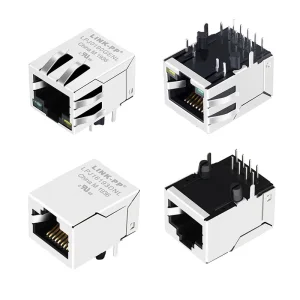
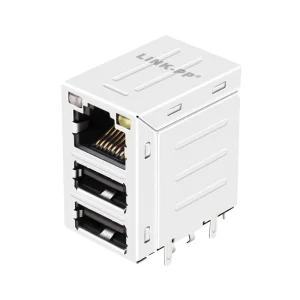
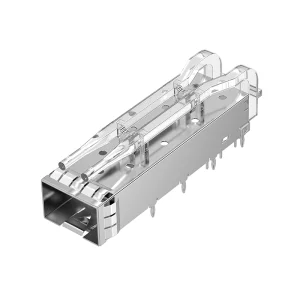
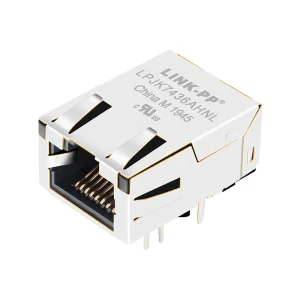
Explore our leading collection of low-profile, integrated magnetics, and shielded SFP assemblies engineered for strict industrial and telecom standards.
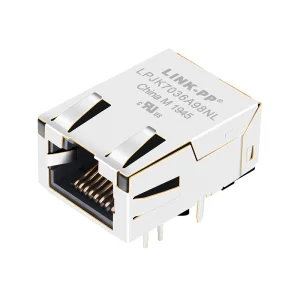
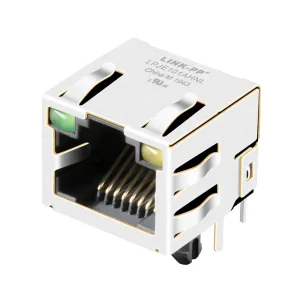
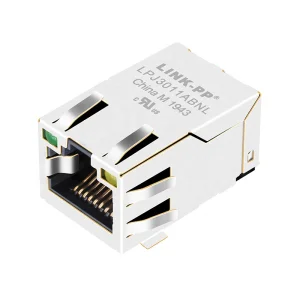
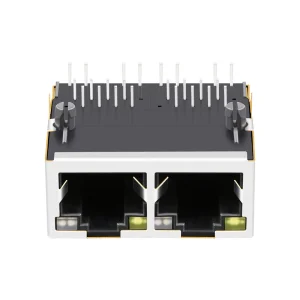
An in-depth analysis of modern signal integrity, high-speed routing constraints, and the mechanical advantages of flexible board-to-board copper terminations.
Modern telecommunication channels operating at Multi-Gigabit Ethernet rates (2.5G, 5G, and 10G Base-T) demand ultra-low crosstalk and return loss. Flex RJ45 connectors solve routing congestion, ensuring impedance matches (100 ohms differential) across micro-vias and flexible PCB tracks.
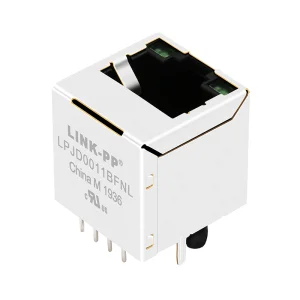
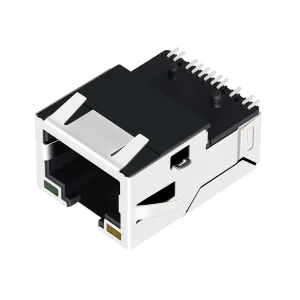
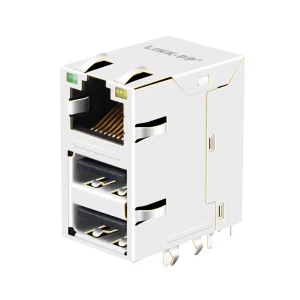
Integrated MagJacks (RJ45 with internal magnetic components) isolate digital logic from external EMI. Utilizing brass and copper-alloy shields with multi-point grounding tabs ensures 360-degree protection, vital for harsh industrial environments.
Rigid connectors often suffer solder joint fatigue due to thermal expansion and mechanical vibration. A flex-configured RJ45 interface absorbs micro-stresses, preserving electrical contact under extreme operational cycles.
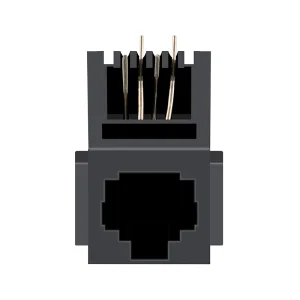
As standard PCB real estate shrinks inside IoT gateways, server blades, and edge AI compute systems, system designers cannot afford the routing footprints required by traditional copper connections. By utilizing Flex RJ45 connectors (which combine flexible printed circuit cables or flexible leads with robust modular jack housings), engineers can route high-speed Ethernet signals away from components generating massive heat, such as CPUs and GPUs. This isolation reduces thermal load on sensitive ethernet magnetic modules, enhancing overall system longevity.
Design Tip: When designing high-frequency circuits, ensure the transition between the rigid motherboard and the flexible RJ45 lead preserves a uniform ground reference plane to prevent impedance discontinuities, which can degrade packet delivery speeds on 10GBASE-T lines.
Analyzing supply chain dynamics, regional regulatory compliance, and localized application demands for flexible network interfaces.
The global market for Ethernet interconnects is undergoing a rapid evolution. Industrial Automation, Edge Computing, and Smart Cities require connectors that exceed basic IEEE 802.3 standards. In North America and Europe, stringent compliance requirements (like UL certification, RoHS, REACH, and FCC Part 68) drive demand for highly shielded, magnetically isolated solutions. Meanwhile, APAC serves as the manufacturing powerhouse, where speed-to-market and cost efficiency must meet advanced R&D engineering standards.
Additionally, the rising integration of Power over Ethernet (PoE, PoE+, and PoE++ up to 90W) means these flexible connectors must carry higher currents without thermal runaways. Contact plating is now standardized to 50 micro-inches of gold over nickel to counter contact degradation and oxide layer formation under heavy current loads and moisture.
| Standard Parameters | Standard RJ45 Connectors | High-Performance Flex RJ45 Connectors | SFP/SFP+ Cage Systems |
|---|---|---|---|
| Bandwidth Limit | Up to 1 Gbps (Cat5e/Cat6) | Up to 10 Gbps (Cat6a/Cat7/Cat8) | Up to 28 Gbps (Direct Copper/Optical) | Vibration Immunity | Low (Solder fatigue prone) | High (Flex lead absorbs mechanical force) | Medium (Depends on latching system) |
| Integrated Magnetics | Optional (Often separate ICs) | Standard (MagJack technology) | No (External PHY or optical module) |
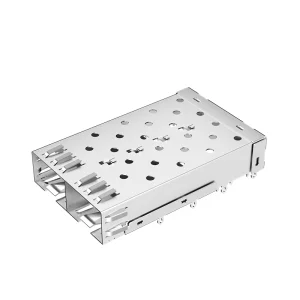
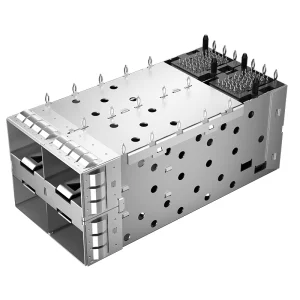
| Thermal Management | Poor (Heat transfers to motherboard) | Excellent (Isolated routing possible) | Good (Leverages chassis ventilation) |
Anticipating the demands of autonomous industrial plants, smart transportation networks, and next-generation data centers.
SPE reduces wire counts to a single pair while delivering Power over Data Line (PoDL). We are developing flex-hybrid RJ45 designs to ease the transition from legacy 4-pair systems to sleek, cost-efficient SPE configurations.
Future iterations of our flex assemblies utilize machine learning simulation models. By predicting copper trace degradation over millions of micro-bends, we configure physical layers to extend hardware lifespans.
For applications in outdoor telecom stations and smart agriculture, we are developing flex designs with IP67/IP68 rating parameters. These prevent moisture ingress without increasing the connector's height profile.
Xelivor Optoelectronics Co., Ltd. — Your trusted partner for high-speed fiber connectivity, active transceivers, and precision custom RJ45 configurations.
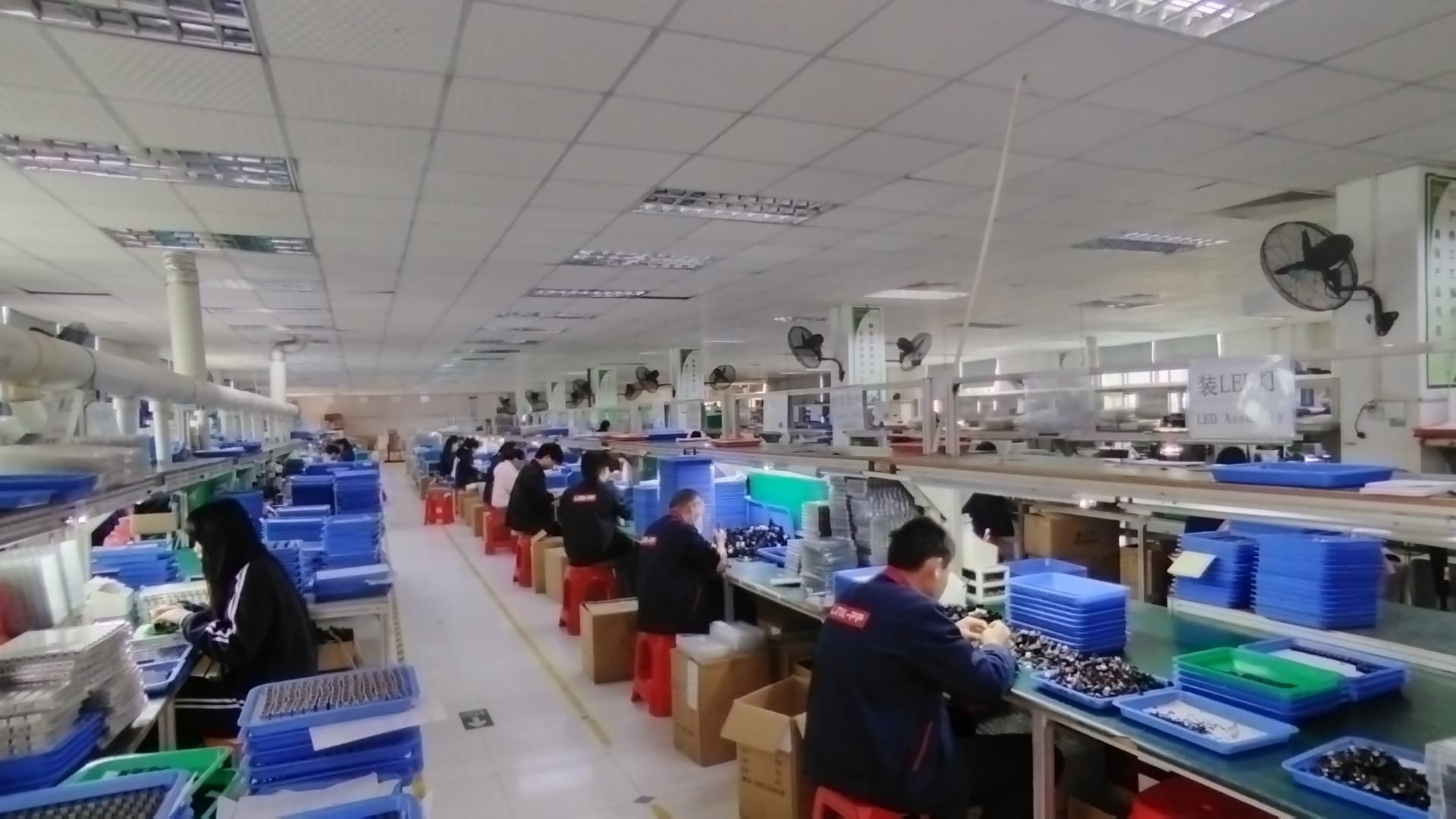
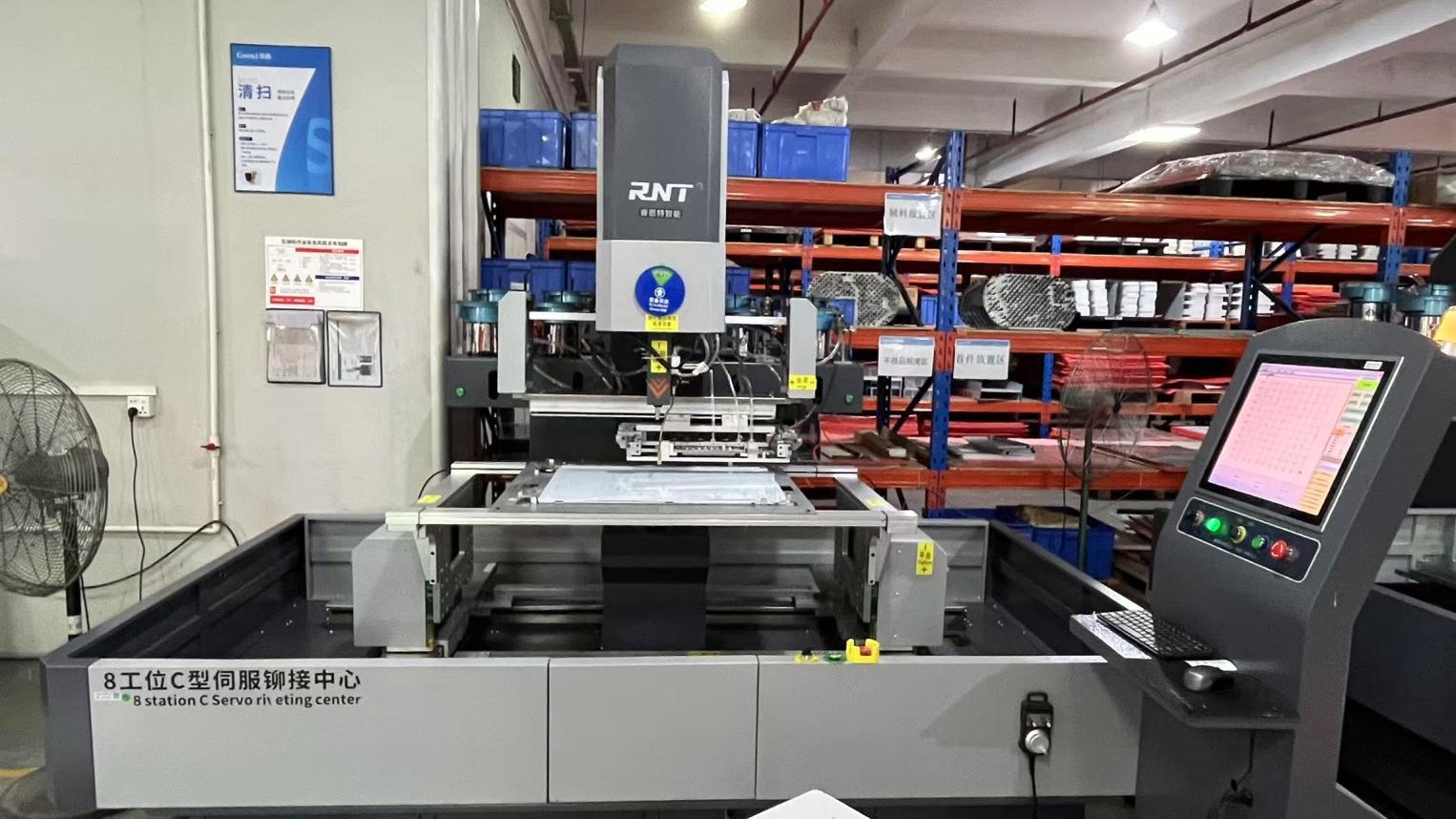
Xelivor Optoelectronics Co., Ltd. is a professional manufacturer of optical transceivers and fiber connectivity solutions, dedicated to serving global data center, telecom, enterprise network, and cloud computing industries. Established in 2016, the company operates from a modern manufacturing facility covering 386 m² and has built a strong reputation for delivering reliable, high-performance optical communication products worldwide.
With over 8 years of industry experience and 6 years of export experience, Xelivor has achieved annual export revenues exceeding USD 12 million. Our products are exported to customers across North America, Europe, Southeast Asia, the Middle East, and South America, supporting a wide range of networking applications from enterprise infrastructure to hyperscale data centers.
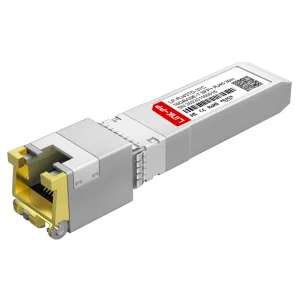
Xelivor specializes in the design, development, and production of optical transceivers, including SFP, SFP+, SFP28, QSFP28, QSFP-DD, OSFP, DAC, and AOC solutions. Backed by a dedicated R&D team of 68 engineers, the company continuously invests in innovation and launched more than 85 new products in the past year to meet the evolving demands of high-speed optical networks.
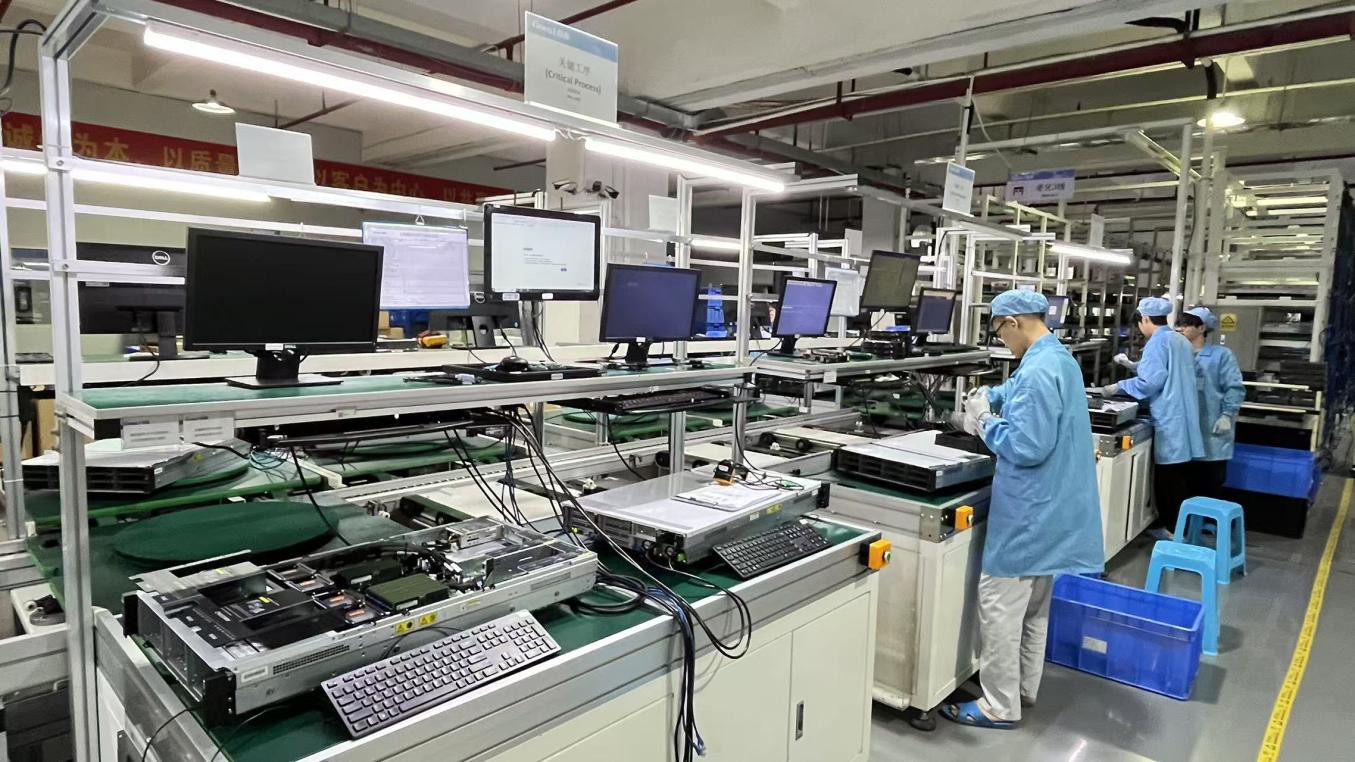
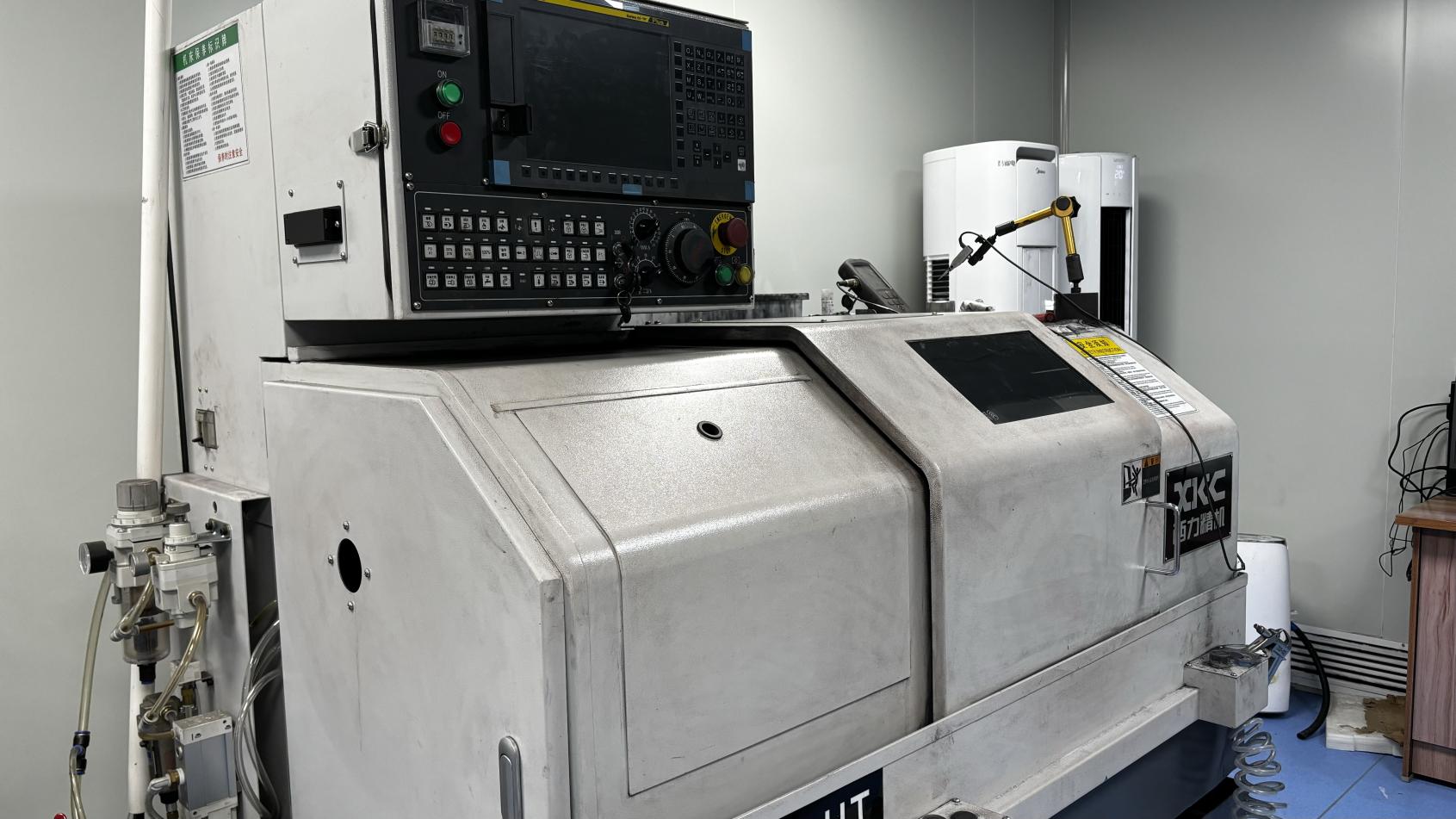
Quality is at the core of our operations. Our quality management system incorporates incoming material inspection, in-process quality control, aging tests, compatibility verification, optical parameter testing, and final product inspection. A professional quality assurance team of 32 inspectors ensures every product meets strict international standards before shipment.
The company maintains long-term cooperation with more than 850 supply chain partners, enabling stable sourcing, efficient production, and rapid delivery capabilities. Our flexible manufacturing system supports OEM, ODM, private label, customized firmware, customized labeling, and packaging services to satisfy diverse customer requirements.
As a company with strong independent R&D capabilities, advanced testing equipment, and a customer-oriented approach, Xelivor serves distributors, system integrators, telecommunications operators, data center providers, network equipment vendors, and enterprise customers worldwide. Driven by innovation, quality, and partnership, Xelivor Optoelectronics Co., Ltd. remains committed to providing cost-effective, reliable, and future-ready optical communication solutions for global networking infrastructure.
Targeted connectivity design methodologies that address localized mechanical, electrical, and structural challenges.
Inside robot controllers, sensory arrays, and PLC cabinets, high-voltage equipment creates a lot of electrical noise. The Flex RJ45 connector, combined with integrated magnetics and grounding, ensures consistent data transmission. Its flexible structure handles constant movement, reducing solder cracks caused by vibration.
To process massive AI workloads, modern GPU server boxes use dense boards that run hot. By shifting the ethernet port via a flexible PCB extension, engineers can place connectors at cool exhaust points. This design improves airflow and prevents overheating, ensuring stable, continuous operations.
With standard vertical RJ45 jacks, water and dust can easily settle in the contacts. Our vertical, top-entry, shielded connectors, fitted with custom-designed flex leads, allow you to position the jack opening facing downward. This simple design prevents dirt accumulation, helping system designs meet IP-rated outdoor standards.
Detailed technical answers to help electrical designers and procurement managers choose the right connectors.
For standard Ethernet transmission, the target is 100 ohms differential impedance. While manufacturing the flexible printed circuit (FPC), trace widths and spacing must be tightly controlled relative to the reference ground plane to avoid signal reflections, which lead to high packet drops.
Integrated MagJacks have internal signal isolation transformers, common-mode chokes, and capacitors built directly inside the metal housing. This design saves valuable space on the main PCB and reduces EMI, keeping digital signals clean and clear.
We use high-temperature Liquid Crystal Polymer (LCP) and UL 94V-0 compliant plastics for housings, phosphor bronze for contacts (plated with 50 micro-inches of gold over nickel), and copper alloy shields with tin plating for solderability and corrosion resistance.
We provide full customization, including custom FPC lengths, modified contact pinouts, custom LED colors (such as green, yellow, or orange), specialized mounting options, specific shield ground tabs, and custom-designed packaging.
Our quality assurance includes strict raw material checks, inline optical testing, network compatibility verification across major hardware platforms, and accelerated thermal aging. This process ensures reliable performance for both copper and optical interfaces.
Browse our advanced single-port, vertical, and high-frequency network transceivers built for fast data transmission.