Xelivor
Xelivor
Xelivor
Explore our baseline selection of high-frequency connectors, shielding systems, and optical transceivers engineered for hyperscale deployments.
As the digital landscape transitions from standard cloud architectures to distributed, high-performance artificial intelligence (AI) computing clusters, the demand for optical bandwidth has grown exponentially. Modern hardware demands speed, structural integrity, and extremely low optical attenuation. In this environment, the humble fiber optic connector is no longer just a passive mechanical link; it is a critical variable in the overall link budget of hyperscale networks.
Three primary macro trends are currently driving innovations in fiber optic connectors and transceiver modules:
By merging optical engines directly onto the ASIC substrate, switch and router architectures bypass long copper paths. This requires ultra-precise, pluggable mechanical fiber interfaces directly on the equipment panel, driving the need for customized multi-fiber push-on connectors with sub-micron tolerances.
Legacy LC duplex connectors are being supplemented in top-of-rack scenarios by higher-density form factors. Connectors like the SN and CS enable doubling or tripling patch panel densities. This allows up to 400G and 800G breakouts from QSFP-DD or OSFP modules without expanding physical cabinet footprints.
With cohesive transmissions extending past 400G, managing return loss and fiber polarization mode dispersion has become critical. Modern polish technologies (UPC and APC) are subject to rigorous testing protocols to achieve reflection parameters below -65dB, safeguarding complex coherent laser systems.
For sourcing agents, infrastructure architects, and purchasing directors, procuring components is not just about price. Ensuring long-term physical link integrity and compatibility is essential to prevent costly operational downtime. When evaluating suppliers, procurement teams focus on several critical requirements:
Every batch of optical connectors must undergo stringent tests for Insertion Loss (IL) < 0.2dB and Return Loss (RL) > 50dB. Industry-leading factories provide interferometry test results for 3D ferrule geometry, including fiber height, radius of curvature, and apex offset.
Enterprise deployment guidelines restrict use to certified materials. Trusted factories align their designs with RoHS, REACH, CE, FCC, and UL safety standards. For telecom central offices, adherence to Telcordia GR-326-CORE is the gold standard for reliability under harsh environment testing.
Optical transceivers must include firmware compatible with leading networking hardware, including Cisco, Arista, Juniper, and Huawei. Factories must possess a comprehensive physical verification lab equipped with legacy and modern switches to write custom EEPROM coding scripts.
Xelivor Optoelectronics Co., Ltd. is a professional manufacturer of optical transceivers and fiber connectivity solutions, dedicated to serving global data center, telecom, enterprise network, and cloud computing industries. Established in 2016, the company operates from a modern manufacturing facility covering 386 m² and has built a strong reputation for delivering reliable, high-performance optical communication products worldwide.
With over 8 years of industry experience and 6 years of export experience, Xelivor has achieved annual export revenues exceeding USD 12 million. Our products are exported to customers across North America, Europe, Southeast Asia, the Middle East, and South America, supporting a wide range of networking applications from enterprise infrastructure to hyperscale data centers.
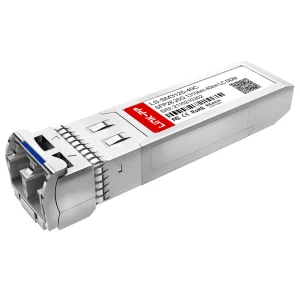
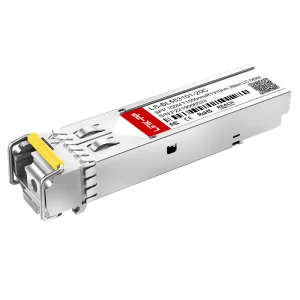
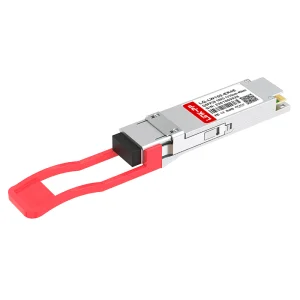
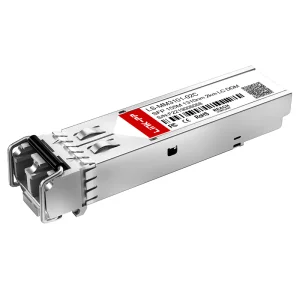
Xelivor specializes in the design, development, and production of optical transceivers, including SFP, SFP+, SFP28, QSFP28, QSFP-DD, OSFP, DAC, and AOC solutions. Backed by a dedicated R&D team of 68 engineers, the company continuously invests in innovation and launched more than 85 new products in the past year to meet the evolving demands of high-speed optical networks.
Quality is at the core of our operations. Our quality management system incorporates incoming material inspection, in-process quality control, aging tests, compatibility verification, optical parameter testing, and final product inspection. A professional quality assurance team of 32 inspectors ensures every product meets strict international standards before shipment.
The company maintains long-term cooperation with more than 850 supply chain partners, enabling stable sourcing, efficient production, and rapid delivery capabilities. Our flexible manufacturing system supports OEM, ODM, private label, customized firmware, customized labeling, and packaging services to satisfy diverse customer requirements.
The concept of "China Factory 4.0" is about integrating advanced manufacturing processes to increase production efficiency. In optoelectronics hubs like Shenzhen and Wuhan, automated assembly systems have replaced manual polishing. This ensures consistent quality across large-scale production runs.
Using automated tooling, modern facilities align fiber cores within the ceramic ferrule down to sub-micron concentricity limits. This reduces mechanical variation and minimizes the risk of signal attenuation at connection interfaces.
Chinese industrial hubs benefit from local component supply chains. By sourcing materials like high-purity zirconia ferrules and optical lenses within close proximity, factories can streamline production timelines and reduce lead times.
End-face testing uses automated optical inspection systems to screen out surface defects, scratches, and particles. Digital logs are generated for each connector, ensuring clear traceability and consistent quality control.


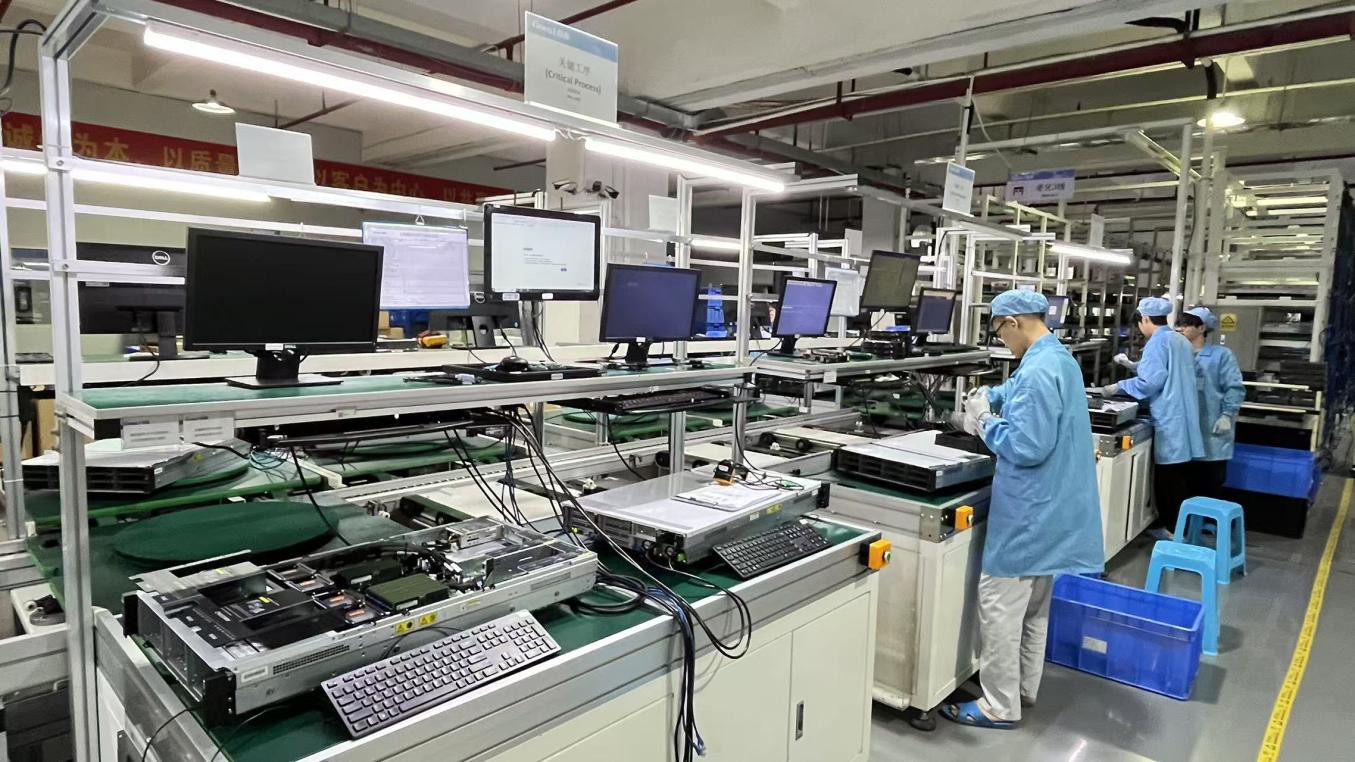
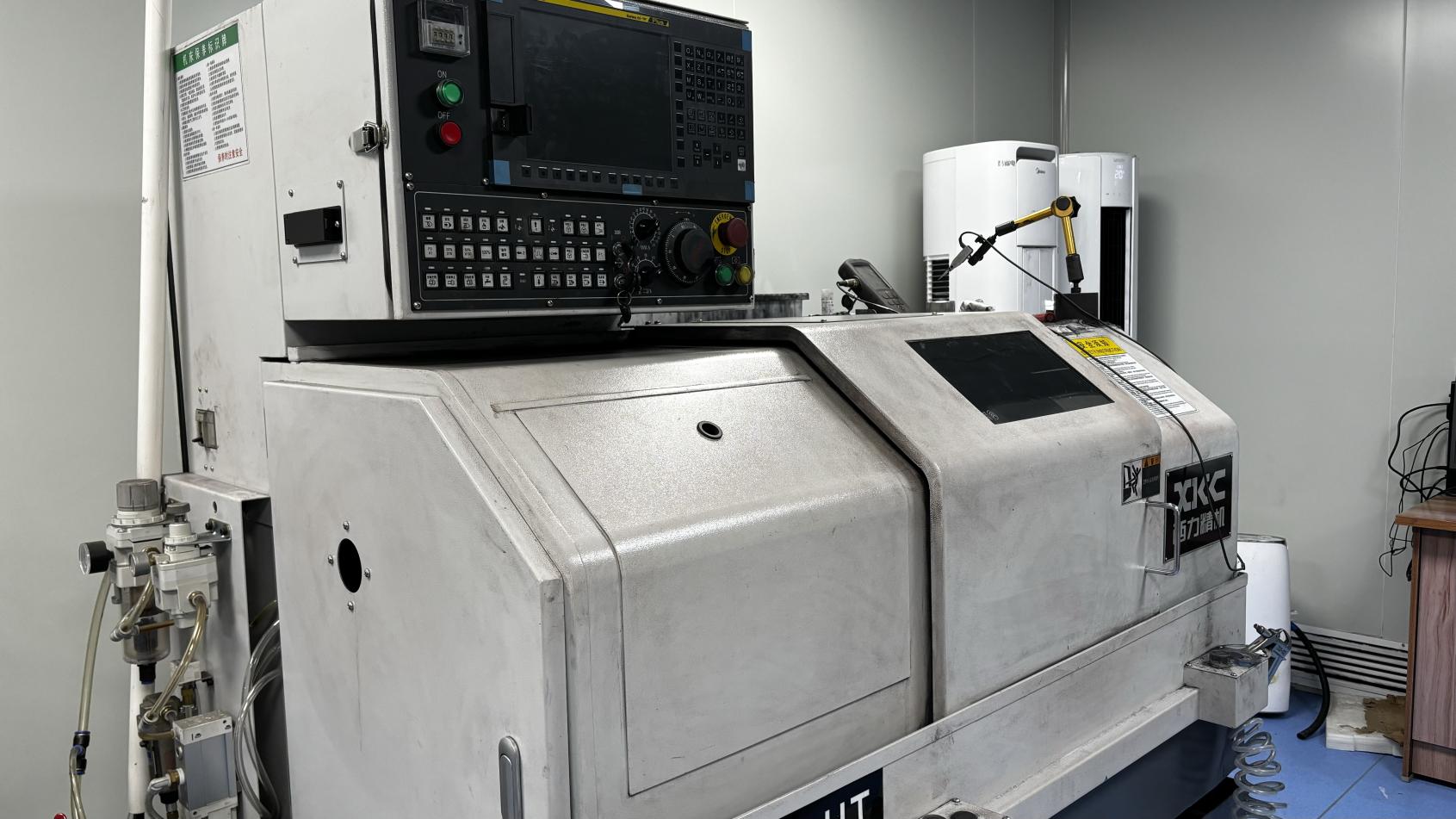
Depending on the specific requirements of the networking environment, different connector configurations and housing designs are used to optimize reliability and signal performance.
Deployments in environments like smart factories or outdoor municipal enclosures require ruggedized connectors. By using IP67/IP68 rated bayonet housings, technicians protect delicate fiber end-faces from dust, vibration, and moisture ingress.
Connecting high-speed switches within modern data centers requires dense fiber configurations. Using high-density MTP/MPO connectors and low-loss breakout cables simplifies cable management and supports migration paths up to 800G.
Long-distance metropolitan networks utilize single-mode transceivers paired with APC polish connectors. Angled end-faces reflect back-reflections into the fiber cladding, preventing laser source instability over extended spans.
Below is a directory of the leading global manufacturers and suppliers of fiber optic connectors, components, and optical modules:
A global industrial technology provider. TE designs robust optical connectors and SFP/QSFP cages for telecommunications, harsh aerospace, and high-performance computing networks.
Amphenol specializes in customized, heavy-duty optical interconnect solutions. They are a primary supplier of optical systems for military, industrial, and telecom applications.
Molex manufactures high-density connectivity systems. Their product range includes MPO/MTP systems, LC/SC assemblies, and custom optical backplanes for modern hyperscale data centers.
A pioneer in glass science, Corning provides complete, integrated fiber infrastructure systems. They are known for durable optical fiber cables, assemblies, and termination hardware.
Senko specializes in precision optical interconnect components, including high-density SN, CS, and standard LC connectors for next-generation 400G/800G applications.
US Conec develops optical components for high-density applications. They design MTP multi-fiber connectors and custom micro-optics for co-packaged switch platforms.
A supplier of electrical and optical connectivity products. They design fiber management systems, robust outdoor connectors, and cabling systems for telecom operators.
Rosenberger manufactures high-frequency RF and optical connectors, providing fiber solutions for mobile networks, data transmission facilities, and industrial systems.
Hirose designs precision connectors for consumer electronics, automotive, and telecommunications sectors, with a focus on small-form-factor and high-reliability designs.
An agile manufacturer of optical transceivers (SFP+, QSFP28, OSFP) and fiber connectivity systems. Xelivor offers custom firmware engineering and rapid prototyping for global networks.
Find answers to technical questions about optical performance, connector types, and transceiver module installation.
UPC (Ultra Physical Contact) connectors are polished with a flat, dome-like surface, achieving a return loss of roughly -50dB. APC (Angled Physical Contact) connectors are polished at an 8-degree angle, directing back-reflections into the fiber cladding to achieve a return loss of -65dB or better. APC connectors are recommended for single-mode, long-range networks and DWDM setups, while UPC is suitable for standard digital systems.
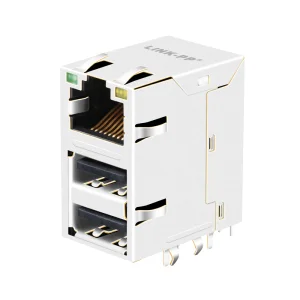
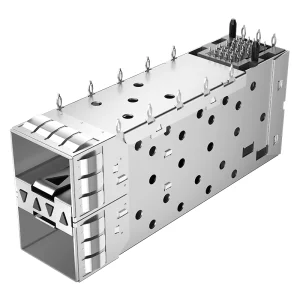
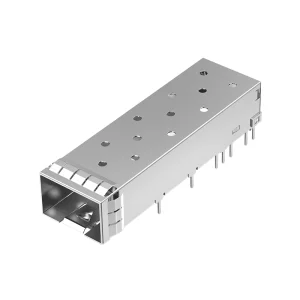
High-speed transceivers generate electromagnetic radiation at gigahertz frequencies. Metal EMI cages isolate this energy, protecting neighboring ports on high-density switches and ensuring compliance with FCC and CE electromagnetic emission standards.
Most switches and routers check an optical module's internal EEPROM for specific branding keys and checksums. If this data is missing or incorrect, the switch may reject the module. Manufacturers resolve this by flashing custom, vendor-specific firmware onto the transceiver's microcontroller.
CS and SN connectors use smaller ceramic ferrules (1.25mm or smaller) and are spaced closer together, allowing them to support multiple connections in the same space as a standard LC adapter. This is useful for breakout configurations on 400G and 800G QSFP-DD/OSFP optical transceivers.
Insertion loss reduces the total optical signal power along a link, while return loss measures back-reflections toward the transmitter. Excessive insertion loss can weaken the signal below the receiver's threshold, leading to bit errors. High back-reflections can destabilize the transmitter's laser source, causing jitter and network performance degradation.
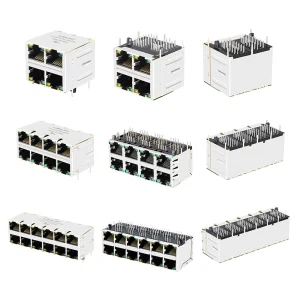
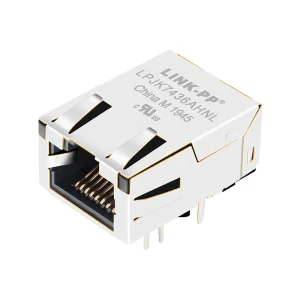
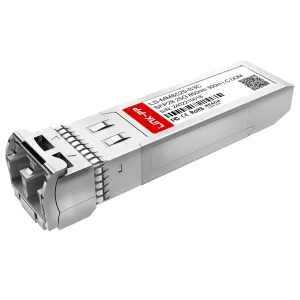
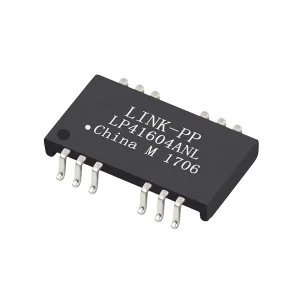
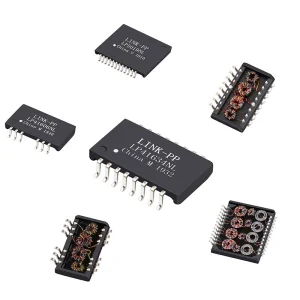
View our supplementary catalog of transceivers, physical cages, and magnetic connectors designed for telecommunications infrastructure.