Xelivor
Xelivor
Xelivor
Explore our industrial-grade optical modules, integrated RJ45 modular jacks, and high-frequency transformer configurations designed for seamless data transmission.
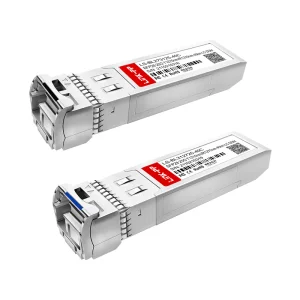
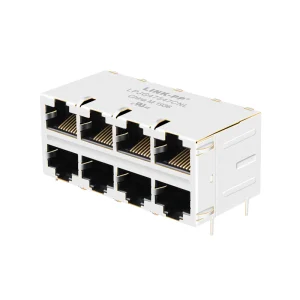
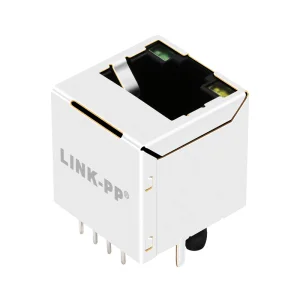
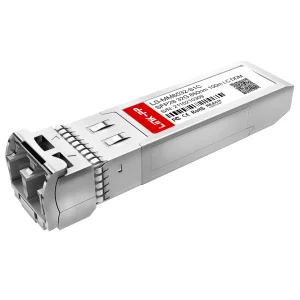
A comprehensive breakdown of physical-layer networking technology, signal integrity, and the strategic positioning of Xelivor Optoelectronics.
In the modern digital infrastructure landscape, the physical layer (PHY) is the bedrock of global data exchange. While wireless technologies continue to expand, physical copper and optical connections remain unmatched in reliability, speed, and latency. The transition from legacy Fast Ethernet (10/100 Mbps) to Gigabit Ethernet (1GbE), 10GbE, and eventually multi-gigabit copper systems (2.5G/5G/10G Base-T) has placed unprecedented demands on passive components and media converters.
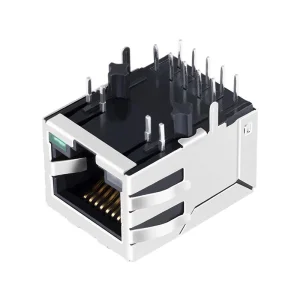
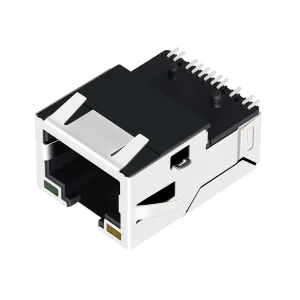
An RJ45 to Ethernet Adapter acts as a vital bridge, enabling modern hardware configurations to maintain backward compatibility and interface directly with local area networks (LANs). For hardware design engineers, selecting the right components—such as integrated magnetic RJ45 jacks, SMT magnetic connectors, and optical transceivers—is critical. If the components suffer from impedance mismatching or poor electromagnetic interference (EMI) shielding, the network experiences high Bit Error Rates (BER) and packet loss, leading to systemic performance bottlenecks.
High-frequency data pathways require rigorous electrical and mechanical parameter matching. Our design and manufacturing practices target several critical areas:
Established in 2016, Xelivor Optoelectronics Co., Ltd. is a leading professional manufacturer of optical transceivers and high-performance fiber connectivity solutions. Focused on the global data center, telecommunications, enterprise networking, and cloud computing industries, the company operates out of a highly specialized and optimized micro-assembly clean room and optical testing facility. Over the course of more than 8 years, Xelivor has established an international reputation for delivering highly reliable, high-performance optical communication products.
With a strong export infrastructure developed over 6 years of direct global logistics, Xelivor achieves annual export revenues exceeding USD 12 million. Our products support high-availability networks across North America, Europe, Southeast Asia, the Middle East, and South America. Our specialization spans the complete design, engineering, and manufacturing spectrum, offering a rich portfolio of optical transceivers, including SFP, SFP+, SFP28, QSFP28, QSFP-DD, OSFP, DAC, and AOC solutions.
Innovation drives our development. Our R&D department, consisting of 68 expert engineers, continuously updates our technology stack to meet the evolving demands of hyperscale and multi-gigabit architectures. In the past year alone, Xelivor successfully introduced more than 85 new products to the market. Quality control is managed by 32 dedicated QA inspectors executing an exhaustive, multi-stage verification matrix: incoming material inspection, in-process quality control, thermal aging tests, hardware compatibility verification, optical parameter testing, and final product inspection.
Tailoring our hardware catalog to meet the stringent demands of complex modern computing environments.
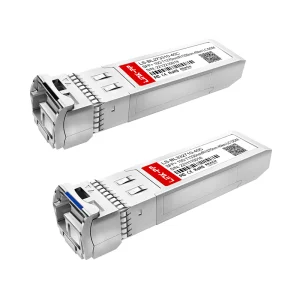
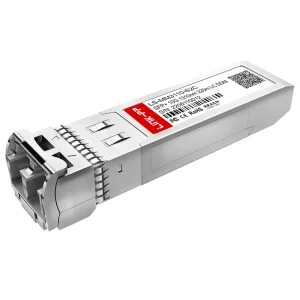
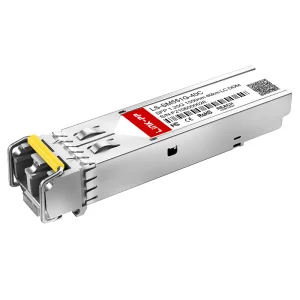
Deploying SFP28 and SFP+ optical transceivers to support high-throughput, low-latency leaf-spine switches. Our transceiver modules, including 32G Fibre Channel and 10G/25G BiDi configurations, ensure stable inter-rack connectivity with minimal packet loss and heat generation.
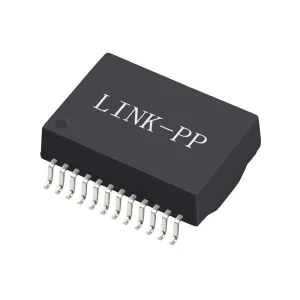
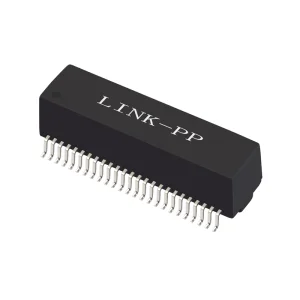
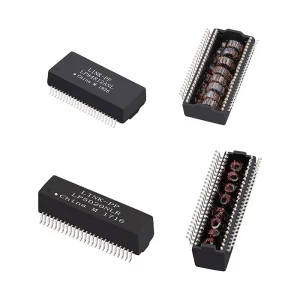
Providing robust SMT magnetic connectors and high-reliability LAN transformers (like the HST-48029SXCR) for telecom base stations and optical line terminals (OLTs) that require weather-resistant, thermally stable performance.
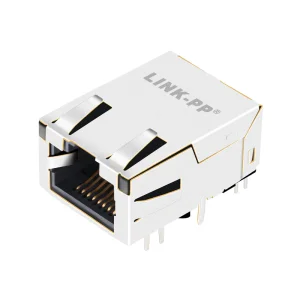
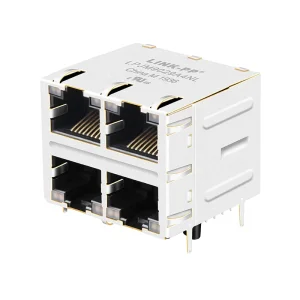
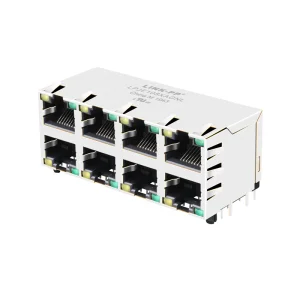
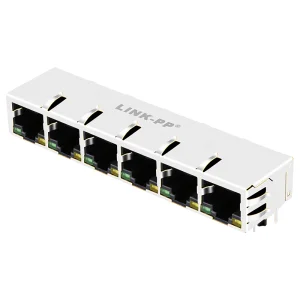
Supporting high-density office buildings and universities with multi-port RJ45 modular jacks and low-profile vertical sockets to simplify patch panel deployments and optimize space inside network switch cabinets.
The networking industry is on the cusp of another massive shift. With the standardization of PCIe Gen 6 and the implementation of 112G and 224G SerDes technologies, data paths are transitioning to advanced modulation formats such as PAM4 (Pulse Amplitude Modulation 4-Level) and coherent optics. Even within short-reach copper configurations, technologies like Power over Ethernet (PoE++ / IEEE 802.3bt) require connectors and adapters to handle up to 90W of power while transmitting 10Gbps data without overheating.
Xelivor's engineering roadmap prioritizes the development of Co-Packaged Optics (CPO) interfaces and Silicon Photonics modules to optimize optical-electrical conversion efficiency. Furthermore, we are refining our manufacturing processes for magnetic RJ45 jacks to support higher frequency bands (up to 500 MHz for Category 6A and 2000 MHz for Category 8), ensuring our global clients remain ahead of the compliance curve for high-bandwidth commercial networks.
International telecom procurement demands more than just off-the-shelf components. System integrators require customized firmware, brand-specific EEPROM coding (to bypass hardware lockouts by proprietary switches), and tailored packaging. Our flexible manufacturing facility supports:
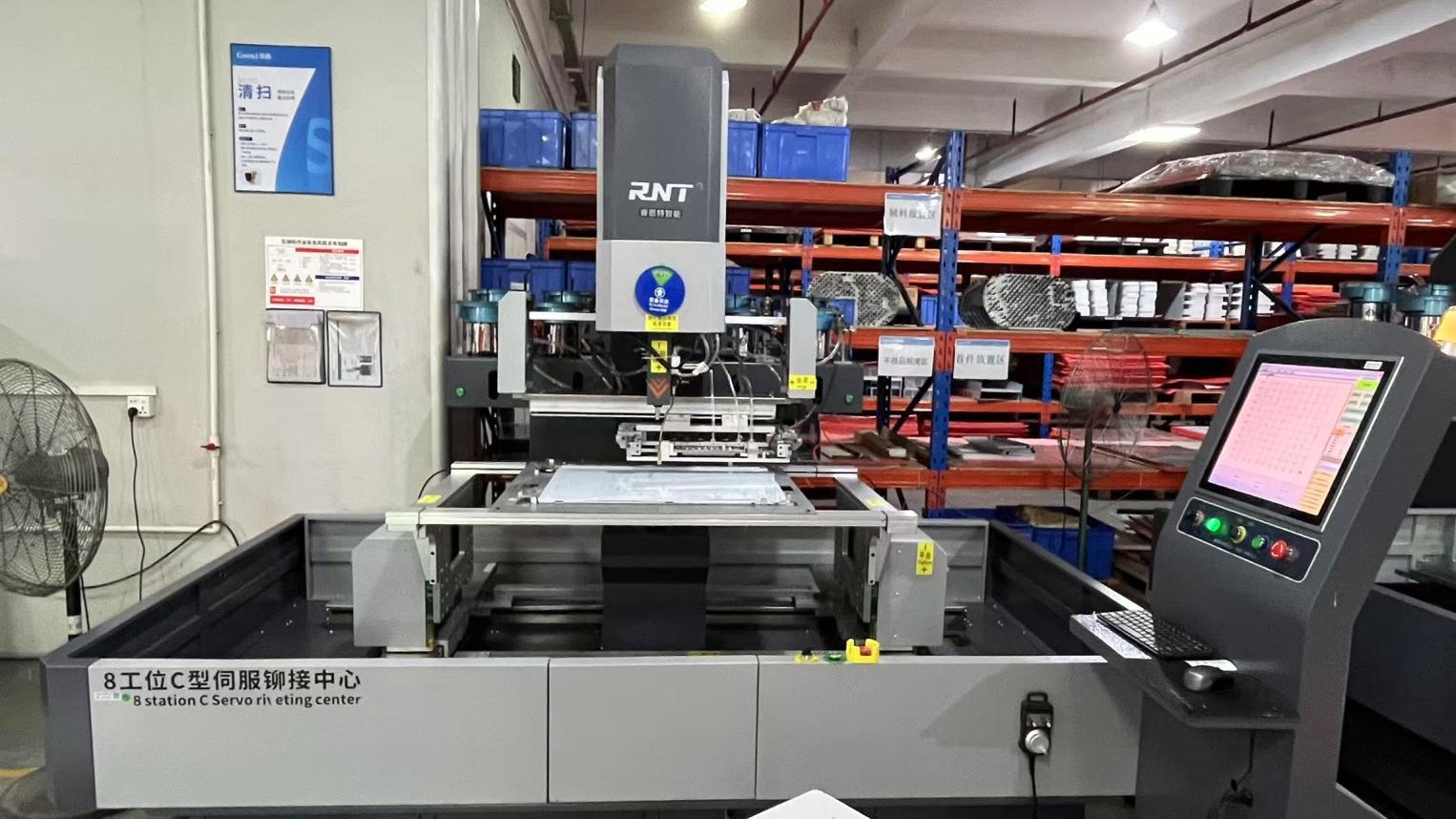
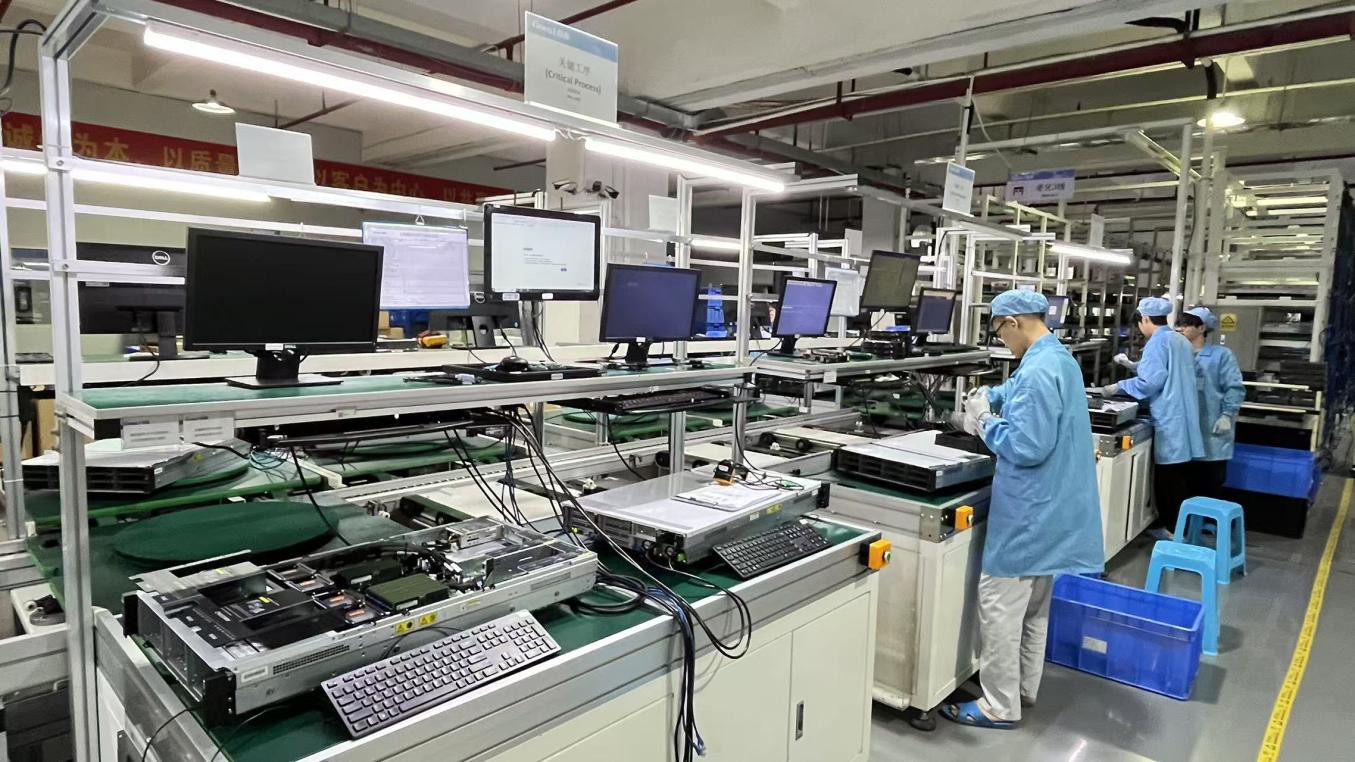
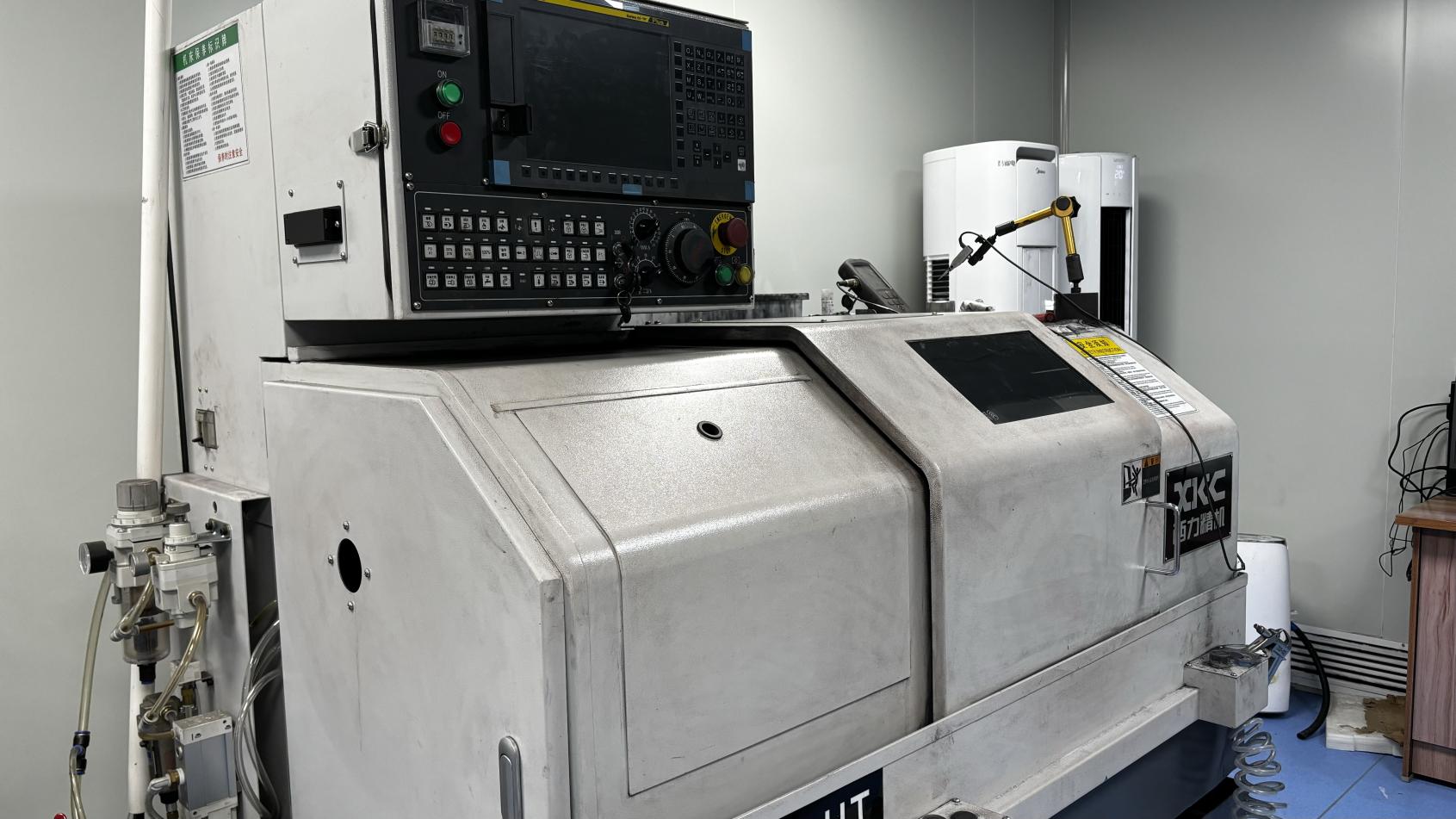
Inside Xelivor's modern production line and precision calibration laboratories.

Providing clear, engineer-verified answers to common questions about Ethernet adapters, connectors, and transceiver sourcing.
High-frequency telecom transformers, multi-port RJ45 modular jacks, and compatible optical modules for high-availability setups.