Xelivor
Xelivor
Xelivor
Bridging Copper Physical Layers and Optical Backbones with High-Reliability Hub and Interface Manufacturing
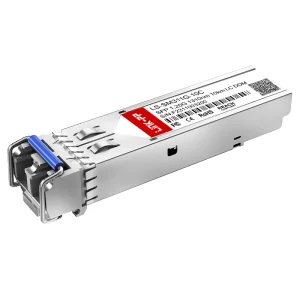
In the era of hyper-scale cloud data centers, edge computing deployment, and ubiquitous 5G distribution, the physical layer remains the most critical bottleneck for signal integrity and system-wide reliability. As a pioneer in optical communication modules and advanced structured cabling component interfaces, Xelivor Optoelectronics Co., Ltd. offers engineering breakthroughs that resolve critical network constraints. From 10Gbps optical transceivers to SMT RJ45 Modular Jacks, we deliver high-density, EMI-suppressed components that act as the backbone of modern networks.
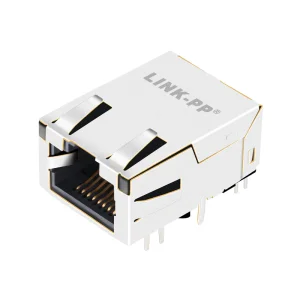
This whitepaper provides network architects, telecom procurement directors, and hardware systems engineers with deep technical insights into the construction, material optimization, and performance characteristics of RJ45 magnetic modules and high-speed cages. It demonstrates how factory-level vertical integration translates to unparalleled hardware field life, minimal bit error rate (BER), and high signal margin profiles.
Combining raw ecosystem density, engineering speed, and cost optimization to support global telecom networks.
Operating from China's high-tech production zones allows manufacturers like Xelivor to optimize every component down to the raw materials. Access to premium liquid crystal polymer (LCP) plastics, phosphor bronze contact pins, high-precision stamping dies, and magnetic toroids is localized. Our network of over 850 partners ensures component availability, minimizing supply chain disruption even during global microchip or raw material shortages.
Xelivor's 68 engineering experts bridge the gap between design and physical product. By leveraging local industrial tool-and-die infrastructure, custom footprints, specific shield designs, and unique fiber-optic wavelengths can be designed, modeled, prototyped, and tested in as little as two weeks. We released 85+ new hardware models last year alone to meet evolving network demands.
High-speed copper, integrated magnetics, and advanced EMI suppression are redesigning hardware engineering limits.
Modern networking hardware is undergoing a massive shift. High-speed networking, which was once the exclusive domain of expensive optical fibers, is now standard on copper interfaces (10GBASE-T, NBASE-T). This trend requires connector factories to design and test with signal frequencies up to 500 MHz and above. Below are the key technological forces driving RJ45 design:
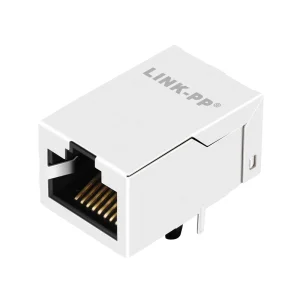
As smart building and industrial devices expand, connectors must carry up to 90W of power (IEEE 802.3bt). Xelivor RJ45 Modular Jacks are designed with contact materials that minimize thermal load and prevent contact pitting caused by electrical arcing during under-load disconnects.
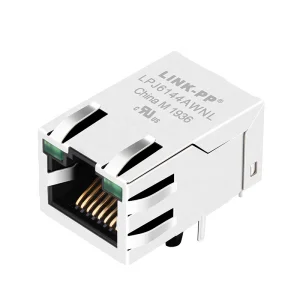
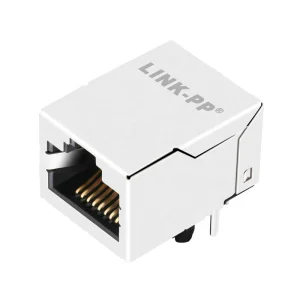
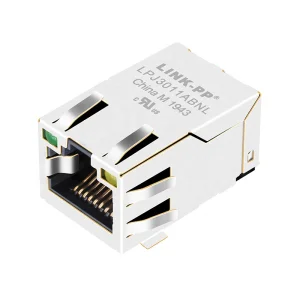
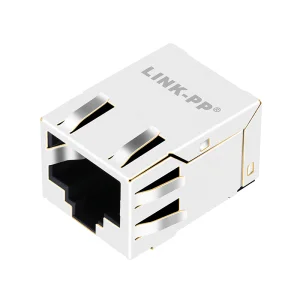
By integrating isolation transformers, common-mode chokes, and electrostatic discharge (ESD) resistors directly inside the metal RJ45 housing, manufacturers isolate the PHY chip from voltage surges and cross-talk, saving PCB space and optimizing layout routing.
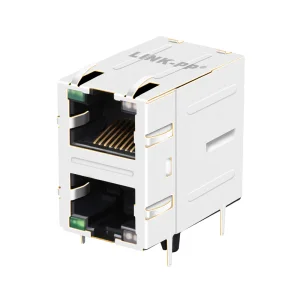
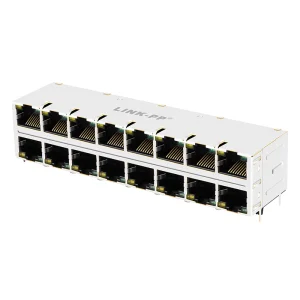
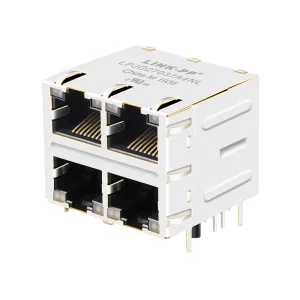
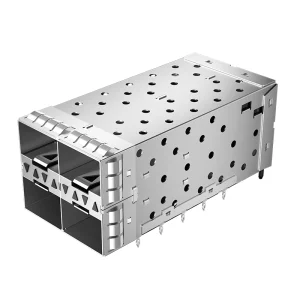
To maximize port density in 1U switches and servers, stacked connectors (such as 2x1, 2x2, and 2x8 port jacks) are standard. These complex structures require precise mechanical structures to prevent signal degradation and maintain mechanical integrity.
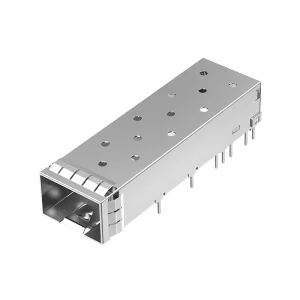
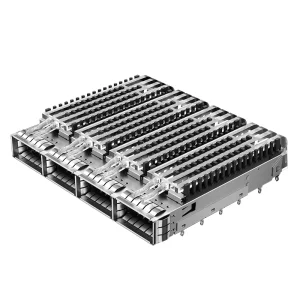
For high-density networking, managing heat is critical. Using integrated heat sinks on SFP/SFP+ cages allows forced-air cooling systems to draw heat directly away from the optical transceiver module's optoelectronics. Integrating light pipes into the shield housing provides real-time system status indicators directly at the port opening, avoiding the need for separate PCB-mounted indicator light assemblies.
How integrated physical connections power modern data hubs and communication nodes.
Deploying networking hardware in factories, power substations, and outdoor cabinets requires ruggedized designs. Waterproof RJ45 connectors (IP67/IP68 rated) feature robust locking rings and heavy shielding, keeping moisture, oils, dust, and severe electromagnetic interference from interrupting data transmission.
Data centers demand high data throughput with minimal latency. Our SFP+ and QSFP cages, paired with active optical cables (AOCs) and direct attach copper (DAC) cables, provide the physical interfaces for high-speed server-to-switch and switch-to-switch links.
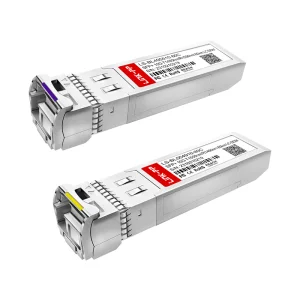
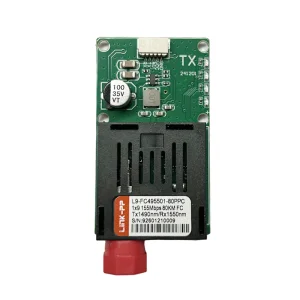
Outdoor 5G small cells and base stations face intense weather conditions. Optical modules (like the BiDi SFP 10G 80km) combined with heavy-duty weatherproofing shields provide reliable long-distance backhaul connection in challenging environments.
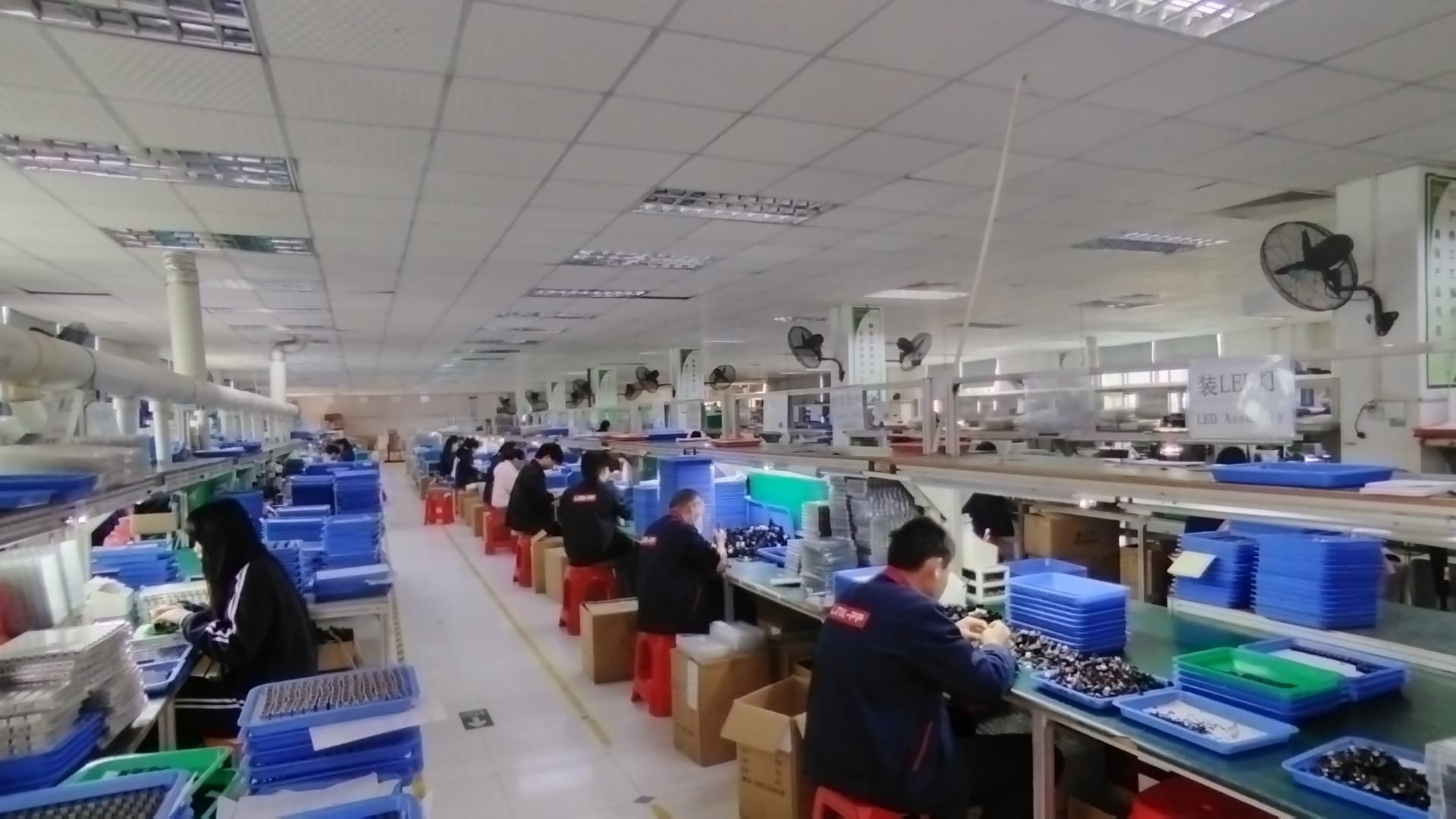
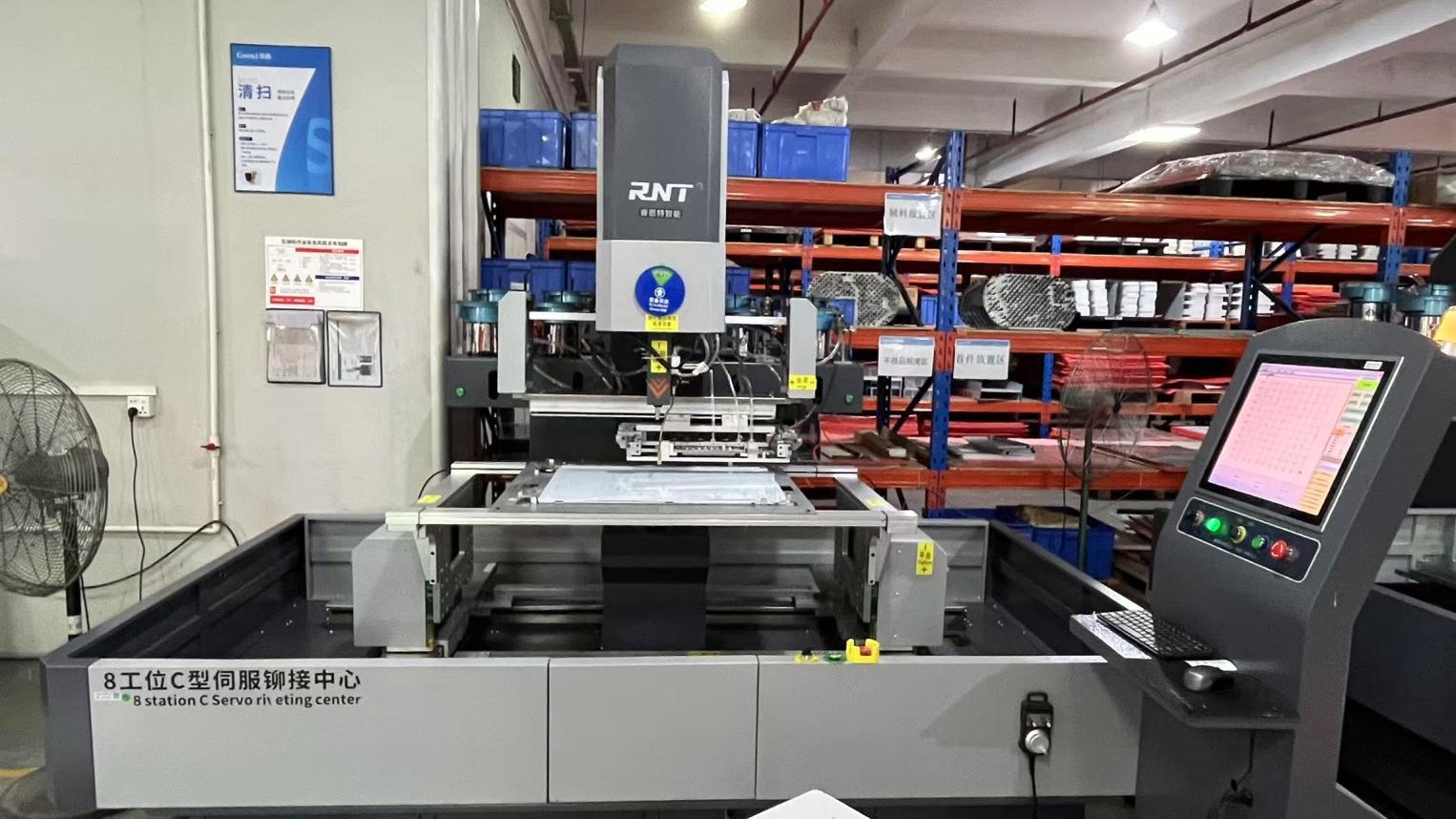
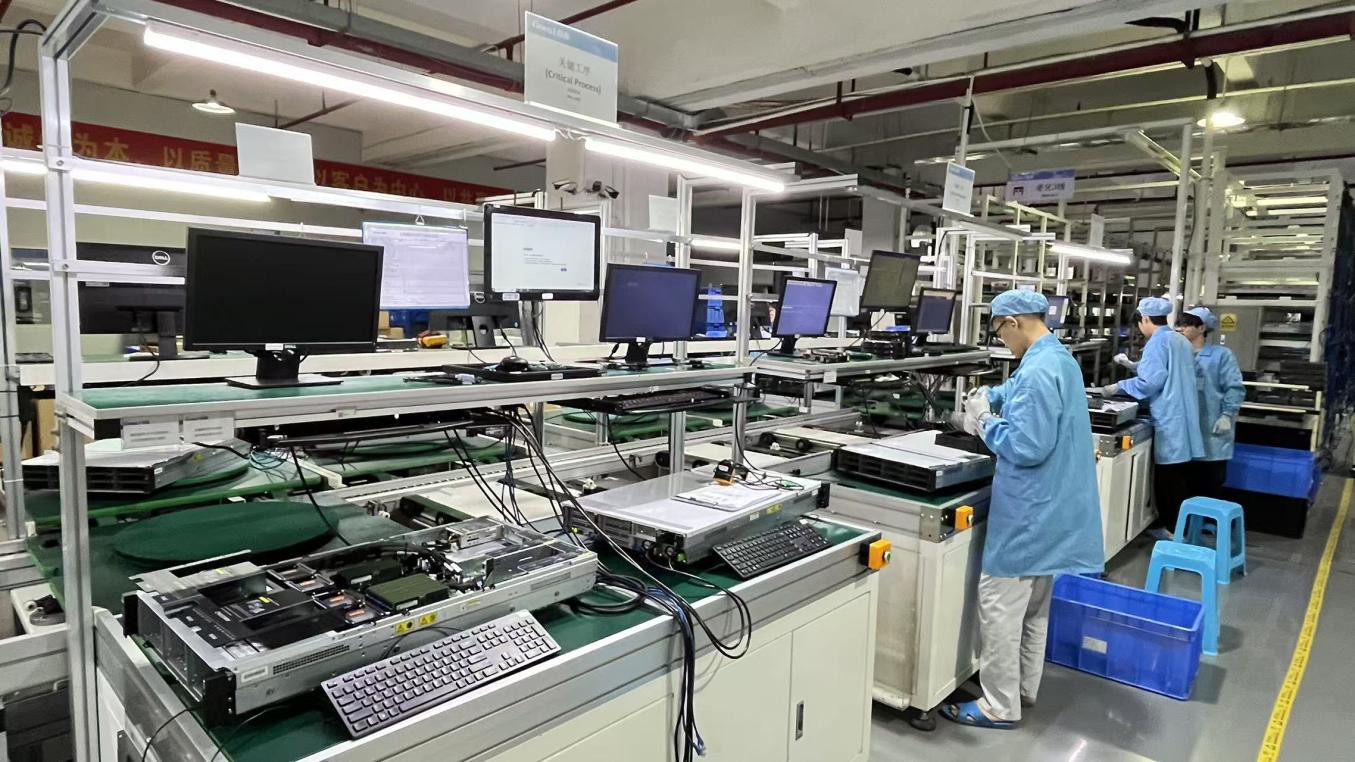
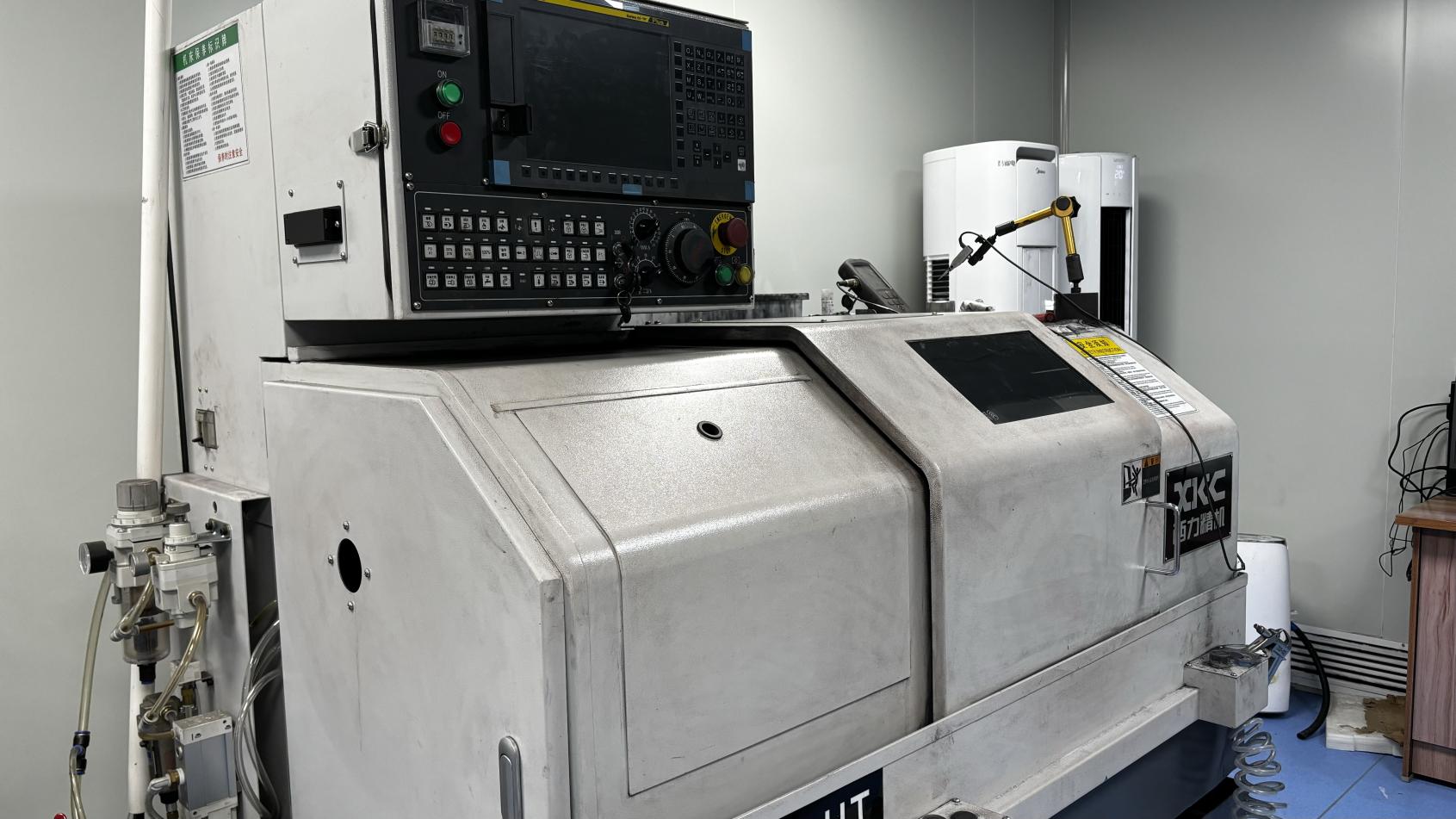
Established in 2016, our facility is engineered around meticulous inspection and validation protocols.
Quality is the foundation of our business. Our Quality Management System covers incoming material inspection, in-process quality control, aging tests, compatibility verification, optical parameter testing, and final product inspection. With 32 professional QA inspectors, we verify that every transceiver module and RJ45 jack meets rigorous international standards before packaging and shipping.
How we match stringent specifications, logistics demands, and engineering compliance standards.
Global companies, system integrators, and telecom distributors require more than just technical specifications; they need reliable supply chain execution, regulatory compliance, and consistent support. Our export services are built around these enterprise requirements:
All our products are manufactured to meet global environmental and safety standards. We provide complete documentation for RoHS (Restriction of Hazardous Substances), REACH compliance, UL safety testing, and CE certifications, streamlining customs clearance and end-user system approval.
We offer customized packaging, private labeling, specific firmware versions, and custom visual identities. This allows OEM partners and system integrators to roll out pre-configured, branded solutions directly into active field projects.
Addressing core design, selection, and reliability questions from networking engineers.