Xelivor
Xelivor
Xelivor
As Bangladesh aggressively implements its "Smart Bangladesh 2041" blueprint, the nation’s telecommunications network and internet infrastructure are undergoing a massive transformation. Driven by the expansion of 4G LTE coverage, the rollout of 5G trial networks, and the rapid deployment of FTTH (Fiber to the Home) services by Internet Service Providers (ISPs), the physical layer of the network requires unmatched stability and high data throughput.
In hot and humid tropical climates like Bangladesh's, electronic equipment is highly prone to thermal and electromagnetic interference (EMI). The standard deployment of networking hardware in cities like Sylhet or Khulna requires SFP cages with optimized EMI shielding gaskets and integrated heat sinks. Purchasing premium SFP cages ensures that signal integrity is kept at maximum capacity, reducing packet loss and unexpected downtime for regional telecom operators like Grameenphone, Robi Axiata, and Link3.
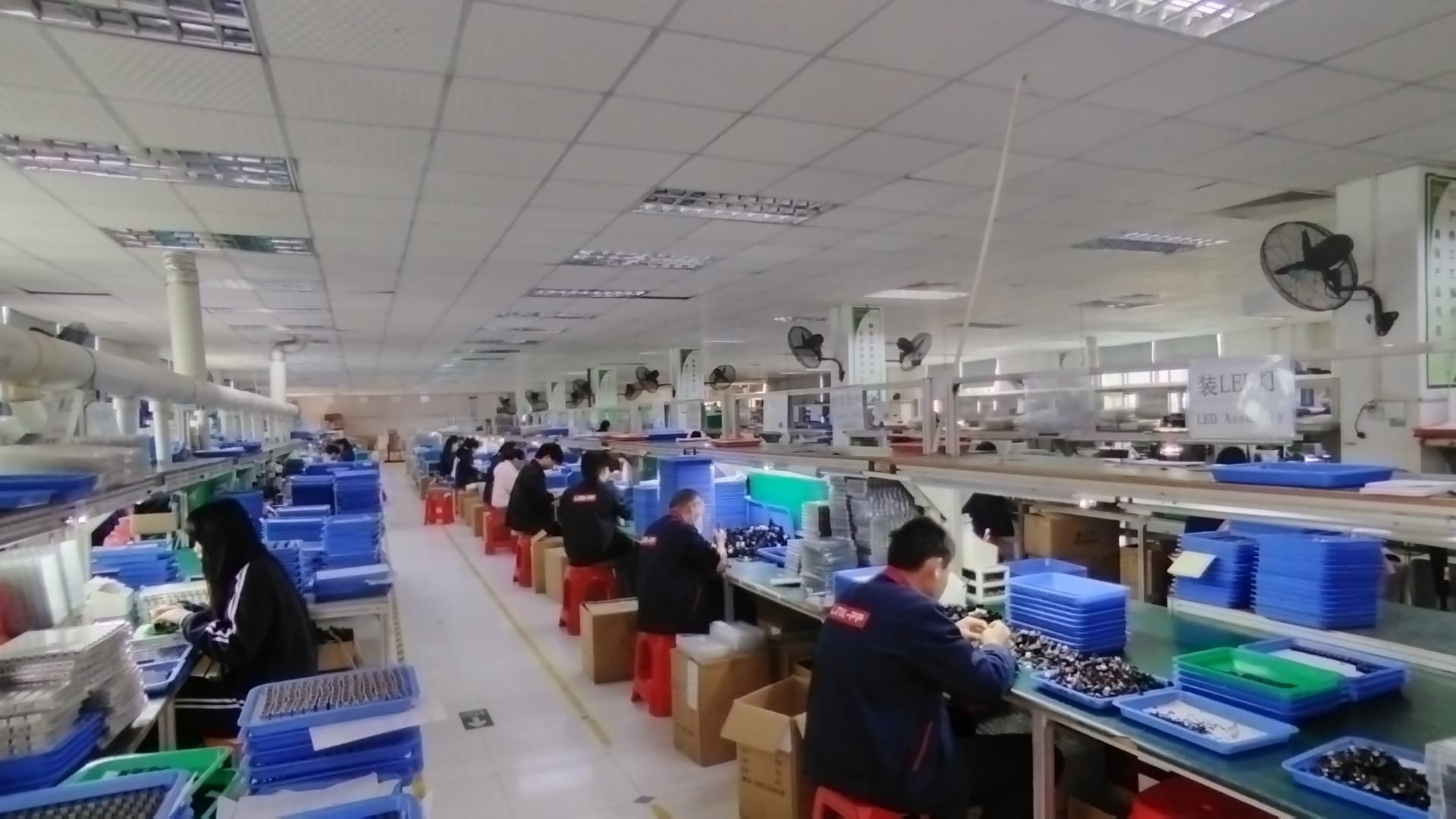
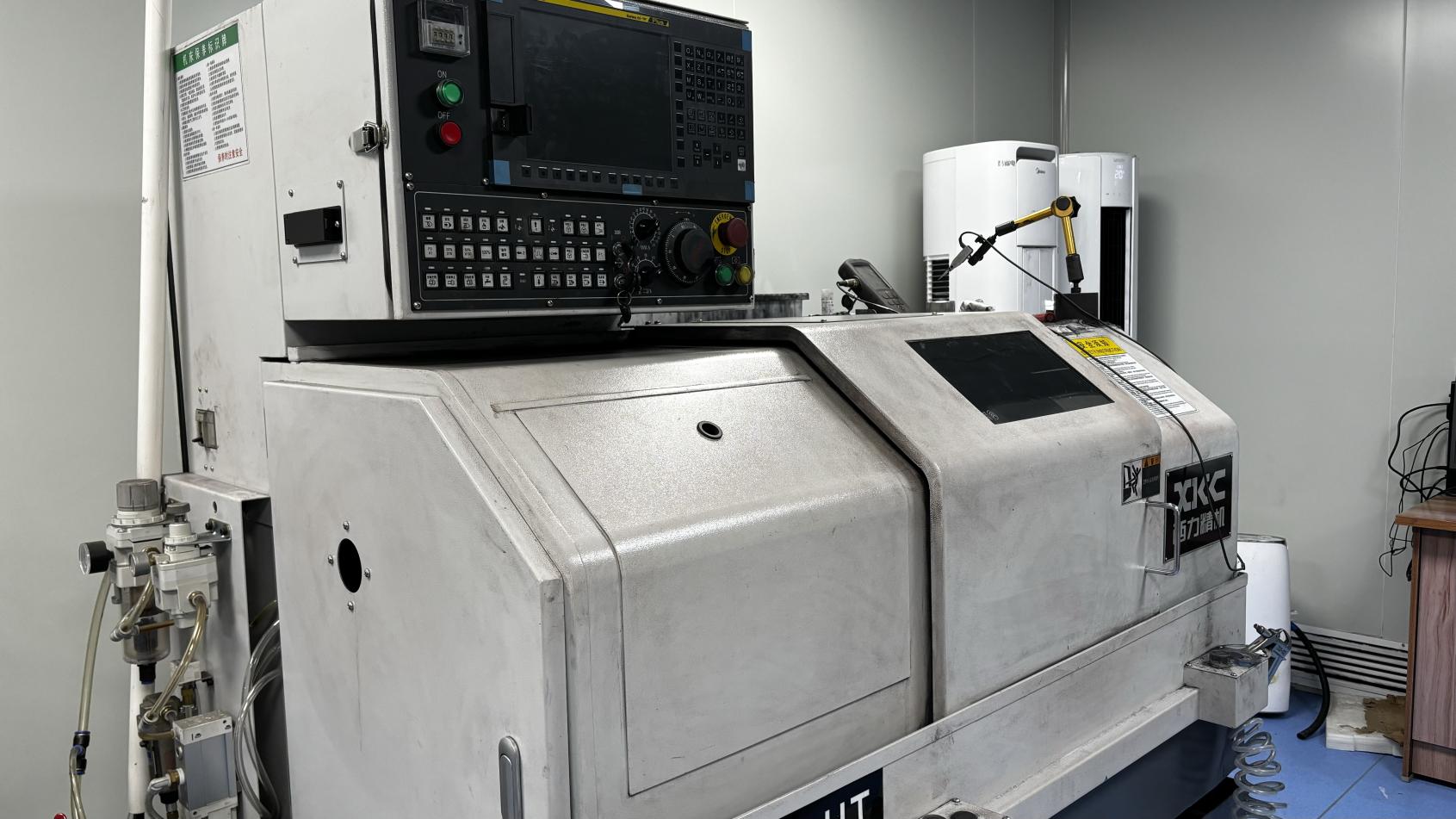
Leveraging China's world-leading optical manufacturing ecosystems, Xelivor offers quick iterations from prototype design to full-scale press-fit and through-hole SFP cage manufacturing. Our R&D facility introduces over 85 new network connectivity products annually.
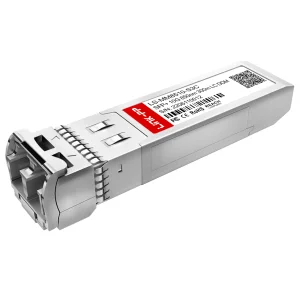
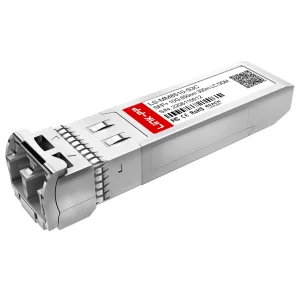
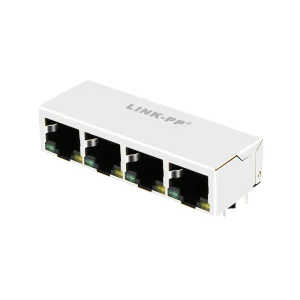
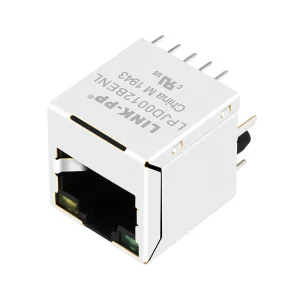
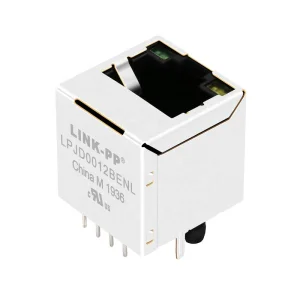
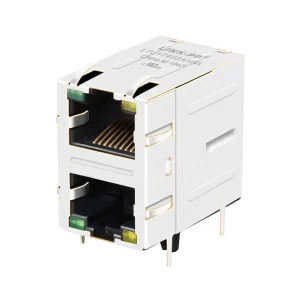
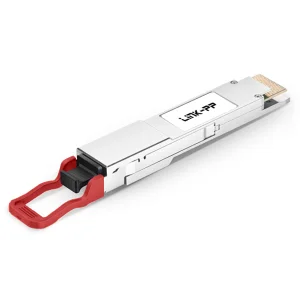
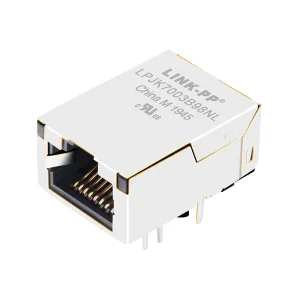
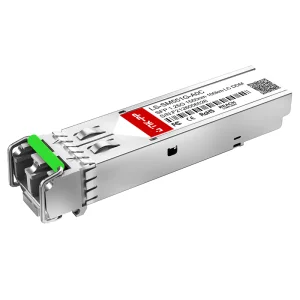
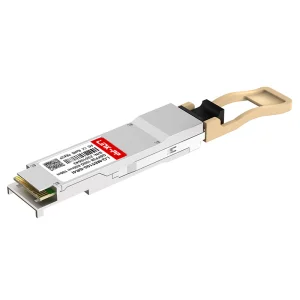
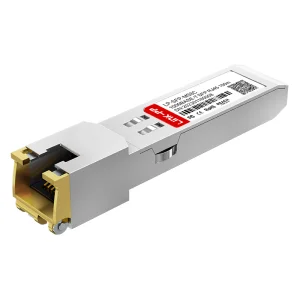
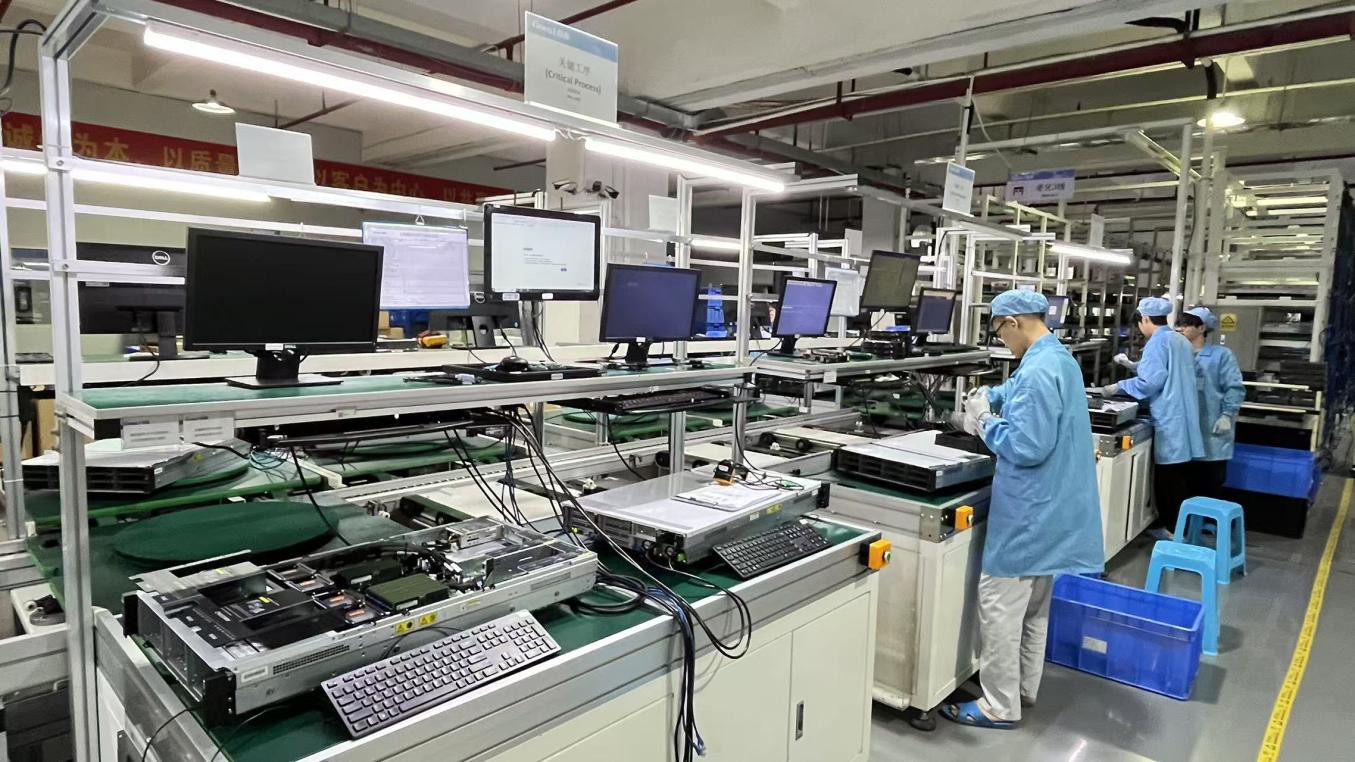
Every SFP cage, vertical RJ45 connector, and transceiver undergoes rigorous aging testing, optical parametric analysis, and compatibility verification by a specialized quality assurance team of 32 expert inspectors.
With robust supply chains spanning 850 partners, we manage hassle-free export procedures directly to the Hazrat Shahjalal International Airport in Dhaka and Chittagong Port, guaranteeing minimal lead time.
From customized SFP cage shielding structures to specialized EEPROM coding and custom packaging, we deliver exactly what your system engineers require to maintain local network stability.

SFP cages act as the critical physical interface holding transceivers securely in place on the PCB. Without a high-tolerance cage, slight physical vibrations or thermal fluctuations can lead to link loss, higher bit-error-rates (BER), and overall network performance degradation. Below is an engineering overview of our design priorities:
With data links scaling from 1G to 10G and up to 400G, high-frequency electromagnetic noise becomes a limiting bottleneck. Our cages incorporate robust spring finger designs and multi-point grounding pins to redirect EMI noise safely away from sensitive logic traces into the chassis ground.
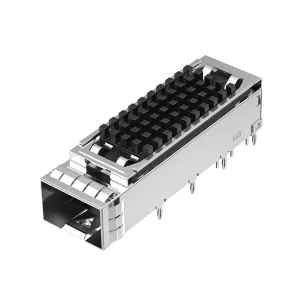
Transceiver modules can generate significant heat under persistent computational load, especially inside enclosed switches operating in high ambient temperature markets like Bangladesh. We offer standard cages equipped with integrated heat sinks (available in low-profile, PCI, or SAN heights) that draw heat away from the transceiver optical engine and dissipate it via airflow.
For high-yield production, our press-fit (elastomeric or eye-of-the-needle design) cages allow fast assembly without wave-soldering. For applications requiring extreme mechanical ruggedness, traditional through-hole variants are manufactured with thick solder pins to resist strong mechanical pulling forces during field installation.