Xelivor Xelivor

China Best Deep Ethernet Connector Manufacturers & Exporters

Comprehensive Whitepaper on High-Speed Magnetic RJ45 Sockets, Optical Transceivers, and Advanced Hardware Ecosystems for AI & IoT Infrastructure

Understanding Deep Ethernet Connectors in High-Speed Data Environments

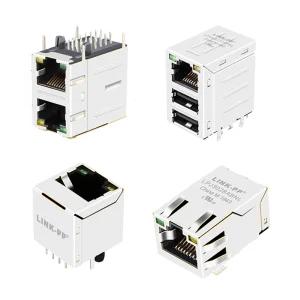
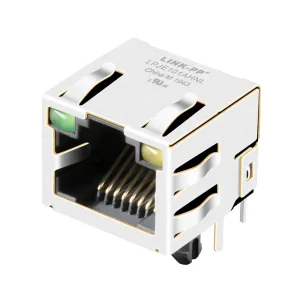
In modern hyper-connected environments, a Deep Ethernet Connector refers to an advanced grade of physical interconnect systems designed to handle high frequency, high bandwidth, and rugged industrial parameters beyond standard commercial RJ45 specifications. These connectors are engineered to maintain absolute signal integrity, manage complex electromagnetic interference (EMI), and support hybrid functionalities such as Power over Ethernet (PoE, PoE+, and PoE++) alongside high-speed data transmission. Unlike standard plug-and-play modules, Deep Ethernet Connectors incorporate integrated magnetics (Magjacks), internal shielding, transient voltage suppression, and micro-precision layout arrays.

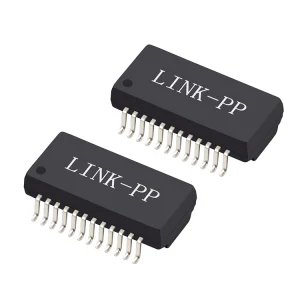
As global networks transition towards 2.5G, 5G, and 10G Base-T speeds, the demand for precision hardware that prevents signal attenuation has spiked. Deep Ethernet Connectors achieve this by embedding isolating transformers and common-mode chokes directly into the connector housing. This integration saves vital PCB real estate and ensures compliance with strict EMI standards like FCC Part 15 Class B and EN55022. By mitigating high-frequency noise and return loss, these connectors serve as the silent backbone of cloud computing nodes, high-density switches, telecommunication base stations, and automated factory floors.

Structural Classifications & Advanced Integration

Deep Ethernet engineering is defined by several key physical design methodologies, customized for distinct application environments:

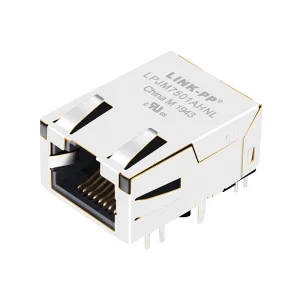
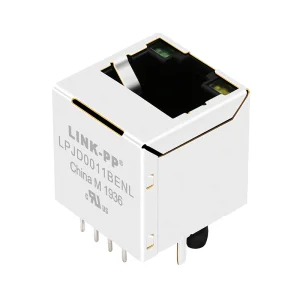
  • Tab-Up vs. Tab-Down Configurations: The orientation of the locking tab dictates PCB layout strategies. Tab-up configurations are widely selected to ease cable extraction in crowded chassis, while tab-down options are optimized to prevent spatial conflicts with adjacent components or low-clearance enclosures.
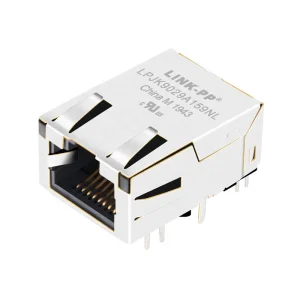
  • Integrated Magjacks: By housing the transformer blocks within the RJ45 metal shield, these integrated connectors prevent electromagnetic fields generated on the PCB from bleeding into the signal lines, ensuring cleaner data transmission.
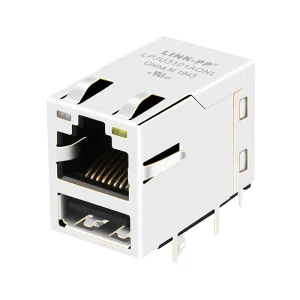
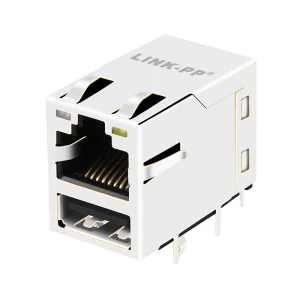
  • Hybrid USB-RJ45 Assemblies: Combines Cat 6 Ethernet paths and high-speed USB 3.0 ports into a single consolidated component, significantly reducing PCB footprint in edge routers and high-density industrial control units.
  • Low-Profile Form Factors: Specifically engineered for compact devices like 1U rackmount servers and fanless embedded computers, where vertical height is restricted to less than 10mm.
68+
R&D Engineers
850+
Supply Partners
$12M+
Annual Export (USD)
8+ Yrs
Industry Experience

Why Sourcing from China's Advanced Clusters Yields Strategic Advantages

China has evolved from a high-volume manufacturing center to a high-precision technology hub for networking hardware. Shenzhen, Dongguan, and the Yangtze River Delta house complete vertical ecosystems for copper metallurgy, polymer chemistry, high-speed automated winding, and electroplating. This allows Chinese manufacturers to source aerospace-grade raw materials—such as liquid crystal polymer (LCP) plastics for high-temperature soldering and high-purity phosphor bronze for contacts—with minimal lead times and exceptional quality control.

For international procurers, sourcing from China-based leaders like Xelivor Optoelectronics Co., Ltd. guarantees access to advanced production systems. Xelivor's modern precision facilities operate under tight ISO 9001:2015 frameworks. Leveraging a highly specialized R&D team of 68 engineers and 32 dedicated quality assurance inspectors, Xelivor is capable of releasing over 85 customized products annually. This speed to market, backed by a strong network of 850 supply chain partners, ensures that international buyers can procure custom firmware, specialized labeling, and OEM/ODM solutions without the traditional delays associated with localized western supply networks.

Macro Industry Solutions & Application Scenarios

High-performance connection systems serve as the foundation of critical modern digital frameworks:

🌐

Hyperscale Data Centers

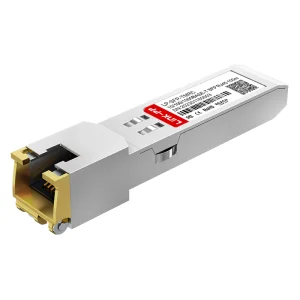
Deploying high-density optical transceiver modules (such as 25G SFP28, 100G QSFP28, and high-frequency copper transceivers) to achieve ultra-low latency, optimal thermal dissipation, and error-free throughput at high computing loads.

📶

5G & Edge Telecom

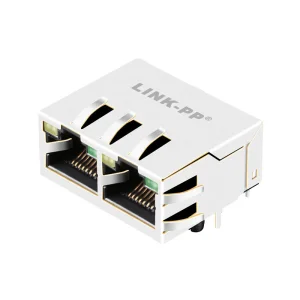
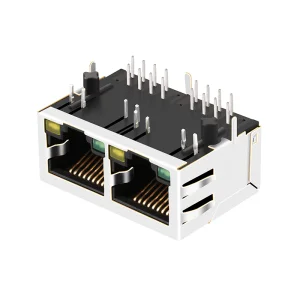
Providing low-profile, single-port and multi-port 2.5G/5G/10G Base-T RJ45 connectors with integrated magnetics to handle extreme bandwidth requirements on cellular backhauls and outdoor antenna systems.

🏭

Industrial Automation

Utilizing robust PoE-enabled magnetic jacks capable of carrying up to 30W-90W of power alongside gigabit Ethernet to control robotic arms, industrial IP cameras, and high-vibration smart manufacturing systems.

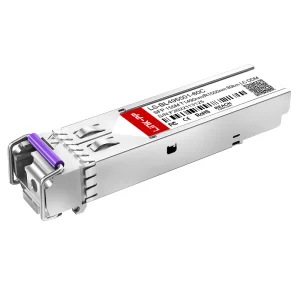
Furthermore, enterprise networks demand versatility. In offices and remote branch locations, hybrid modules that combine Cat 6 RJ45 ports with integrated USB hubs reduce clutter behind routing terminals. In telecommunications, the integration of optical systems (like SFP BiDi transceiver modules operating up to 80km) alongside traditional copper cabling allows companies to easily scale their networks across metropolitan areas without requiring expensive retrofits.

Modern Manufacturing Facility & Advanced Testing

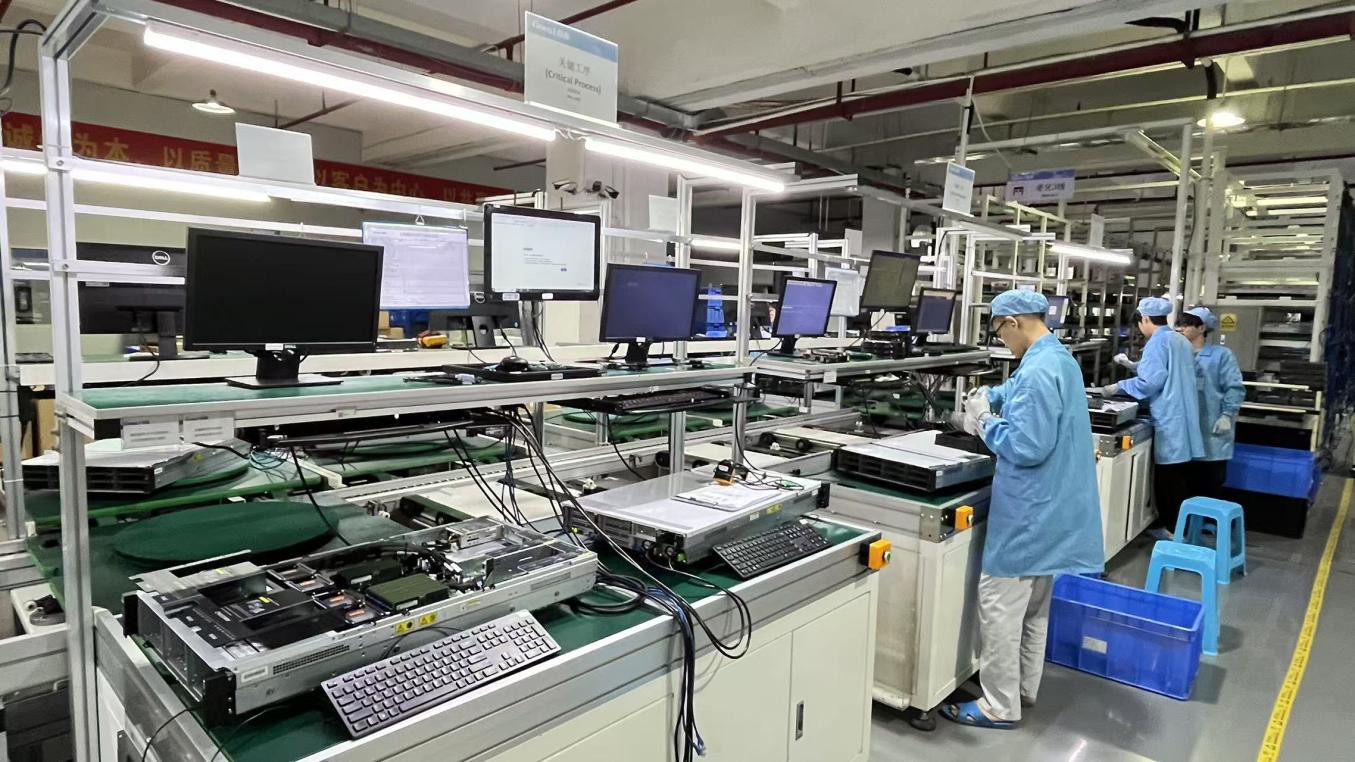
Xelivor Optoelectronics Co., Ltd. operates state-of-the-art cleanrooms and automated assembly lines. Our comprehensive quality assurance flow guarantees zero-defect performance across every optical transceiver and Ethernet socket.


Quality is central to Xelivor's manufacturing operations. Every batch of Deep Ethernet Connectors and optical modules undergoes a multi-phase testing protocol. This process begins with strict incoming material inspections, followed by in-process optical parameter checks, high-frequency signal integrity verification (using advanced Time Domain Reflectometry and Eye Diagram analysis), accelerated thermal aging tests, and final compatibility validation across multiple vendor router platforms (such as Cisco, TE, and Zyxel).
Strategic Sourcing Framework for Global Procurement Officers

When procuring high-performance connectors and fiber connectivity components from China, global engineering and supply chain managers must evaluate several technical benchmarks to ensure long-term network reliability:

1. Signal Integrity & Electromagnetics Compliance

Procure only components that feature verified electrical isolation performance. A top-tier manufacturer should supply comprehensive testing parameters for insertion loss (typically below -1.0dB at high frequencies), return loss (exceeding -12dB up to 250 MHz for Gigabit systems), and Common Mode Rejection Ratio (CMRR) to protect against electromagnetic noise.

2. Material Composition & Durability

Ensure the plug contacts use gold plating of appropriate thickness (typically 30u" to 50u") over nickel plating to prevent oxidation and maintain contact integrity across thousands of insertion cycles. The outer shield must be composed of copper alloy or tin-plated brass to guarantee stable ground paths and excellent EMI suppression.

3. OEM/ODM Customization & Firmware Alignment

Modern high-speed transceiver modules (e.g., QSFP28, SFP28) require precise EEPROM memory map programming to ensure compatibility with major host equipment platforms (Cisco, Juniper, Arista, etc.). Select a manufacturer that has the technical capability to write customized firmware and execute real-time multi-vendor interoperability tests.

4. Certifications & Eco-Compliance

To avoid regulatory blockages in European and North American markets, all connectors must carry verifiable certifications, including RoHS, REACH, UL 94V-0 flammability ratings, and ISO 9001:2015 certification for the production plant.
Frequently Asked Questions (FAQ) & Sourcing Insights

What is a "Deep Ethernet Connector" and how does it differ from standard RJ45 sockets?
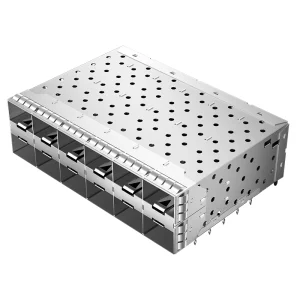
A "Deep Ethernet Connector" is a high-grade, structurally optimized interconnect solution designed for demanding telecommunication, edge computing, and industrial applications. Unlike simple commercial plastic RJ45 jacks, Deep Ethernet Connectors feature built-in magnetics (transformers and chokes), high-performance metal shielding (copper or brass with nickel/tin plating), gold-plated phosphor bronze pins (ranging from 15u" to 50u" gold thickness), and integrated LED indicators. These features enable them to maintain signal integrity, suppress EMI noise, support Power over Ethernet (up to 90W), and handle high data rates up to 10Gbps, all while reducing the board space required for external filter components on the system PCB.
Why is magnetic integration (Magjack) essential for modern 2.5G, 5G, and 10G Ethernet speeds?
As frequency levels increase to support 2.5G/5G/10G Base-T speeds, copper cables act as antennas, picking up high-frequency ambient noise and radiating EMI. Integrated magnetics (Magjacks) isolate the physical network cable from the transceiver chip, blocking common-mode noise, preventing high-voltage surges, and matching transmission impedances. This magnetic layout reduces signal distortion and ensures the system passes stringent international testing standards (like FCC Part 15 and CISPR 22) for electromagnetic compatibility.
What is the significance of "Tab Up" versus "Tab Down" RJ45 connector designs?
"Tab Up" and "Tab Down" refer to the mechanical orientation of the latching clip on the RJ45 male plug. A Tab Up design has the latch release tab on the top of the port, which is often preferred for bottom-edge mounting on PCBs to allow easy manual disconnection. Tab Down designs position the latch at the bottom, which is suitable for top-edge board configurations. Choosing between these options depends on the spatial layout of your enclosure, adjacent ports, heat sink locations, and external cable management routes.
How do hybrid RJ45 and USB combo connectors benefit PCB designers?
By combining a high-performance RJ45 Ethernet port with single or dual USB 3.0/2.0 ports into a single metal-shielded component housing, hybrid connectors save up to 40% of PCB edge space. This integration reduces trace lengths and minimizes trace cross-talk, while simplifying pick-and-place assembly processes during manufacturing. This approach is highly effective in space-constrained hardware like compact IoT gateways, industrial controls, and network switches.
What custom SFP+ and QSFP28 transceiver options can Chinese manufacturers provide?
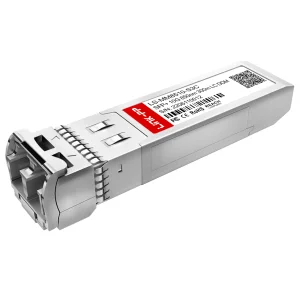
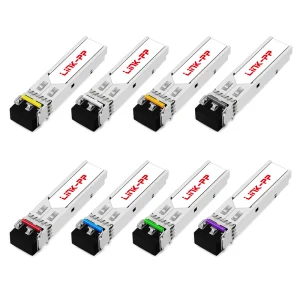
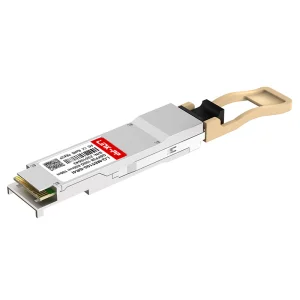
Chinese manufacturers like Xelivor offer extensive customization for SFP, SFP+, SFP28, and QSFP28 optical modules. This includes custom micro-firmware programming to ensure seamless compatibility with host machines from Cisco, TE, Juniper, and other leading manufacturers. We also provide customized laser wavelength configurations (such as specific BiDi or CWDM/LWDM channels), varied transmission distances (ranging from 100m to 80km), extended industrial temperature testing (-40°C to +85°C), and custom labels and packaging.
How does PoE capacity affect the choice of a Deep Ethernet Connector?
Power over Ethernet (PoE) injects DC current directly into the data cable pairs, which generates additional heat and can cause electrical arcing during connection/disconnection. To prevent damage, connectors used in PoE applications (especially PoE+ 30W and PoE++ 60W/90W) must be designed with thicker internal magnetic winding wires, robust thermal management, and contact terminals that are shaped to ensure any spark gap occurs far from the sensitive data contact points.
What testing procedures are used to verify the performance of RJ45 magnetic sockets?
To ensure reliability, high-quality connectors undergo a series of tests: DC resistance measurements to check wire continuity, Hipot tests to confirm isolation up to 1500V AC/2250V DC, signal integrity testing (such as insertion loss and return loss up to 500 MHz), vibration testing, salt spray resistance checks for the metal shielding, and thermal aging tests to verify durability under operating temperatures ranging from -40°C to +85°C.
How do Xelivor's design and manufacturing systems support fast global shipping?
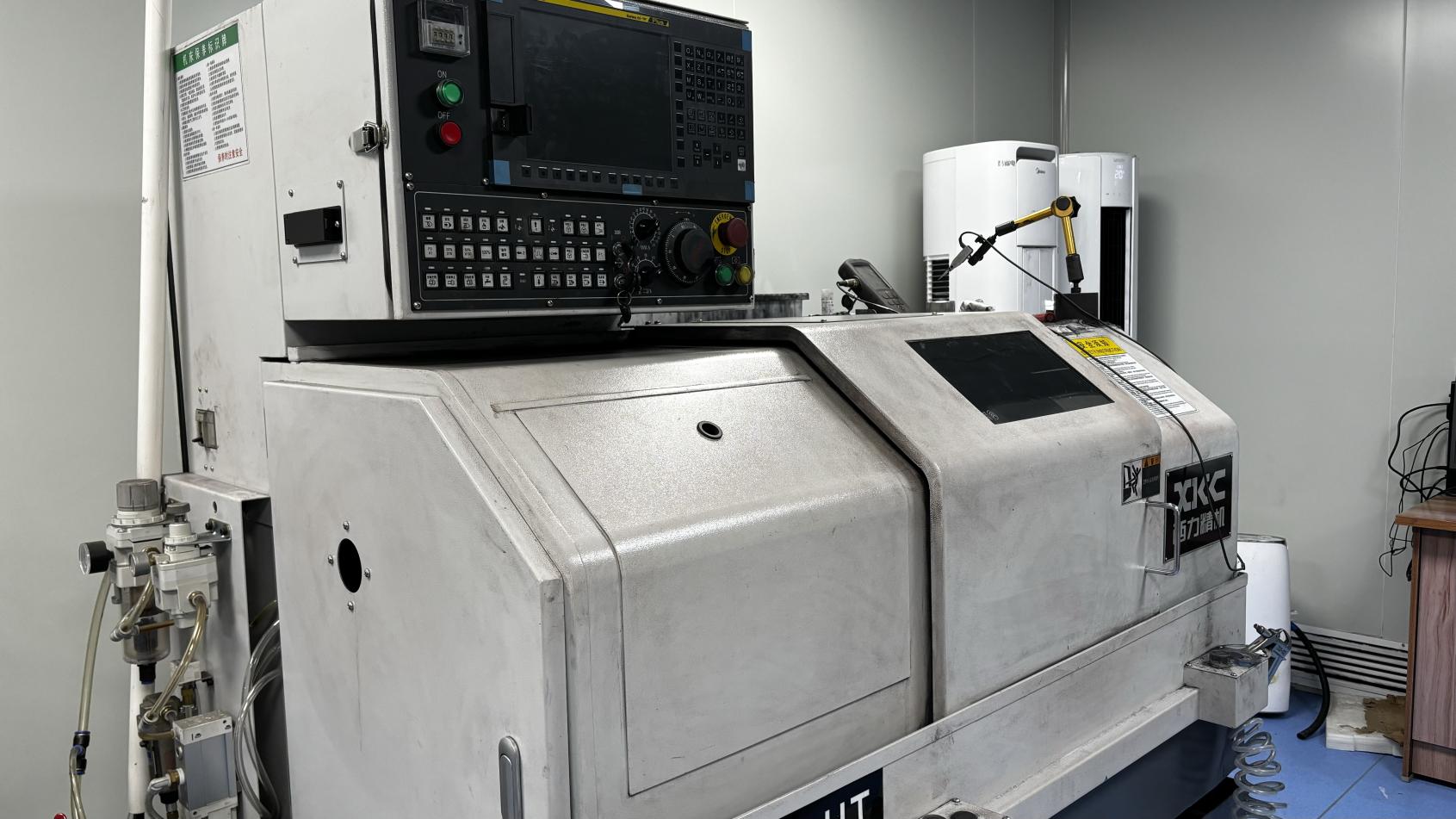
With over 8 years of industry experience and a well-established supply network of 850 partners, Xelivor streamlines the production process from raw material procurement to final assembly and testing. By utilizing automated wire-winding machinery and advanced calibration systems, we maintain stable lead times and high yield rates. Our experienced R&D team can quickly process customization requests, helping global buyers transition from initial technical specifications to finalized products and dispatch within short timelines.