Xelivor
Xelivor
Xelivor
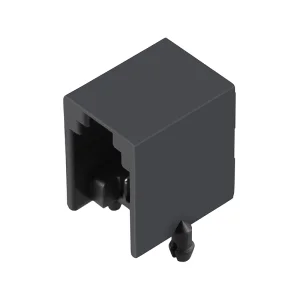
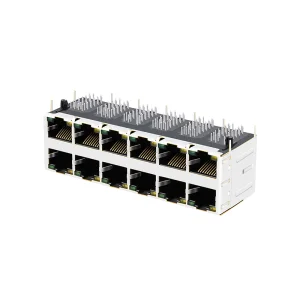
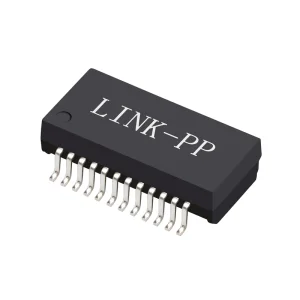
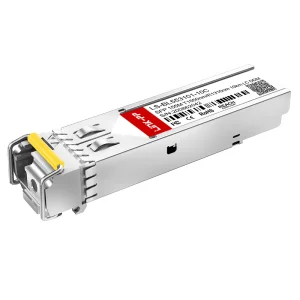
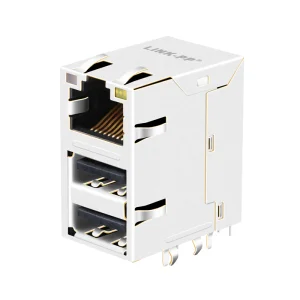
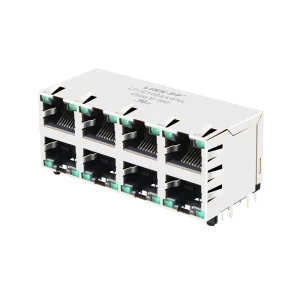
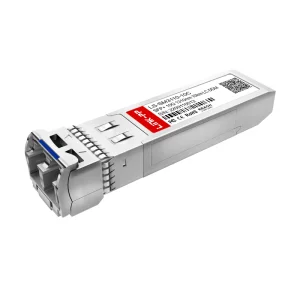
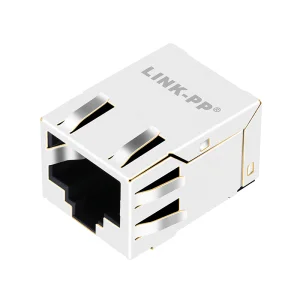
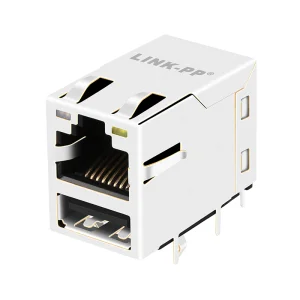
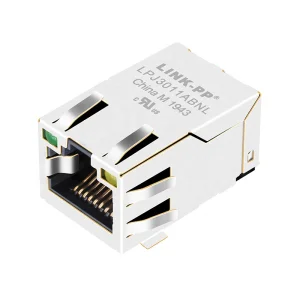
The global networking landscape is undergoing a massive transformation, fueled by the demand for higher bandwidth, lower latency, and seamless edge-to-cloud integration. At the core of this infrastructure lies the critical hardware interfaces: the RJ45 switch port and the high-speed optical transceiver. Originally designed as a straightforward interface for telephone lines, the RJ45 interface has scaled up to 10G Base-T speeds and integrates sophisticated magnetic components directly inside the modular jack to suppress electromagnetic interference (EMI) and preserve signal integrity.
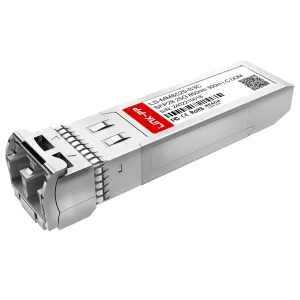
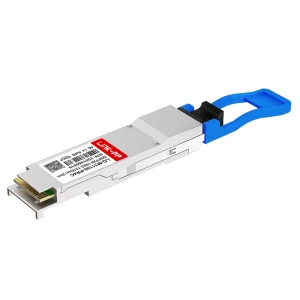
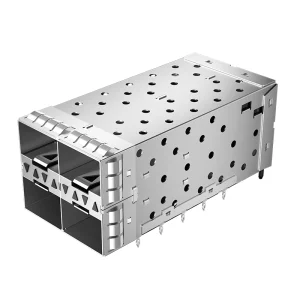
Today's network switches must process exabytes of data across industrial automated systems, corporate data networks, and hybrid cloud infrastructures. As global enterprise infrastructure migrates to Category 6A (Cat6a) and Category 8 (Cat8) cabling standards, physical layer hardware components must be engineered to resist high thermal loads, control insertion and return loss, and deliver Power over Ethernet (PoE/PoE+/PoE++) up to 90W. Simultaneously, optical-to-copper integration has become standard practice, where network switches utilize a combination of modular RJ45 switch jacks and SFP+/SFP28/QSFP28 cages to handle different transmission distances and medium requirements. This necessitates top-tier engineering expertise and robust manufacturing standards from high-precision electronic suppliers.
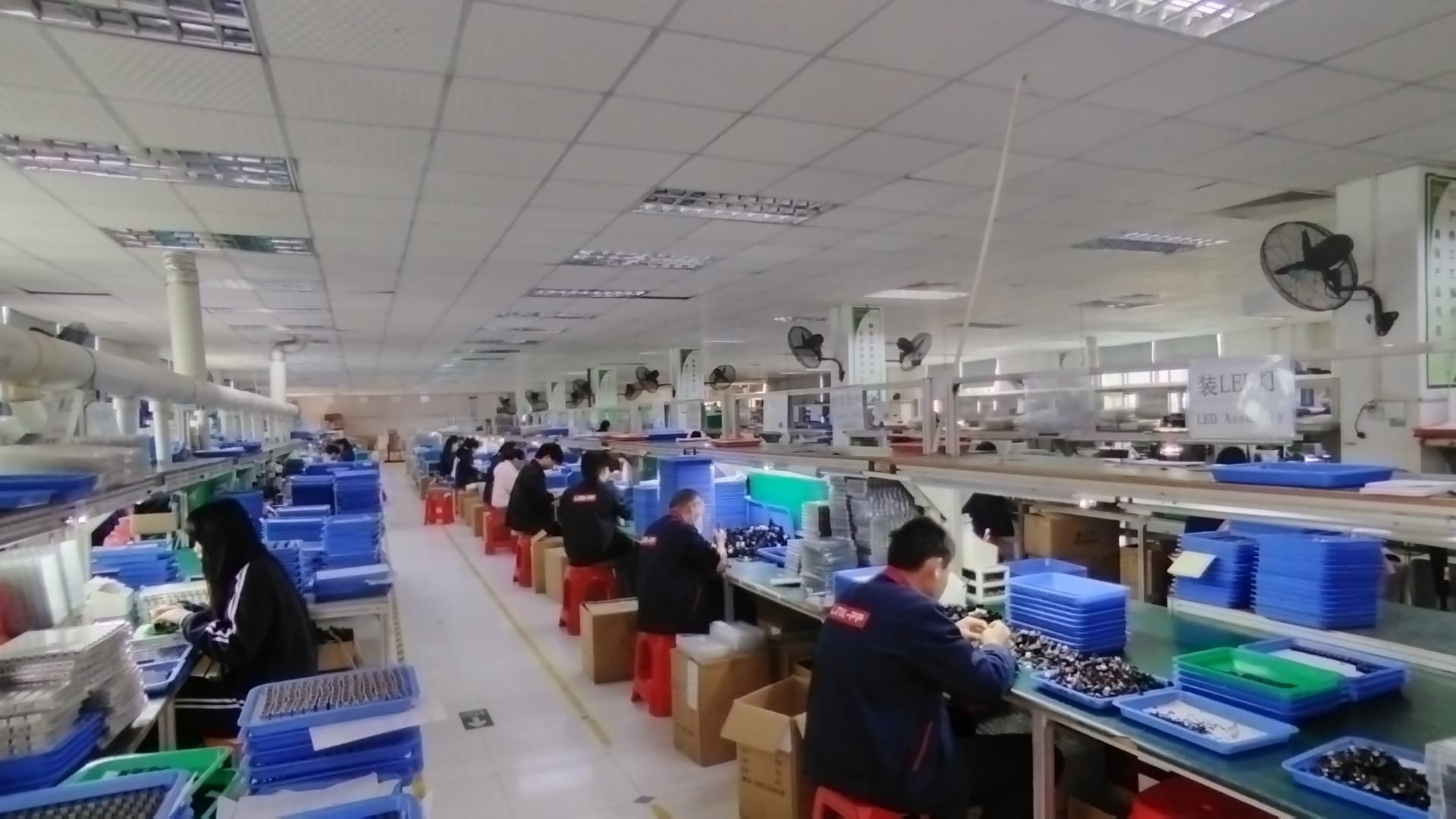
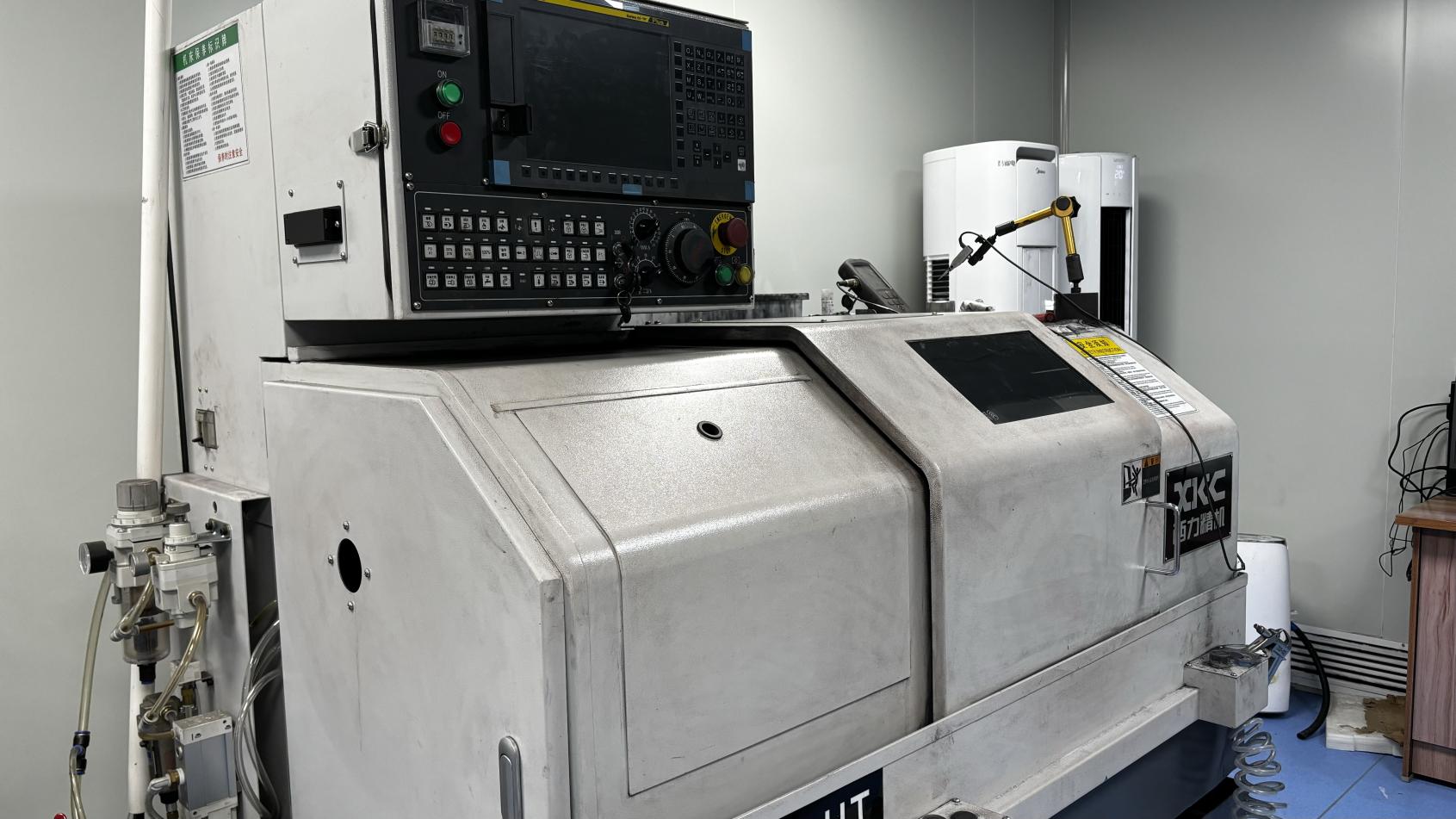
The manufacturing of high-performance RJ45 modular jacks and optical transceivers is no longer a labor-intensive assembly line process. It has transformed into a high-precision, highly automated Industry 4.0 discipline. Leading Chinese manufacturers leverage state-of-the-art SMT (Surface Mount Technology) assembly, high-speed automated stamping, automated optical inspection (AOI), and continuous coplanarity testing to ensure that millions of ports leave the facility with zero defects.
This level of precision is crucial for complex network switches. A single failure in a ganged 2x6 stacked RJ45 jack or a SFP+ cage will compromise the entire line card, leading to system downtime. To mitigate this risk, Chinese manufacturers integrate the entire supply chain—ranging from plastic injection molding of high-temperature polymers (like LCP and Nylon-46) to advanced chemical electroplating for selective gold contact deposition (varying from 3u" to 50u" gold plating according to application demands). This extreme degree of supply chain consolidation ensures rapid turnaround, customization capabilities, and unmatched price-to-performance efficiency for global procurement teams.
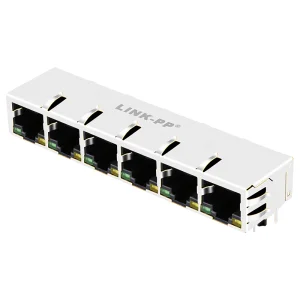
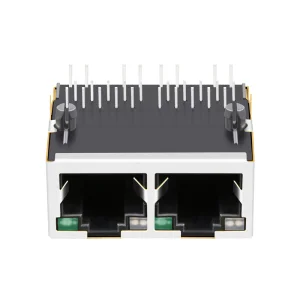
Multi-port ganged structures (like 2x4, 2x6, and 2x8 stacked RJ45 connectors) optimize space on high-density switches, integrating magnetic isolation inside the mechanical footprint to prevent internal crosstalk.
Built-in isolation transformers and common-mode chokes remove high-frequency noise from Ethernet lines, maintaining signal integrity and providing crucial ESD protection up to 15kV.
Comprehensive verification using network analyzers to test return loss, near-end crosstalk (NEXT), and insertion loss ensures compliance with IEEE 802.3 and ANSI/TIA-568 standards.
Global hardware sourcing directors, telecommunication operators, and data center integrators operate under strict regulatory and quality parameters. Connectors and transceiver components must align with international frameworks, including FCC, CE, RoHS, and REACH. In addition, when building switches for extreme commercial or industrial environments, hardware developers require specific structural choices:
Network connectivity products operate across diverse environmental and mechanical conditions, each demanding specific material selections and electrical characteristics:
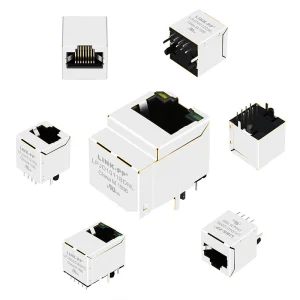
1. Industrial Automation (Industry 4.0 Smart Factories): In these environments, RJ45 ports are subjected to high vibration, wide temperature variations (-40°C to +85°C), and chemical exposure. Manufacturers deploy specialized through-hole DIP connectors with robust mechanical locking tabs and customized LED configurations for status diagnostic displays in PLC units and CNC systems.
2. Edge Computing and Telecom Nodes: Edge computing nodes are deployed outdoors in compact, sealed enclosures. Thermal dissipation is a key challenge. Low-profile RJ45 modular jacks and high-speed SFP+ transceivers must be optimized for low power consumption and high thermal efficiency to prevent localized thermal bottlenecks.
3. Hyperscale Data Centers: In hyperscale cloud centers, port density and ultra-high bandwidth are critical. Here, stacked multi-port SFP cages and multi-gigabit RJ45 switch jacks are combined. This configuration allows engineers to deploy dense switches that support fiber optic uplinks alongside copper patch cables for short-distance connections.
Xelivor Optoelectronics Co., Ltd. is a professional manufacturer of optical transceivers and fiber connectivity solutions, dedicated to serving global data center, telecom, enterprise network, and cloud computing industries. Established in 2016, the company operates from a modern manufacturing facility covering 386 m² and has built a strong reputation for delivering reliable, high-performance optical communication products worldwide.
With over 8 years of industry experience and 6 years of export experience, Xelivor has achieved annual export revenues exceeding USD 12 million. Our products are exported to customers across North America, Europe, Southeast Asia, the Middle East, and South America, supporting a wide range of networking applications from enterprise infrastructure to hyperscale data centers.
Xelivor specializes in the design, development, and production of optical transceivers, including SFP, SFP+, SFP28, QSFP28, QSFP-DD, OSFP, DAC, and AOC solutions. Backed by a dedicated R&D team of 68 engineers, the company continuously invests in innovation and launched more than 85 new products in the past year to meet the evolving demands of high-speed optical networks.
Quality is at the core of our operations. Our quality management system incorporates incoming material inspection, in-process quality control, aging tests, compatibility verification, optical parameter testing, and final product inspection. A professional quality assurance team of 32 inspectors ensures every product meets strict international standards before shipment.
The company maintains long-term cooperation with more than 850 supply chain partners, enabling stable sourcing, efficient production, and rapid delivery capabilities. Our flexible manufacturing system supports OEM, ODM, private label, customized firmware, customized labeling, and packaging services to satisfy diverse customer requirements.
As a company with strong independent R&D capabilities, advanced testing equipment, and a customer-oriented approach, Xelivor serves distributors, system integrators, telecommunications operators, data center providers, network equipment vendors, and enterprise customers worldwide.
Driven by innovation, quality, and partnership, Xelivor Optoelectronics Co., Ltd. remains committed to providing cost-effective, reliable, and future-ready optical communication solutions for global networking infrastructure.