Xelivor
Xelivor
Xelivor
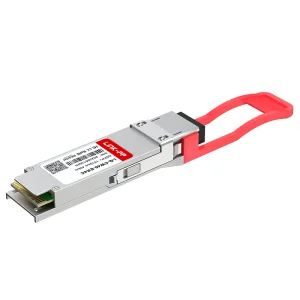
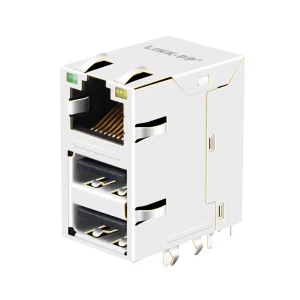
Explore our premium engineered portfolio including high-performance unshielded modular jacks, SFP transceivers, and integrated magnetic connectors.
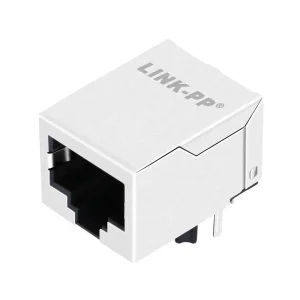
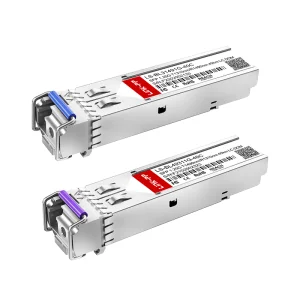
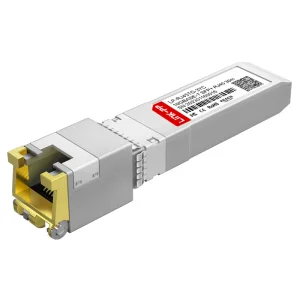
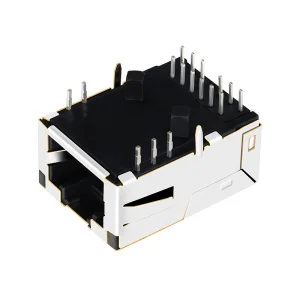
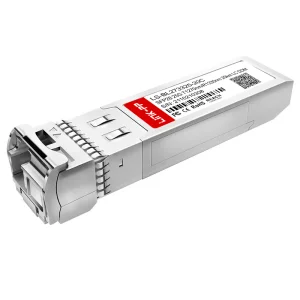
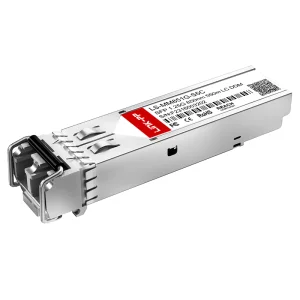
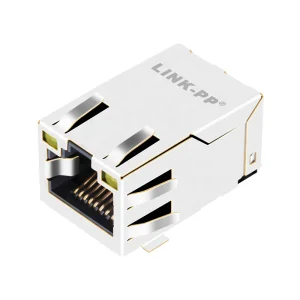
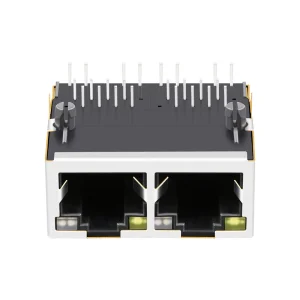
In structured cabling, the Unshielded RJ45 (8P8C) connector represents the sweet spot of high-speed transmission economics, mechanical simplicity, and ease of installation. Unlike shielded counterparts, unshielded twisted pair (UTP) connectors rely strictly on the precision of the physical twist configurations inside the cable and the geometry of the connector pins to cancel out electromagnetic interference (EMI).
Engineers select unshielded RJ45 connectors for setups where electrical grounding paths are unavailable or complex. Grounding a shielded network incorrectly creates ground loops that can induce more noise than they prevent. Unshielded connectors bypass this hazard entirely, making them standard in mainstream commercial LANs, cloud computing edge facilities, and telecom installations.
Our advanced manufacturing processes utilize premium polymer housings combined with high-grade phosphor bronze contacts coated with 50 micro-inches of gold. This guarantees minimal insertion loss, excellent return loss margins, and robust performance over a lifetime of up to 750 mechanical mating cycles.
The global networking envelope is scaling rapidly, and the demand for high-reliability RJ45 solutions spans multiple operational environments.
Within top-tier server racks, unshielded RJ45 connectors support management ports, server console connections, and auxiliary copper links where fiber is not cost-effective.
Unshielded architectures power smart offices, IP surveillance systems, and VoIP networks. Their flexibility allows for rapid terminations in dense patch panels.
Used in localized control cabinets, these connectors enable data interfaces between PLCs and human-machine interfaces (HMIs) in environments with low EMI exposure.
As network requirements shift from Gigabit Ethernet to 10G, 25G, and 40G over copper, the technical specifications of unshielded connectors must adapt. Signal frequency rises, meaning crosstalk (NEXT/FEXT) and external noise become major design constraints.
Modern Cat6A designs feature internal guide slots that stagger wire alignment. This layout maintains physical separation between pairs up to the point of contact termination, reducing crosstalk.
The industry is moving away from impact punch-down styles to toolless IDC (Insulation Displacement Connector) terminations. These configurations ensure consistent contact pressure and lower attenuation.
New manufacturing methods use high-temperature polymers like Liquid Crystal Polymers (LCP) and Polybutylene Terephthalate (PBT). These withstand high-density automated wave soldering and SMT reflow profiles.
While high-speed copper networking (up to 40Gbps) traditionally requires shielded designs (Cat8.1/Cat8.2), our research and development team is breaking boundaries by optimizing internal geometries. We aim to support higher bandwidths with unshielded configurations over short-reach distances.
By improving the dielectric constant of internal isolation frameworks, we are designing modular connectors that exceed standard performance parameters. This gives engineers a cost-effective path to upgrade networks without overhaul.
Operating from our specialized modern micro-manufacturing and assembly facility covering 386 m², Xelivor Optoelectronics Co., Ltd. has established a strong reputation for delivering reliable, high-performance optical communication and copper interface products worldwide. Founded in 2016, we integrate engineering expertise with streamlined manufacturing.
Backed by a dedicated R&D team of 68 engineers and a specialized quality assurance team of 32 inspectors, we maintain a strict verification system. Every batch of unshielded connectors, magnetic jacks, and transceiver modules undergoes compatibility verification, optical/electrical parameter testing, and aging tests before export.
With over 8 years of industry experience and 6 years of export experience, we maintain long-term partnerships with more than 850 supply chain partners. This network enables stable raw material sourcing, rapid product testing, and flexible OEM/ODM runs.
Explore our state-of-the-art production environments, precision testing bays, and warehouse layouts that guarantee rapid, defect-free global deliveries.
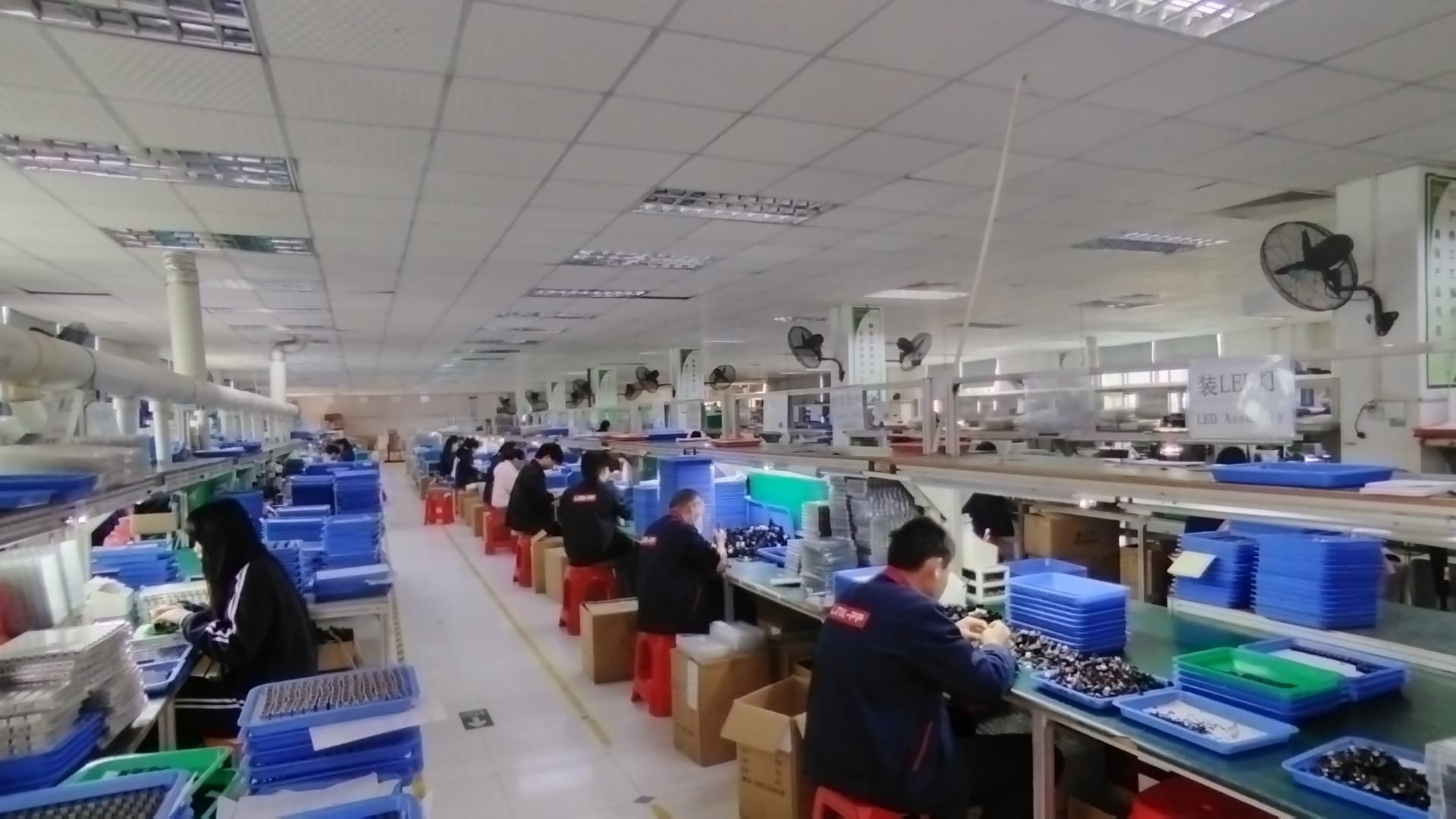
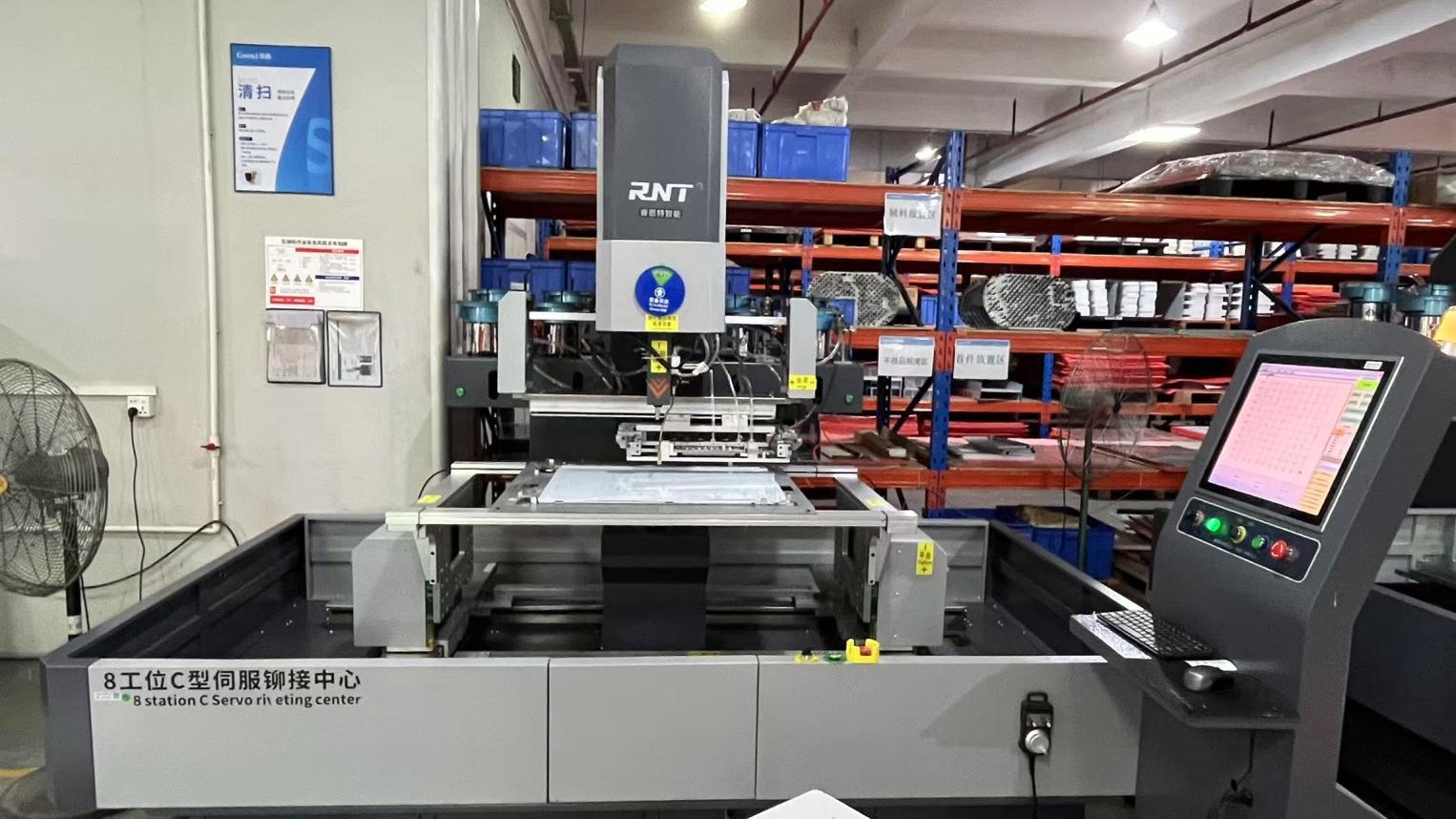
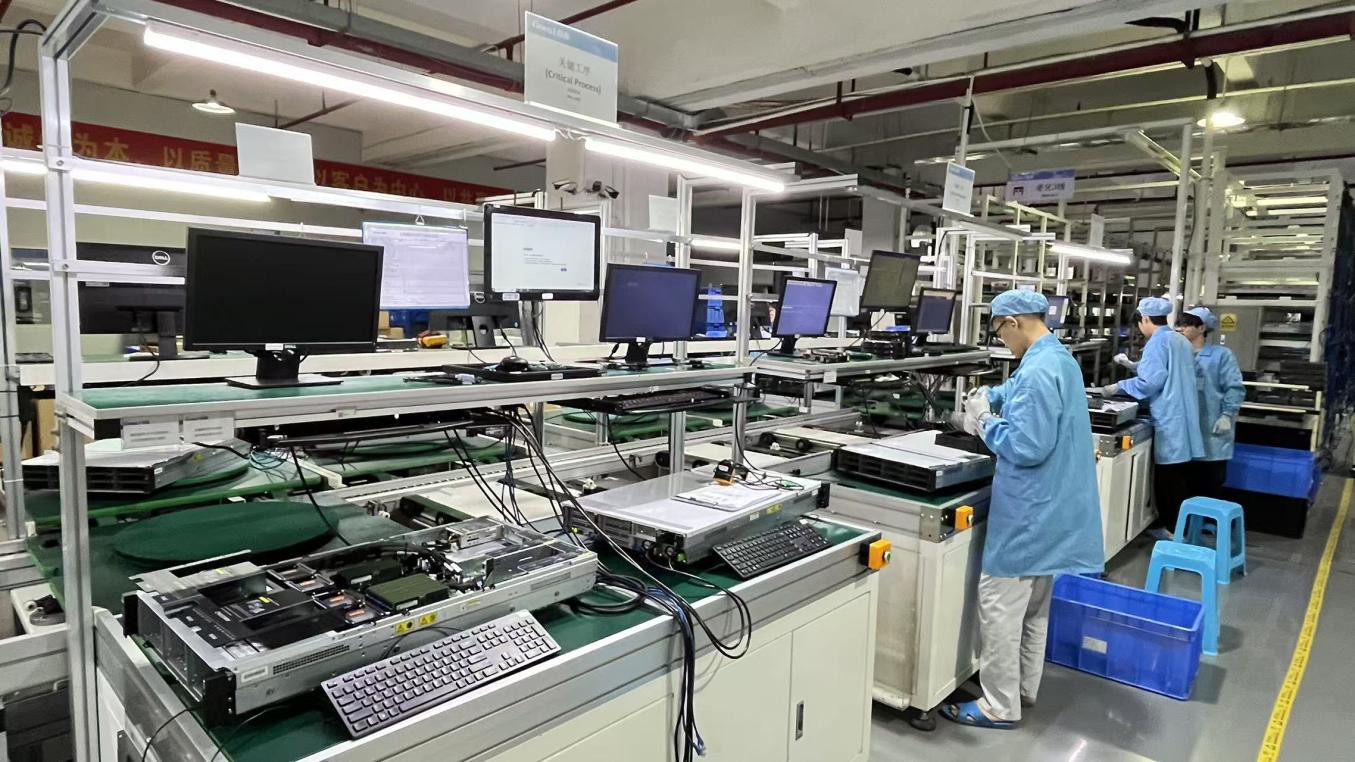
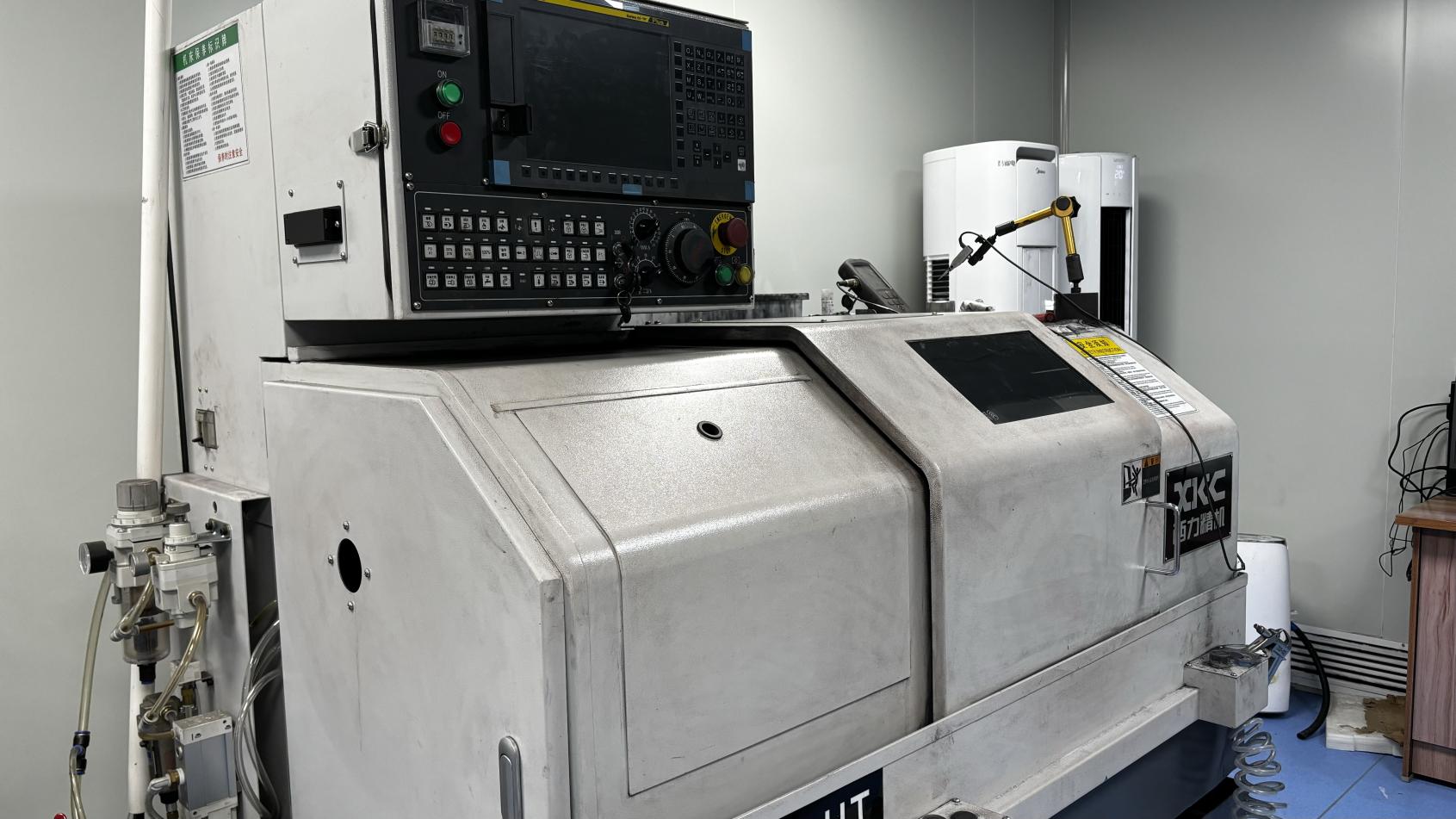
Providing seamless technical integration and localized support for North American, European, and Asia-Pacific markets.
Our RJ45 unshielded modular jacks undergo sweep testing up to 500 MHz, ensuring complete alignment with ANSI/TIA-568.2-D and IEC 60603-7 performance specifications.
We source heavy metal-free, flame-retardant thermoplastics and lead-free plating materials, securing RoHS and REACH declarations for smooth customs clearance.
Our localized support desks in Europe and North America offer quick turnaround times for custom schematic files, STEP 3D models, and pre-sales engineering consulting.
Our engineering leads answer common questions about design considerations, performance limits, and system configurations.
Unshielded RJ45 connectors are recommended for setups without significant high-frequency EMI, and where simple installations are preferred. Grounding issues in STP setups can create ground loops that degrade network performance. UTP is also a cost-effective option, offering easier terminations and lighter cable loads in cable trays.
Gold resists corrosion and maintains low contact resistance. A 50-microinch gold layer (the highest standard) protects contacts from oxidation and wear in high-humidity or industrial conditions. This enables reliable data links over at least 750 mating cycles, while thinner plating (3u" to 15u") is suited only for low-cycle consumer electronics.
Yes, our premium unshielded RJ45 jacks support IEEE 802.3bt (PoE++ Type 4) to deliver up to 90W. The connector designs feature phosphor bronze contacts to minimize contact resistance and heat buildup. When separating cables under load, our connector contact geometries prevent electrical arcing from damaging critical interface areas.
We use advanced vector network analyzers (VNAs) to verify Near-End Crosstalk (NEXT), Far-End Crosstalk (FEXT), Return Loss, and Insertion Loss parameters. These metrics are matched against TIA/EIA limits to verify compliance. Physical stress tests also ensure housing retention force (min 94N) and gold plating wear resistance.
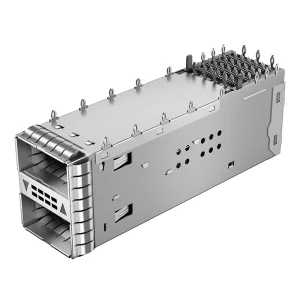
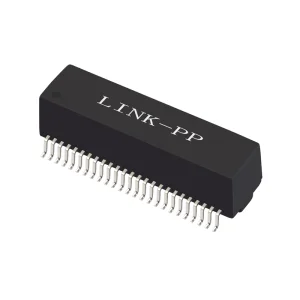
Complete your layout with our high-speed active optical modules, passive cages, and signal isolation transformers.