Xelivor
Xelivor
Xelivor
Engineered for dense enterprise aggregation, hyperscale switching nodes, and immediate deployment across Germany's telecom grids.
As Germany’s key telecommunications corridor and a pivotal point for Central European traffic exchange, Berlin is experiencing unprecedented data volume growth. Fuelled by Silicon Allee startups, advanced research hubs like the Adlershof Science Park, and regional cloud initiatives, network systems are scaling beyond legacy 10G and 25G pipes. Enterprise networks, colocation providers, and regional ISPs require immediate access to stable 100G, 200G, and 400G optical interfaces.
The city's connectivity is anchored by DE-CIX Berlin, a critical internet exchange connecting local ISPs, global networks, and hyperscalers. The implementation of Germany's "Federal Gigabit Strategy" demands a massive upgrades of metropolitan optical transport rings. Meeting these needs requires transceivers capable of high transmission rates, extreme heat tolerance, and zero packet loss.
German datacenter operators operate under some of the world's strictest environmental standards, including the Energy Efficiency Act (EnEfG). Under these regulations, datacenters must lower PUE (Power Usage Effectiveness) and monitor active system components. Optical transceivers, though physically small, consume a significant portion of systemic power when deployed in high densities.
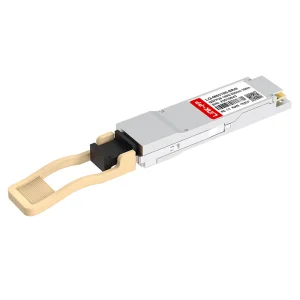
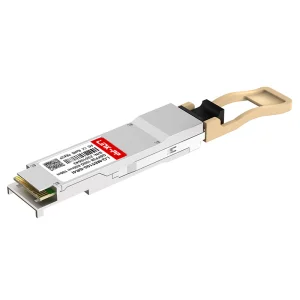
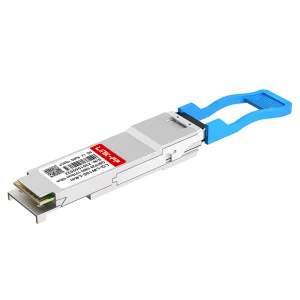
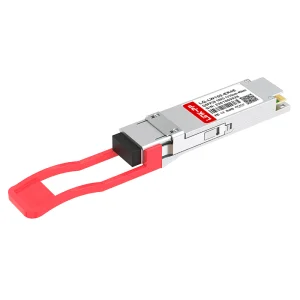
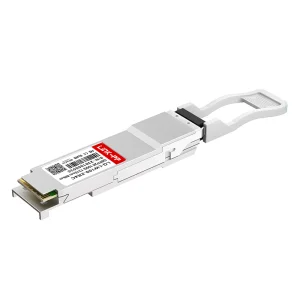
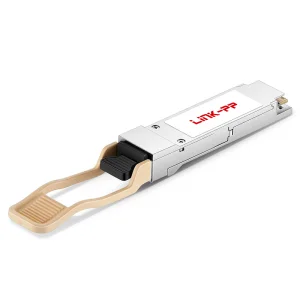
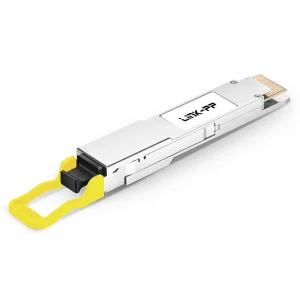
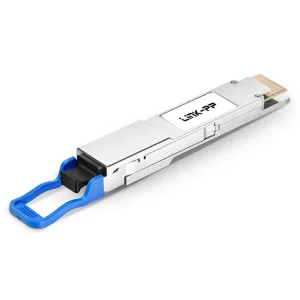
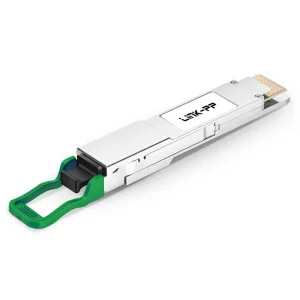
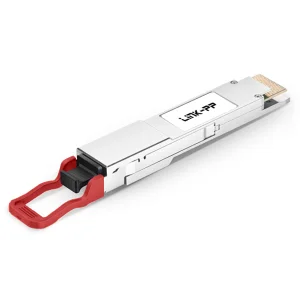
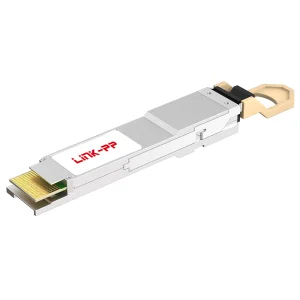
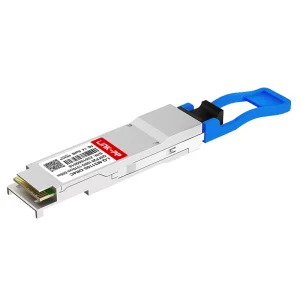
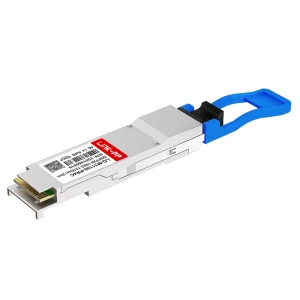
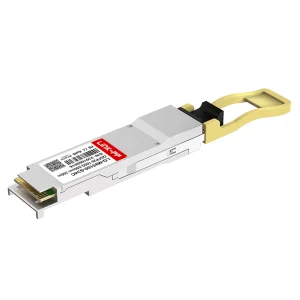
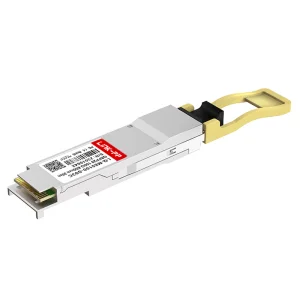
Xelivor addresses these strict mandates by designing 100G QSFP28 and 400G QSFP-DD modules with reduced power budgets. By optimizing DSP circuits and incorporating Silicon Photonics (SiPh) in 400G modules, our hardware exhibits lower thermal emission profiles, reducing the active cooling load of switch racks in Berlin's edge facilities.
How the industry is migrating from PAM4 modulation schemes toward coherent technologies, silicon photonics, and 800G integration.
Standard 100G platforms historically utilized NRZ (Non-Return-to-Zero) encoding. Moving into 200G and 400G architectures, PAM4 (Pulse Amplitude Modulation 4-Level) becomes vital, doubling the data rate by packing four logic levels into each clock cycle, reducing physical lane counts.
Multi-Source Agreements (MSAs) guarantee mechanical and electrical specifications. Xelivor modules adhere strictly to QSFP28 and QSFP-DD MSA guidelines, ensuring zero interoperability issues when mixed with third-party vendors like Cisco, Arista, and Juniper.
By integrating active lasers and optical multiplexers on a silicon platform, silicon photonics reduces optical assembly complexity. This directly improves manufacturing yields, lowers cost per gigabit, and enhances system reliability.
Engineered to link regional sub-stations and campus hubs in Berlin-Potsdam-Brandenburg districts.
By leveraging highly integrated optical component ecosystems and modern manufacturing facilities, Xelivor maintains pricing advantages, consistent component quality, and fast shipping cycles.
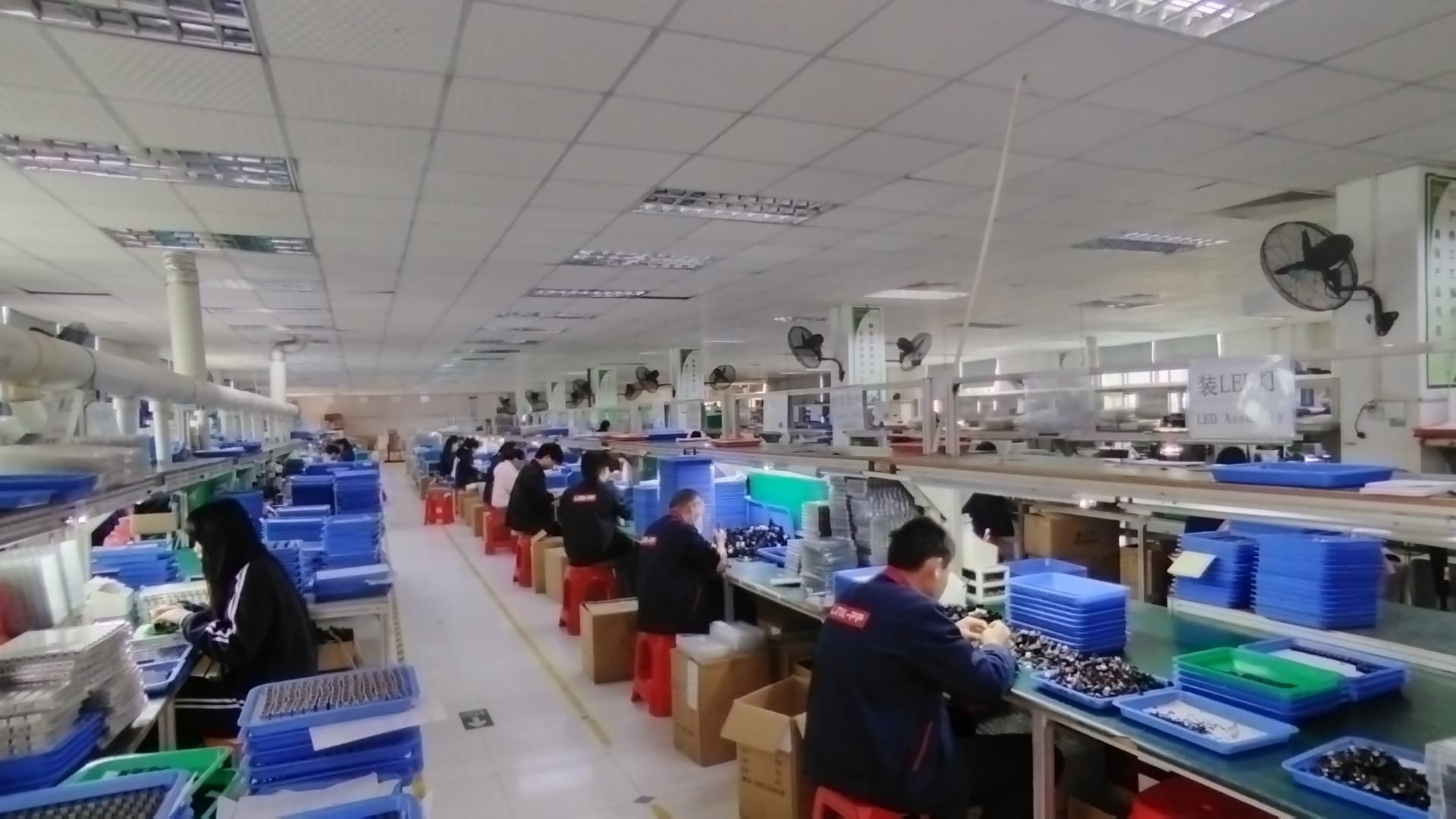
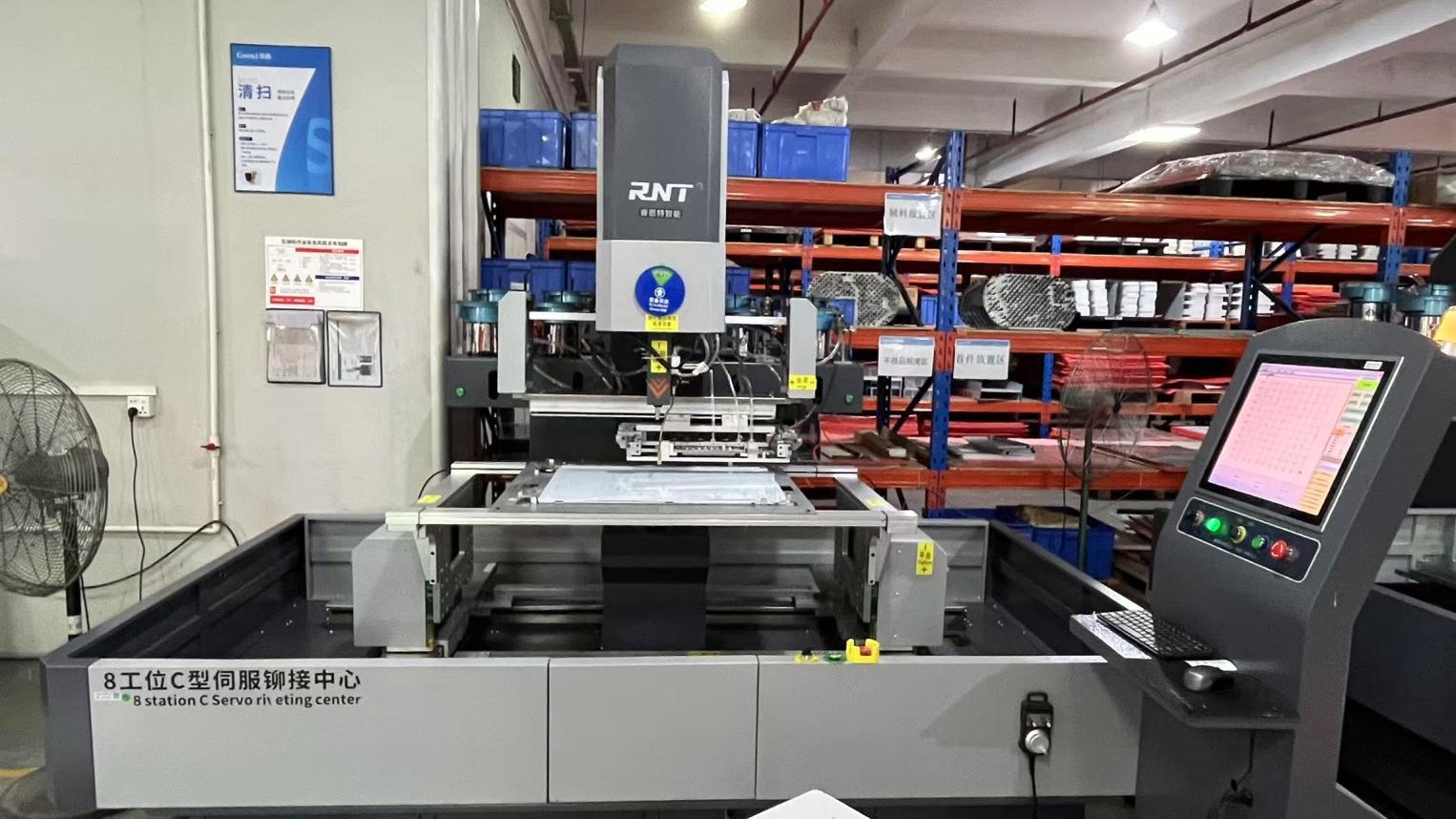
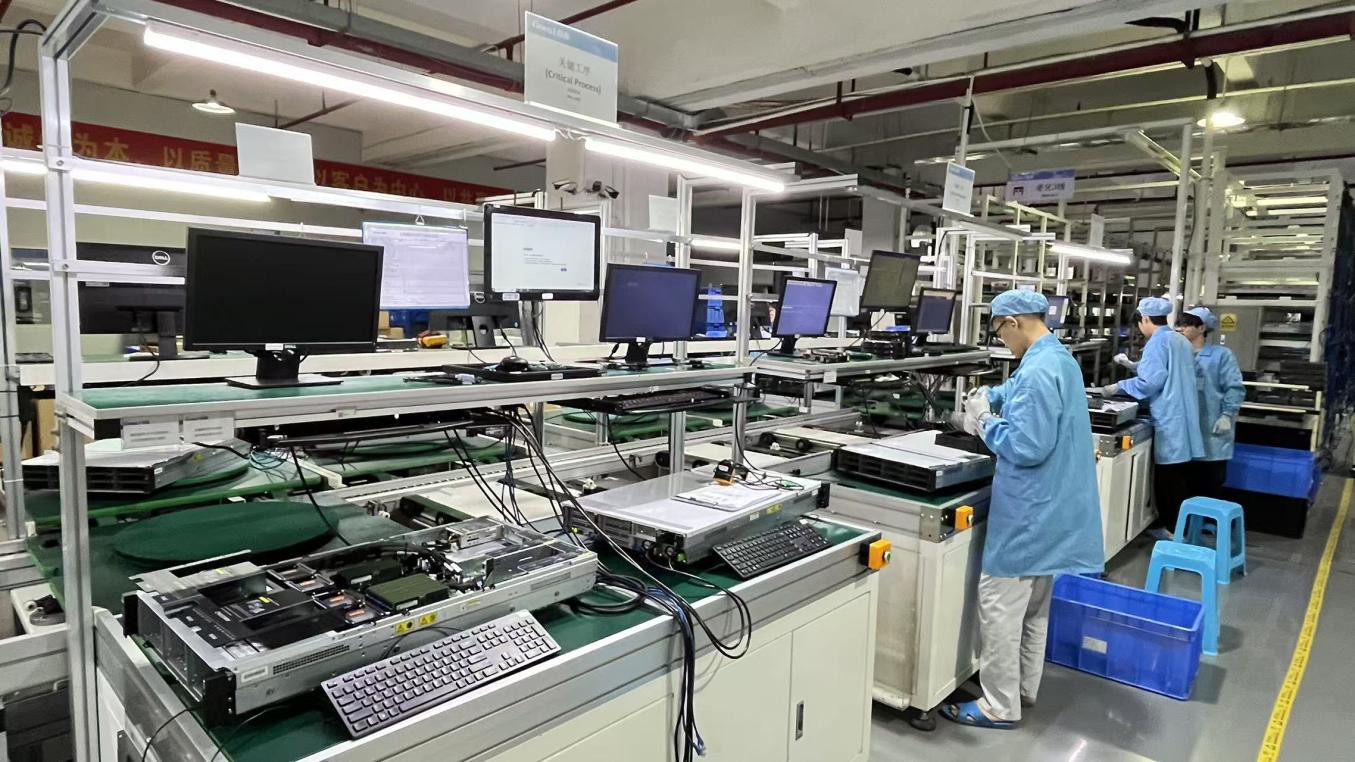
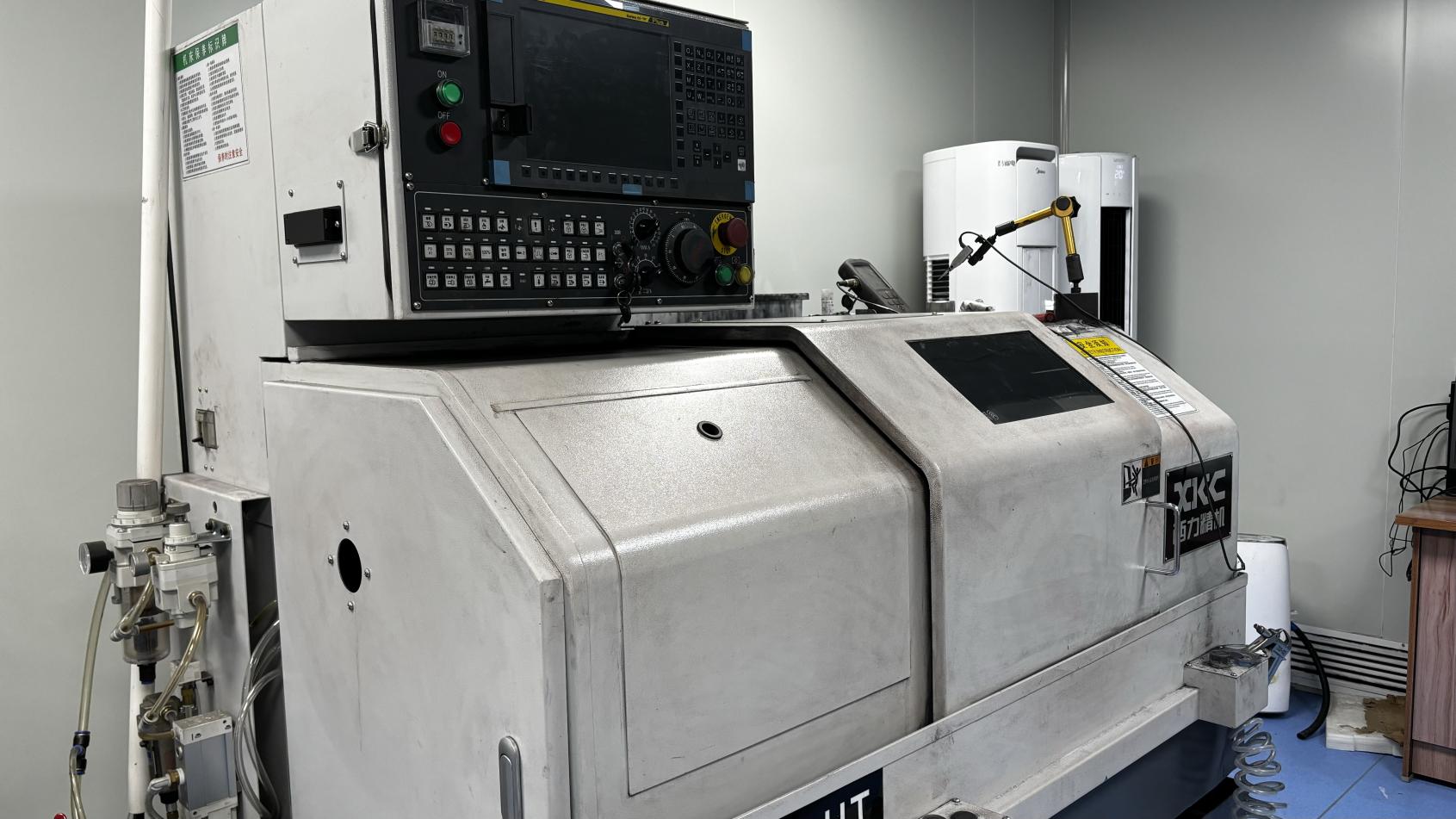
Our production facility is equipped with automated optical sub-assembly alignment machines and cleanrooms. We run comprehensive testing sweeps on every transceiver before packaging. This rigorous testing minimizes infant mortality failures and ensures compatibility with global vendor standards.
Through partnership agreements with more than 850 raw component suppliers (laser diodes, drivers, DSP silicon), we secure inventory buffers to insulate global clients from microchip shortages and freight bottlenecks.
From central data exchanges to high-performance computing centers, Xelivor transceivers support critical data transmission routes.
Using 400G QSFP-DD (DR4/FR4) to scale interconnection interfaces between Berlin colocation sites and international carrier backbones, minimizing latency and maximizing port density.
Integrating 200G QSFP56 and 100G QSFP28 modules within university high-performance computing clusters to handle parallel processing tasks and massive science datasets.
Utilizing 100GBASE-LR4 and ER4 transceivers for long-reach industrial automation networks, connecting distributed automotive facilities around Berlin.
Established in 2016, Xelivor has developed a solid reputation for supplying dependable, high-speed optical network hardware to data centers, telecom operators, and enterprise networks worldwide.
Operating from our modern manufacturing facility covering 386 m², we coordinate product design, automated assembly, and strict quality control. Our quality assurance protocol includes incoming material inspection, dynamic aging tests, temperature stress validation, compatibility checks across target vendors, and final optical sweep inspections.
We work with more than 850 active supply chain partners, ensuring component supply lines and support for customized firmware programming, labeling, and specialized packaging.
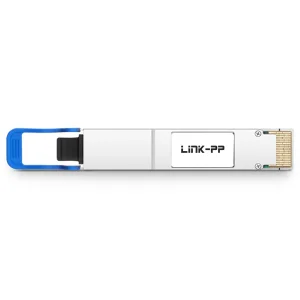
Our complete, MSA-compliant line of transceivers designed to connect fiber runs from 30m to 80km.
Find answers to common questions about deployment, hardware standards, and shipping protocols for the Berlin market.
Contact our sales and engineering team today to receive a customized quote, request free product samples, or schedule a technical compatibility consultation.
Send Inquiry Now