Xelivor
Xelivor
Xelivor
The metropolitan area of Barcelona, driven by the innovative spirit of Catalonia and the dense infrastructure of the 22@ Barcelona innovation district, has emerged as a premier digital gateway in the Mediterranean. As data center operators, supercomputing installations, and high-frequency trading systems expand their footprint, the demand for stable, electromagnetic-interference (EMI) resistant, and high-density copper and optical interfaces has escalated.
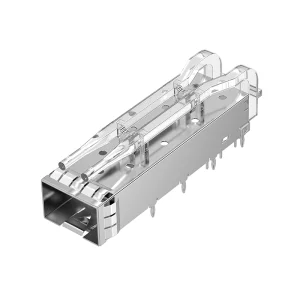
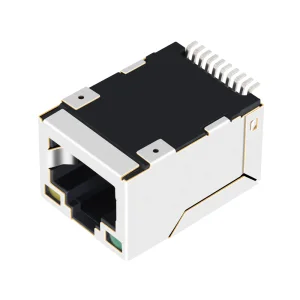
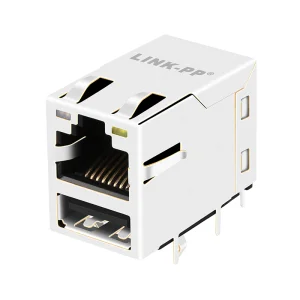
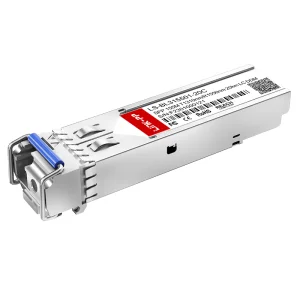
From the Barcelona Supercomputing Center (BSC-CNS) hosting the world-famous MareNostrum supercomputers, to commercial edge-compute networks expanding near the Port of Barcelona and Zona Franca, high-performance hardware forms the physical backbone of this transformation. For system integrators and telecommunications equipment exporters, sourcing robust component assemblies like SFP cages is critical. Small Form-Factor Pluggable (SFP) cages are the structural elements that anchor and ground the hot-pluggable transceivers responsible for modern Gigabit Ethernet, Fiber Channel, and Infiniband links.
In high-density switches, signal degradation and electromagnetic emissions pose severe hazards to signal integrity. The Barcelona market requires cages designed to accommodate high thermal dissipation, low insertion-force mechanical configurations, and absolute grounding compatibility with European compliance directives (including RoHS and CE standards).
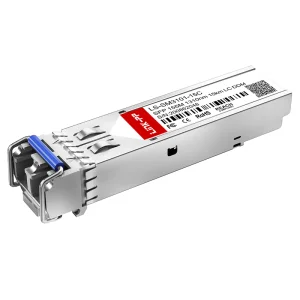
The worldwide optical interconnect market is experiencing an unprecedented structural shift. Datacenter bandwidth needs are climbing exponentially, propelled by massive cloud applications, artificial intelligence training clusters, and distributed edge nodes. Consequently, simple Single-Mode and Multi-Mode transceivers must interface with hardware systems through extremely rigid SFP, SFP28, QSFP28, and QSFP-DD cages that guarantee signal compliance at speeds up to 400Gbps and beyond.
At these astronomical speeds, interconnect interfaces face major challenges:
| Interface Type | Typical Data Rate | Physical Cage Configurations | Shielding Method Options | Applicable Standards |
|---|---|---|---|---|
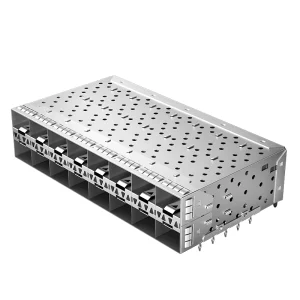
| SFP / SFP+ | 1.25 Gbps to 16 Gbps | 1x1, 1x2, 1x4, 1x6, 2x1, 2x4, 2x8 | EMI Spring Fingers, Elastomeric Gasket | SFF-8431, SFF-8432, MSA |
| SFP28 | 25 Gbps to 28 Gbps | 1x1, 1x2, 1x4, 2x2, 2x4, 2x6 | Enhanced Metal Spring Gaskets | SFF-8402, IEEE 802.3by |
| QSFP28 / QSFP56 | 100 Gbps to 200 Gbps | 1x1, 1x3, 1x4, 1x6, 2x1, 2x2, 2x3 | High-Performance Elastomeric Gaskets | SFF-8661, SFF-8663 |
| QSFP-DD | 400 Gbps to 800 Gbps | 1x1, 1x2, 2x1, Stacked Configurations | Integrated Heat Sink + Dual EMI Gaskets | QSFP-DD MSA, SFF-8679 |
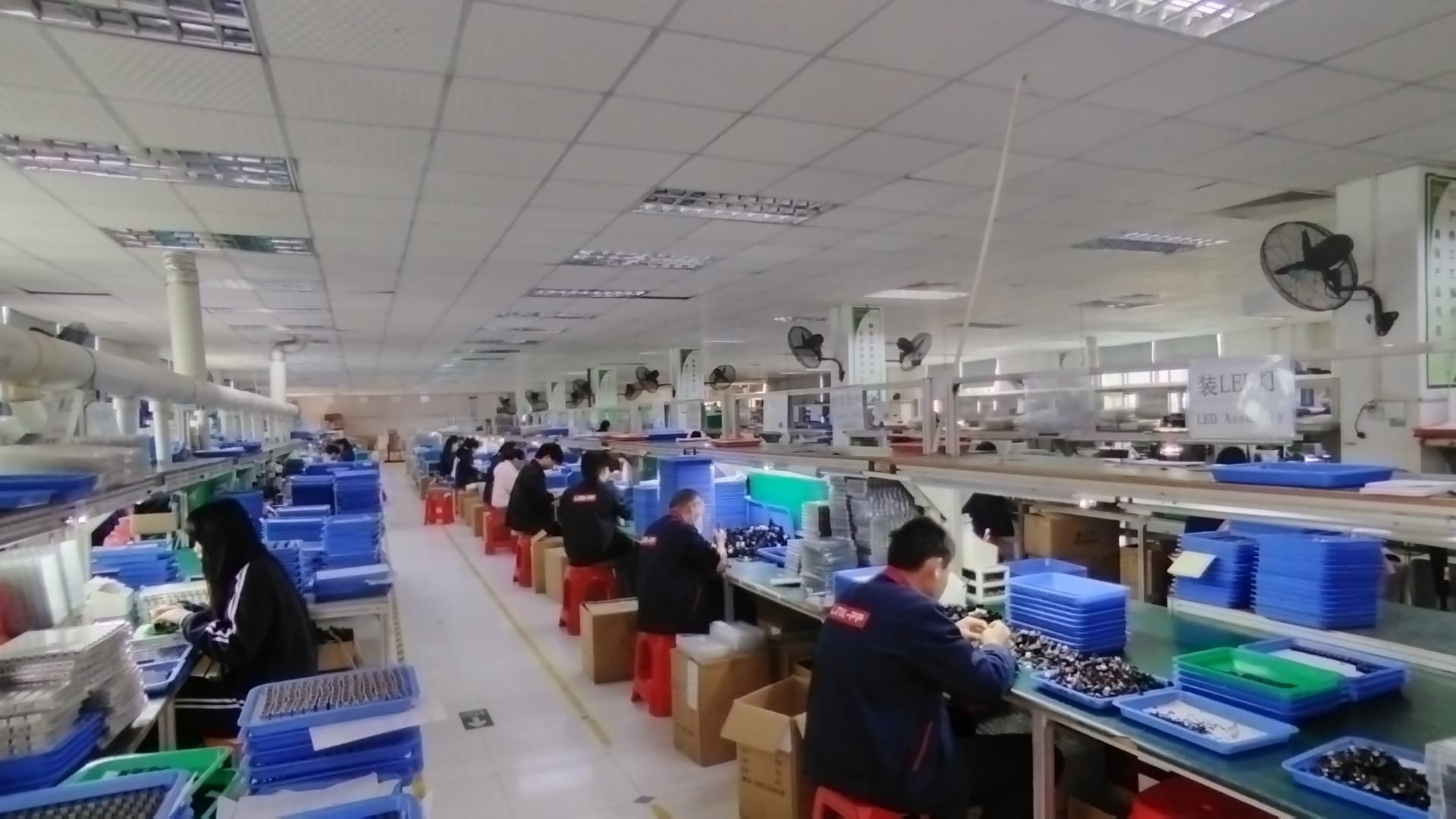

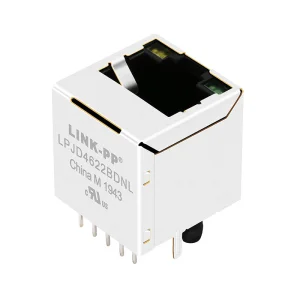
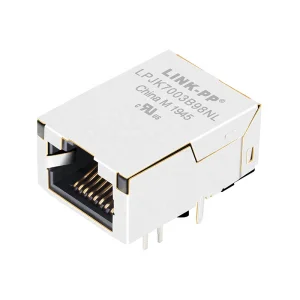
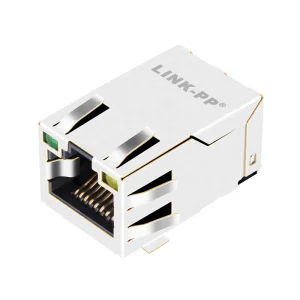
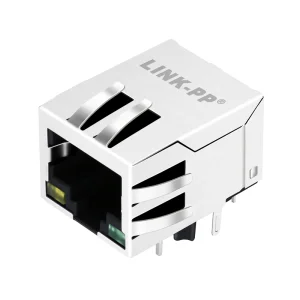
Developing and manufacturing high-performance SFP cages and Ethernet jacks requires a delicate balance of mechanical precision and cost efficiency. As a leading manufacturer based in China, we leverage integrated supply networks and advanced automation to deliver substantial value to global markets, including Barcelona.
Key elements of our manufacturing efficiency include:
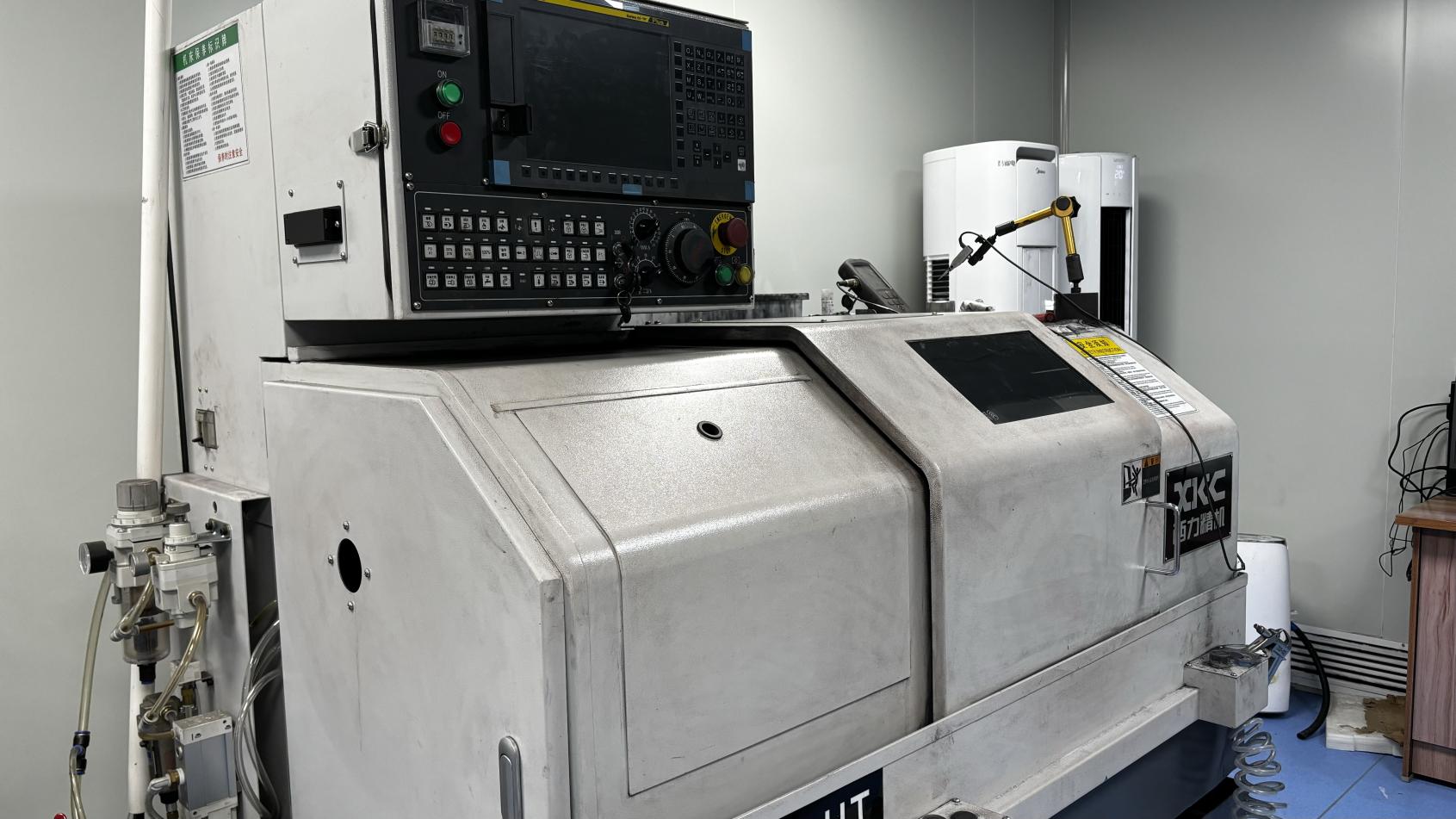
SFP cage housings are stamped from copper alloys (like phosphor bronze or nickel silver) using advanced progressive tooling. Our stamping systems operate at high cycle speeds while holding tolerances within ±0.02mm. This ensures consistent dimensions across high-volume production runs. Standardizing these steps minimizes mechanical variations, ensuring that modules insert smoothly and grounding tabs seat securely.
Electrical performance relies on high-quality plating. We use continuous reel-to-reel plating lines to apply nickel barrier layers, followed by selective gold coatings on terminal points and matte tin on soldering tails. This system prevents nickel migration, resists environmental oxidation, and offers outstanding solderability for both manual and automated assembly lines.
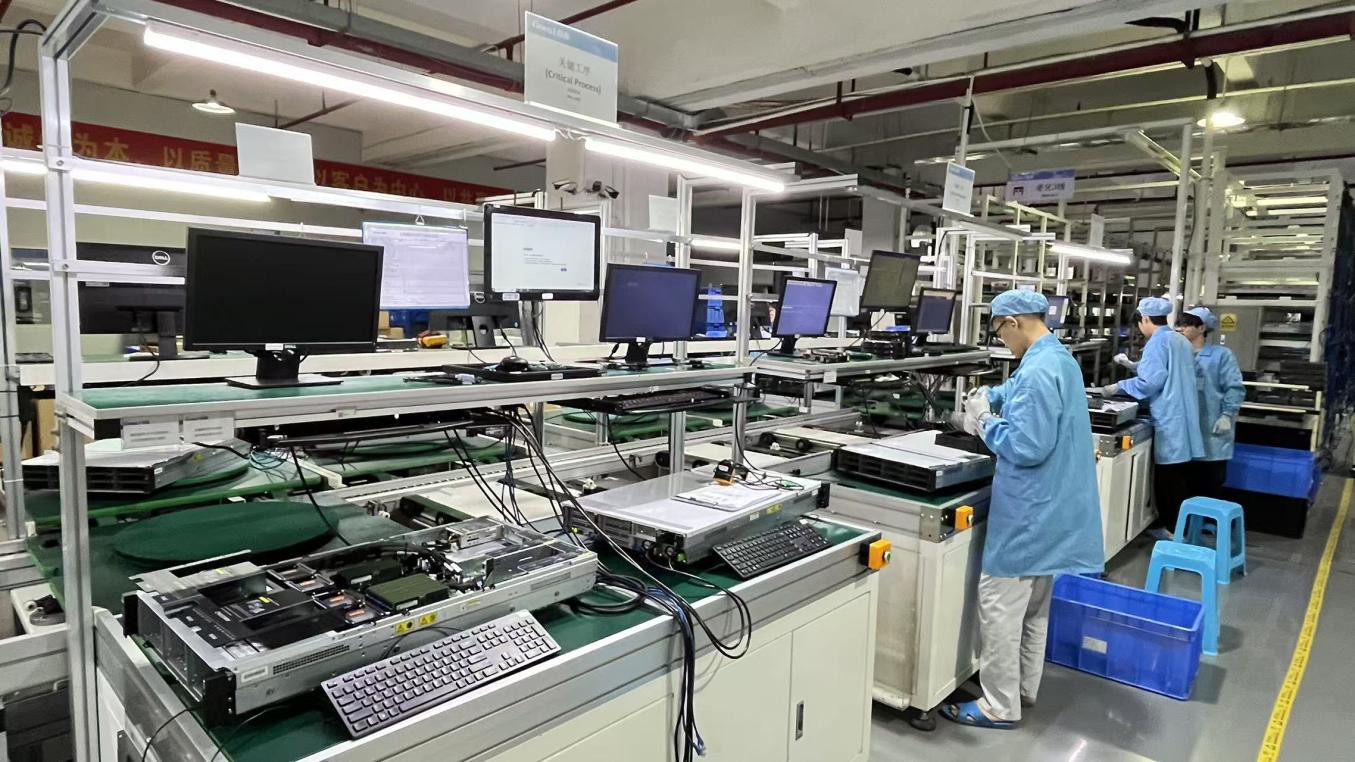
Cages equipped with elastomeric gaskets or integrated PMMA light pipes are assembled on custom robotic systems. Replacing manual assembly steps with robotics lowers production costs, improves structural consistency, and ensures that visual indicator light pipes align perfectly with their status LEDs.
Our dedicated team of 32 quality control specialists oversees material validation, in-line vision inspection, mechanical shear testing, and optical parameter verification. Products undergo simulated switch-chassis insertion cycles and environmental testing to confirm compliance with international standards before shipping.
Xelivor Optoelectronics Co., Ltd. is a leading manufacturer of high-performance optical transceivers, SFP cages, and fiber optic connectivity solutions. Since our founding in 2016, we have focused on supplying reliable interconnect components to datacenters, enterprise networks, and telecom operators worldwide.
With an experienced team of 68 R&D engineers, we continuously drive innovation, introducing more than 85 new designs annually to support high-speed transmission technologies. Our facility is equipped with automated testing arrays and optical analysis instruments to ensure stable production quality and reliability.
We export globally, serving network equipment builders and distributors in North America, South America, Asia, and Europe—with a strong focus on key hubs like Barcelona. Our flexible supply chain supports customization services, including:
We provide two main shielding types: metal spring fingers and conductive elastomeric gaskets. Metal spring fingers are highly durable, cost-effective, and tolerate larger slot variances. Conductive elastomeric gaskets provide continuous 360-degree contact, offering superior EMI attenuation for higher-frequency applications like 25G SFP28 and 100G QSFP28.
Press-fit connections rely on cold-welded joint mechanics. The "eye-of-the-needle" pin deforms slightly when pressed into the plated through-holes on the PCB. This creates a high-pressure, gas-tight contact point without thermal stress, eliminating common wave soldering issues like solder bridges, cold solder joints, and flux contamination.
Yes, our cages are fully MSA (Multi-Source Agreement) compliant. They follow industry-standard footprints, electrical contact assignments, and mechanical profiles. This makes them drop-in alternatives for major industry part numbers (such as TE 2170193-1 or 2169788-1), allowing you to simplify your bill of materials (BOM) and reduce assembly costs.
Stacked configurations (like 2x4 or 2x8) generate significant localized heat. Our designs include custom ventilation holes on the side and rear walls to optimize airflow. We can also integrate dedicated aluminum or copper heat sinks with customized fin heights, along with clip assemblies designed to match your specific fan profiles.
Our cage housings are stamped from copper alloys like phosphor bronze or nickel silver, which offer excellent mechanical spring force and low resistance. Connectors feature selective gold plating over a nickel barrier at the contact points to resist oxidation and fretting corrosion, ensuring stable performance over at least 100 insertion cycles.
Our R&D engineering team can modify existing dies to change mounting pin patterns, adjust cage depths, or reposition status LEDs. We use 3D CAD modeling and finite element analysis (FEA) to verify your changes, then produce rapid-prototype samples so you can test them in your physical chassis.
Looking for reliable interconnect components for Barcelona’s local network projects, or need technical details on our SFP cages and transceivers? Get in touch with our design engineers for detailed drawings, quotes, and product samples.
Send Inquiry Now